The Best Aftermarket Mods Transform The Whole Vehicle
The best aftermarket mods do more than add style or a louder sound. Tires, wheels, suspension, brakes, lighting, seats, audio, wraps, cooling, software, recovery gear, and protection parts can change how a vehicle looks, feels, stops, turns, works, and lasts. The right mod depends on the use case: daily driving, track days, towing, off-road travel, restoration, show display, or EV efficiency.
A: Wheels, tires, and suspension are usually the most noticeable upgrades.
A: Yes, especially when combined with tuning and intake upgrades.
A: Absolutely for enthusiasts wanting better handling and adjustable ride height.
A: Poor tuning can, but professional tuning is generally safe when done properly.
A: Wheels, wraps, lighting, and suspension create the biggest visual impact.
A: Modern systems are far more reliable than older setups.
A: Extremely heavy wheels can reduce acceleration and ride quality.
A: A subtle build that improves factory styling without looking excessive.
A: Laws vary by location and emissions regulations.
A: A complete suspension and wheel setup dramatically transforms appearance and driving feel.
Tires, Wheels, And Suspension
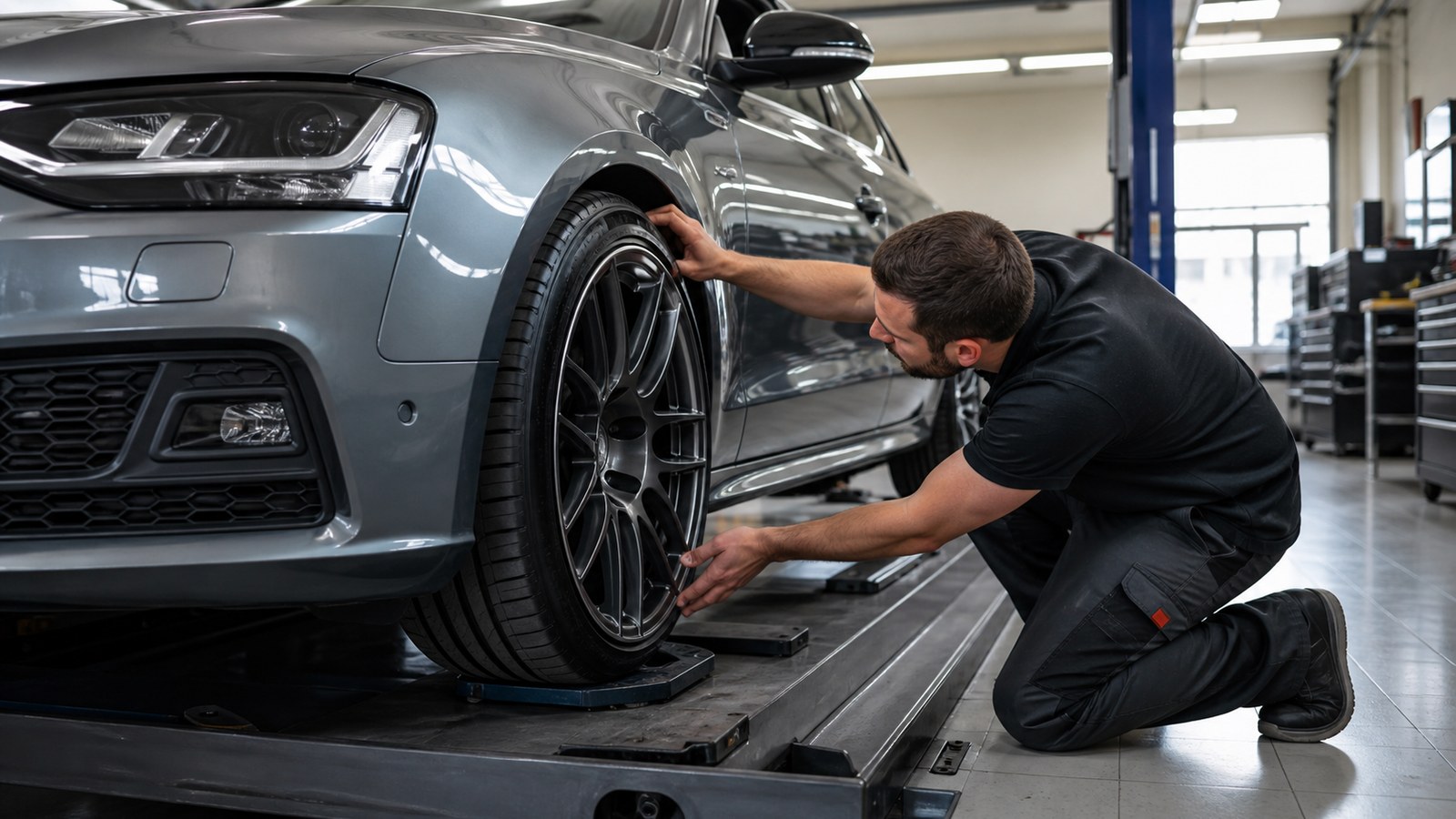
Tires are usually the most transformative modification because they affect every drive. Wheels change appearance and weight, but tires decide grip, ride, braking, and weather confidence. Suspension can improve control or ruin comfort depending on spring rate, damping, travel, alignment, and road quality. A Honda Civic, Toyota Corolla, Ford Mustang, Chevrolet Corvette, Mazda Miata, Volkswagen GTI, Subaru WRX, Toyota Tacoma, Ford Bronco, Ford F-150, Tesla Model 3, BMW M3, and Jeep Wrangler all need different choices.
NHTSA TireWise is useful before buying wheels and tires because load rating, pressure, treadwear, labeling, and maintenance affect safety. Bigger wheels are not automatically better if they add weight, reduce sidewall, or create rubbing.
Brakes And Cooling
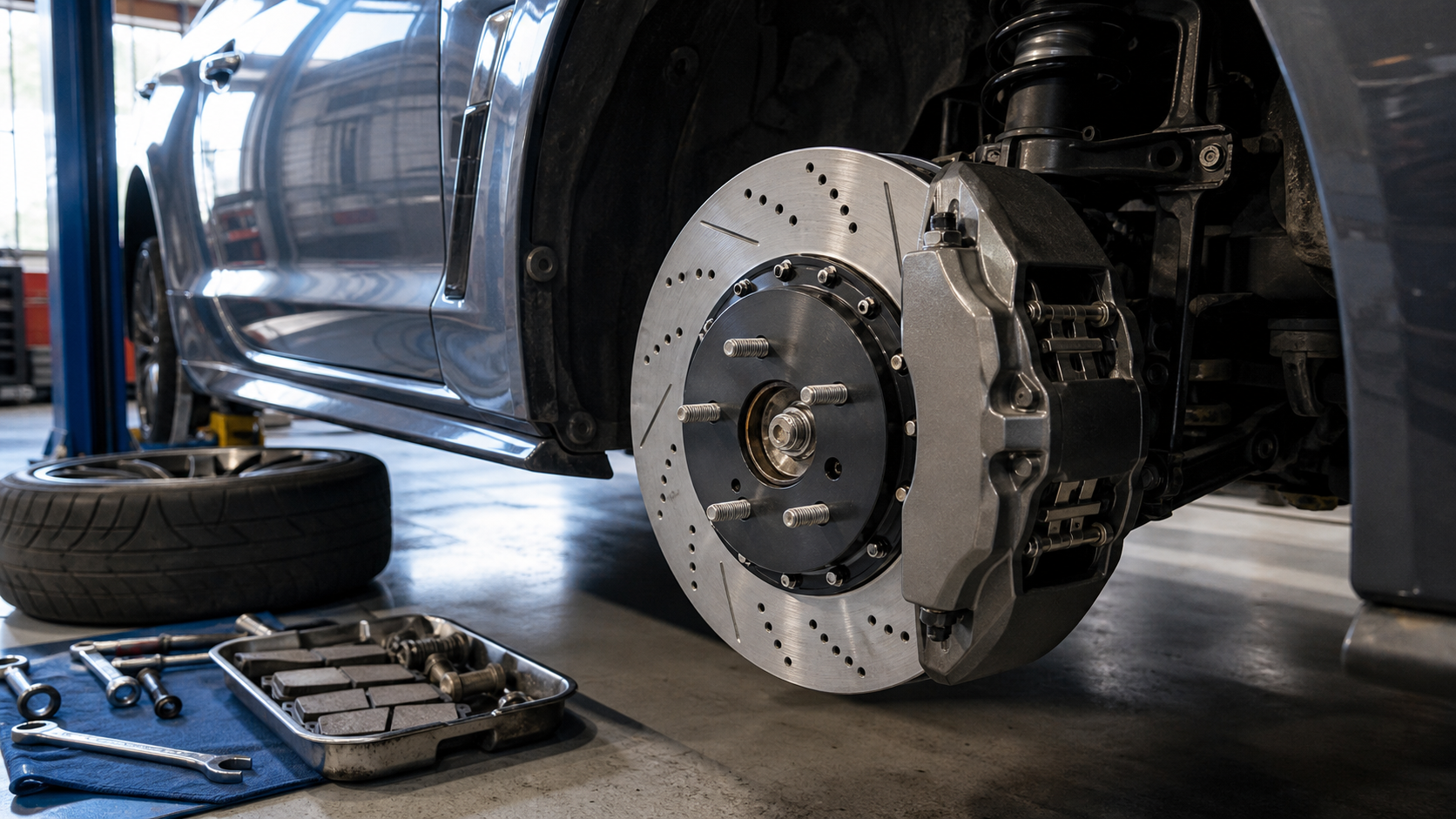
Brake pads, fluid, rotors, stainless lines, and cooling ducts can change confidence more than engine parts. A track-day Miata, Mustang, Corvette, Civic Type R, GTI, WRX, or BMW may need heat management before more power. Towing and mountain driving also stress brakes and cooling. A truck owner may benefit more from quality pads, proper tires, and transmission cooling than from a cosmetic lift.
Cooling modifications matter for turbo cars, heavy tow vehicles, EV track use, and hot-climate driving. Intercoolers, radiators, oil coolers, and ducting work best when selected for a measurable heat problem rather than installed for appearance.
Lighting, Interior, And Daily Use
Good lighting upgrades improve visibility and communication. Bad lighting blinds others or fails inspection. Interior upgrades such as seats, floor mats, cargo liners, phone mounts, dash cams, sound deadening, and audio can make a daily driver feel new. A Corolla commuter, CR-V family car, Tacoma trail build, and Tesla commuter do not need the same interior parts.
NHTSA’s regulations overview gives the broader safety framework for vehicle equipment. Lighting, mirrors, tires, brakes, seat belts, and other safety-related systems cannot be treated as decoration alone.
Tunes, Exhaust, And Legal Risk
Tunes and exhausts can add power and personality, but they carry the most compliance risk. Catalytic converters, oxygen sensors, evaporative systems, diesel aftertreatment, noise limits, inspection readiness, and warranty coverage all matter. State emissions programs may treat removed or disabled equipment as tampering.
The best tune is supported by data: air-fuel ratio, knock control, temperatures, boost, fuel quality, and repeatability. A reliable Subaru WRX, GTI, Mustang EcoBoost, BMW turbo, or Supra build needs conservative calibration and maintenance, not only peak dyno numbers.
Match The Mod To The Job
Daily drivers benefit from tires, lighting, comfort, maintenance, and reversible upgrades. Track cars benefit from brakes, tires, cooling, alignment, seats, and data. Off-road builds need tires, recovery points, protection, suspension travel, and gearing. Show cars need finish quality and coherence. EVs may benefit from efficient wheels, tire choice, charging gear, and cabin organization.
The best aftermarket mod is the one that solves a real problem without creating three new ones.
Recovery And Protection Parts Need Real Use
Off-road and overland modifications are everywhere, but they make sense only when matched to real terrain. Skid plates, rock sliders, recovery points, all-terrain tires, air compressors, winches, lighting, and suspension travel can help a Tacoma, Bronco, Wrangler, 4Runner, Colorado, or F-150. They can also add weight, wind noise, fuel use, and maintenance when the vehicle mostly commutes.
Recovery gear also requires training. A winch, kinetic rope, soft shackle, jack, or traction board can be useful, but improper use can injure people or damage vehicles. The practical build is the one the owner knows how to use safely.
Audio And Tech Upgrades Can Improve Daily Life
Not every transformative mod is mechanical. A better head unit, clean speaker install, backup camera, dash cam, wireless charging, sound deadening, and improved phone integration can make an older car feel dramatically newer. A Corolla, Civic, older Mustang, classic truck, or first-generation Tacoma may gain more daily value from reliable audio and visibility upgrades than from extra power.
Clean installation matters. Fused power, protected wiring, secure mounts, and reversible trim work separate a good tech upgrade from a future electrical problem. A tidy cabin upgrade can make the car easier to use without changing its character.
Plan Mods In A Sequence
The most satisfying builds follow an order. Maintenance first, then tires, brakes, alignment, and reliability. After that, the owner can choose suspension, power, style, interior, or protection based on the vehicle’s job. This sequence keeps a project from becoming a pile of parts that never works together.
A good Civic track build, Mustang street build, Tacoma trail build, Tesla commuter build, and Miata weekend build can look completely different while following the same principle: solve the next real limitation, then test before buying more.
Reversible Mods Protect Value
Many owners eventually sell the car, and reversibility can protect value. Quality wheels, tasteful suspension, bolt-on exhausts, clean audio, ceramic tint, paint protection, and removable storage systems are easier to explain than cut wiring, missing airbags, hacked panels, deleted emissions equipment, or extreme bodywork. A future buyer may appreciate a well-kept Mustang, Corolla, Civic, Tacoma, Corvette, or BMW more when the factory parts and documentation are still available.
Receipts matter too. They show the brand, part number, installer, date, and mileage. A build with records feels cared for. A build with mystery parts feels risky.
Daily Driver Mods Need A Different Standard
A daily driver has to start in bad weather, handle potholes, carry passengers, pass inspection, and commute without drama. That standard changes the parts list. Quiet tires, proper ride height, legal lighting, durable floor protection, clean phone charging, and reliable brakes may matter more than maximum grip or dramatic stance. A great daily mod disappears into the routine because the car simply works better.
That is why the best aftermarket builds have restraint. They improve the vehicle’s real job first, then add personality where it does not compromise safety or usefulness.
Transformational Mods Change The Whole Driving Experience
The best aftermarket modifications do more than add a single number. They change how the car feels every time the owner drives it. Tires, suspension, brakes, seats, shifters, steering parts, exhaust tone, lighting, and wheels can make an ordinary car feel more focused. The transformation comes from connection, not just appearance.
A great mod also fits the car’s purpose. A daily driver, weekend canyon car, track project, show build, overland vehicle, and commuter all need different choices. The part that transforms one vehicle may make another worse. Context keeps the build honest.
Start With Contact And Control
Tires, wheels, alignment, and brakes shape how a car touches the road. These upgrades are often more noticeable than power because they affect steering, stopping, cornering, and confidence. A vehicle with the right tires and a clean alignment can feel completely different before the engine is touched.
Control upgrades need balance. Oversized wheels can hurt ride quality and tire cost. Aggressive brake pads can squeal or dust heavily. Extreme alignment can wear tires quickly. The best street setup improves response while keeping the car livable.
Suspension Should Improve Confidence
Suspension modifications can transform stance and handling, but the goal should be control. Quality dampers, matched springs, bushings, sway bars, and alignment can reduce body motion and sharpen response. Cheap or poorly matched parts can make the car bouncy, noisy, or unpredictable.
Ride height deserves restraint on street cars. Too low can reduce suspension travel, scrape, change geometry, and create rubbing. A well-set-up car can look better and drive better without sacrificing every driveway and rough road.
Interior Mods Affect Every Mile
Seats, steering wheels, shift knobs, pedals, gauges, sound deadening, and infotainment updates can change the ownership experience because the driver touches them constantly. A supportive seat or precise shifter may make the vehicle feel more special than an engine part that only matters at wide-open throttle.
Safety must stay central. Airbags, seat belt function, visibility, and secure mounting should not be compromised casually. Interior upgrades are strongest when they improve connection while keeping the vehicle practical and safe.
Power And Sound Need Restraint
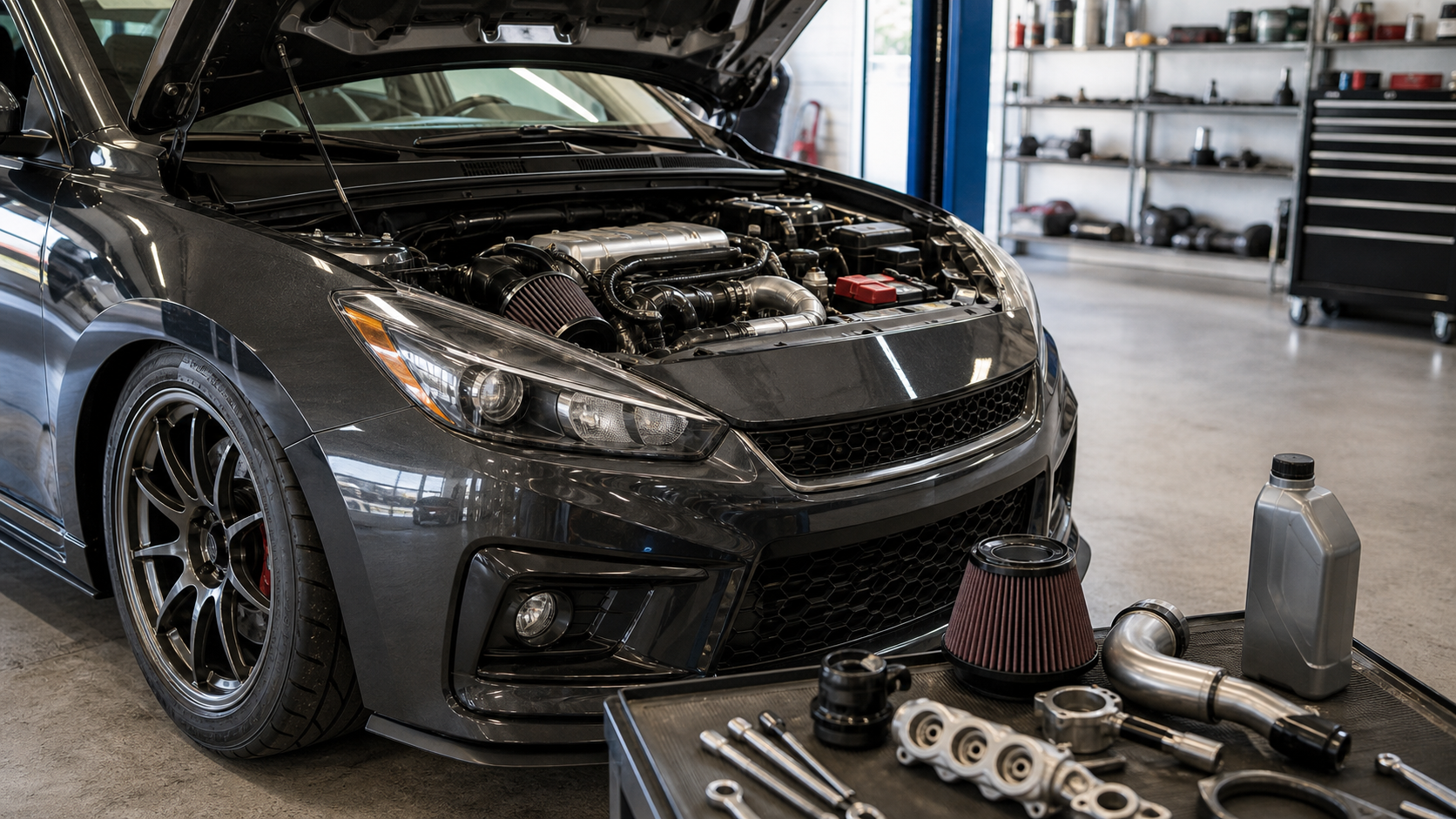
Exhaust, intake, tuning, and engine upgrades can transform character. Sound can make a car feel alive, and extra power can make it more exciting. But noise, drone, emissions issues, heat, and reliability problems can quickly turn a fun mod into a regret.
The best power upgrades match the vehicle’s cooling, fuel system, drivetrain, brakes, and tires. A smooth, reliable car with moderate power is often more enjoyable than a harsh car chasing a number. Transformation should make the car better to own.
Finish Quality Makes Mods Feel Intentional
Small details decide whether a modified car feels complete. Clean wiring, proper fasteners, good fitment, aligned panels, protected hoses, documented parts, and careful tuning all matter. A build with fewer parts but better execution usually feels more expensive and more trustworthy.
Aftermarket modification is not only about replacing factory parts. It is about choosing a direction and making every change support it. When the choices line up, the car feels transformed rather than merely altered.
Choose Mods That Match The Platform
Every platform has strengths and weaknesses. Some cars respond well to tires and alignment. Others need cooling before power. Some have weak mounts, soft bushings, fragile transmissions, poor brake heat capacity, or limited wheel clearance. Learning the platform prevents wasted money and repeated fixes.
Owner communities can be useful, but the best advice is specific. A track-focused setup may be wrong for a daily driver. A show fitment may be wrong for rough roads. A part popular on one trim may not fit another. The vehicle’s actual use decides the right path.
Aesthetic Mods Need Mechanical Respect
Wheels, lighting, aero parts, wraps, lips, splitters, and interior trim can transform the look of a car. They still need proper fitment, mounting, clearance, wiring, and weather resistance. A visual upgrade that rubs tires, blocks airflow, blinds other drivers, or falls loose is not a successful mod.
The cleanest builds make aesthetic choices look natural on the car. Fitment, ride height, color, proportion, and finish work together. The result feels designed instead of assembled from random parts.
Plan The Build In Stages
A staged build gives the owner time to test and adjust. Stage one might restore maintenance, tires, and alignment. Stage two might add suspension and brakes. Stage three might add power and cooling. This order keeps the car usable and makes problems easier to trace.
Staging also protects enthusiasm. A car that improves step by step is more rewarding than one that sits unfinished. The best aftermarket transformation still lets the owner enjoy the vehicle along the way.
The Best Mod Is The One You Notice Often
Some upgrades deliver value because the driver notices them every mile. A better tire, seat, shifter, brake pedal, headlight, alignment, or suspension setup can change daily enjoyment more than a part that only matters occasionally. Useful transformation is felt in normal driving, not just during a photo shoot.
That is why thoughtful builds often age better than extreme ones. They keep the car comfortable enough to use, sharp enough to enjoy, and reliable enough to trust. The modification becomes part of the car’s identity rather than a distraction from it.