
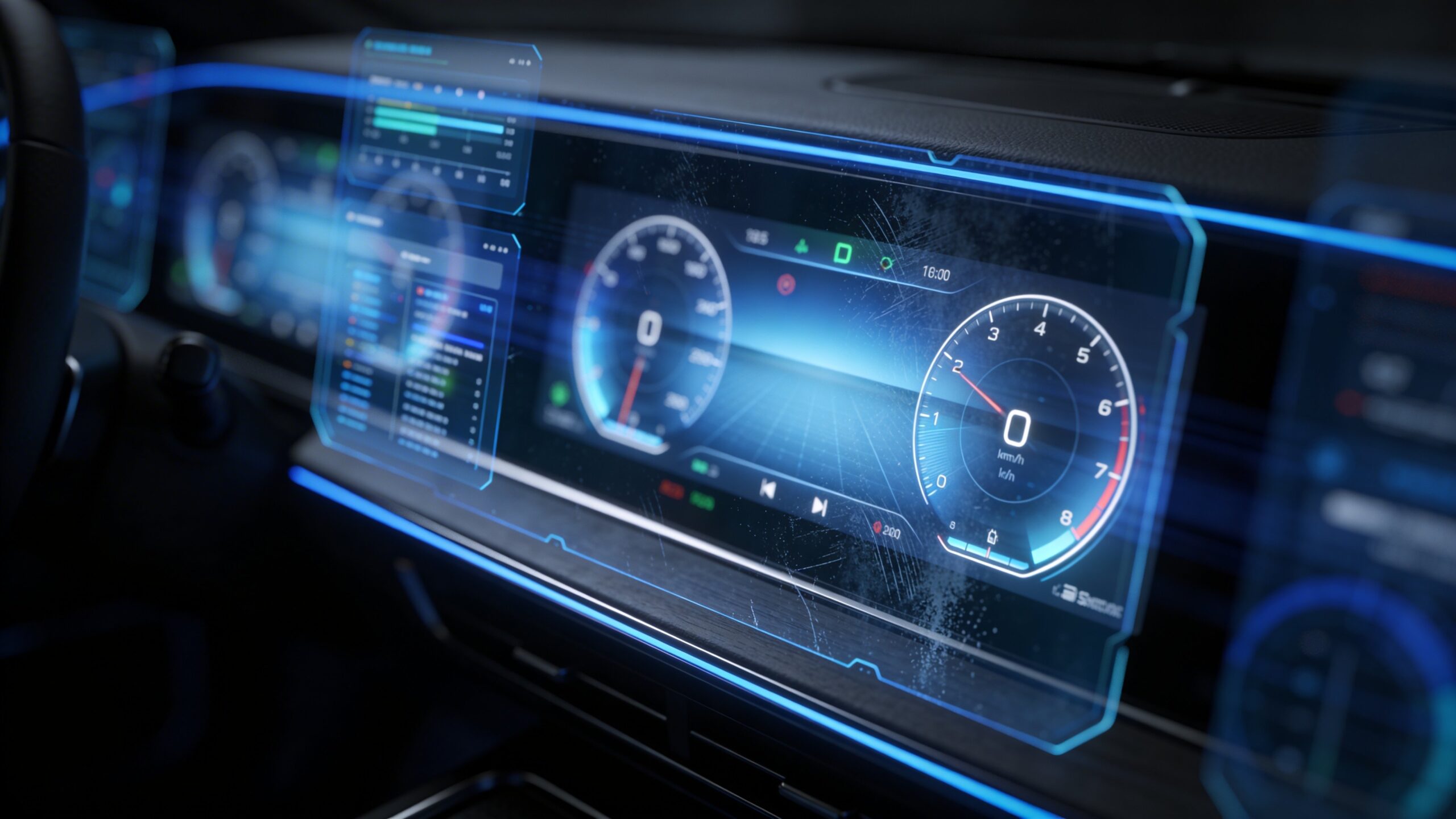
Digital dashboards have redefined how drivers interact with their vehicles, replacing fixed analog gauges with adaptable, high-resolution displays that respond in real time. What once required multiple dials and warning lights is now unified into a single visual system, capable of shifting layouts, prioritizing information, and reflecting driving conditions with precision. This transition is often misunderstood as purely aesthetic, yet it represents a deeper evolution in how vehicles communicate performance, safety, and system status. This section explores how digital dashboards function as integrated information platforms, blending data visualization, sensor feedback, and interface design into a cohesive driving experience. It breaks down how displays are structured, how information is prioritized, and how drivers interpret dynamic layouts. By the end, the underlying systems, visual logic, and practical implications of digital dashboards will be clearly understood.
A: Yes, with redundancy systems and fail-safe modes built in.
A: Most systems allow multiple display configurations.
A: Proper design reduces distraction through clear visuals.
A: Backup systems display essential driving data.
A: High brightness and anti-glare coatings improve clarity.
A: Yes, many systems evolve through updates.
A: Navigation is often integrated into the cluster.
A: They rely on precise sensor data for real-time accuracy.
A: Yes, including power output, torque, and efficiency.
A: Adoption is growing, but not universal across all models.