
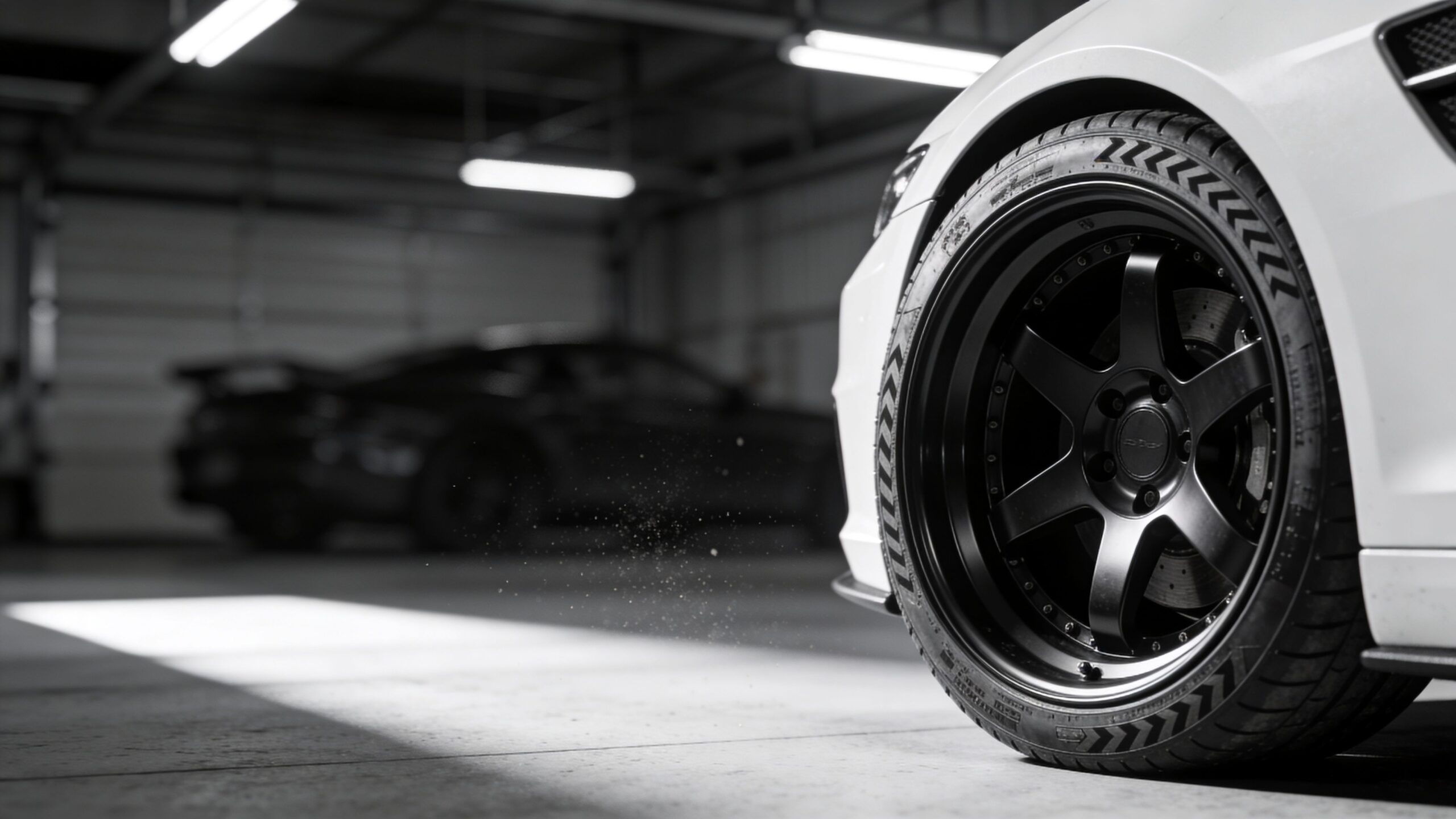
Wheels, Tires & Fitment is where style meets physics—and where the right setup can make a car feel sharper, safer, and more planted in a single drive. This hub is built for anyone who’s ever wondered what those tire numbers actually mean, why one wheel size transforms ride quality, or how “perfect fitment” can go wrong with a single miscalculated offset. Explore the essentials: tire types, tread patterns, speed ratings, load indexes, and how to choose the right rubber for your roads and seasons. Learn how wheel width, diameter, offset, and bolt pattern work together, and why backspacing, hub-centric rings, and torque specs matter more than hype. We’ll also cover the real-world tradeoffs—stiff sidewalls versus comfort, wider tires versus hydroplaning risk, plus how alignment and tire pressure shape wear. Whether you’re dialing in a daily driver, prepping for winter traction, or chasing a clean stance without rubbing, this category turns confusion into confidence. Start browsing and build a setup that looks right—and drives even better.
A: Bolt pattern and center bore—if those don’t match, nothing else matters.
A: It moves the wheel in or out, affecting clearance, stance, and steering feel.
A: Yes, if you keep overall tire diameter close to stock to protect speedometer and driver aids.
A: Common causes include incorrect pressure, alignment (especially toe), and lack of rotation.
A: Check tire height, wheel width, offset, and clearance during full steering lock and suspension compression.
A: If your wheel’s center bore is larger than your hub, rings can help center the wheel and reduce vibration.
A: Start with the vehicle’s recommended pressures, then adjust only for specific loads or conditions.
A: Often wheel balance or tire issues; bent wheels and alignment can also contribute.
A: Use the correct torque spec and tighten in a star pattern to seat evenly.
A: After new tires, suspension changes, impacts, or anytime the car pulls or wear looks uneven.