
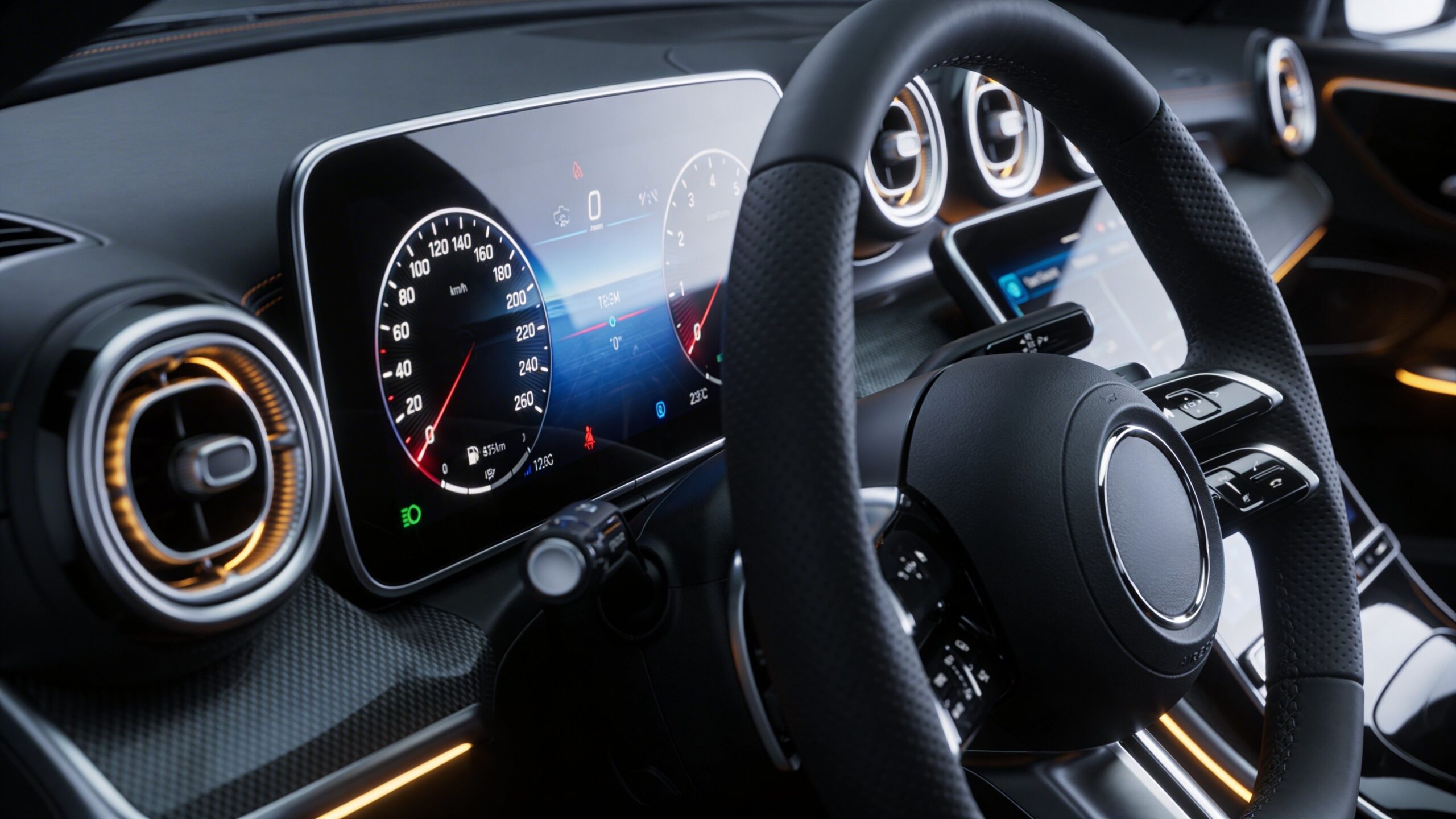
Software now sits at the heart of the modern automobile, quietly transforming cars from mechanical machines into connected, intelligent platforms that can evolve over time. From infotainment systems and digital dashboards to advanced driver assistance, over-the-air updates, cybersecurity, and vehicle performance controls, software is redefining what drivers expect from the road. It powers the features people see every day and the hidden systems that make vehicles safer, smarter, and more responsive. In this section of Auto-Street, we explore the code, platforms, and digital architectures driving the next generation of mobility. Automotive software systems now manage everything from battery optimization and navigation logic to sensor fusion, predictive maintenance, voice control, and cloud-based services. As vehicles become more connected, software is no longer just an add-on feature—it is becoming the backbone of design, engineering, and ownership itself. Whether you are interested in autonomous systems, software-defined vehicles, embedded controls, or the future of in-car experiences, the articles below dive into the powerful technologies changing how cars think, communicate, and improve long after they leave the factory floor for drivers everywhere.
A: They are the digital programs and control platforms that manage vehicle functions, features, and connected services.
A: It controls safety systems, infotainment, efficiency, driver assistance, connectivity, and many core vehicle operations.
A: It is a vehicle where many functions and upgrades are shaped primarily through software rather than hardware alone.
A: Yes, over-the-air updates can add features, improve performance, and fix issues.
A: Yes, battery software manages charging, temperature, energy use, and long-term health.
A: Yes, they rely on software to process sensor input and support steering, braking, and awareness functions.
A: Connected vehicles can face digital risks, which is why cybersecurity systems are increasingly important.
A: OTA means over-the-air, referring to wireless software updates delivered to the vehicle.
A: Yes, infotainment systems are one of the most visible examples of automotive software.
A: Absolutely, because the future of mobility depends heavily on digital control, connectivity, and continuous software improvement.