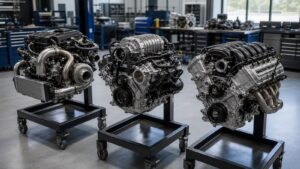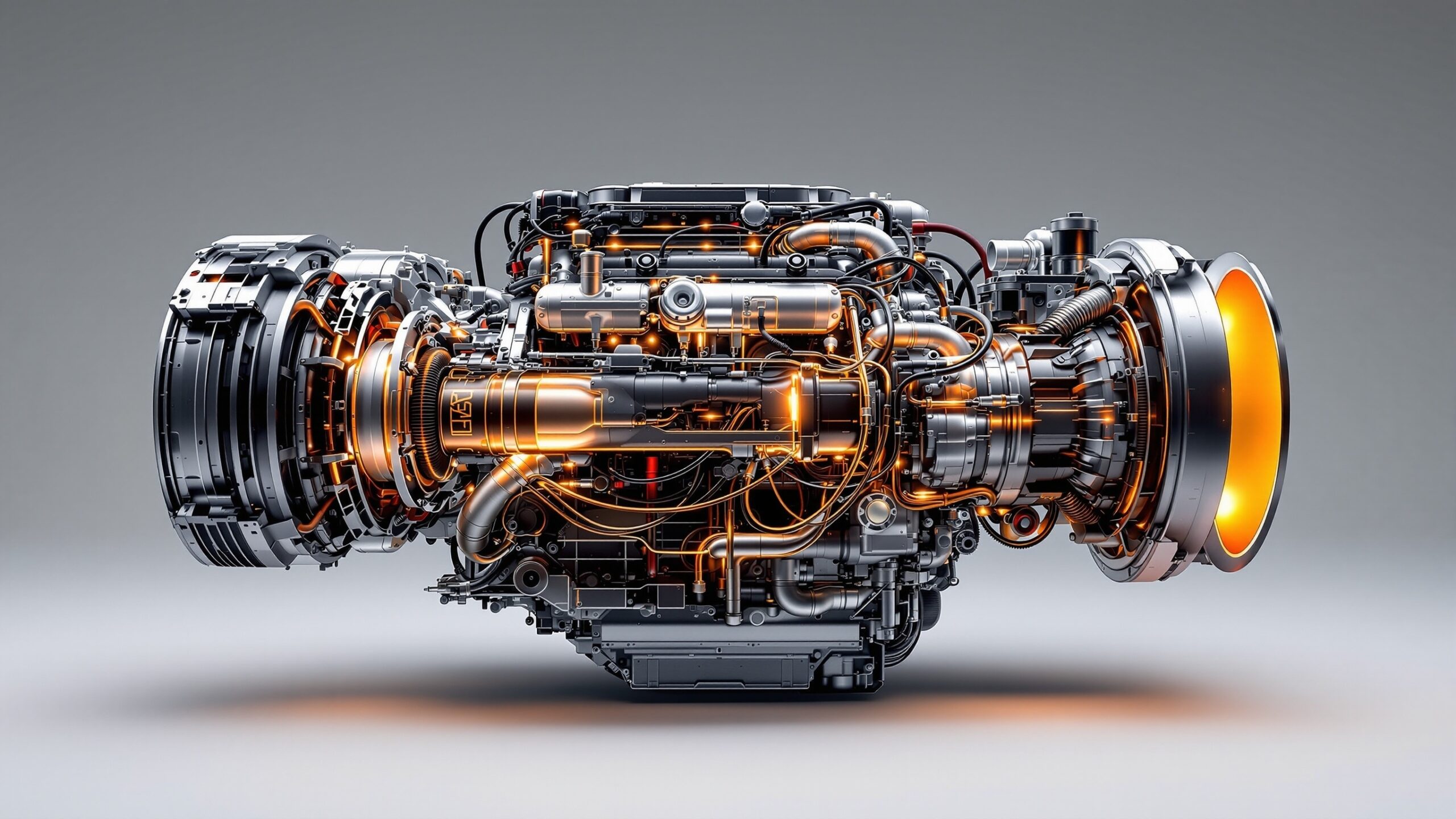
Engines are the heartbeat of Auto-Street—precision machines that turn chemistry, airflow, and timing into pure motion. In Engine Technologies, you’ll explore how power is made, managed, and multiplied, from classic naturally aspirated designs to turbocharged torque factories and electrified performance hybrids. These articles break down the clever ideas hidden behind everyday driving: variable valve timing, direct injection, advanced ignition, thermal efficiency tricks, and the tuning strategies that shape response and reliability. You’ll see how engineers chase speed without sacrificing durability, how materials survive heat and pressure, and why a modern powertrain is as much software as hardware. Whether you love the sound of high RPM, the shove of boost, or the instant punch of electric torque, this category connects the dots between theory and street-level results. Follow the pathways of air, fuel, spark, and control—and discover why the best engines feel effortless, yet are built from thousands of perfect decisions.
A: Turbos use exhaust energy; superchargers are belt-driven for instant response.
A: Only if the engine/tune is designed to take advantage of higher octane.
A: Maintenance first, then monitoring (logging) before chasing more power.
A: Uncontrolled combustion—often from heat, timing, or fuel limits—triggering protection systems.
A: Aggressive tuning can; conservative, well-tested tuning can be very dependable.
A: Torque curve and gearing shape feel; horsepower helps sustain speed at higher RPM.
A: High load adds friction heat—oil cooling becomes critical.
A: Time needed to build exhaust flow and spin the turbine to target boost.
A: Yes—electric torque can enhance launches and fill power gaps.
A: Consistent temps, stable fuel trims, no abnormal knock activity, and clean compression results.