
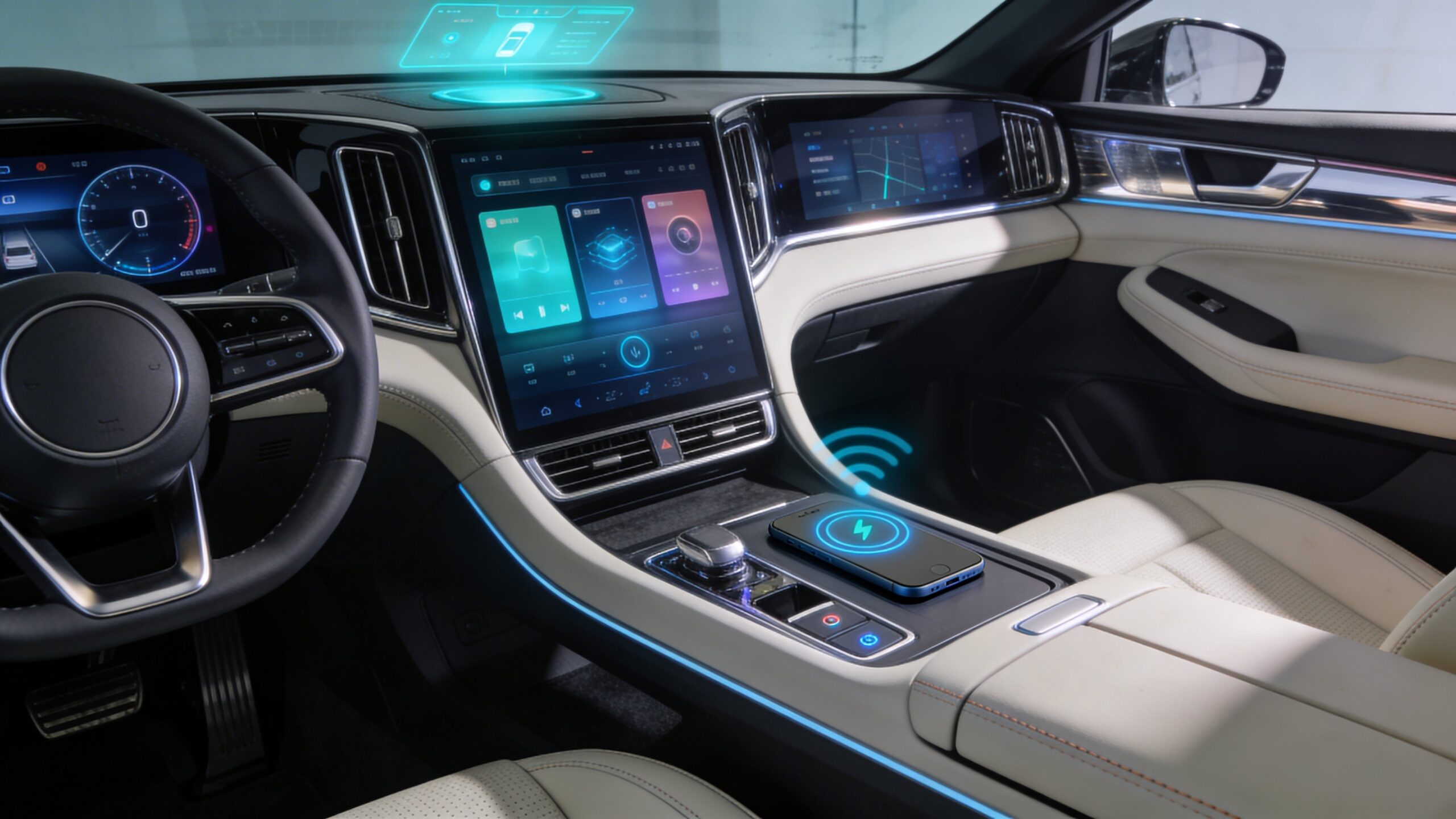
Vehicle connectivity is transforming the modern driving experience from a sealed-off mechanical routine into a living digital ecosystem. Today’s vehicles do far more than move people from place to place—they sync with smartphones, stream real-time navigation, deliver over-the-air updates, monitor performance, and connect drivers to services, safety tools, and smart infrastructure. What once felt futuristic is now becoming standard, changing how drivers interact with their cars every single day. On Auto-Street, our Vehicle Connectivity hub explores the technology, systems, and ideas shaping this connected future. We cover everything from infotainment integration and wireless features to telematics, remote access, app ecosystems, and the growing relationship between cars, networks, and data. Whether you want to understand how connected features improve convenience, where privacy concerns begin, or which innovations are redefining the cabin experience, this is where the bigger picture comes into focus. If modern vehicles are becoming smarter, more responsive, and more personalized, vehicle connectivity is one of the biggest reasons why. It is the bridge between hardware, software, communication, and the driver’s daily expectations in motion.
A: It is the system that links a vehicle to devices, apps, networks, and online services.
A: Sometimes. Basic functions may be free, while remote services or data plans may cost extra.
A: No. Bluetooth is one part of it, while full connectivity includes apps, data, updates, and telematics.
A: They are software updates delivered wirelessly to improve features, fixes, or performance.
A: Yes, many systems use location data for navigation, app tools, and security features.
A: They can be, but security depends on software design, updates, and strong account protection.
A: Remote features depend on network strength, server status, and vehicle connectivity hardware.
A: In some vehicles, yes, if digital key support is built into the system.
A: It can, especially through emergency support, alerts, diagnostics, and better information access.
A: Yes, because software, services, and digital features are becoming central to modern vehicle design.