
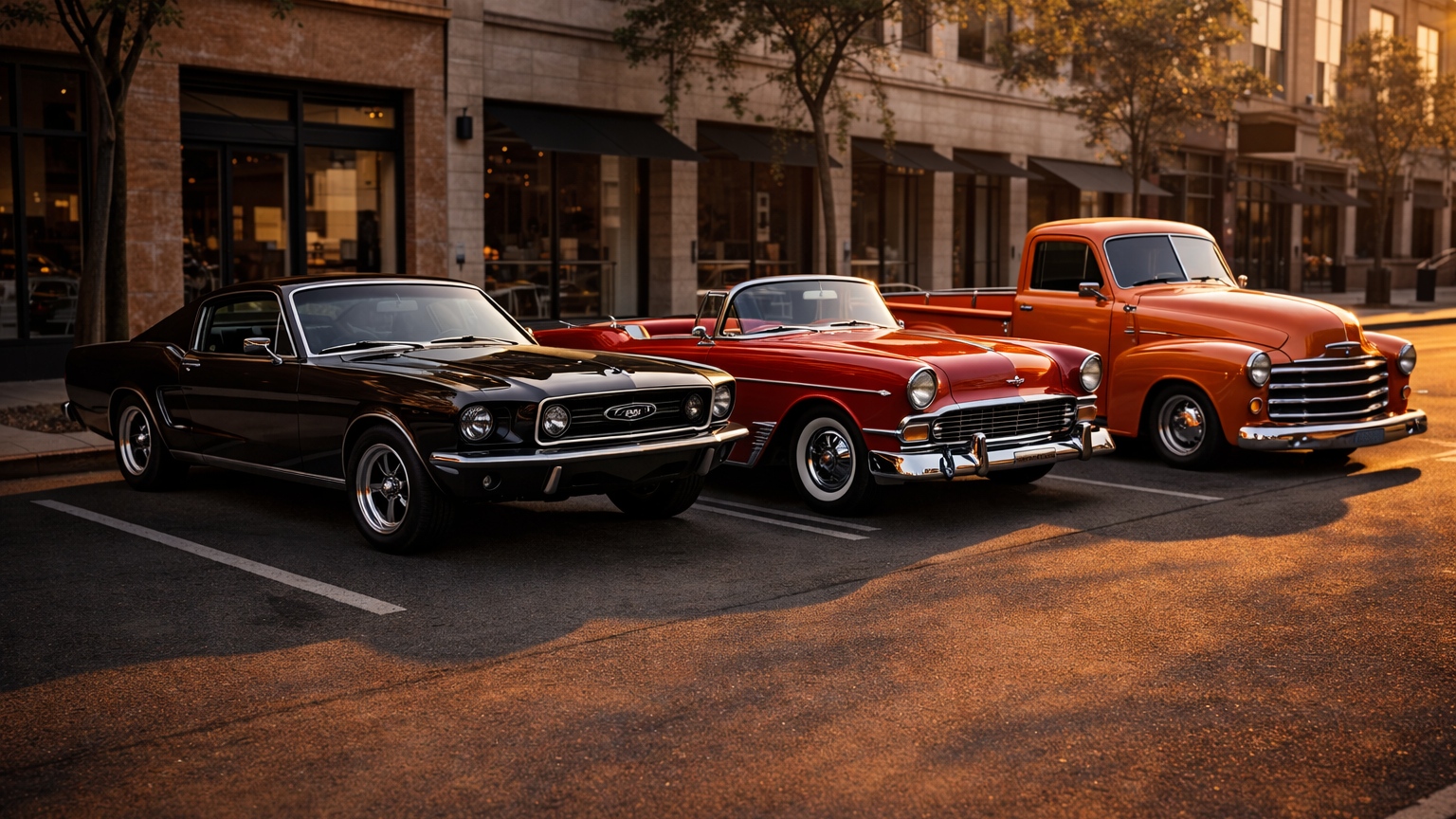
Classic vehicles aren’t just old cars—they’re time machines with fenders, chrome, and stories baked into every panel gap. Classic Vehicles on Auto-Street is your home base for the models that defined eras: the cruisers, sports cars, trucks, and everyday legends that shaped culture long before touchscreens and driver assists. From elegant pre-war designs to mid-century icons and late-20th-century favorites, this category explores what made these machines special—and why they still turn heads today. Here you’ll find more than nostalgia. We dive into design signatures, engineering quirks, trim-level lore, and the real-world ownership experience: what they’re like to drive, what to inspect, which parts are hard to source, and how restoration choices can change value and personality. You’ll also learn how classic tech differs from modern systems—carburetors, drum brakes, simple electrics—and how that simplicity creates a uniquely connected feel behind the wheel. Whether you’re researching your first classic, chasing a dream build, or simply appreciating automotive history at full volume, Classic Vehicles brings the past to life—with practical guidance and plenty of passion.
A: It depends—often age, historical significance, and collector interest.
A: Original for authenticity; restomod for modern drivability.
A: Rust, paperwork, drivetrain health, and electrical condition.
A: Many lack modern safety—drive defensively and consider upgrades.
A: Labor and rust repair drive costs—budget beyond the purchase price.
A: It varies by model; some have huge support, others are rare.
A: Factory-original major components tied to the chassis.
A: Possible, but expect more maintenance and less comfort.
A: Choose strong parts support and simple mechanical systems.
A: Dry space, stabilized fuel, battery tender, and regular start-ups.