
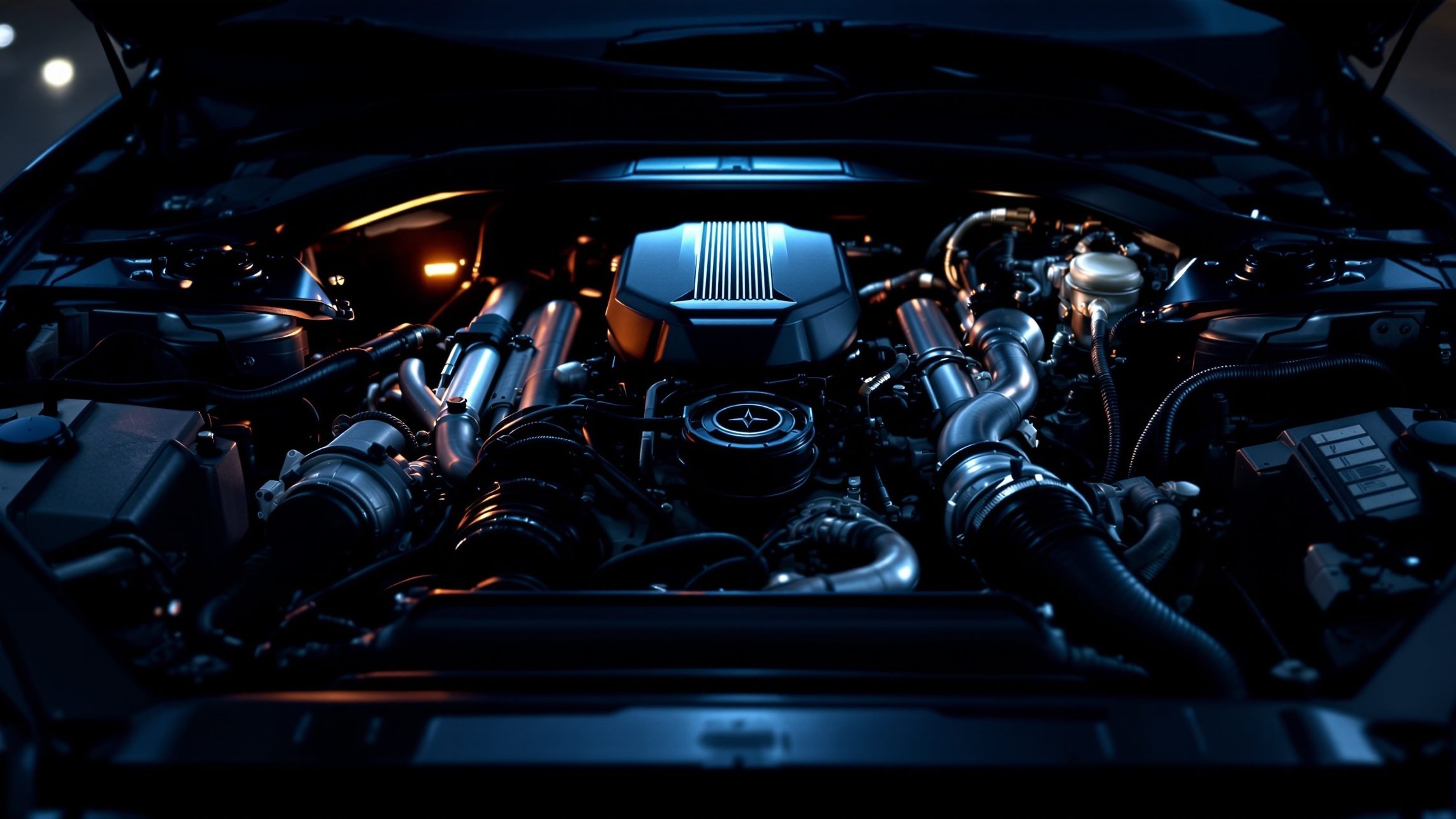
Performance tuning is where engineering meets personality. It’s the craft of shaping how a vehicle accelerates, responds, and feels—transforming factory settings into something sharper, quicker, and uniquely yours. Performance Tuning Methods dives into the techniques enthusiasts and professionals use to unlock hidden potential, from ECU remapping and air–fuel optimization to suspension tuning, drivetrain upgrades, and weight reduction strategies. This hub explores how software and hardware work together, why balance matters more than peak numbers, and how smart tuning improves drivability as much as raw speed. You’ll learn how throttle response, torque curves, gearing, and cooling systems influence real-world performance, and how modern tuning adapts to turbocharged engines, hybrids, and EV platforms. Whether your goal is track precision, street responsiveness, or efficient power gains, this section breaks down the methods that matter—and the tradeoffs that come with them. Explore the articles below to build faster reactions, cleaner power delivery, and a deeper understanding of what truly makes a car perform.
A: Yes, when conservatively calibrated with proper support mods.
A: It can—check manufacturer and local regulations.
A: Often yes, depending on ignition timing and boost.
A: Custom dyno tunes offer precision for your setup.
A: Proper tuning can improve both ride and control.
A: When traction, cooling, or reliability can’t keep up.
A: Yes—mainly in response, thermal management, and limits.
A: Often after airflow and cooling upgrades.
A: When major hardware changes are made.
A: Tires and driver skill deliver the biggest gains.