
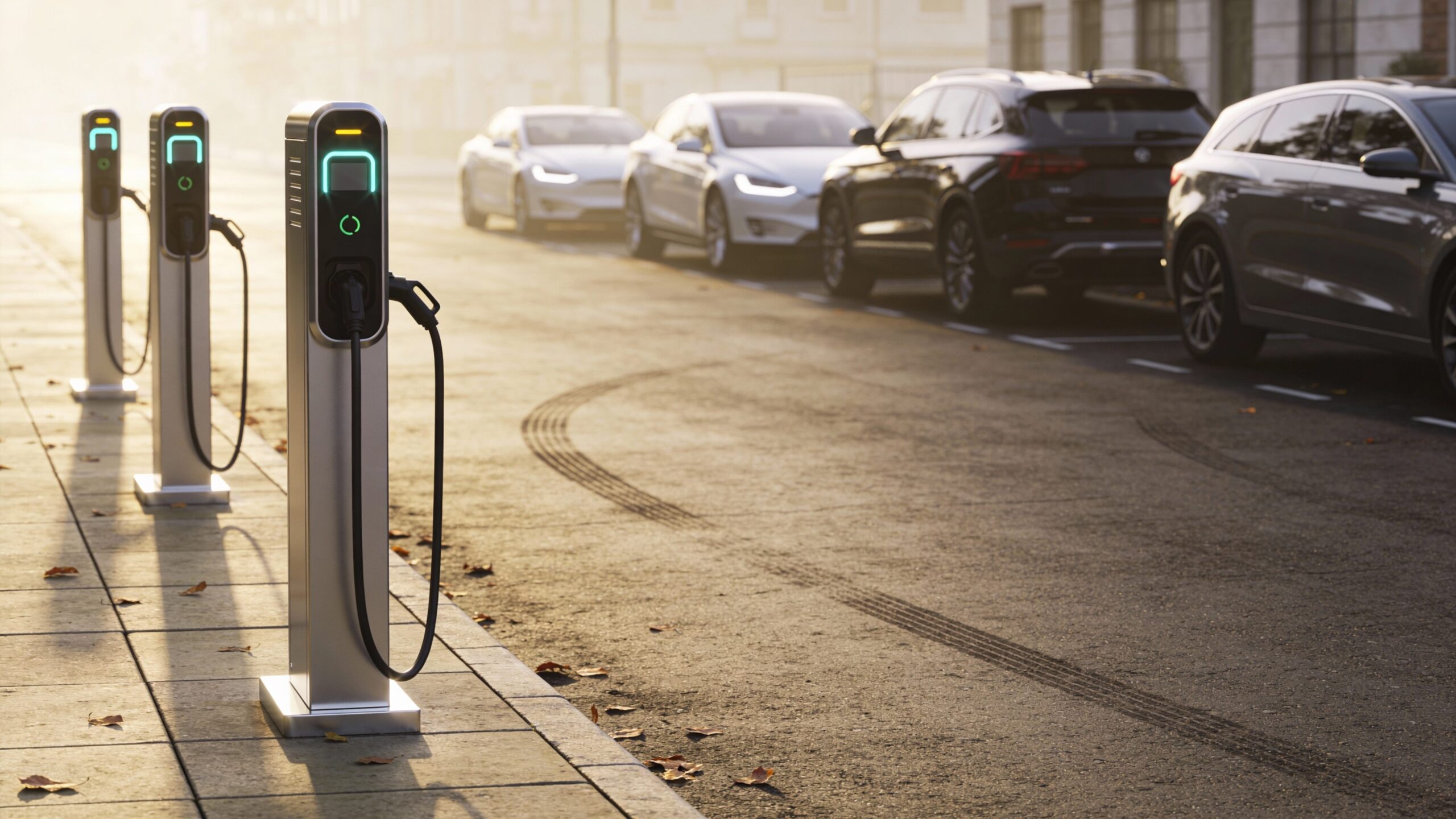
Charging infrastructure is the hidden highway system that makes electric driving feel effortless. It’s not just “a plug”—it’s a growing network of home chargers, workplace stations, curbside options, and high-power fast chargers built for road trips, errands, and everything in between. When it works well, charging disappears into the background: you park, connect, and come back to a ready-to-go vehicle. When it doesn’t, the details matter—connector types, station reliability, power levels, payment systems, and how smart routing guides you to the right charger at the right time. On Auto-Street, Charging Infrastructure is where the real-world EV experience comes into focus. We break down Level 1, Level 2, and DC fast charging, explain how speed is shaped by both the station and the car, and explore the hardware, software, and grid upgrades powering the future. Whether you’re planning a home setup, mapping a multi-state trip, or tracking the next wave of charging tech, this category helps you connect with confidence and drive farther with less friction.
A: Level 2 uses the car’s onboard charger; DC fast feeds the battery directly.
A: Batteries taper power near full to reduce heat and stress.
A: Not required, but Level 2 home charging is the easiest daily setup.
A: Use route planning that considers charger type, availability, and your car’s charge curve.
A: It can reflect time on the equipment rather than energy delivered.
A: Cable issues, station faults, network outages, or handshake errors.
A: Occasional fast charging is normal; frequent high-heat sessions can add wear over time.
A: Yes—some locations split power between stalls, affecting speed.
A: Usually no—many drivers target 70–90% for daily use unless needed.
A: Arrive with a warm battery and a low state of charge.