
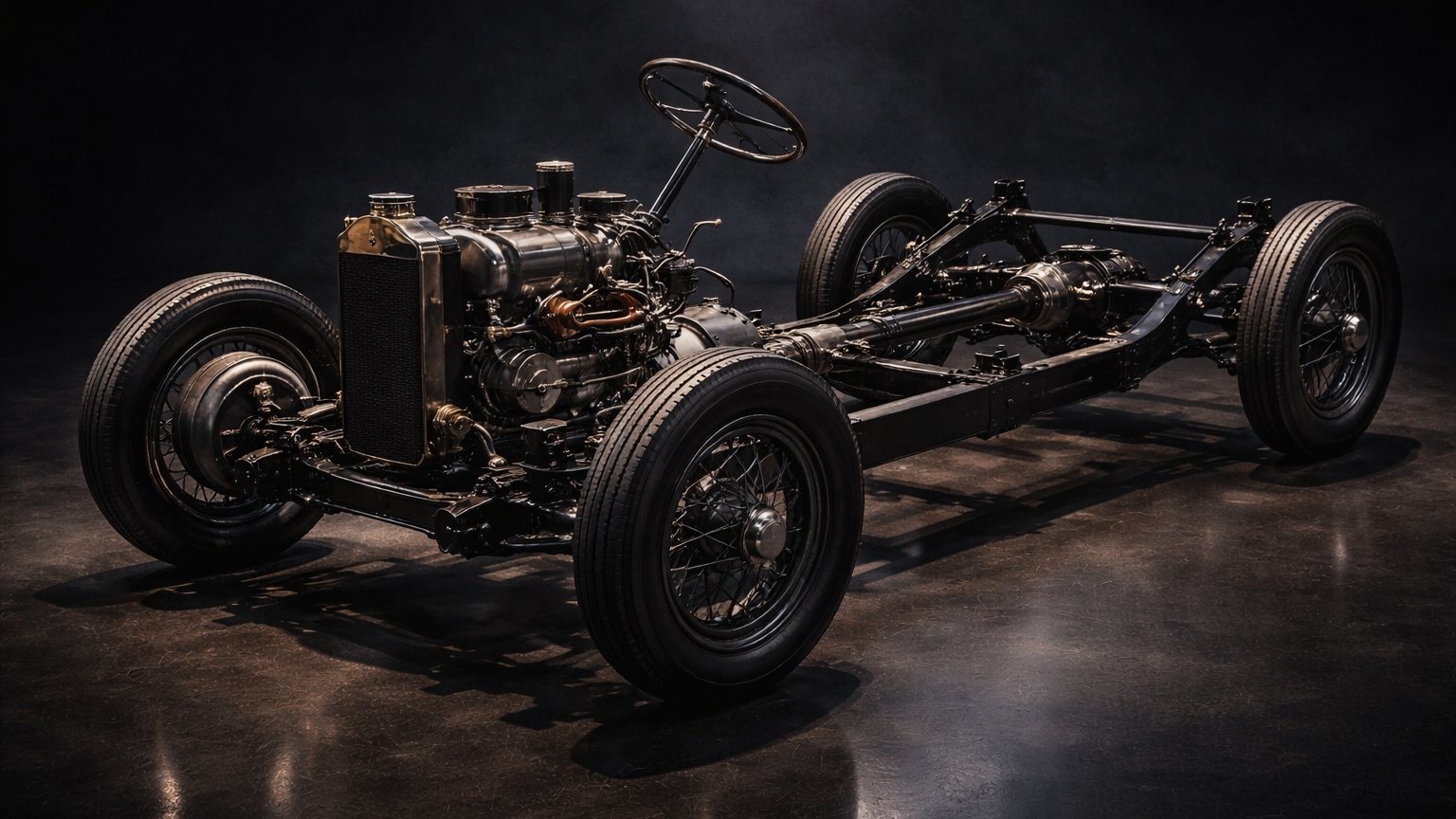
Automotive innovation didn’t happen overnight—it was built step by step through bold experiments, mechanical breakthroughs, and ideas that reshaped how the world moves. Historic Technologies on Auto-Street explores the inventions, systems, and engineering milestones that laid the foundation for modern vehicles. From carburetors and drum brakes to manual chokes, leaf-spring suspensions, and early automatic transmissions, this section dives into the technology that defined entire automotive eras. Understanding historic automotive technology adds depth to today’s cars. Many modern systems—fuel injection, stability control, hybrid drivetrains—evolved directly from earlier mechanical solutions. By tracing where these ideas began, you gain a clearer appreciation for how far automotive design has come and why certain concepts still influence engineering decisions today. This category is perfect for enthusiasts, restorers, students, and curious drivers who want more than surface-level nostalgia. Historic Technologies celebrates the machines, materials, and mechanics that powered generations of vehicles before digital dashboards and electric motors took over. It’s not just a look back—it’s a deeper understanding of the roots that continue to shape the road ahead.
A: Fuel injection improved efficiency and reliability.
A: Yes, mainly on rear axles.
A: Electronic ignition systems.
A: Overhead valves improved performance.
A: Very few compared to today.
A: Separate body and chassis construction.
A: To enrich fuel during cold starts.
A: They were innovative but less refined.
A: Alternators.
A: Yes, they influence modern design.