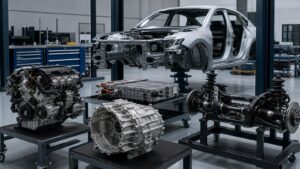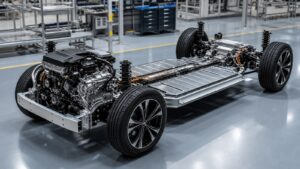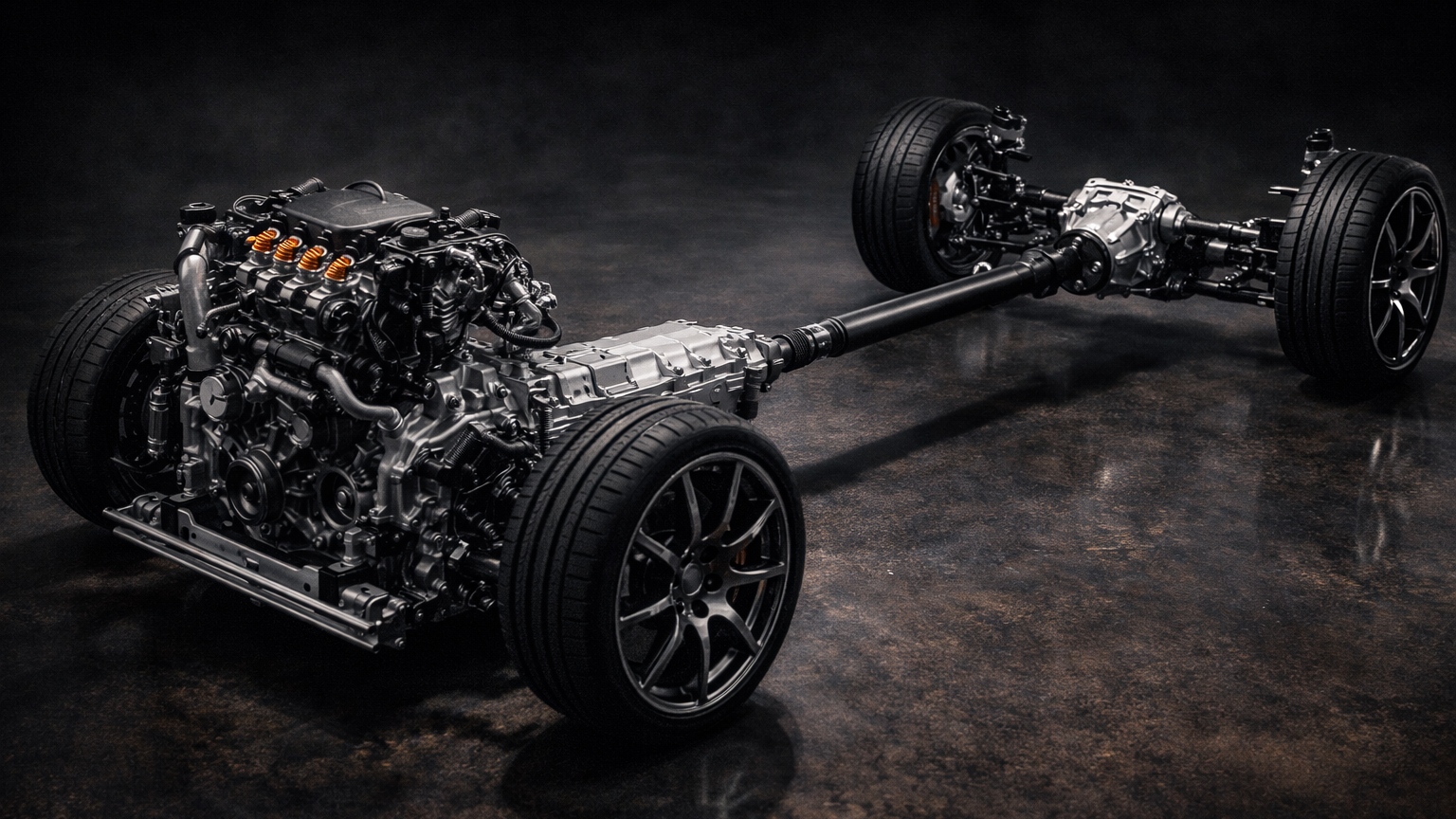
Powertrain Architectures is where the personality of a vehicle truly begins. Every launch, shift, and corner is shaped by how power is created, managed, and delivered to the road. This section breaks down the big design decisions behind modern mobility—revealing why two vehicles with similar horsepower can feel completely different once you drive them. Here, we explore front-wheel drive, rear-wheel drive, all-wheel drive, and four-wheel drive layouts, along with the engine and motor configurations that feed them. You’ll dive into inline engines, V layouts, flat engines, hybrids, plug-in hybrids, full electric systems, and emerging multi-motor setups. We also unpack how transmissions, differentials, torque vectoring, and power electronics work together to turn energy into motion. This hub is built for anyone who wants to understand the “why” behind vehicle behavior. Whether you’re comparing platforms, shopping smarter, or simply fascinated by how engineering shapes feel and capability, Powertrain Architectures gives you a clear map of the drivetrain world—showing how layout choices influence efficiency, traction, towing, performance, and everyday confidence.
A: AWD is usually automatic; 4WD often adds low range for off-road use.
A: Often yes, due to weight over the drive wheels and predictable behavior.
A: It improves balance and separates steering from acceleration.
A: Many do, but designs vary widely by system type.
A: Motors deliver instant torque with minimal delay.
A: A system that shifts torque side-to-side for better cornering control.
A: Not directly—tires and brakes matter most for stopping.
A: It lets wheels rotate at different speeds while turning.
A: Many are, but durability varies by design and maintenance.
A: The one that fits your driving, weather, and needs.