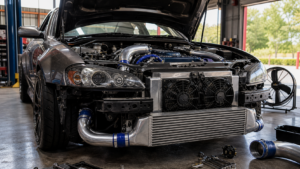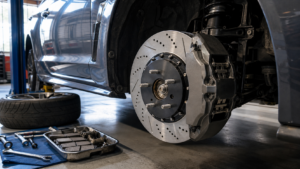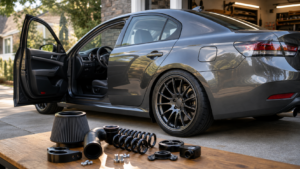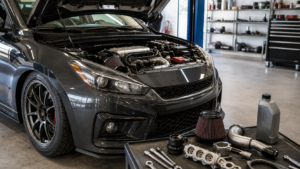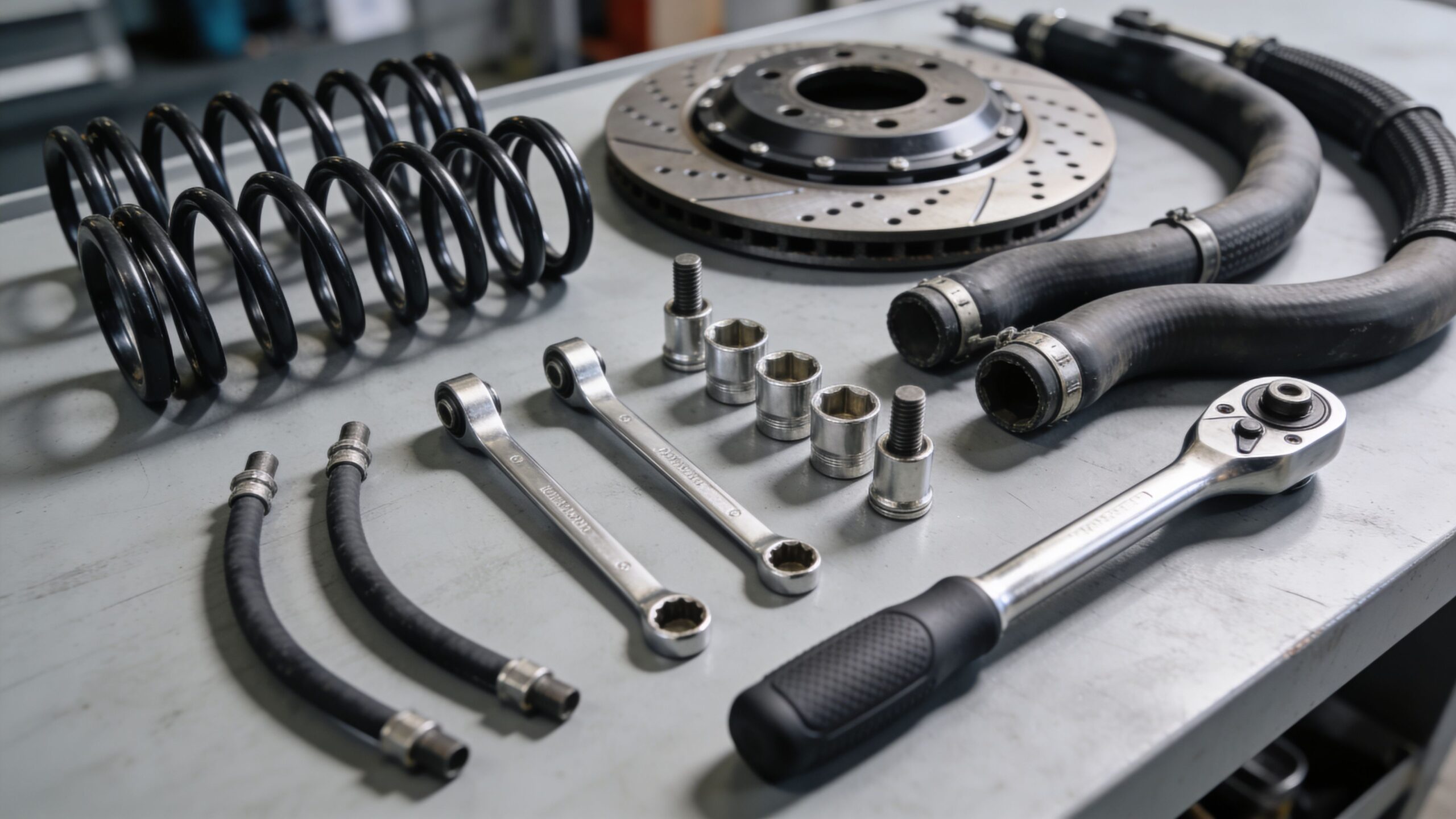
Aftermarket Modifications is where a stock vehicle becomes your vehicle—tuned to your roads, your taste, and your goals. This hub is built for curious beginners and seasoned builders alike, turning the world of upgrades into clear, confidence-building steps. Explore mods that change how a car feels (suspension, tires, brakes), how it sounds (exhaust, intake), and how it performs (tuning, cooling, drivetrain support). Learn the difference between cosmetic and functional upgrades, why “bolt-on” isn’t always plug-and-play, and how one change can ripple into alignment, fitment, warranty, emissions rules, and reliability. We’ll cover smart planning—priorities, budgets, and installation order—so you don’t overspend on parts that fight each other. Expect real-world guidance on avoiding check-engine headaches, preventing noise and vibration issues, and building a setup that stays enjoyable long after the first drive. Whether you’re chasing a cleaner stance, sharper handling, better towing control, or a track-ready feel, this category helps you mod with purpose—and drive with pride. Dive in and start building.
A: Tires—then alignment and brakes if needed. It’s the biggest real-world upgrade per dollar.
A: It can if travel is reduced too much; quality dampers and sensible drop amounts help.
A: Yes—always. Even small changes can shift toe and camber significantly.
A: Changes can affect sensor readings; scan codes first to diagnose rather than guessing.
A: No—sound and flow aren’t the same. Tone, resonators, and design matter.
A: Parts that protect reliability—cooling, mounts, fluids, and drivetrain upgrades as power rises.
A: Check tire height, wheel width, offset, and clearance at full lock and suspension compression.
A: Sometimes—depends on the vehicle and changes; a tune can optimize performance and prevent issues.
A: They can—especially emissions-related parts and tuning; research local rules and keep stock parts.
A: Define goals, set a budget, choose an upgrade order, and test changes one step at a time.