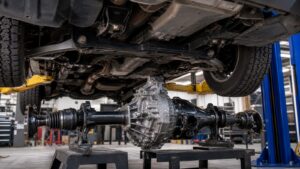
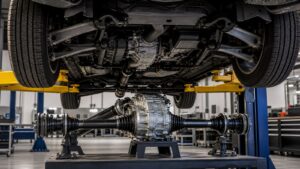
Drivetrain Systems is where power becomes movement. It’s the mechanical handshake between your engine or motor and the road—shaping traction, feel, durability, and capability in every mile. While horsepower gets the headlines, the drivetrain is what decides how confidently that power launches, climbs, corners, and holds its line when conditions get messy. In this section, we explore the full drivetrain ecosystem: transmissions, differentials, driveshafts, axles, CV joints, transfer cases, and the control systems that help manage torque. You’ll learn how front-, rear-, and all-wheel-drive setups route power, why some vehicles use locking differentials or limited-slip designs, and how modern tech like torque vectoring and electronic traction control can transform handling and stability. We also spotlight EV drivetrains—where reduction gears, inverters, and multi-motor layouts rewrite old rules. This hub is built for curious drivers, DIY learners, and serious enthusiasts who want to understand what’s happening underneath the cabin floor. Whether you’re shopping, wrenching, or geeking out, Drivetrain Systems helps you decode how vehicles truly put power down.
A: Transmission, driveshafts, differentials, axles, and related torque-routing parts.
A: AWD is usually automatic; 4WD often adds low range and off-road hardware.
A: It lets left and right wheels turn at different speeds in a corner.
A: A diff that reduces one-wheel spin by sharing torque.
A: For deep off-road traction where wheels may lift or slip.
A: Not much—tires and brakes dominate braking performance.
A: Imbalanced shafts, worn joints, alignment issues, or mounts.
A: Maintain fluids, fix leaks early, and avoid overheating under load.
A: Often yes mechanically, but they add complex electronics and cooling.
A: Match it to weather, terrain, towing needs, and driving style.