
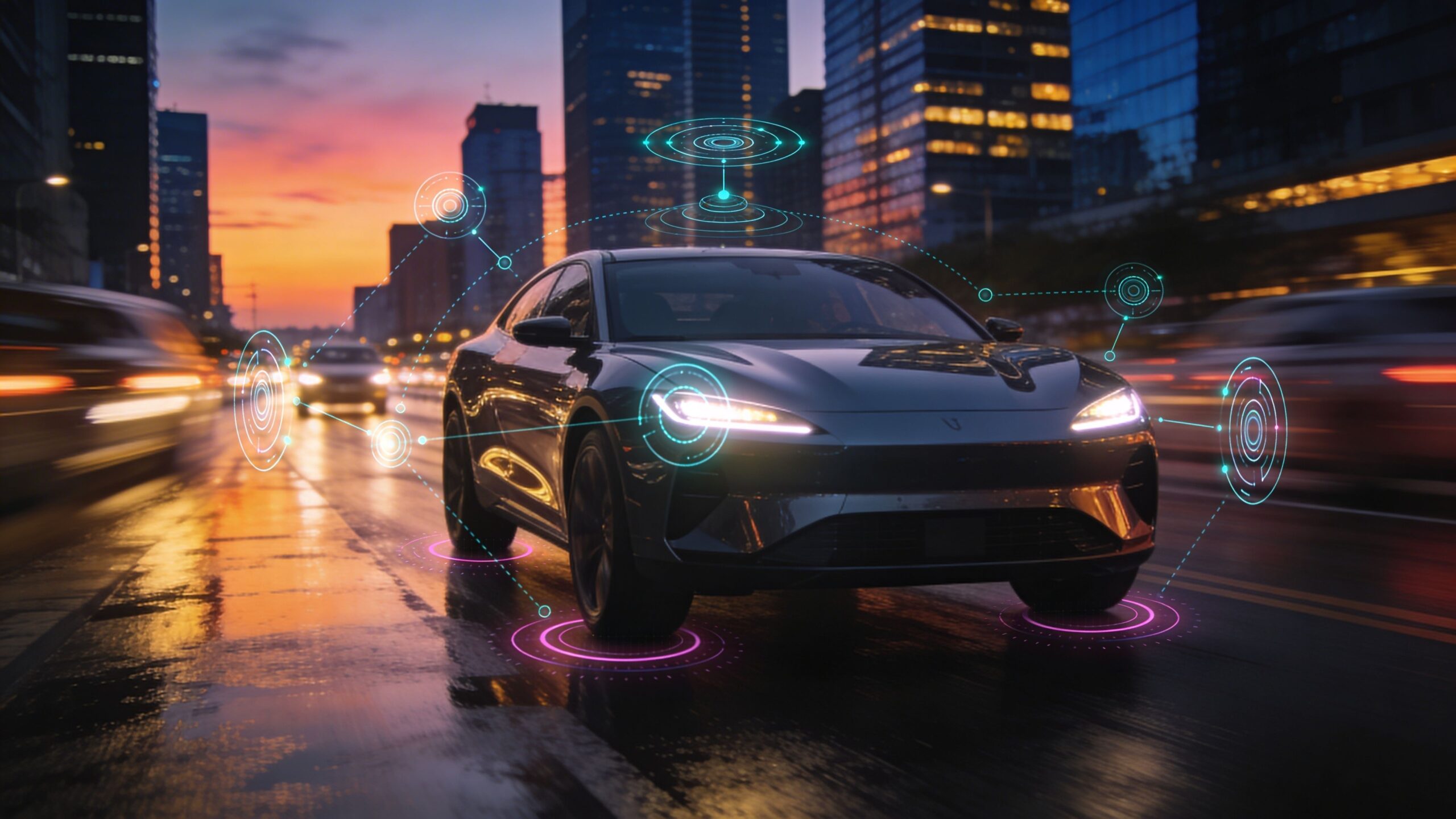
Artificial intelligence is rapidly transforming the automotive world, turning ordinary vehicles into intelligent machines capable of learning, adapting, and assisting drivers in ways that once belonged only in science fiction. From self-driving technology and predictive safety systems to smart navigation and vehicle health monitoring, AI is becoming the digital brain behind modern transportation. Today’s vehicles analyze traffic patterns, interpret sensor data, recognize pedestrians, and even anticipate potential hazards before drivers notice them. Across the automotive industry, manufacturers and technology companies are building systems that combine cameras, radar, lidar, and advanced machine learning to create safer and more efficient driving experiences. AI now powers adaptive cruise control, automated parking, driver-monitoring systems, and voice-activated vehicle assistants that understand natural language. At the same time, artificial intelligence is helping engineers design better cars, optimize battery performance in electric vehicles, and improve manufacturing efficiency. This section of Auto-Street explores the exciting intersection of artificial intelligence and modern mobility. Dive into the articles below to discover how AI is reshaping cars, redefining driving, and steering the future of transportation toward smarter, safer roads.
A: It analyzes sensor data to assist with navigation, safety, and automated driving tasks.
A: Most vehicles still require driver supervision despite advanced automation.
A: Cameras, radar, and lidar sensors feed information to machine learning systems.
A: Yes, predictive safety systems warn drivers and react faster to hazards.
A: Software updates and data training continually refine AI driving models.
A: Yes, it manages battery performance, efficiency, and range prediction.
A: Some experimental systems use vehicle-to-vehicle data sharing.
A: Fully autonomous driving is still developing and depends on regulations and technology.
A: Yes, many systems can steer and maneuver vehicles into parking spaces automatically.
A: Advanced driver-assistance systems are designed to reduce human error and improve safety.