
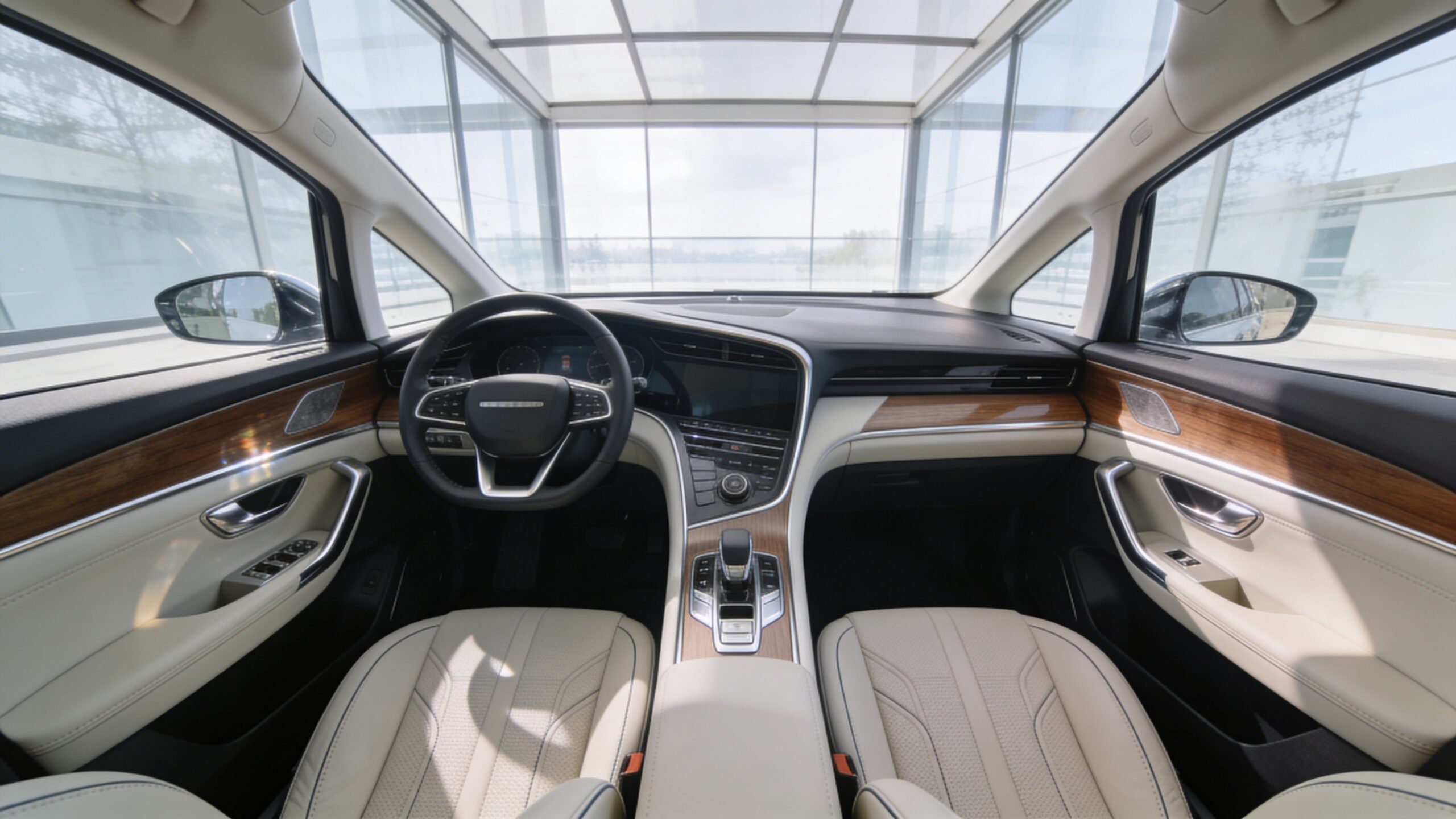
Cabin ergonomics is where comfort meets control—where every seat contour, control placement, and line of sight shapes how a vehicle feels on the road. It’s not just about luxury or aesthetics; it’s about how naturally your body interacts with the machine. From steering wheel reach to pedal spacing, from seat support to infotainment positioning, every detail influences fatigue, focus, and driving confidence over time. On Auto-Street, our Cabin Ergonomics hub explores the science and design behind modern vehicle interiors. We break down how manufacturers balance human factors, safety, and usability—whether you’re commuting daily, road-tripping for hours, or pushing your vehicle to its limits. Expect deep dives into seating posture, driver visibility, control layouts, and emerging innovations like adaptive interiors and digital cockpits. If you’ve ever wondered why some cabins feel instantly “right” while others don’t, this is where you’ll find the answers—and the insights to choose smarter.
A: Slight bend in arms and knees with clear forward visibility.
A: Better ergonomic alignment and control placement.
A: Adjust seat, lumbar support, and steering reach properly.
A: They can reduce eye movement if well designed.
A: Poor lumbar support and incorrect seat angle.
A: Yes, they directly affect visibility and comfort.
A: Not always—it depends on design, not size.
A: Yes, especially seat and steering adjustments.
A: Yes, it affects comfort, safety, and reaction time.
A: Sitting too far from the steering wheel.