
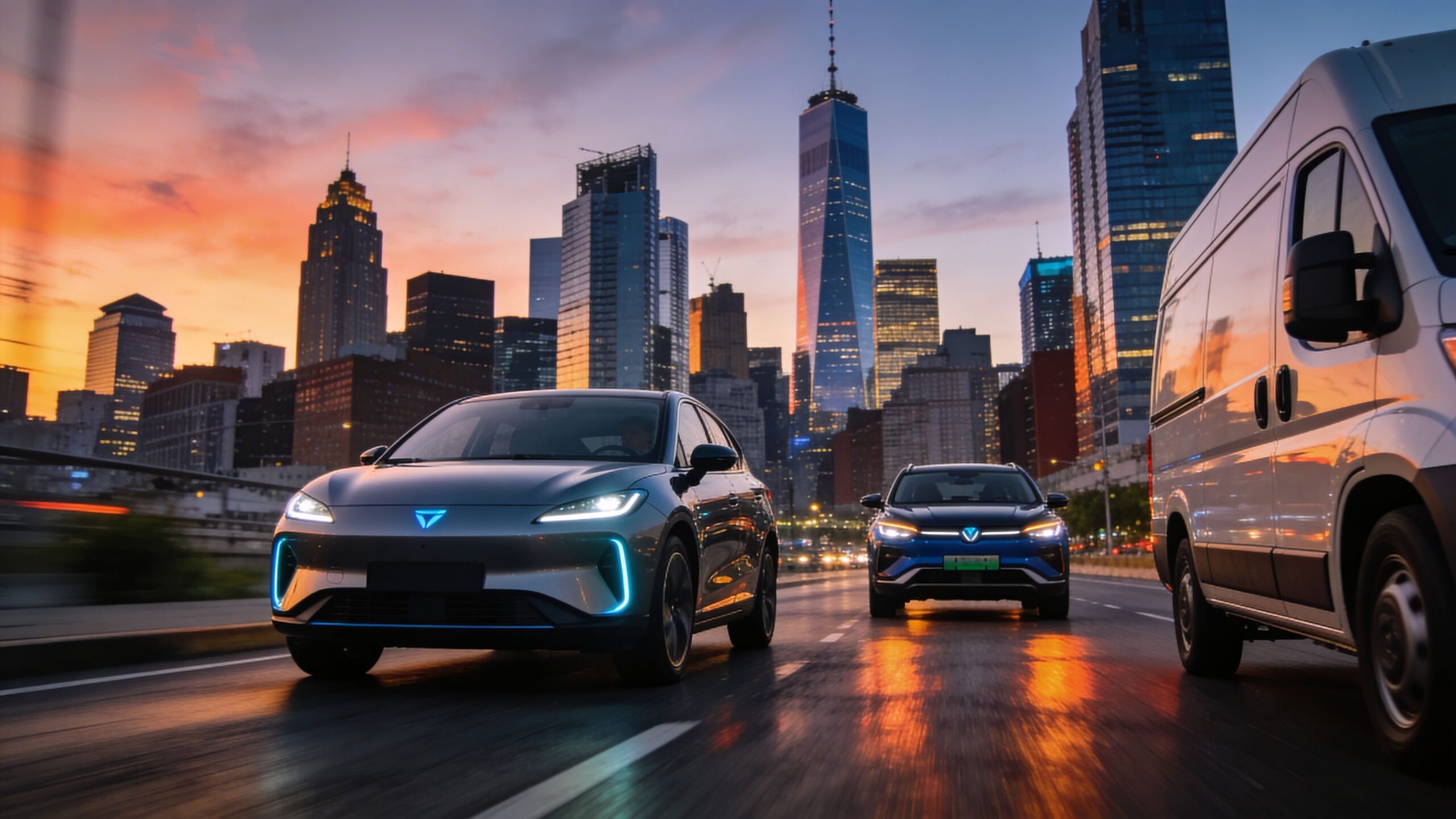
Global automotive markets are moving faster than ever, shaped by shifting consumer demand, emerging technologies, regional regulations, and economic forces that ripple across every corner of the industry. From booming electric vehicle adoption in some regions to renewed interest in hybrids, affordable crossovers, connected cars, and smarter manufacturing, the worldwide auto landscape is constantly evolving. Automakers, suppliers, investors, and drivers are all watching these trends closely because what happens in one market often influences what comes next everywhere else. In this section of Auto-Street, we explore the big patterns driving change across the global automotive business. You’ll discover how pricing pressures, supply chain changes, battery demand, trade policies, new mobility habits, and fast-moving innovation are shaping the vehicles people buy and the strategies companies pursue. Whether the story is unfolding in North America, Europe, Asia, or emerging markets, global trends reveal where the industry is headed next. Dive into the articles below to track the ideas, opportunities, and market shifts redefining the future of cars on a worldwide scale for drivers, brands, and technology leaders alike.
A: They are the major patterns shaping vehicle demand, pricing, technology, and production around the world.
A: They influence what vehicles are available, how much they cost, and which features become common.
A: No, adoption varies based on incentives, charging networks, energy prices, and consumer needs.
A: They can impact model availability, delivery times, parts costs, and final vehicle prices.
A: Regulations can push automakers toward cleaner powertrains, added safety tech, and new manufacturing strategies.
A: Yes, many markets see hybrids as a practical bridge between gas and fully electric vehicles.
A: To reduce costs, serve regional demand, avoid tariffs, and strengthen supply chains.
A: Yes, new vehicle supply and demand patterns often influence used vehicle pricing and availability.
A: Electrification, software integration, and connected technology are among the biggest forces.
A: Yes, the automotive industry is evolving rapidly as technology, policy, and consumer priorities shift.