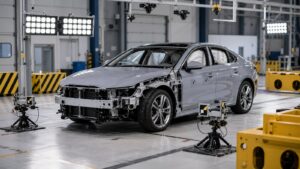
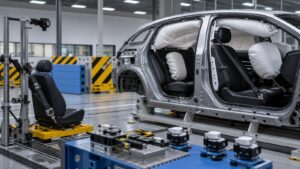
Welcome to Safety Systems & Standards on Auto-Street, where protection is engineered long before the key turns. Modern vehicles are rolling safety networks, blending passive structures that absorb impact with active technologies that sense danger and react in milliseconds. From reinforced cabins, airbags, and crumple zones to electronic stability control, collision avoidance, and driver monitoring, safety is no longer a single feature but a coordinated system. Behind every rating and regulation sits a global framework of standards that shape how cars are designed, tested, and approved for the road. This category explores how those systems work together, why standards matter, and how evolving rules respond to new realities like electrification, autonomy, and connected driving. You will uncover how crash tests translate to real-world protection, how software now plays a role in keeping drivers alert, and how safety innovations quietly become everyday expectations. Whether you are curious about ratings, regulations, or the technology that protects you and your passengers, Safety Systems & Standards reveals the unseen engineering that turns motion into confidence. Built for every journey.
A: Active helps avoid crashes; passive protects during impact.
A: They usually indicate stronger protection, but context matters.
A: No, they assist—not substitute—attentive drivers.
A: Regularly, as technology and research advance.
A: Yes, with additional battery-specific protections.
A: Yes, many systems are software-driven.
A: They’re tuned for early warnings and prevention.
A: No, standards vary globally.
A: Seatbelts remain the most effective.
A: Maintain the car and stay engaged.