
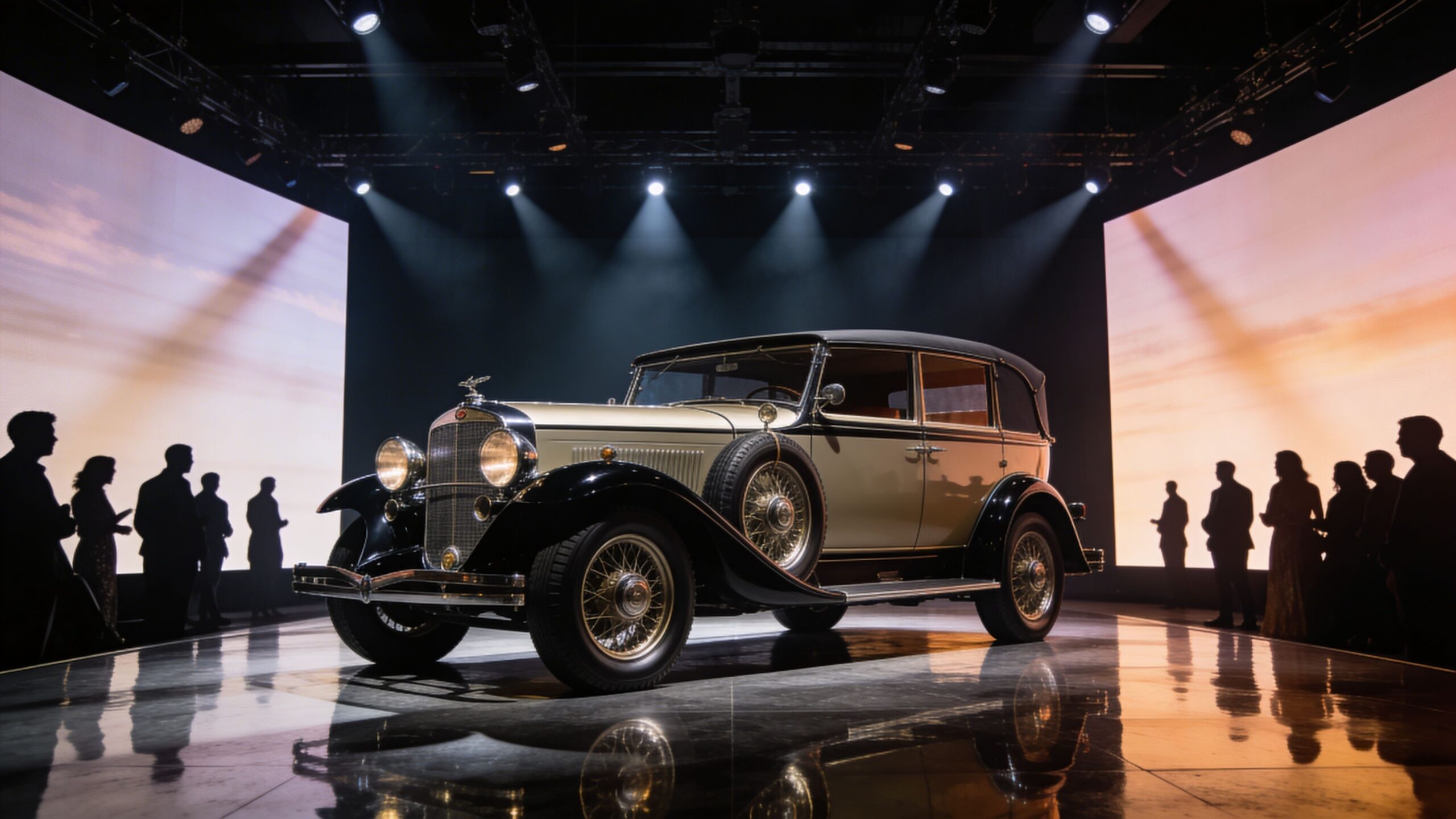
Auctioned Screen Vehicles is where cinematic history meets collector passion, mechanical fascination, and the thrill of the bid. This Auto-Street category explores the unforgettable cars, trucks, pursuit machines, custom builds, and hero vehicles that once lived on screen and later crossed the auction block into private hands. These articles look beyond the hammer price to uncover the stories, provenance, design details, production roles, and pop-culture impact that make screen-used vehicles so desirable. Some are famous for explosive action scenes, others for subtle visual presence, but all carry the aura of film and television history. From restored icons and stunt survivors to one-off customs and screen-matched collectibles, these machines blur the line between transportation, prop design, and memorabilia. This section celebrates the drama of the auction stage and the legacy of the vehicles themselves. Whether you are drawn to rare movie cars, TV legends, collector trends, or the hidden details that separate replicas from real survivors, Auctioned Screen Vehicles is your place to explore the stories behind the sale and the machines that continue to captivate audiences long after filming ended.
A: It is a vehicle tied to film or television that has later been offered for sale through an auction.
A: Provenance, screen use, rarity, franchise importance, condition, and originality all matter.
A: Not always. Stunt vehicles can be extremely desirable if they played a major on-screen role.
A: It helps prove the vehicle’s identity, production history, and authenticity.
A: No. Replicas may be impressive, but authentic production-used vehicles usually carry much greater collector value.
A: It depends on the collector’s goals, but originality and production wear can be valuable assets.
A: Some can, while others are best treated as display pieces or require significant recommissioning.
A: It means visible features of the vehicle align with what appears in the finished production.
A: They combine automotive design, entertainment history, rarity, and emotional nostalgia.
A: No. Cultural importance and story often drive value more than performance or condition alone.