
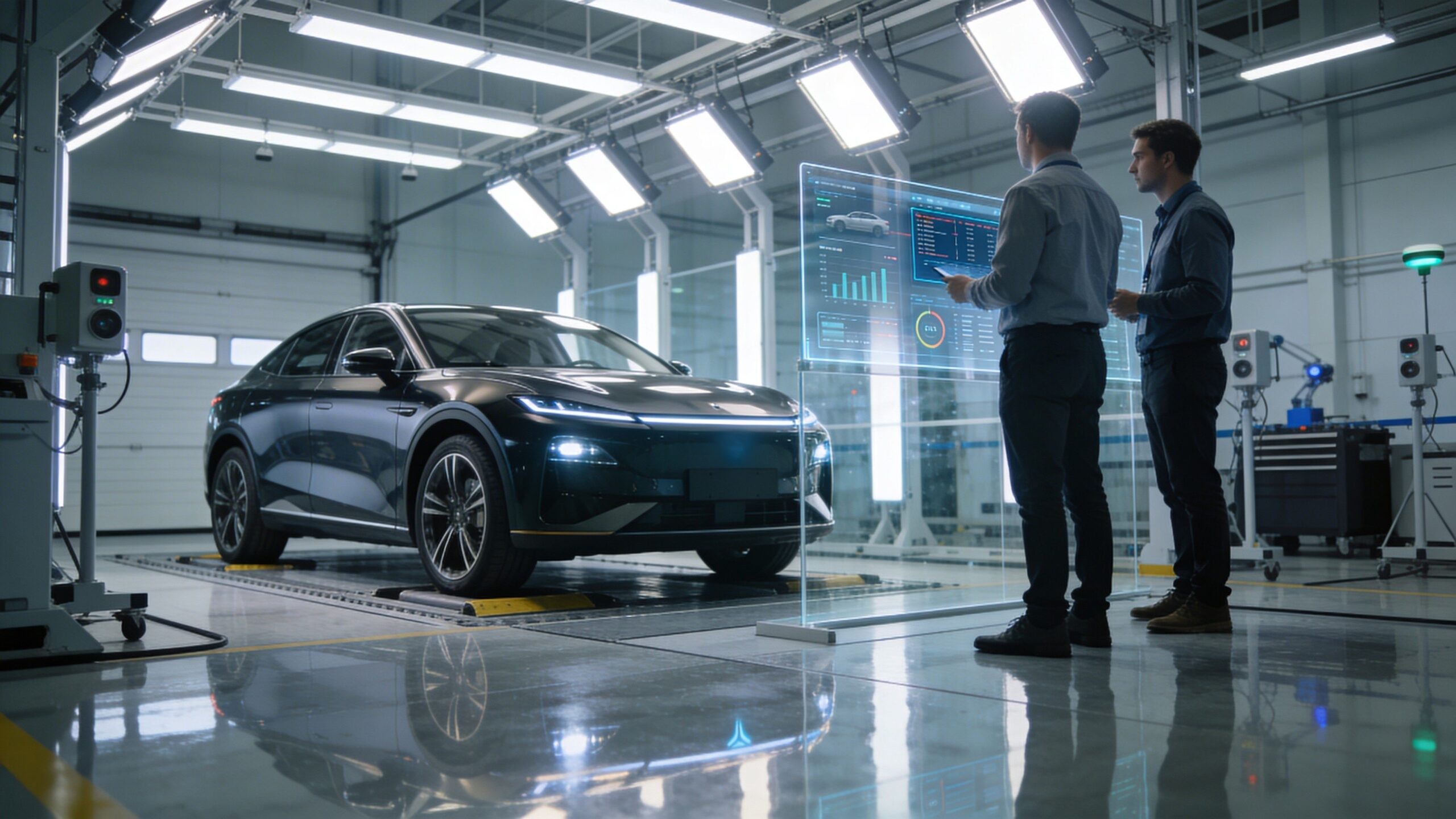
Regulations and policy decisions shape the automotive world far more than most drivers ever realize. Behind every new safety feature, emissions standard, tax credit, import rule, and electric vehicle incentive is a web of laws and policies that influence what cars are built, how they perform, where they are sold, and how much they cost. From fuel economy requirements and crash-test standards to battery sourcing rules and autonomous vehicle legislation, policy is one of the most powerful forces steering the future of mobility. In this section of Auto-Street, we explore how government action, industry standards, and international agreements are transforming the vehicles on today’s roads and the innovations coming next. These articles dive into the rules affecting automakers, suppliers, dealers, investors, and everyday drivers across global markets. Whether the focus is EV incentives, emissions targets, trade regulations, software compliance, or self-driving oversight, policy changes often ripple through the entire industry. Dive into the stories below to better understand how regulations influence design, pricing, technology, and competition—and why the road to the future of transportation is being shaped in boardrooms, labs, and legislative chambers alike.
A: It refers to how laws, standards, and government decisions shape vehicles, pricing, technology, and market direction.
A: They affect vehicle safety, fuel economy, emissions, available features, and sometimes purchase incentives.
A: Yes, incentives, battery rules, emissions targets, and charging policy can all accelerate EV adoption.
A: Yes, tariffs, compliance costs, tax credits, and sourcing rules can all change final pricing.
A: Standards evolve as technology improves and regulators respond to new risks and crash data.
A: Yes, emissions, safety, software, and import rules often vary widely by region.
A: It determines how autonomous systems are tested, supervised, certified, and legally deployed.
A: Yes, fuel economy rules and emissions targets often influence hybrid development and adoption.
A: Yes, well-designed rules often push automakers to improve efficiency, safety, and new technology.
A: Absolutely, because future mobility depends as much on rules and standards as on engineering breakthroughs.