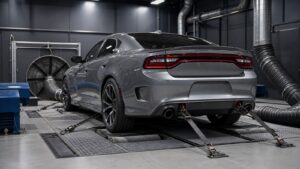
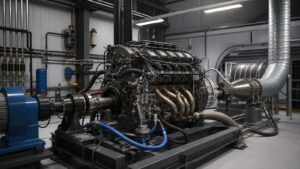
Horsepower and torque are Auto-Street’s favorite two-word debate, but they’re really a tag team—force and speed working together to create acceleration, top-end pull, and that unmistakable “push” into the seat. Torque is the twisting muscle at the crankshaft, the raw leverage that gets mass moving. Horsepower is how quickly that torque can do work, the rate of delivering force over time, and the reason high-rev engines can feel relentless once they’re on song. In Horsepower & Torque Science, you’ll explore what dyno charts actually mean, why gearing can make a modest engine feel explosive, and how traction, tire grip, and aerodynamics decide what power you can truly use. We’ll break down torque curves, horsepower peaks, drivetrain losses, and the real physics behind 0–60, passing power, towing confidence, and track pace. If you’ve ever wondered why some cars surge early while others wake up late, this is your roadmap to understanding performance—measured, engineered, and felt.
A: Both; torque shapes feel, horsepower sustains speed as RPM rises.
A: Weight, gearing, traction, and a broader torque curve can dominate.
A: Smooth curves, strong midrange, and where power holds—not just peak numbers.
A: Not if traction, heat, or fueling limits force the ECU to pull back.
A: Yes—gears, bearings, and fluid drag reduce what reaches the tires.
A: Heat soak raises intake temps and triggers timing/boost reductions.
A: Absolutely—more grip lets you apply more torque sooner.
A: It’s horsepower divided by mass—often a better predictor of speed than peaks alone.
A: The concept applies, but electric torque delivery and gearing are very different.
A: Improve traction and reduce weight before chasing bigger peak numbers.