
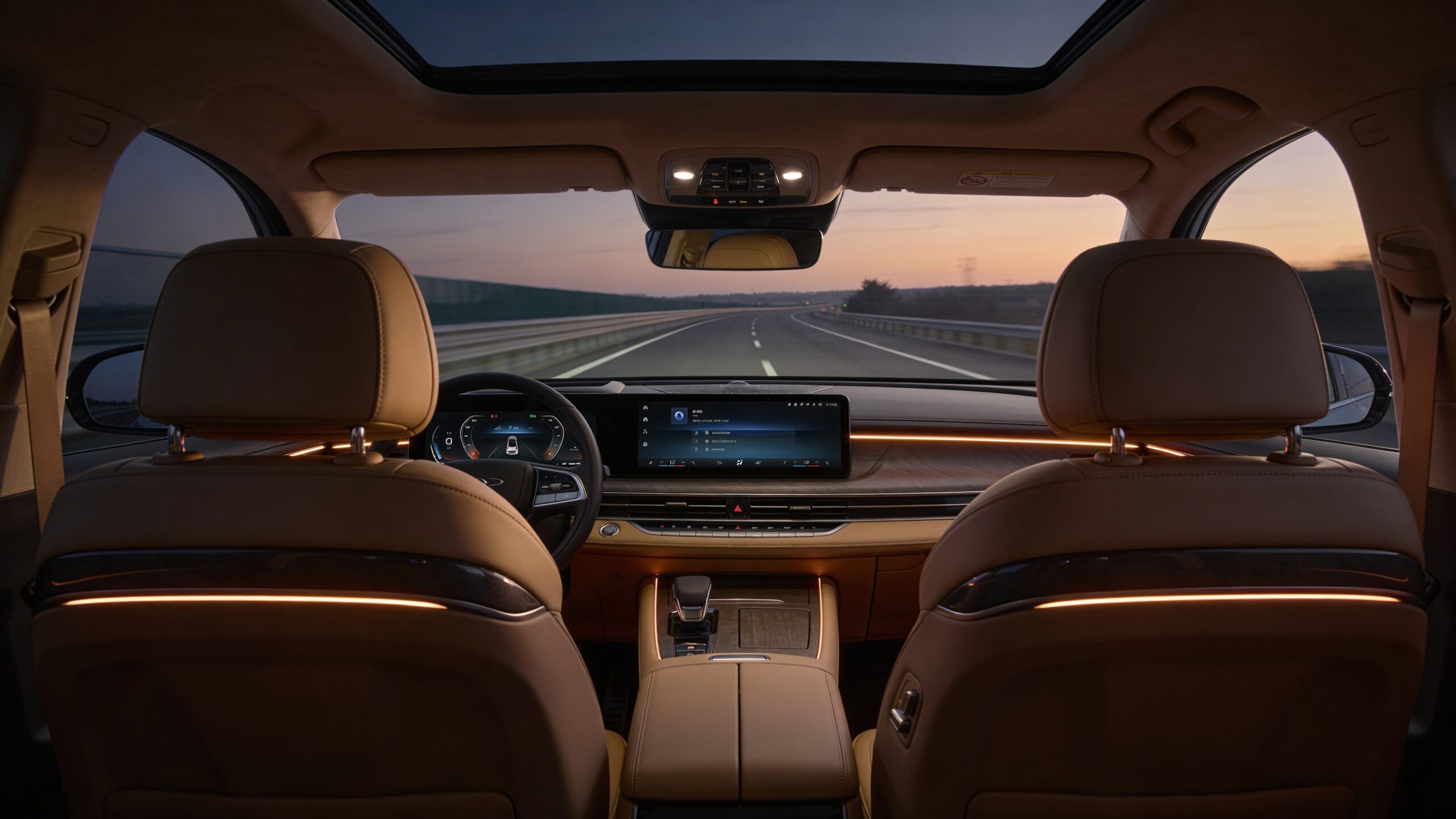
Driver assistance technologies have reshaped the modern driving experience, turning the car from a purely mechanical machine into an active partner in observation, response, and control. Cameras, radar, ultrasonic sensors, and software now work together to monitor lanes, detect obstacles, manage following distance, and support the driver in situations that once relied entirely on human judgment. What can seem like a simple convenience feature often reflects a far more complex network of sensing, processing, and decision-making. This section explores the systems behind lane keeping, adaptive cruise control, blind spot monitoring, emergency braking, parking assistance, and more. It looks at how these technologies gather information, how they interpret changing road conditions, and where their strengths and limits become most important. From everyday commuting to high-speed highway travel, driver assistance technologies shape how vehicles communicate risk, reduce workload, and support awareness. Taken together, they reveal a major shift in automotive design: not just helping drivers react faster, but helping vehicles anticipate the road ahead with greater clarity and precision across demanding traffic, weather, and constantly changing environments.
A: No. They support the driver, but they do not remove the need for attention and control.
A: Faded lane markings, weather, glare, or dirty cameras can reduce system confidence.
A: Yes, many systems can reduce speed automatically to maintain a selected gap.
A: One warns when drifting begins; the other can add steering input to help stay centered.
A: No. It can reduce severity or avoid some impacts, but conditions and speeds matter.
A: Yes. Clean sensors, proper alignment, and correct calibration all affect performance.
A: Yes. Vehicles with camera-based systems often require recalibration afterward.
A: System logic changes based on closing speed, traffic angle, and driving conditions.
A: No. They help at close range, but mirrors, cameras, and direct observation still matter.
A: No. Sensor combinations, software, and feature limits vary widely by vehicle and system design.