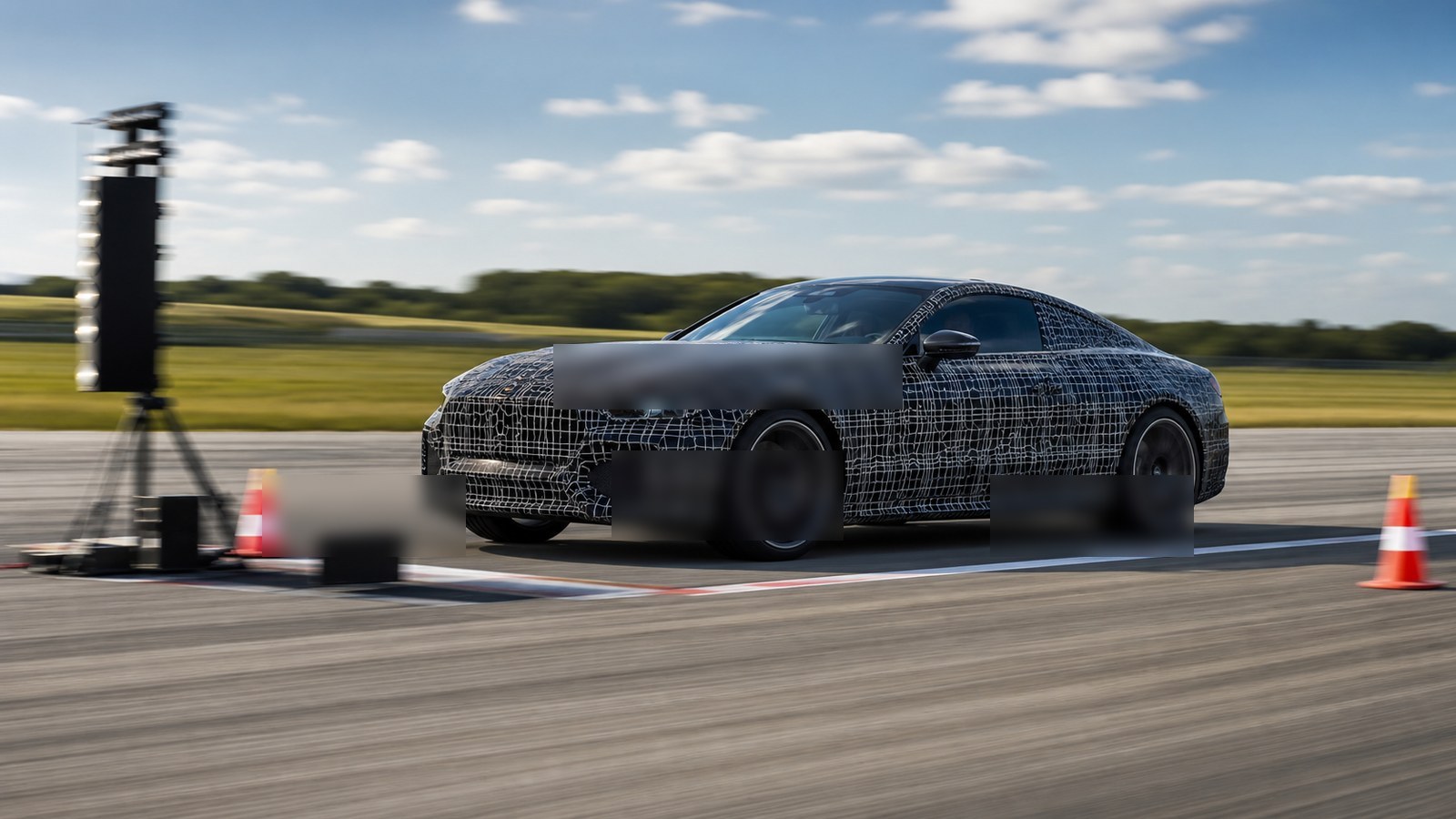
Acceleration Profiles Show The Engineering Behind Speed
Acceleration and speed profiles explain how modern cars are built because speed is created by a chain of systems: engine or motor output, gearing, tires, aerodynamics, cooling, software, suspension, and brakes. A vehicle may feel explosive from a stop, strong in the midrange, calm at highway speed, or weak once heat and drag rise. The full profile matters more than one headline number.
Acceleration Is A Full-System Result
Acceleration is often reduced to one number, but the way a vehicle gains speed is more revealing than a single zero-to-60 time. The launch, midrange pull, passing response, highway climb, top-end fade, and repeated-run consistency all show different parts of the machine. Engine output or motor torque matters, but so do tires, gearing, weight, aerodynamics, software, cooling, and traction control.
A car can feel explosive from a stop and ordinary above highway speed. Another may launch gently but pull hard once moving. A truck may feel strong under load because its torque and gearing are matched to towing. An EV may feel immediate because motor torque arrives quickly, yet its speed profile can change as battery temperature and state of charge shift.
Launch Performance Depends On Grip
The first few feet of acceleration are controlled by traction. Tires, surface, weight transfer, suspension geometry, all-wheel drive, traction control, launch control, tire temperature, and road texture all decide whether torque becomes motion or wheelspin. A powerful rear-drive car on cold tires may be slower than a lower-powered all-wheel-drive car with better launch control.
Launch numbers also depend on method. Some tests use rollout, some do not. Some allow launch control, battery preconditioning, or a prepared surface. The same vehicle can look different depending on how the test begins. Real drivers feel this when a car that is quick on paper struggles on wet pavement or rough asphalt.
Midrange Acceleration Is Everyday Speed
Most real-world acceleration happens from a roll. Passing a truck, merging onto a freeway, climbing a grade, or leaving a corner depends on midrange response. Turbocharged engines, electric motors, hybrid assistance, downshift logic, transmission gearing, and vehicle weight all shape that response. A car with modest zero-to-60 numbers can still feel excellent if it responds quickly in the speeds drivers use most.
Transmission behavior is critical here. A hesitant downshift can make a strong engine feel lazy. An EV with direct torque can feel immediate. A hybrid may fill gaps with electric assist. Acceleration profiles help explain why two vehicles with similar horsepower can feel very different in traffic.
Gearing Changes The Shape Of Speed
Gear ratios decide how long the engine stays in its power band and how many shifts interrupt acceleration. Short gearing can make a car leap forward but raise cruising rpm. Tall gearing can improve highway economy but soften response. Modern multi-speed automatics and dual-clutch transmissions use software to keep the vehicle near the right ratio for power, efficiency, or smoothness.
EVs usually rely on reduction gearing rather than many forward gears, because electric motors can operate across a wide speed range. Some performance EVs use multiple motors or multi-speed gearboxes to widen the profile. The goal is always the same: keep useful torque available at the road speed where the driver needs it.
Power-To-Weight Explains More Than Horsepower
Horsepower matters, but weight decides how much work that power has to do. A lighter sports car can feel sharper than a heavier luxury vehicle with more output. A loaded SUV, pickup, or van may accelerate very differently from its empty test numbers. Passengers, cargo, roof boxes, and trailers all change the profile.
Power-to-weight also affects braking, tire wear, and heat. Adding power without reducing weight or improving control may create a car that is faster briefly but harder to manage. Acceleration should be evaluated with the vehicle’s actual load and purpose in mind.
Aerodynamic Drag Becomes Dominant At Speed
At higher speeds, aerodynamic drag grows quickly. A boxy SUV, lifted truck, roof rack, cargo box, or open trailer fights much more air than a low sedan. This is why a vehicle can feel strong to 60 mph but less eager at highway passing speeds. It is also why EV range often drops sharply at sustained high speed.
Aerodynamics connect acceleration, top speed, cooling, noise, and efficiency. Spoilers, wings, splitters, underbody panels, grille shutters, mirrors, and ride height can all influence how air moves around the vehicle. The faster the vehicle goes, the more the shape matters.
Cooling Determines Repeatability
Acceleration creates heat in engines, motors, batteries, transmissions, differentials, tires, brakes, and cooling systems. One fast run is easier than repeated hard use. Heat soak can reduce turbocharged power, slow EV output, fade brakes, or trigger protective software. A vehicle’s true speed profile includes what happens after the first pull.
Performance cars, tow vehicles, and EVs all need thermal margin. Intercoolers, radiators, oil coolers, battery cooling, transmission coolers, airflow, and software protection decide whether acceleration stays consistent. Repeatability is often more useful than one perfect test result.
Software Shapes Modern Acceleration
Modern acceleration is heavily managed by software. Throttle mapping, traction control, stability control, shift logic, boost targets, torque limits, drive modes, launch control, battery preconditioning, and thermal protection all affect response. The accelerator pedal is no longer a simple cable; it is a request interpreted by control systems.
This can make vehicles more consistent and safer, but it can also make them feel filtered. Sport modes may sharpen response, hold gears, alter suspension, change steering weight, or relax traction control. The best software makes the vehicle feel natural while protecting hardware.
EV Acceleration Has Its Own Profile
Electric vehicles often feel quick because torque arrives immediately and shifting is minimal. All-wheel-drive EVs can distribute torque with precision, creating strong launches. But EV acceleration still depends on tires, battery temperature, state of charge, inverter limits, motor cooling, and software. A low battery or overheated pack can change output.
This is why an EV’s best acceleration number does not tell the whole ownership story. Repeated launches, highway passing, mountain driving, winter temperature, and charging stops all affect how performance feels. Electric speed is immediate, but it is still engineered.
Braking Completes The Speed Profile
Acceleration cannot be separated from stopping. A vehicle that gains speed quickly needs brakes, tires, suspension, and stability control that can manage that speed. Performance comparisons that focus only on acceleration miss half the confidence equation. Drivers care about whether the car can slow repeatedly and predictably.
Brake performance also changes with heat and load. A quick car with weak brakes becomes tiring because the driver cannot trust the speed. A balanced vehicle lets the driver accelerate, pass, merge, and descend with confidence.
Real Roads Reward Usable Speed
The most useful acceleration profile is the one that fits real driving. Smooth launch in traffic, quick passing response, stable highway merging, controlled towing, efficient cruising, and consistent heat behavior matter more than bragging rights. A car that feels fast only under perfect test conditions may not be satisfying every day.
Drivers should look at the whole profile: launch, roll-on response, gearing, weight, aero, thermal control, braking, and repeatability. Speed is not one moment. It is the way the whole vehicle responds across the miles where it is actually used.
Traction Control Changes The Launch
Traction control and launch control are now part of many acceleration profiles. The computer can reduce torque, brake a spinning wheel, manage clutch engagement, or pre-load an electric motor strategy so the vehicle launches cleanly. The best systems let the tire work near its limit without wasting motion in smoke or wheel hop.
These systems also protect hardware. Wheel hop can damage axles, mounts, and driveline parts. Too much torque on a poor surface can make a quick car slow and unstable. Electronic control does not replace grip, but it can make available grip easier to use.
Passing Power Is Often More Useful Than Launch Drama
A driver may use full launch performance rarely, but passing power matters often. The ability to accelerate from 40 to 70 mph, 50 to 80 mph, or highway speed up a grade can be more important than a stoplight sprint. This part of the profile depends on torque curve, gearing, transmission response, aero drag, and vehicle weight.
Passing power also affects confidence. A vehicle that responds cleanly needs less planning and less road space. A vehicle that hesitates, hunts for gears, or fades under heat asks the driver to wait for a bigger gap. Usable speed is a safety and comfort feature.
Top Speed Is Usually The Least Useful Number
Top speed attracts attention, but it is rarely relevant to normal ownership. It depends on power, gearing, drag, tires, stability, cooling, and electronic limits. Many vehicles are limited for tire ratings, safety, or hardware protection. A high top speed does not prove the car is better at daily acceleration.
For most drivers, stability at legal highway speeds and strong passing response matter more. The car should feel calm, cool, and controlled where it is actually driven. Speed profiles are useful because they keep the conversation broader than the biggest number.
Surface And Weather Rewrite Acceleration
Rain, snow, gravel, cold pavement, hot pavement, altitude, and headwinds can all change acceleration. A vehicle that dominates on a prepared surface may feel ordinary on a dusty road. Tire temperature and compound matter heavily. All-wheel drive helps launches, but it does not repeal physics.
Real-world acceleration should be judged with conditions in mind. Good vehicles communicate grip clearly and apply torque smoothly when the road is imperfect. The profile that matters is the one available outside ideal test conditions.
Heat Soak Changes The Profile
Heat soak is one reason repeated acceleration does not always match the first run. Turbochargers, intercoolers, intake air, coolant, oil, transmissions, tires, batteries, and inverters all warm up under load. As temperatures rise, software may reduce power to protect parts. The vehicle can still be healthy while becoming slower after repeated hard use.
This matters to real drivers because mountain roads, towing, track days, and hot highway pulls create repeated demand. A strong acceleration profile includes recovery. The car should cool itself, maintain response, and avoid warning lights when used within its intended range.
Sound Can Mislead The Driver
A loud vehicle can feel faster because sound adds emotion. Intake noise, exhaust volume, turbo noises, gear changes, and artificial sound all influence perception. That feeling can be enjoyable, but it does not always match measured acceleration. A quieter EV may be quicker than a dramatic gasoline car, while a loud exhaust may add little actual speed.
Useful evaluation separates sensation from result. The best vehicles can be exciting and effective, but the owner should know which changes improve performance and which changes mainly change theater. Both can have value when understood honestly.
Acceleration Needs Stability
A vehicle that accelerates hard also needs to stay composed. Torque steer, wheel hop, rear squat, front lift, traction-control cuts, steering correction, and lane movement all affect confidence. Straight-line speed is not useful if the driver has to fight the vehicle every time power arrives.
Suspension geometry, mounts, tires, differential tuning, all-wheel-drive strategy, and software all help keep acceleration stable. The best quick cars make speed feel controlled rather than chaotic. That stability is part of the speed profile.
Acceleration Depends On Conditions
Acceleration and speed profiles change with traction, temperature, tires, road surface, elevation, vehicle weight, battery state, fuel quality, and launch strategy. A published acceleration number is useful, but it is not guaranteed in every situation. Real roads rarely match perfect test conditions.
The best performance vehicles deliver speed predictably. They manage heat, traction, gear changes, torque delivery, and braking so the car feels controlled after repeated runs. A quick launch is exciting, but repeatable acceleration is what makes the engineering feel complete.