
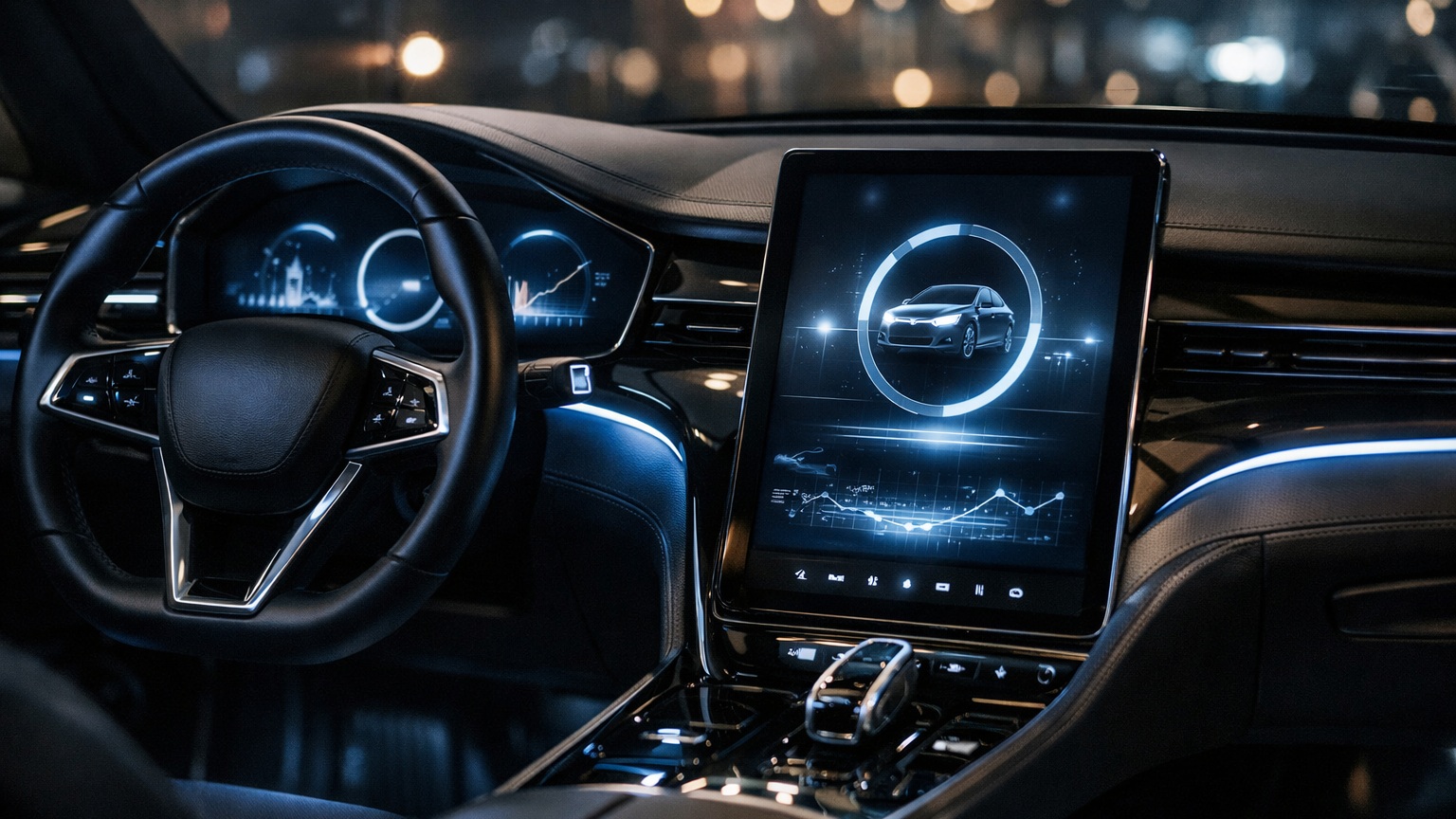
Over-the-Air Updates are quietly transforming the modern driving experience, turning vehicles into living platforms that can improve long after they leave the factory. What used to require a dealership visit can now happen through wireless software updates delivered directly to the car, refining performance, adding features, improving security, and fixing bugs with far less interruption. In today’s connected automotive world, the vehicle is no longer static. It evolves. On Auto-Street, this category explores the fast-moving world of Over-the-Air Updates and the technology reshaping how cars stay current. From infotainment upgrades and battery management improvements to safety patches and interface refinements, these updates are changing how drivers think about ownership. They also raise bigger questions about reliability, privacy, convenience, and control in an increasingly software-defined vehicle. As cars become smarter, more connected, and more adaptable, Over-the-Air Updates are becoming one of the most important innovations in the industry. They represent a future where your vehicle does not just age with time—it learns, improves, and stays relevant with every new download.
A: It is a wireless software update sent directly to a vehicle.
A: Usually no, although some complex fixes may still require service.
A: Yes, some updates improve existing systems or unlock new functions.
A: They are designed with security checks, encryption, and validation safeguards.
A: In many vehicles, yes, though critical updates may be strongly encouraged.
A: Large installs can use power, so many vehicles check battery status first.
A: Many systems can retry, resume, or roll back to a stable version.
A: No, support varies by manufacturer, model, and system architecture.
A: Yes, they can refine charging behavior, efficiency logic, and interface tools.
A: They help vehicles stay current, secure, and more capable over time.