
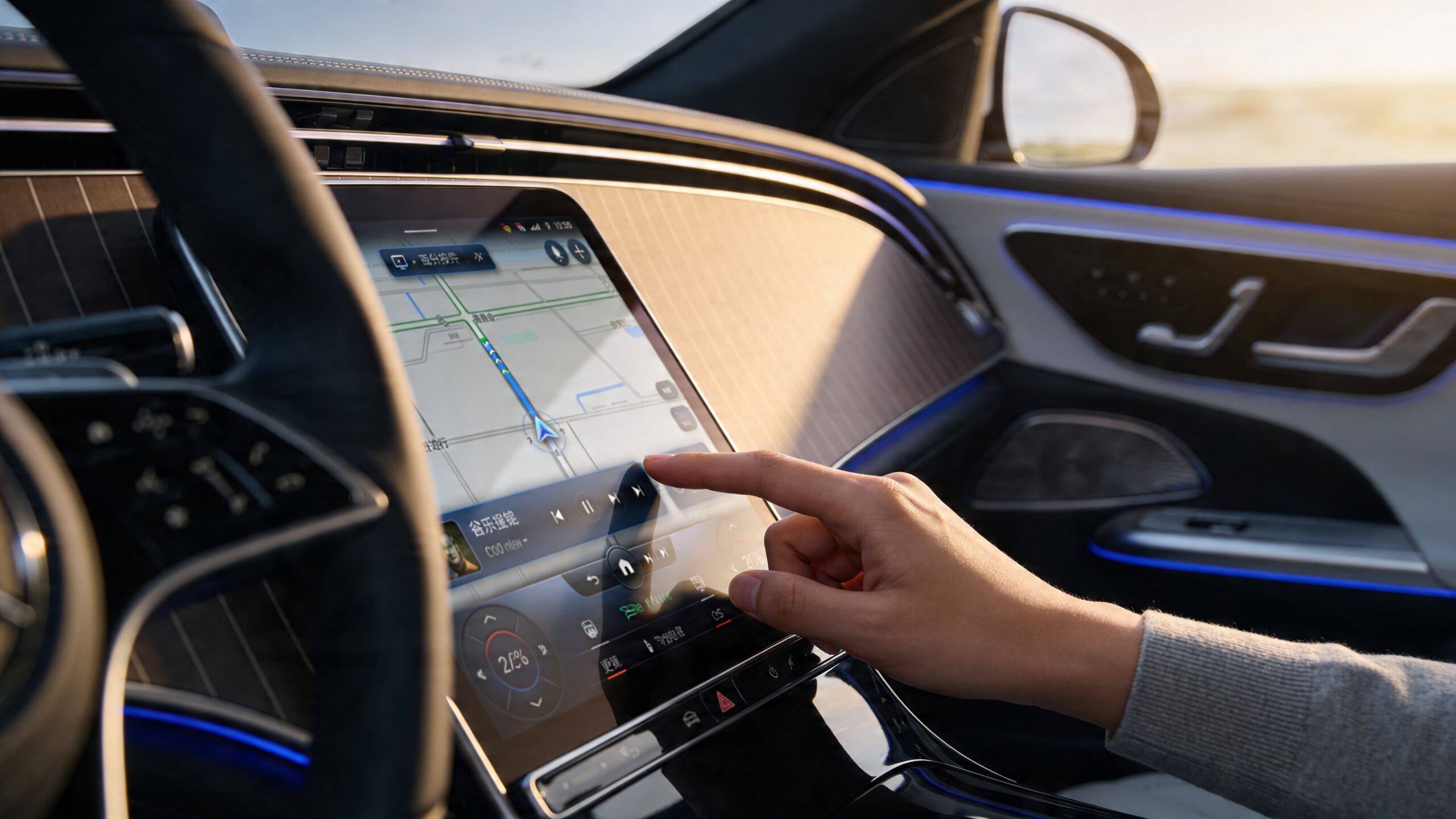
Human-Machine Interfaces are reshaping how drivers connect with their vehicles, transforming every touch, glance, and command into a seamless dialogue between human intent and machine response. From intuitive touchscreen dashboards to voice-activated controls and gesture-based systems, modern interfaces are designed to reduce friction, enhance safety, and elevate the driving experience. What once required physical effort—turning knobs, flipping switches, interpreting gauges—has evolved into intelligent systems that anticipate needs and adapt in real time. On Auto-Street, this category explores the technologies bridging people and machines inside today’s vehicles. It highlights how design, software, and hardware come together to create responsive environments that feel natural and effortless. As vehicles become more connected and autonomous, interfaces are no longer just controls—they are the core of interaction, decision-making, and trust. Whether it is augmented displays, haptic feedback, or AI-driven assistants, Human-Machine Interfaces represent the future of driving, where the line between driver and machine continues to blur into a unified, intuitive experience.
A: They can be, but well-designed layouts and voice controls reduce distraction.
A: It projects key information onto the windshield.
A: Yes, many systems receive over-the-air updates.
A: Most modern vehicles include some form of it.
A: It simulates physical touch sensations on screens.
A: They offer customization and clearer information.
A: Many aftermarket options are available.
A: It allows control using hand movements.
A: Yes, design quality directly impacts driver focus.
A: AI-driven, predictive, and fully immersive interfaces.