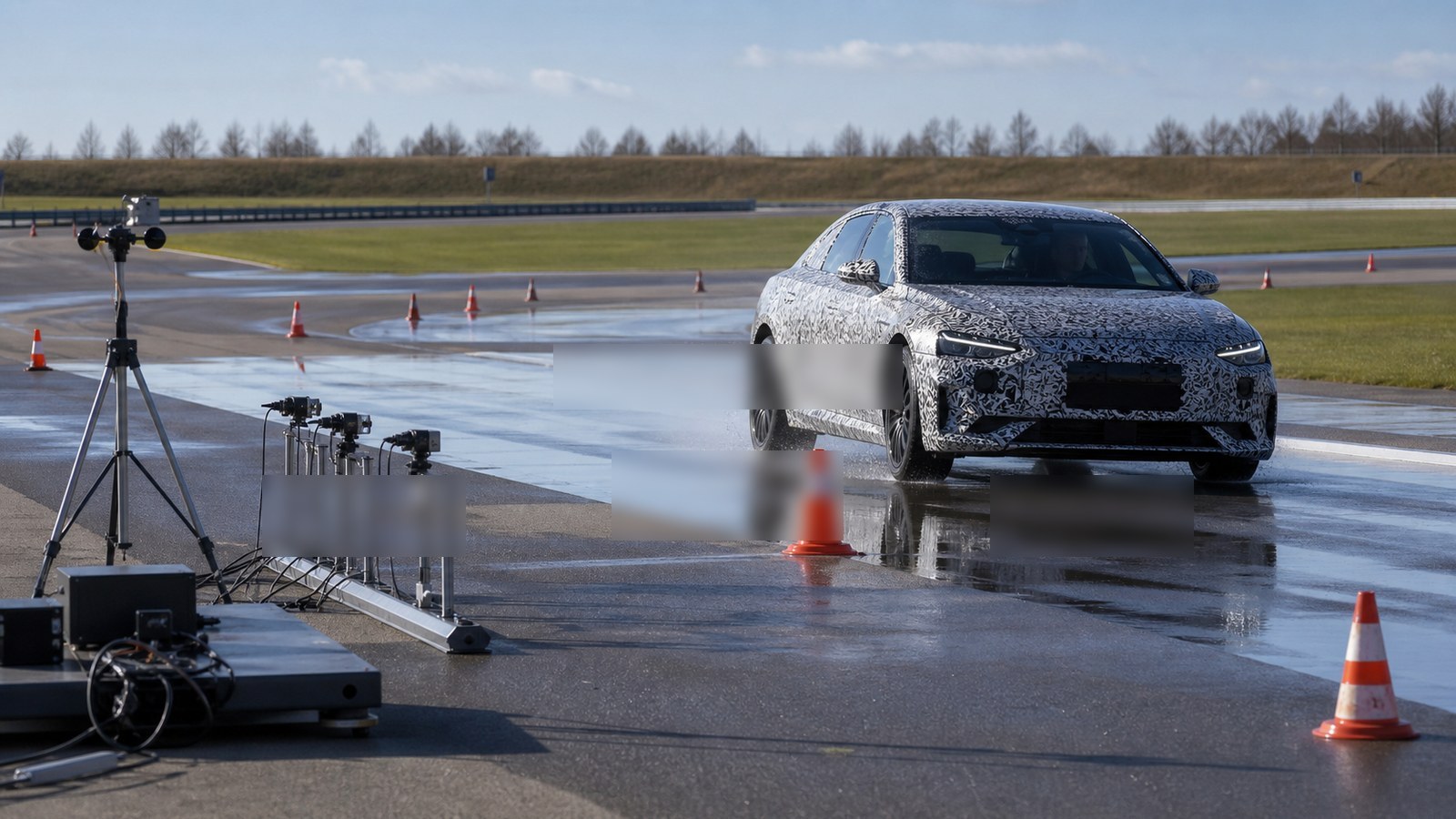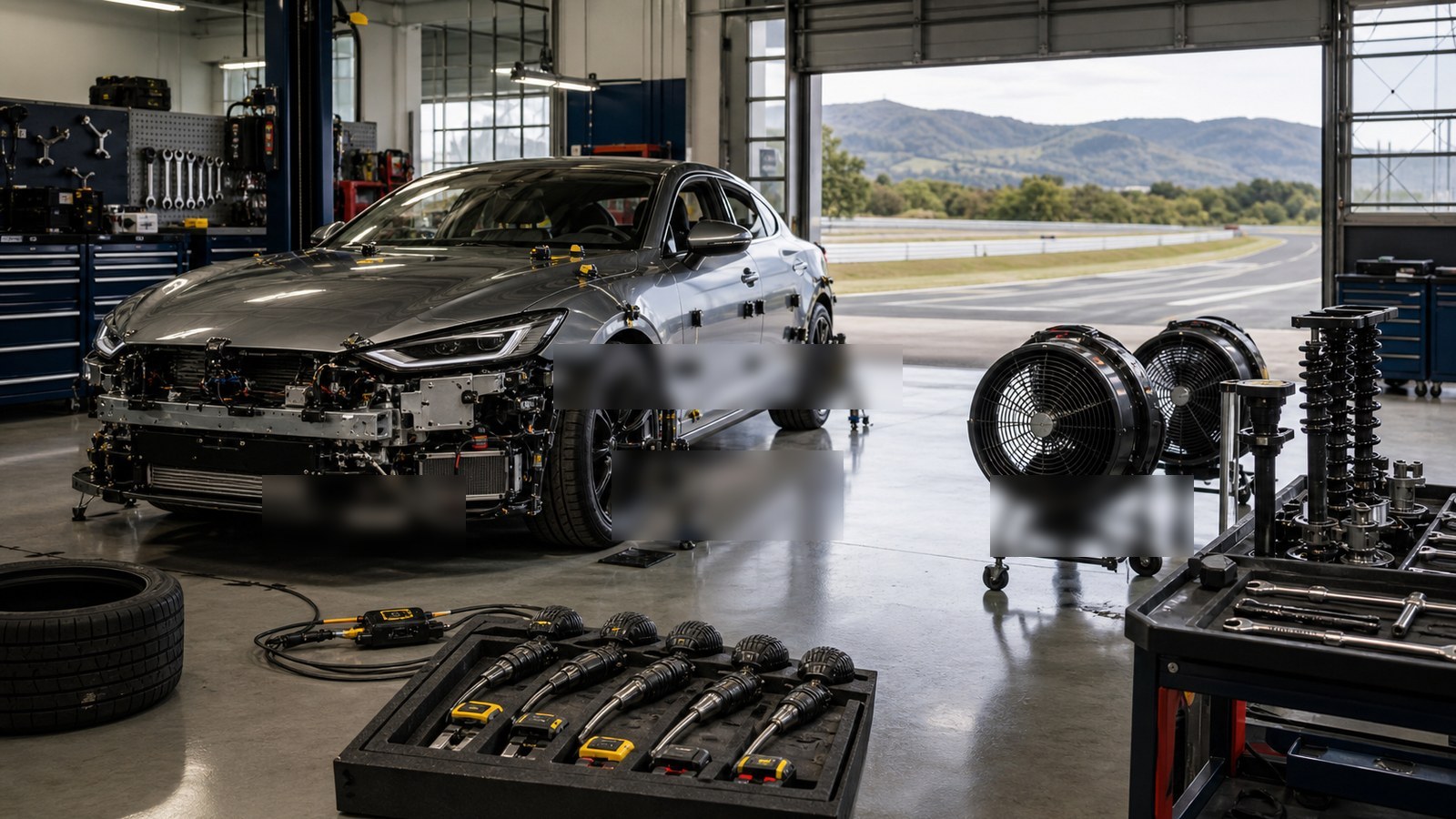
Engineering Benchmarks: The Real-World Problem
Engineering Benchmarks Explained: How Modern Cars Are Really Built is useful because the measurable targets engineers use to balance comfort, durability, efficiency, speed, noise, and safety can change the way a car feels long after the first test drive is over. The best audience is enthusiasts and shoppers who want numbers to connect with daily driving, especially anyone trying to turn a crowded market into a short, sensible list. This is not about memorizing jargon or chasing the loudest opinion in a comment thread. It is about understanding how the vehicle's design shows up in comfort, confidence, cost, and daily decision-making. When you read the details through that lens, engineering benchmarks becomes less like a category label and more like a practical tool for choosing, using, and maintaining the right vehicle.
Why Engineering Benchmarks Deserves a Closer Look
Most drivers meet engineering benchmarks through a sales listing, a review score, or a quick conversation with someone who already has a favorite. That is a thin way to judge a major purchase. The better approach is to ask what the design is trying to solve, where it creates tradeoffs, and whether those tradeoffs match your roads, passengers, budget, and patience. For enthusiasts and shoppers who want numbers to connect with daily driving, that distinction matters because the same vehicle can feel sensible on paper and awkward once it meets a real driveway, a real commute, and a real maintenance budget. Keep a small record as soon as the drive ends, because memory tends to keep the exciting parts and soften the irritations.
In the engineering benchmarks world, the details are connected. A change in braking distance can influence thermal margin, and a choice that looks purely mechanical can affect comfort, repair access, or confidence in bad weather. The vehicle is a system, not a pile of isolated features. A careful comparison also keeps emotion useful: excitement can point you toward a vehicle, but repeatable evidence should decide whether it stays on the list. Keep a small record as soon as the drive ends, because memory tends to keep the exciting parts and soften the irritations.
How the Design Shows Up on Ordinary Roads
The first clue is usually not dramatic. It may be the way the vehicle settles after a bump, how easily it merges, how calm it feels in a crosswind, or whether the cabin remains useful when everyone brings real belongings. Those impressions matter because they are repeated hundreds of times after the purchase. A careful comparison also keeps emotion useful: excitement can point you toward a vehicle, but repeatable evidence should decide whether it stays on the list. Keep a small record as soon as the drive ends, because memory tends to keep the exciting parts and soften the irritations.
Drivers should also notice how the design behaves at low speed. Parking lots, school lines, steep driveways, tight alleys, and rough neighborhood pavement often reveal more than a fast highway loop. A vehicle that feels polished only in ideal conditions may become tiring in the places where it actually lives. Think of this as a practical filter rather than a technical exam, because the goal is to predict ownership with enough detail to avoid expensive surprises. Keep a small record as soon as the drive ends, because memory tends to keep the exciting parts and soften the irritations.
That is why practical ownership explainer should include both objective facts and felt behavior. Numbers help narrow the field, but the final choice should make sense when the road is wet, the cargo area is full, and the driver is already late. The clearest answers usually come from connecting one design choice to one daily result, then asking whether that result helps often enough to justify the compromise. Keep a small record as soon as the drive ends, because memory tends to keep the exciting parts and soften the irritations.
What Buyers Should Compare Before Choosing
Start with the use case. A commuter who carries one backpack needs a different answer from a family moving child seats, sports gear, home-improvement supplies, and weekend luggage. The correct vehicle is the one whose compromises are easy to live with, not the one that wins every isolated spec. Think of this as a practical filter rather than a technical exam, because the goal is to predict ownership with enough detail to avoid expensive surprises. Keep a small record as soon as the drive ends, because memory tends to keep the exciting parts and soften the irritations.
Then compare visibility, access, control feel, tire cost, service needs, and resale demand. These areas are not glamorous, but they decide whether ownership feels smooth or irritating. A strong choice should make routine tasks feel calmer from the first week onward. The clearest answers usually come from connecting one design choice to one daily result, then asking whether that result helps often enough to justify the compromise. Keep a small record as soon as the drive ends, because memory tends to keep the exciting parts and soften the irritations.
Common Mistakes That Lead to Regret
The most common mistake is choosing the story before testing the reality. A shopper may decide that a certain layout sounds rugged, sporty, efficient, or premium, then ignore the evidence that it does not suit the driveway, climate, budget, or driving style. Good research keeps the story honest. The clearest answers usually come from connecting one design choice to one daily result, then asking whether that result helps often enough to justify the compromise. Keep a small record as soon as the drive ends, because memory tends to keep the exciting parts and soften the irritations.
Another mistake is treating one feature as the whole vehicle. A powerful engine, generous cargo number, clever screen, or attractive stance can be appealing, but it cannot compensate for poor seating, awkward access, vague controls, expensive wear items, or a design that feels unsettled on familiar roads. That is why good shoppers slow down around ordinary details; those details are where comfort, cost, confidence, and resale value quietly gather. Keep a small record as soon as the drive ends, because memory tends to keep the exciting parts and soften the irritations.
Finally, many buyers skip the ownership layer. Tires, brakes, fluids, software updates, insurance, repair access, and parts availability can change the value picture. The best time to ask those questions is before the vehicle becomes yours. For enthusiasts and shoppers who want numbers to connect with daily driving, that distinction matters because the same vehicle can feel sensible on paper and awkward once it meets a real driveway, a real commute, and a real maintenance budget. Keep a small record as soon as the drive ends, because memory tends to keep the exciting parts and soften the irritations.
How to Test the Idea Without Becoming an Engineer
You do not need a technical background to evaluate engineering benchmarks. You need a route, a checklist, and permission to slow down. Drive the same roads you know well, use the same parking situations you normally face, and pay attention to how quickly the vehicle becomes intuitive. That is why good shoppers slow down around ordinary details; those details are where comfort, cost, confidence, and resale value quietly gather. Keep a small record as soon as the drive ends, because memory tends to keep the exciting parts and soften the irritations.
Bring real measurements when they matter. Garage length, cargo height, child-seat space, trailer needs, driveway angle, and tire replacement cost are more useful than vague impressions. The goal is not to remove emotion from the purchase; it is to give emotion a solid place to land. For enthusiasts and shoppers who want numbers to connect with daily driving, that distinction matters because the same vehicle can feel sensible on paper and awkward once it meets a real driveway, a real commute, and a real maintenance budget. Keep a small record as soon as the drive ends, because memory tends to keep the exciting parts and soften the irritations.
Where Enthusiasts and Everyday Drivers Can Agree
Enthusiasts often care about response, balance, durability, and mechanical honesty. Everyday drivers often care about comfort, predictability, cost, and ease. Those priorities are not enemies. A well-designed vehicle usually serves both groups because it behaves consistently and communicates clearly. For enthusiasts and shoppers who want numbers to connect with daily driving, that distinction matters because the same vehicle can feel sensible on paper and awkward once it meets a real driveway, a real commute, and a real maintenance budget. Keep a small record as soon as the drive ends, because memory tends to keep the exciting parts and soften the irritations.
The overlap is where the smartest decisions happen. Good tires, sensible weight, clear controls, strong braking, stable structure, and serviceable components help nearly everyone. Even when a vehicle is not exciting, it should feel coherent. A careful comparison also keeps emotion useful: excitement can point you toward a vehicle, but repeatable evidence should decide whether it stays on the list. Keep a small record as soon as the drive ends, because memory tends to keep the exciting parts and soften the irritations.
That coherence is what separates a vehicle that merely checks boxes from one that earns trust. The more the design supports the driver without demanding constant adaptation, the more likely it is to age well. Think of this as a practical filter rather than a technical exam, because the goal is to predict ownership with enough detail to avoid expensive surprises. Keep a small record as soon as the drive ends, because memory tends to keep the exciting parts and soften the irritations.
A Practical Way to Make the Final Call
After comparing options, write down the three situations where the vehicle must perform best. They might be winter commuting, highway passing, city parking, child-seat loading, road trips, towing, or simple long-term dependability. If engineering benchmarks helps in those situations, it belongs on the shortlist. A careful comparison also keeps emotion useful: excitement can point you toward a vehicle, but repeatable evidence should decide whether it stays on the list. Keep a small record as soon as the drive ends, because memory tends to keep the exciting parts and soften the irritations.
If it mainly helps in a scenario you rarely face, be careful. Cars are emotional purchases, but they are also daily tools. The right choice should still feel right after the novelty fades, the first service bill arrives, and the vehicle becomes part of normal life. Think of this as a practical filter rather than a technical exam, because the goal is to predict ownership with enough detail to avoid expensive surprises. Keep a small record as soon as the drive ends, because memory tends to keep the exciting parts and soften the irritations.
Bottom Line
Engineering Benchmarks Explained: How Modern Cars Are Really Built comes down to matching design intent with lived use. The category names, components, and specifications matter, but they matter most when they explain how the vehicle will behave for a real owner. Look past the first impression, test the details that shape your week, and choose the version that makes the ordinary miles feel easier, safer, and more predictable. Think of this as a practical filter rather than a technical exam, because the goal is to predict ownership with enough detail to avoid expensive surprises. Keep a small record as soon as the drive ends, because memory tends to keep the exciting parts and soften the irritations.