What Is a Car Chassis and Why It Matters
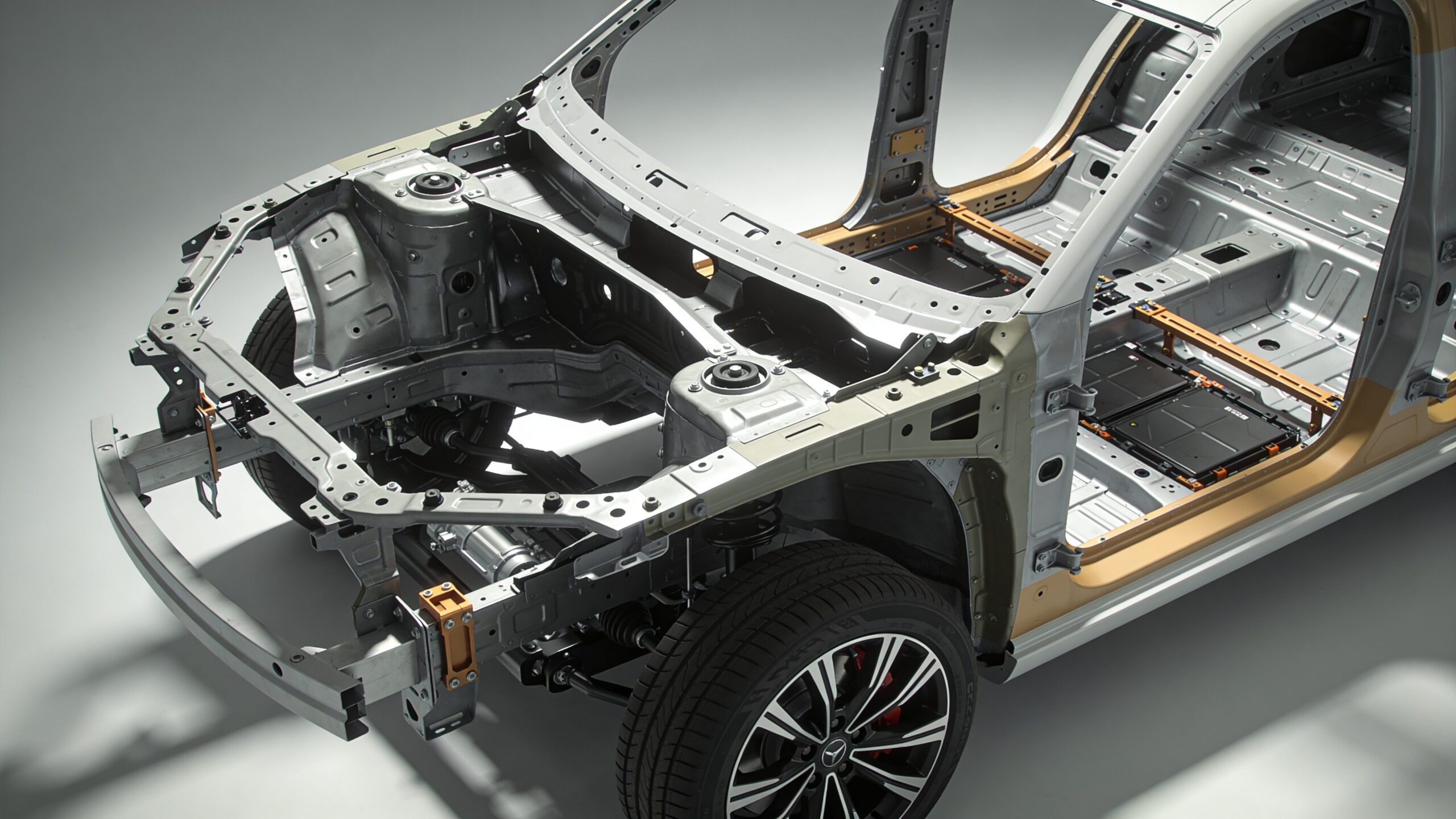
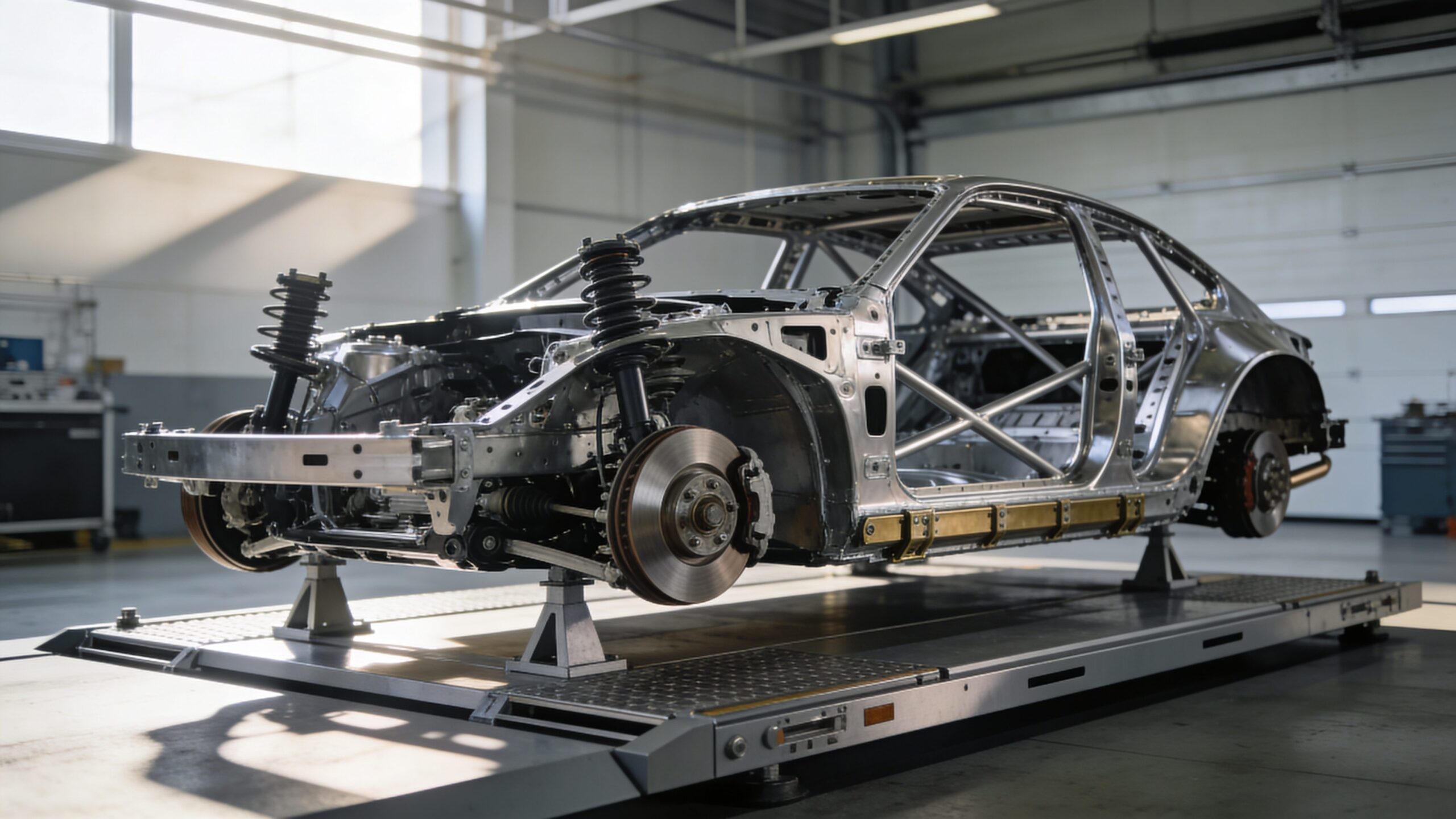
At its core, the car chassis is the structural foundation that supports every component of a vehicle. It is the framework upon which the engine, transmission, suspension, and body are mounted, and it plays a critical role in determining how a car performs, handles, and protects its occupants. Without a well-engineered chassis, even the most powerful engine or advanced technology would be meaningless. The chassis is not just a skeleton; it is an active participant in every aspect of driving. Modern vehicles rely on increasingly sophisticated chassis designs to balance strength, weight, and efficiency. Engineers must ensure that the structure can withstand extreme forces during crashes while remaining light enough to improve fuel economy and performance. This delicate balance is what makes chassis engineering one of the most complex and fascinating aspects of automotive design. It is the silent force that defines how a vehicle feels on the road and how it responds in critical situations.
A: The structural foundation of a vehicle.
A: It impacts safety, handling, and durability.
A: A single integrated structure combining frame and body.
A: Depends on use—trucks favor body-on-frame.
A: Yes, often integrated with battery platforms.
A: Minor damage can, major damage may total a vehicle.
A: Yes, it influences ride smoothness.
A: Not always—strength is equally important.
A: Steel, aluminum, and composites.
A: Typically the life of the vehicle.
The Evolution of Car Chassis Design
The journey of the car chassis begins in the early days of the automobile, when vehicles were built using body-on-frame construction. This method, inspired by horse-drawn carriages, involved mounting a separate body onto a rigid frame. While durable and easy to repair, these early designs were heavy and lacked the refined handling of modern vehicles. Over time, the demands of performance, safety, and efficiency pushed engineers to rethink how cars were built.
The introduction of unibody construction marked a turning point in automotive history. Instead of a separate frame and body, the entire structure became a single integrated unit. This approach significantly reduced weight and improved structural rigidity, leading to better handling and fuel efficiency. Today, most passenger cars use unibody designs, while trucks and off-road vehicles often retain body-on-frame construction for its strength and versatility. The evolution of chassis design reflects the constant pursuit of innovation in the automotive industry.
Types of Car Chassis Structures
There are several primary types of chassis structures, each designed to meet specific performance and durability requirements. Body-on-frame construction remains popular in trucks and SUVs, where strength and load-bearing capability are essential. This design allows for greater flexibility and easier modifications, making it ideal for heavy-duty applications and off-road use. Unibody construction dominates the passenger car market due to its efficiency and superior handling characteristics. By integrating the body and frame, engineers can create lighter and more rigid structures that enhance driving dynamics. Other specialized designs, such as space frames and carbon fiber monocoques, are used in high-performance and luxury vehicles. These advanced structures prioritize weight reduction and strength, showcasing the cutting edge of automotive engineering.
Materials That Shape Modern Chassis
The materials used in a car’s chassis have a profound impact on its performance and safety. Traditional steel remains a cornerstone of automotive construction, offering a balance of strength, durability, and cost-effectiveness. However, modern vehicles increasingly incorporate high-strength and ultra-high-strength steels to improve crash resistance without adding excessive weight.
Aluminum has become a popular alternative for reducing weight, particularly in performance and luxury vehicles. Its lightweight properties enhance fuel efficiency and handling, though it requires advanced manufacturing techniques. Carbon fiber represents the pinnacle of chassis materials, delivering exceptional strength and minimal weight. While expensive, it is widely used in supercars and racing vehicles. The choice of materials reflects the ongoing effort to create vehicles that are both strong and efficient.
How Chassis Design Impacts Safety
Safety is one of the most critical functions of a car chassis, and modern designs are engineered to protect occupants in the event of a collision. Crumple zones are strategically built into the structure to absorb and dissipate impact energy, reducing the forces transmitted to passengers. These zones are carefully calibrated to deform in controlled ways, preventing catastrophic structural failure. In addition to absorbing impact energy, the chassis must maintain a rigid passenger compartment to ensure survival space during a crash. Advanced simulations and crash testing allow engineers to refine these designs with incredible precision. The result is a structure that not only supports the vehicle but actively works to protect its occupants. The evolution of safety-focused chassis design has dramatically reduced fatalities and injuries on the road.
The Role of Chassis in Performance and Handling
Beyond safety, the chassis plays a vital role in how a car performs and handles. A rigid chassis provides a stable platform for the suspension system, allowing for precise control and improved responsiveness. This is particularly important in high-performance vehicles, where even minor flex can affect handling and driver confidence.
Weight distribution is another key factor influenced by chassis design. Engineers strive to achieve a balanced distribution to enhance stability and cornering performance. Lightweight materials and innovative structural designs contribute to a more agile and efficient driving experience. The chassis is the foundation upon which performance is built, shaping the way a vehicle interacts with the road.
Electric Vehicles and the New Chassis Revolution
The rise of electric vehicles has introduced a new paradigm in chassis design. Unlike traditional vehicles, EVs often use a skateboard platform, where the battery pack is integrated into the floor of the chassis. This design lowers the center of gravity and improves stability, resulting in a smoother and more controlled driving experience. The integration of batteries into the chassis also presents unique engineering challenges. The structure must protect the battery pack while maintaining overall rigidity and safety. This has led to innovative solutions that redefine what a car chassis can be. Electric vehicles are pushing the boundaries of automotive design, paving the way for a new generation of structural engineering.
Manufacturing the Modern Chassis
The production of a car chassis is a highly advanced process that combines precision engineering with cutting-edge technology. Robotic systems are used to weld and assemble components with incredible accuracy, ensuring consistent quality across every vehicle. Advanced bonding techniques, such as adhesives and laser welding, further enhance structural integrity.
Quality control is a critical aspect of chassis manufacturing, with rigorous testing conducted to identify any potential weaknesses. From virtual simulations to physical stress tests, every detail is scrutinized to ensure the highest standards of safety and performance. The manufacturing process reflects the complexity and importance of the chassis in modern vehicles.
The Future of Automotive Chassis Design
Looking ahead, the future of car chassis design is filled with exciting possibilities. Advances in materials science are leading to the development of lighter and stronger structures, while innovations in manufacturing are enabling more efficient production methods. The integration of smart materials and sensors could allow chassis systems to adapt to changing conditions in real time. Autonomous vehicles are also expected to influence chassis design, as new layouts and configurations become possible. Without the constraints of traditional driving controls, engineers can explore entirely new approaches to vehicle structure. The chassis will continue to evolve, shaping the future of transportation in ways we are only beginning to imagine.
Why the Chassis Truly Is the Backbone
The car chassis is more than just a structural component; it is the foundation that defines every aspect of a vehicle. From safety and performance to efficiency and innovation, the chassis influences how a car is built and how it behaves on the road. It is the unseen force that supports and connects every part of the vehicle, making it an essential element of automotive design.
Understanding the role of the chassis provides valuable insight into the complexity of modern vehicles. It reveals the intricate engineering that goes into creating machines that are both powerful and safe. As automotive technology continues to advance, the chassis will remain at the heart of innovation, proving that it truly is the backbone of every automobile.