Start With Where the Car Sleeps
The most useful difference between a regular hybrid and a plug-in hybrid may be the parking space you return to each night. Both combine an engine with electric propulsion, but a plug-in hybrid can store energy from an external supply and use it for a meaningful share of ordinary journeys. A regular hybrid manages a smaller battery without asking you to connect a cable. That makes the choice partly an engineering comparison and partly a question of routine: how far you travel between reliable charging opportunities, what energy costs there, and whether plugging in will remain convenient. Map a representative week before comparing range figures. The right powertrain is the one whose advantages you can use consistently.
What the Regular Hybrid Does for You
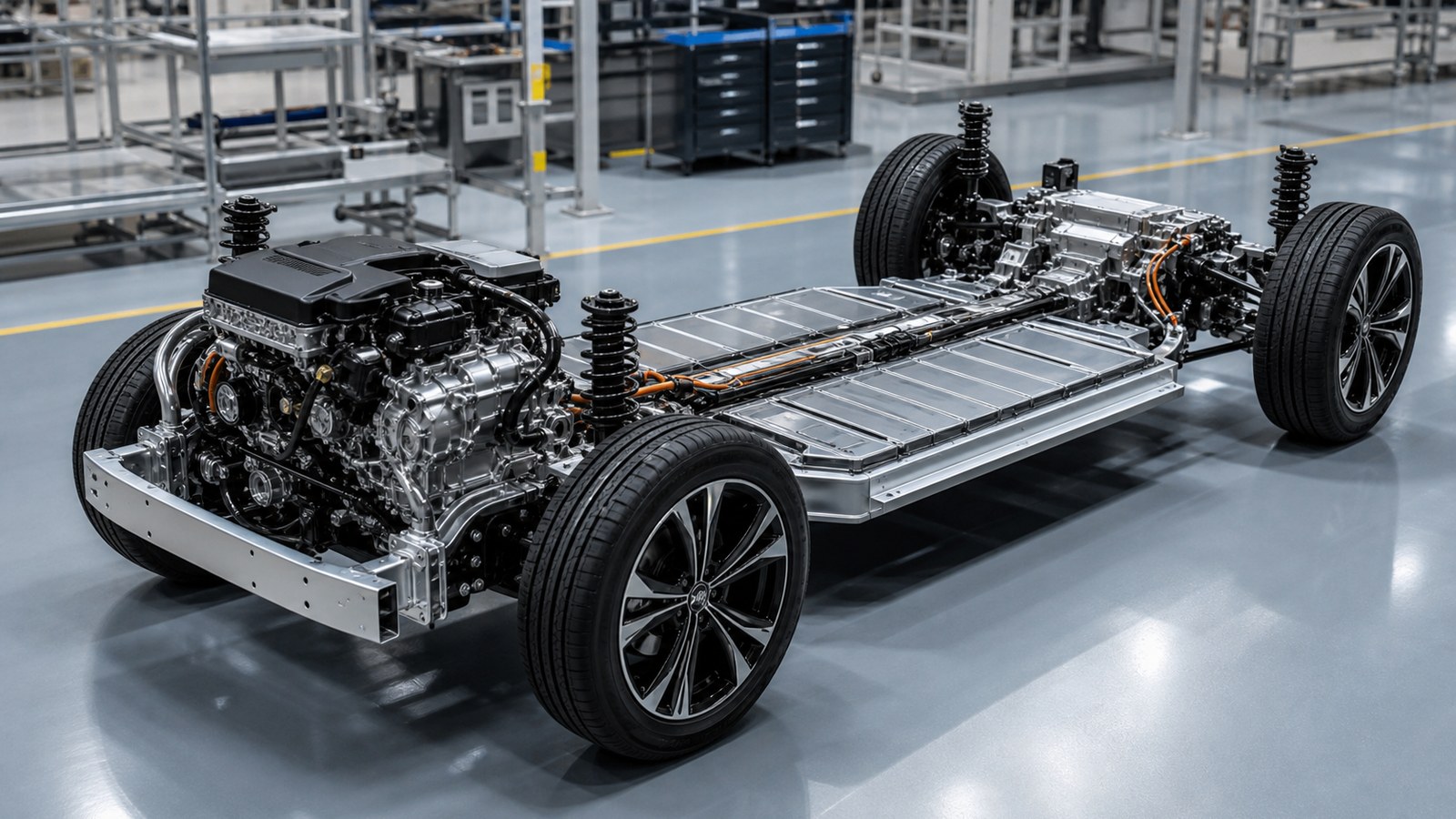
A conventional full hybrid uses an internal-combustion engine, one or more electric machines, and a battery that supports propulsion. It can recapture some energy during deceleration instead of discarding all of that energy as heat at the brakes. The system can also use the engine to manage battery charge and select operating conditions that suit its design. These functions happen automatically during ordinary driving. The driver refuels with gasoline and does not connect the vehicle to an external electrical supply.
Depending on the vehicle and conditions, a full hybrid may move for short periods with the engine off or combine engine and motor output. A mild hybrid generally provides a different level of assistance, so check what a manufacturer means by the word hybrid. The practical appeal of a full hybrid is that its efficiency features require relatively little change in routine. It is especially worth evaluating when home charging is unavailable or unreliable. The energy still ultimately comes from fuel, apart from energy recovered during motion, so self-charging language should never be understood as free energy.
What the Plug Adds to the Same Basic Idea
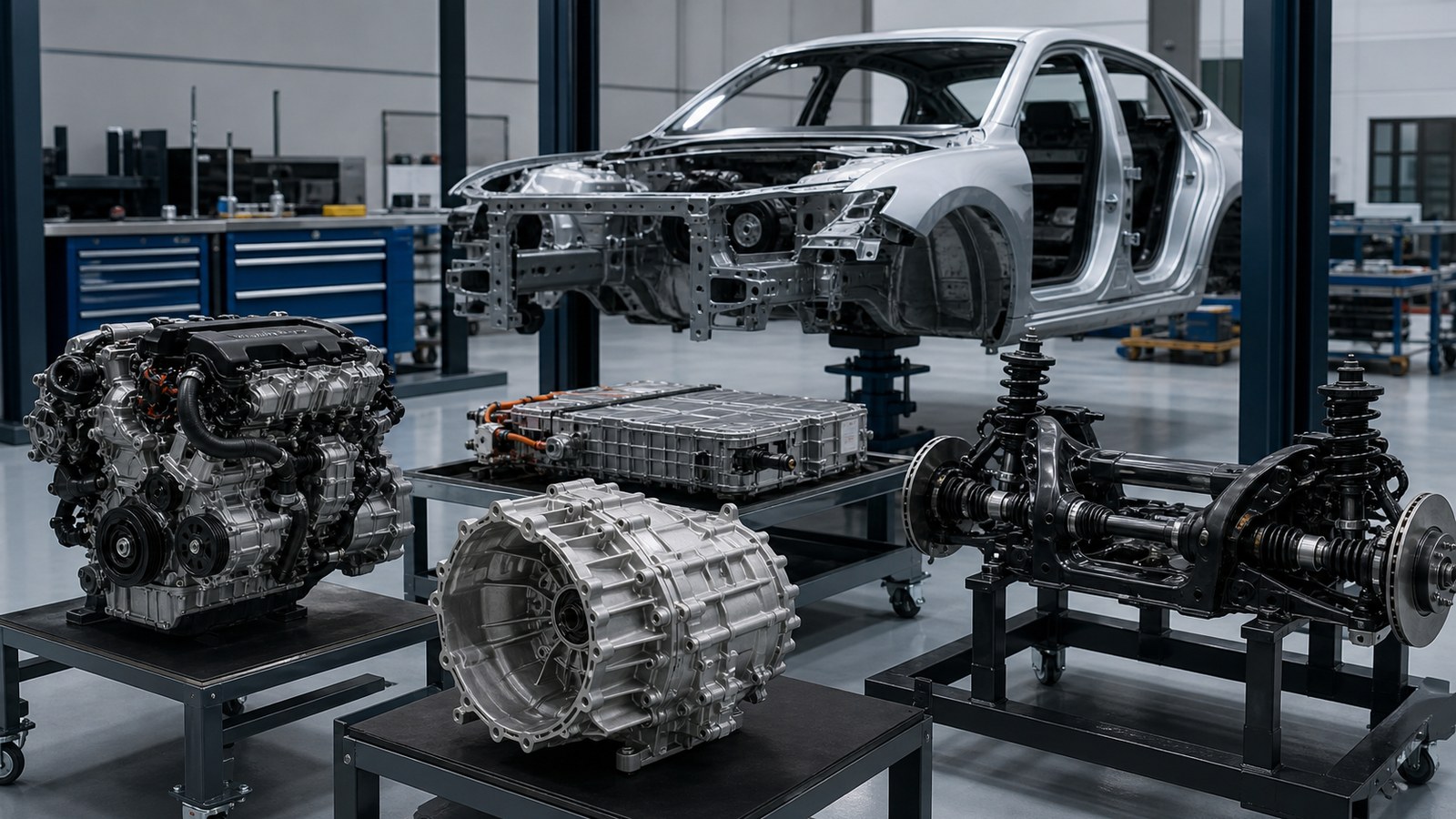
A plug-in hybrid, or PHEV, has a battery that can be recharged from an external electricity source and is generally sized to support a longer electric-driving interval. The exact mechanical arrangement varies: some designs use the motor as the primary driving source in particular modes, while others blend engine and motor operation in different ways. A charge port therefore does not tell you exactly when the engine will run. Read the explanation of operating modes for the model under consideration rather than assuming every PHEV behaves like one you have previously driven.
The U.S. Department of Energy’s Alternative Fuels Data Center explains that a PHEV can use electricity for a routine commute and rely on its engine when the stored charge is mostly depleted. It also identifies conditions such as rapid acceleration or substantial heating and cooling demand that may call for engine operation, depending on the design. Reaching the end of the displayed electric range normally means a transition to charge-sustaining hybrid operation, rather than an electrically empty pack or a stranded car. That distinction is central to understanding the convenience being offered.
Regular charging is what lets the larger battery reduce gasoline consumption over repeated short journeys. Without it, a PHEV may spend much of its time operating as a hybrid while carrying equipment bought primarily for plug-in use. That does not make every uncharged PHEV inefficient compared with every alternative, because models differ. It does mean the purchase case should be checked using its gasoline-mode efficiency and actual selling price. A capability that remains unused cannot provide the expected charging-based benefit.
Turn Your Weekly Mileage Into a Useful Picture
Keep a simple driving diary for a representative week, recording each day’s distance and where the vehicle remains parked long enough to charge. Include errands after work, school pickups, weekend travel, and the unusually long day that happens regularly enough to matter. Then compare those journeys with the candidate’s rated electric range while allowing for weather, speed, terrain, and climate-control demand. A commute that just fits an optimistic brochure estimate may not remain all-electric through winter. The relevant distance is travel between dependable charging opportunities, not merely the distance between home and the office.
Reliable Charging Matters More Than Nearby Charging
A charger at the place where you already park is often more useful than a fast charger several miles away. Confirm permission, access hours, parking restrictions, pricing, connector compatibility, and the likelihood that the equipment will be available. A workplace unit can be valuable, but it should not be treated as guaranteed if many drivers compete for it or access may change. Public charging that requires a separate trip creates a different routine from plugging in at home after parking for the night.
Some PHEV owners can replenish their ordinary daily use through suitable Level 1 equipment on a properly assessed 120-volt supply. Others benefit from Level 2 charging, depending on the vehicle’s onboard charger, battery capacity, parking duration, and electrical installation. DOE’s home-charging guidance recommends appropriate certified equipment and attention to the installation. Have a qualified electrician assess the proposed supply rather than assuming an existing outlet is suitable for sustained vehicle charging. Check the vehicle and charging-equipment instructions before planning around an extension lead or an improvised arrangement.
Calculate Two Energy Bills for the PHEV
A regular hybrid’s fuel bill can be estimated from annual miles divided by expected mpg, multiplied by the assumed gasoline price. A PHEV needs its electricity use and its gasoline use considered separately. Estimate how many annual miles will use grid energy, apply the relevant electricity consumption and charging price, and then calculate gasoline for the remaining travel using the appropriate hybrid-mode figure. Some operating modes blend fuels, so refine the estimate using the manufacturer’s information where necessary. Avoid multiplying all annual miles by an electric efficiency figure if many trips will exceed the charged range.
For illustration, suppose a driver covers 8,000 miles using 0.30 kWh per mile measured at the wall and pays $0.16 per kWh. Those electric miles cost $384. If another 4,000 miles average 40 mpg at $3.50 per gallon, their gasoline costs $350, making $734 in combined energy expense under those assumptions. A 50-mpg regular hybrid covering all 12,000 miles at the same gasoline price would use $840. These are hypothetical inputs, not ratings or predicted savings for a particular car.
The example shows why a large reduction in gasoline purchases need not mean an equally large reduction in total expense. Electricity has a price too, and the PHEV’s gasoline efficiency, charging losses, and charging habits affect the result. If consumption is quoted at the battery rather than the wall, account for the relevant losses instead of ignoring them or adding them twice. Include connection fees or parking charges where they apply. Repeat the comparison with the tariffs you can actually access, especially if public charging will provide a substantial share of your electricity.
Read the Label Without Mixing the Units
The EPA’s plug-in hybrid label separates electricity-related operation from gasoline operation and includes information about range and charging. MPGe expresses an energy-equivalent efficiency comparison; it does not mean the vehicle will travel that many miles on one gallon of gasoline after the charge is used. Read the gasoline mpg figure as well as the electric consumption information, and check which operating conditions each covers. Annual cost estimates on labels depend on stated assumptions that may differ from your driving. Your own charging share and energy prices are necessary to turn the label into a useful ownership comparison.
Long Journeys Test a Different Strength
On a trip much longer than the charged range, a PHEV increasingly operates using its engine and hybrid system. You can continue by refueling, which avoids making every long journey depend on a public charging stop. However, gasoline-mode efficiency may differ from that of the comparable regular hybrid, and the initial electric miles form a smaller share of a very long drive. Compare the same route and loaded conditions rather than assuming that a larger battery guarantees lower fuel expense on every trip.
Many PHEVs do not accept DC fast charging, and those that do have model-specific charging capabilities. Do not plan a road trip around an unfamiliar plug symbol or a station’s advertised maximum power. For a driver who charges conveniently at home and takes occasional long trips, the gasoline backup can be useful even if charging away from home is rarely worthwhile. For a driver spending most days on long highway routes without dependable charging, a regular hybrid may offer a simpler and more economical match. The balance depends on repeated travel patterns rather than the possibility of taking one unusually efficient short journey.
Purchase and Maintenance Need a Separate Ledger
Compare actual transaction prices, required equipment, insurance quotes, and any home-charging work before treating lower energy spending as a complete payback calculation. If the PHEV costs more, divide that extra cost by a realistic annual saving to understand the rough time needed to recover it, while recognizing that resale and financing can change the outcome. Incentives are jurisdiction-specific and time-sensitive, so verify current eligibility before including any benefit. A promotion or incentive that applied to an earlier buyer may not apply to your purchase date, income, vehicle, or transaction.
Both types still contain an engine and other systems that require the manufacturer’s scheduled maintenance. Low gasoline use does not automatically remove time-based service requirements, and owners should follow guidance concerning fuel age and engine operation. Regenerative braking can reduce some friction-brake use, but brakes still need inspection and can develop problems from corrosion or lack of attention. Battery warranties also differ by vehicle, market, and covered failure condition. Read the actual terms rather than assuming that the larger PHEV pack and the regular hybrid battery receive identical protection.
When buying used, assess the vehicle’s overall service and damage history and obtain an appropriate inspection of the electrified systems. Ask whether charging equipment is included, whether charging works correctly, and whether any recalls or required software work remain outstanding. A low displayed electric range on one cold day is not by itself a measurement of permanent battery deterioration. Conversely, a neat cabin does not establish battery health. Paying for reliable condition information can be more valuable than selecting a powertrain based on theoretical savings that an unhealthy example may never deliver.
Experience Both Operating States Before Deciding
Ask a dealer to explain how a test vehicle is charged and which mode it is using before the drive begins. A fully charged demonstration can show the quiet response you may enjoy on short trips, but it should not be your only basis for judging a PHEV that will regularly travel beyond its charged range. Where a safe, practical demonstration is available, assess normal hybrid operation as well. Listen to the engine under ordinary acceleration and consider the transition between propulsion sources.
Try regenerative deceleration and low-speed brake modulation in an appropriate setting, because the pedal feel may differ from your current vehicle. Check the charging-port position against your parking arrangement and confirm how the cable is stored. These details are small individually, yet they affect whether the promised routine is pleasant enough to maintain. An efficient powertrain is more useful when its everyday operation fits the driver without repeated inconvenience.
Choose the Routine You Will Maintain
A regular hybrid is a strong candidate when you want efficient gasoline travel without arranging charging, when parking access changes frequently, or when long journeys dominate. A plug-in hybrid deserves close consideration when regular charging is convenient and a substantial share of your repeated travel can use that stored energy. Confirm the operating behavior, range, costs, and charging needs of the exact vehicles on your shortlist. Then choose the one whose advantages survive a realistic week, including bad weather, busy evenings, and the trips that do not fit neatly into an electric-range headline.