Let Everyday Use Set the Comparison
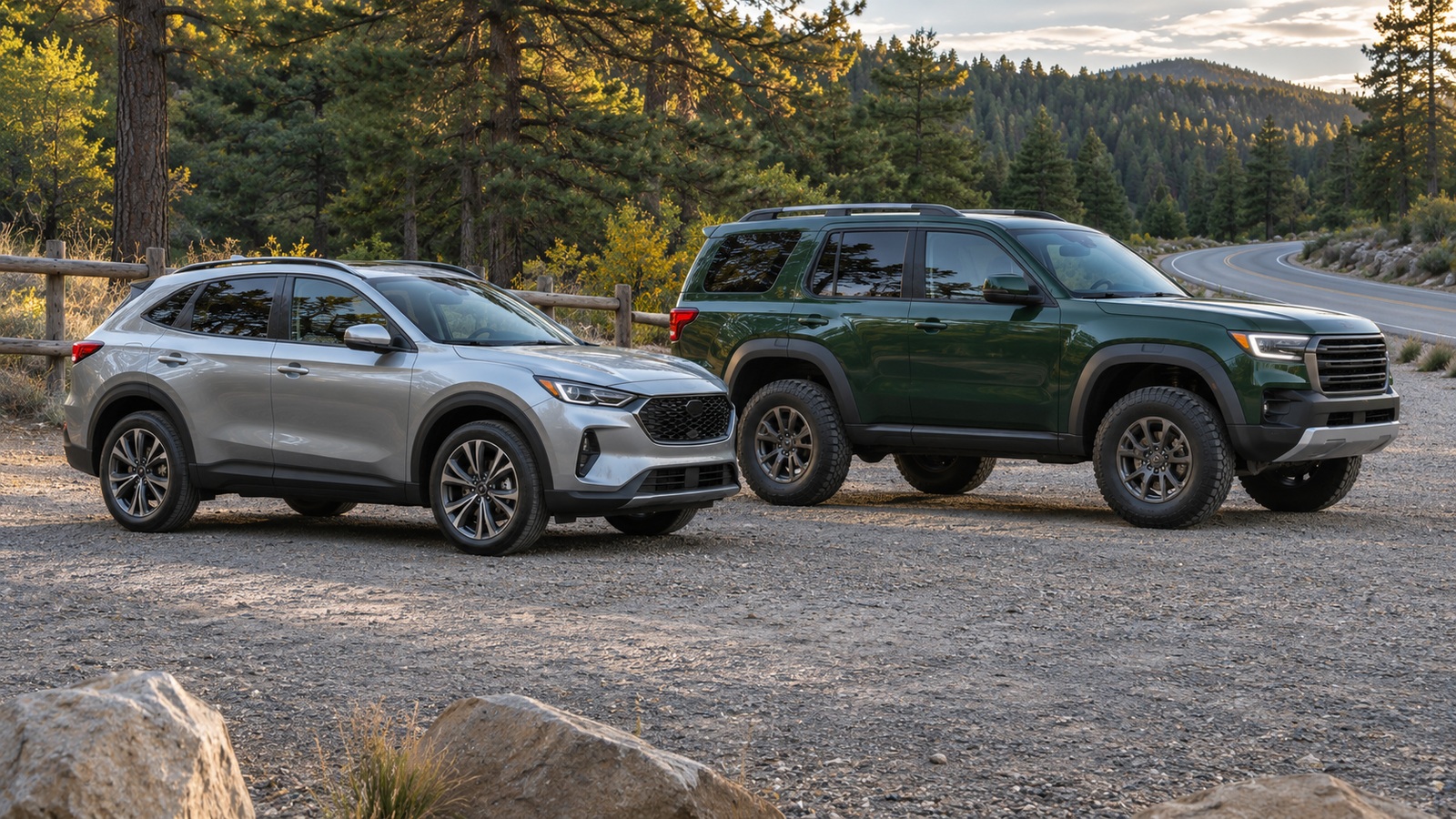
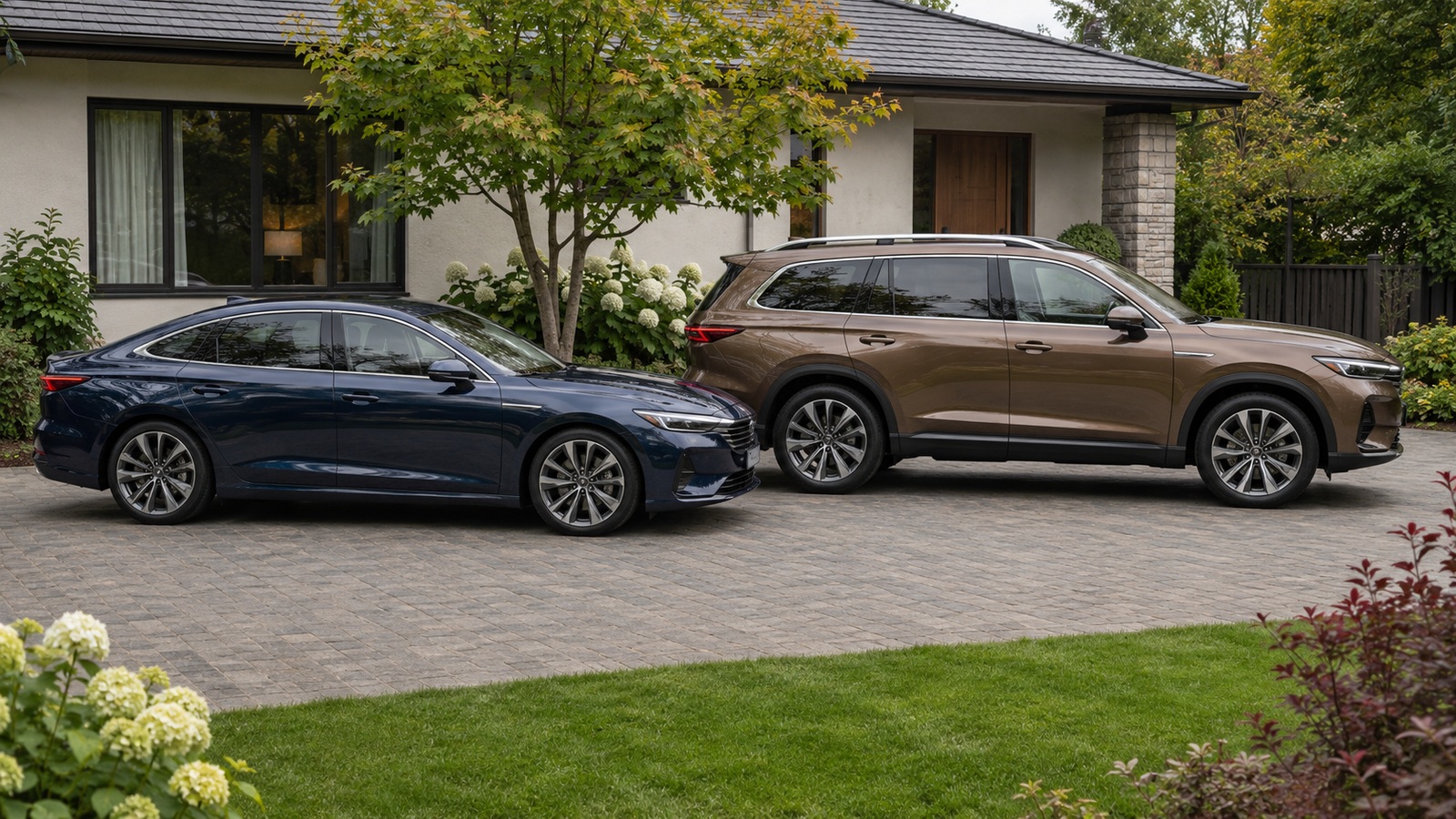
A car purchase is often discussed in terms of the longest holiday or the largest load of the year, yet most ownership consists of familiar commutes, errands, and short trips with the same few people. A sedan and an SUV approach those routines differently. The sedan’s lower body can support efficient cruising and a settled driving feel, while the SUV’s taller cabin and rear opening can make certain passengers and bulky items easier to accommodate. Neither shape automatically wins on comfort, safety, or value. The useful comparison asks which advantages you will use repeatedly, what they cost on the exact models under consideration, and which compromises will appear every time you park, load luggage, or get behind the wheel.
Compare Equivalent Cars Before Comparing Shapes
A small basic sedan and a powerful luxury SUV differ in far more than roof height. Their engines, equipment, tires, materials, and market position can overwhelm the effect you are trying to understand. Start with vehicles that offer a similar level of comfort and equipment at a price you can realistically pay. Include the powertrain you would actually choose rather than the cheapest advertised configuration. A hybrid sedan versus a conventional SUV is a legitimate shopping decision, but it is also a comparison of propulsion systems.
Write down the final purchase figures, including required fees and the options necessary for your use. Then obtain the insurance and running-cost information for those same configurations. This keeps an appealing base price from drifting into a much more expensive transaction without being noticed. If one vehicle needs a premium package to provide an essential feature that the other includes, account for the whole package. Meaningful value belongs to the completed vehicle you would own, rather than to a starting price that cannot buy the specification you need.
Fuel Savings Accumulate With Distance
A lower vehicle can present less frontal area to the air, and reduced mass can help efficiency, but body shape is only part of the calculation. Drivetrain efficiency, gearing, tires, and driving conditions also matter. Compare the published ratings for the exact engines and driven wheels, then use your annual mileage and an explicit fuel-price assumption. Highway-heavy use may emphasize aerodynamic differences, while urban use can make hybrid operation particularly relevant. Treat the rating as a comparison tool rather than a promise that your own journeys will reproduce it exactly.
For a simple illustration, a vehicle averaging 30 mpg over 12,000 miles uses 400 gallons, while one averaging 25 mpg uses 480 gallons. The difference is 80 gallons; multiplying that by your assumed price gives the annual fuel difference. Those numbers are an arithmetic example, not a claim about all sedans and SUVs. Repeat the calculation with the actual candidates and a few plausible fuel prices. A small daily difference can become meaningful over several years, but it should still be compared with the purchase-price gap.
Electric and plug-in vehicles require a different energy calculation based on their electricity consumption and your charging prices. A large electric SUV is not automatically cheaper to operate than a smaller efficient hybrid once charging arrangements and purchase costs are considered. Likewise, a hybrid SUV may compare favorably with a less efficient sedan. Use the right units for each powertrain and avoid treating an MPGe figure as gasoline miles per gallon. The goal is an understandable annual expense, with the assumptions visible.
Keep the estimates tied to comparable driving assumptions rather than combining a best-case result for one candidate with an everyday average for the other. If one will carry more passengers or roof equipment, describe that difference explicitly. Fuel spending is also only one line in the budget: a noticeable percentage saving on energy can still be smaller in dollars than an insurance or financing difference. An honest calculation makes the trade-off visible without promising that a more efficient vehicle will recover any purchase premium you choose to pay.
The Seat You Can Enter Comfortably
Sedans generally require occupants to lower themselves farther toward the seat, while a moderately raised SUV can place the cushion near a convenient hip height for some people. A very tall SUV can reverse that benefit by requiring a climb, and a wide sill can make either body style awkward. The individual passenger’s reach, mobility, and preferred posture determine which works better. Try the vehicle several times without rushing, wearing the shoes and clothing you normally use. Check the passenger seats independently instead of assuming that the driver’s experience represents the whole household.
Long-Trip Comfort Comes From Support and Control
A tall roof does not guarantee a comfortable seat, and a low roof does not guarantee a cramped cabin. Cushion length, lumbar support, adjustment range, pedal position, and the relationship between the seat and steering wheel shape the driver’s posture. Rear occupants also need usable foot space and an appropriate cushion height. Spend more than a few minutes seated before making a judgment. A seat that feels plush in the showroom may provide poor support after an hour on the road.
Ride comfort is equally model-specific. Wheel size, tire construction, damping, body control, and noise insulation can make a sedan harsher than an SUV or an SUV more unsettled than a sedan. Take both finalists over the same route, including the surfaces that irritate you in your current vehicle. Ask passengers how the rear seat feels, because the driver may not experience the same motions. The better long-distance vehicle is the one that supports its occupants and manages the road well, with controls they can operate comfortably.
A Trunk and a Hatch Solve Different Loading Problems
A sedan trunk provides an enclosed compartment that separates ordinary luggage from the passenger cabin when the rear seats are upright. That can keep belongings out of sight and contain some everyday noise, although folding seats and parcel shelves differ between designs. The opening may limit tall or rigid objects even when the compartment itself is deep. Put your regular luggage through the opening rather than evaluating only the space inside it. A sedan can suit frequent travel with conventional bags while struggling with a bulky item of similar total volume.
An SUV’s rear hatch often creates a taller and more flexible loading path. This can help with a stroller, large box, or mobility equipment, especially when rear seats fold into a useful floor. However, the higher sill may require more lifting, and a sloping tailgate can reduce the room available at the top of a load. Check the hatch’s clearance in your garage and the effort required to close it. A powered hatch offers convenience, but its movement still needs room and should not be relied on to push cargo into place.
Carry equipment securely in either body style and preserve the seating and restraint arrangements required by your passengers. An open cargo area is not permission to stack heavy objects loosely above the seatbacks. Roof systems and rear carriers also have load limits and compatibility requirements. If an SUV is attractive mainly because of one awkward object, test that exact object and the rest of the trip together. A broader hatch is valuable when it solves the real loading problem, rather than merely creating the impression of unlimited space.
The Driver’s View Has Trade-Offs
An elevated seating position can make it easier to see farther along some traffic queues, which many drivers find reassuring. It can also coexist with a tall hood or wide pillars that obscure nearby road users and obstacles. A sedan’s lower position can offer a different sense of placement and clear forward corners, depending on its design. Adjust the seat and mirrors correctly, then inspect the views in every direction while parked. Pay particular attention to the area close to the front and rear of the vehicle.
Parking cameras, surround-view systems, and sensors can help, but compare how well they actually show the boundaries you need. Small displays, distortion, glare, and dirty lenses can reduce their usefulness. Try parking in a normal-sized space during the test drive and assess whether you can judge the vehicle’s position without constant correction. Width, turning circle, and window design can make a short vehicle feel awkward or a longer one surprisingly manageable. Confidence should come from demonstrated control and observation rather than height alone.
Safety Cannot Be Reduced to Sedan Versus SUV
Review the specific model year’s crash-test performance, rollover information, headlights, and crash-avoidance equipment. IIHS explains that vehicle size and weight influence collision outcomes, while its research also shows that additional weight above the fleet average yields diminishing protection benefits and can increase danger to others. The vehicle’s structure, restraint performance, visibility, handling, and driver assistance all belong in the decision. Avoid comparing star ratings or award labels without understanding their year and testing conditions. A used vehicle’s damage history and completed recall repairs matter too. Body style can frame the research, but it does not replace evidence about the model and condition you would actually buy.
Maintenance Bills Depend on More Than Purchase Price
Obtain the scheduled maintenance requirements and price ordinary wear items for both finalists. Tires can be a substantial difference, especially if one vehicle uses large wheels, unusual sizes, or specialized performance or off-road rubber. Brake parts, fluid requirements, and drivetrain service can also vary. A simple sedan may be inexpensive to maintain, but a powerful premium sedan can cost more than an ordinary SUV. Compare component and service requirements directly instead of assigning a standard expense to each body shape.
Insurance and depreciation deserve separate attention because they can outweigh a modest fuel saving. Ask insurers to quote the actual vehicles with identical coverage, deductibles, and driver information. Resale estimates are uncertain and depend on market conditions, mileage, condition, and model reputation, so examine more than one plausible outcome. If financing, consider interest over the full loan term as well as the payment. A longer loan can make a higher-priced SUV appear affordable without reducing the amount ultimately spent.
Test the Routine That Repeats Most Often
Build a short practical trial around a normal day: enter the vehicle, place the bag you carry to work, adjust the controls, park, and load a typical shopping trip. Include the passengers who routinely travel with you. Then repeat the exceptional task that has real importance, such as fitting a child restraint or carrying a particular piece of equipment. This reveals whether an attractive advantage is useful frequently enough to justify a higher purchase price or greater size. It also prevents an infrequent challenge from dominating the entire decision without being tested.
Record a few specific findings immediately after each drive. Perhaps the sedan’s seat supports you better, the SUV makes rear-seat entry easier, or both hold the same luggage despite their different shapes. These observations are more reliable than a general impression of sportiness or roominess. Separate limitations that cannot change, such as hatch dimensions, from preferences that depend on trim or wheel choice. You may discover that a different version of the same model resolves the concern without changing body style.
Favor a sedan when its seating, trunk access, and passenger room meet your needs and its driving feel or ownership expense provides a recurring benefit. Favor an SUV when its height, hatch, or verified utility solves tasks that would remain awkward in the sedan. If the comparison is close, choose the vehicle that makes the ordinary week easier while staying comfortably within budget. A practical decision can be based on a handful of demonstrated advantages. There is no need for either shape to be universally superior for it to be the better fit for you.