Why the 100,000 Mile Mark Matters
For many drivers, reaching 100,000 miles feels like a turning point. Some people start wondering whether their vehicle is nearing the end of its life, while others see it as proof that their car has become dependable and battle-tested. Modern vehicles are capable of lasting far beyond 100,000 miles, but only if they receive the right care at the right time. This mileage milestone is where preventive maintenance becomes more important than ever. A vehicle that has crossed into six-digit mileage territory has already experienced years of engine heat cycles, rough roads, changing climates, stop-and-go traffic, and countless starts and stops. Every moving part has accumulated wear. Rubber components begin aging, fluids lose effectiveness, and neglected systems can suddenly become expensive problems. A complete 100,000 mile car maintenance checklist helps drivers stay ahead of failures before they turn into breakdowns.
A: Not anymore—many modern vehicles can exceed 200,000 miles with proper care.
A: Many vehicles benefit from service between 30,000–60,000 miles depending on usage.
A: Yes, aging coolant loses corrosion protection and heat-transfer efficiency.
A: Suspension wear, tire imbalance, and aging bushings commonly affect ride quality.
A: High-quality synthetic oils often improve lubrication and temperature protection.
A: Consistent fluid changes and preventive maintenance are the biggest factors.
A: They can be costly, but far cheaper than repairing engine damage after failure.
A: It prevents uneven tread wear and improves tire lifespan.
A: Yes, records improve resale value and help track future service intervals.
A: Transmission service is one of the most commonly neglected tasks.
Start With a Full Vehicle Inspection
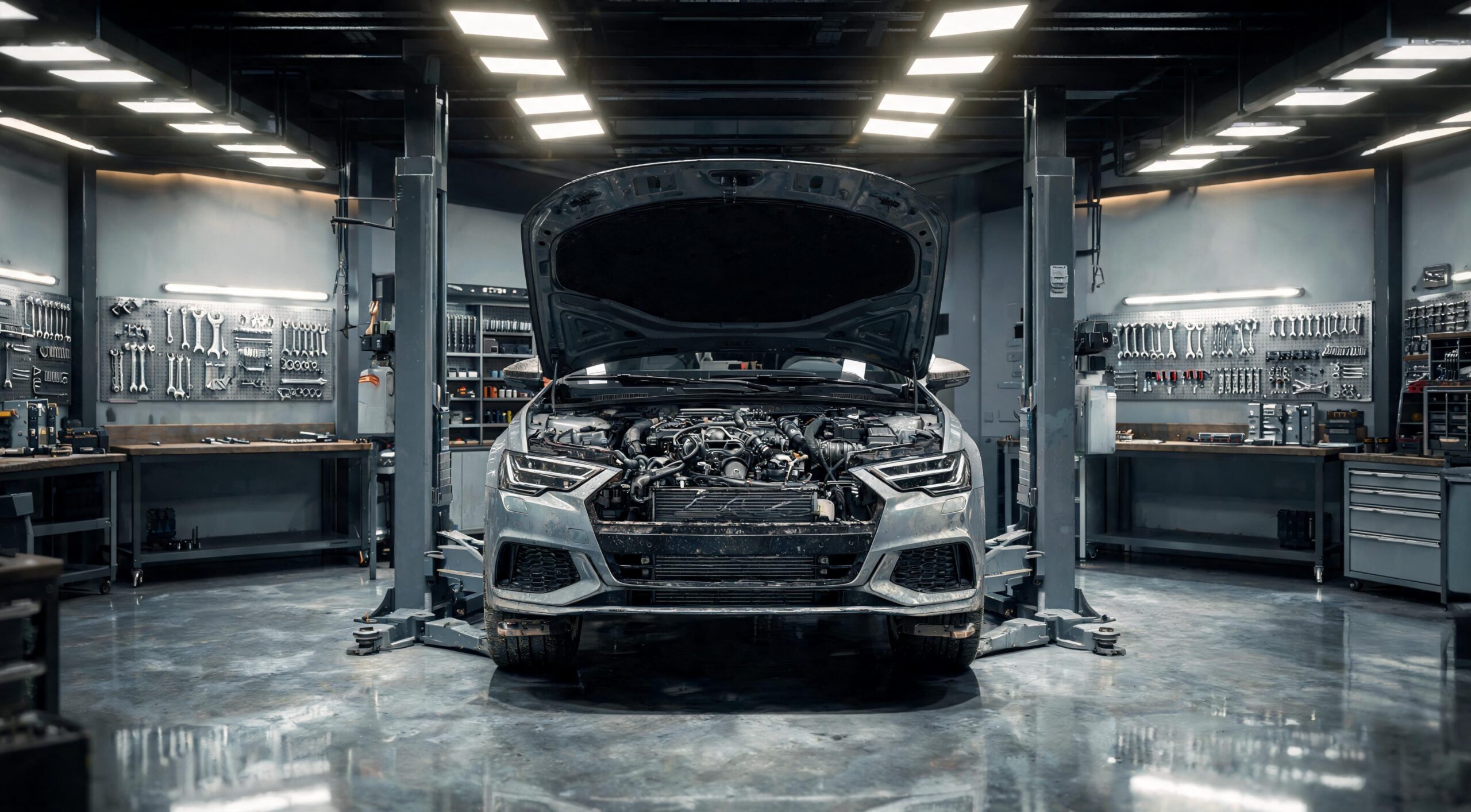
The first step in any major maintenance cycle is a comprehensive inspection. Even if a vehicle seems to drive normally, hidden wear can build quietly over time. A proper inspection examines suspension components, steering systems, hoses, belts, brakes, tires, battery health, fluid conditions, and drivetrain performance.
At 100,000 miles, small issues become much more important because multiple systems may begin aging at the same time. A minor oil leak today could become a major engine repair later. A worn suspension component may not seem noticeable yet, but it can quickly affect tire wear and handling stability. Thorough inspections help identify patterns of wear before they escalate into expensive repairs.
Professional technicians often recommend documenting all inspection findings to establish a maintenance baseline. Once drivers understand the true condition of their vehicle, they can prioritize future maintenance with confidence.
Engine Oil and Filter Changes Still Matter Most
One of the biggest mistakes drivers make after reaching 100,000 miles is assuming their engine is already worn out enough that oil quality no longer matters. In reality, older engines often need better maintenance, not less. Fresh oil remains the single most important factor in long-term engine survival.
Engine oil lubricates moving parts, reduces friction, removes heat, and captures contaminants. Over time, oil breaks down and becomes less effective. At higher mileage, internal engine tolerances may widen slightly, making lubrication even more critical. Consistent oil and filter changes help protect the camshaft, crankshaft, pistons, timing components, and turbochargers. Drivers should also pay attention to oil consumption at this stage. Some engines naturally burn more oil as mileage increases. Monitoring oil levels between changes becomes essential to avoiding catastrophic engine damage.
Transmission Maintenance Can Prevent Massive Repair Bills
Few vehicle repairs are more expensive than replacing a failed transmission. Unfortunately, transmission service is also one of the most ignored maintenance tasks among drivers. By 100,000 miles, transmission fluid has usually endured years of intense heat and pressure.
Transmission fluid serves multiple purposes. It lubricates gears, cools internal components, and enables smooth shifting. Dirty or degraded fluid can lead to slipping gears, rough shifting, overheating, and premature wear. Many modern transmissions claim to use “lifetime fluid,” but experienced mechanics know that no fluid lasts forever under real-world driving conditions.
Whether a vehicle uses a traditional automatic transmission, CVT, manual gearbox, or dual-clutch system, fluid inspections and scheduled servicing are critical. Following manufacturer recommendations while adapting for severe driving conditions can dramatically extend transmission life.
Cooling System Maintenance Protects the Engine
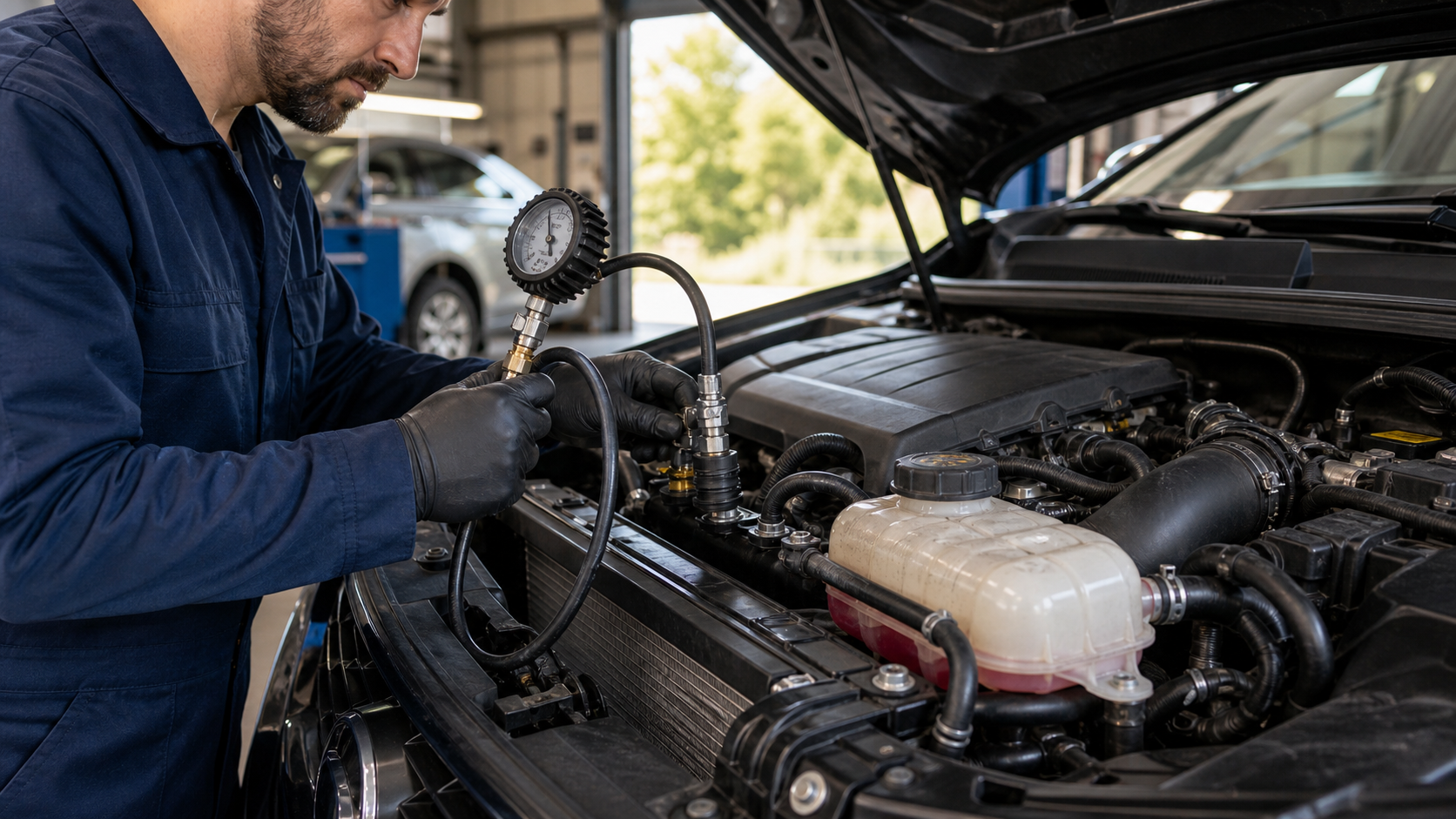
An overheating engine can destroy a vehicle in minutes. The cooling system becomes especially important after 100,000 miles because rubber hoses, water pumps, thermostats, and coolant itself all degrade over time.
Coolant does far more than prevent freezing during winter. It also controls engine temperatures, protects against corrosion, and lubricates water pump components. Old coolant loses its protective additives and can allow corrosion to form inside the radiator and engine passages. Drivers should inspect radiator hoses for swelling, cracking, or soft spots. Water pumps should be monitored for leaks or bearing noise. Thermostats that stick can create unpredictable temperature swings that stress the engine. Preventive cooling system maintenance helps ensure reliable performance during summer heat, mountain driving, towing, or long road trips.
Timing Belt and Timing Chain Inspections Are Essential
Some of the most catastrophic engine failures occur because of neglected timing components. Depending on the vehicle, the engine may use either a timing belt or timing chain. Timing belts usually require replacement at specific mileage intervals, often between 60,000 and 100,000 miles.
If a timing belt fails while driving, the engine can suffer severe internal damage. Bent valves, damaged pistons, and destroyed cylinder heads are common outcomes. Replacing a timing belt before failure is significantly cheaper than rebuilding an engine afterward.
Timing chains typically last longer, but they are not maintenance-free. High-mileage engines may develop chain stretch, tensioner wear, or guide deterioration. Unusual rattling noises during startup can signal developing timing chain issues that should never be ignored.
Brake System Maintenance Keeps Drivers Safe
Brakes experience constant wear throughout a vehicle’s life. By 100,000 miles, most vehicles have already undergone several brake pad replacements, but many other brake components may still be aging. Brake fluid absorbs moisture over time, which can reduce braking performance and contribute to internal corrosion. Flushing old brake fluid helps maintain consistent pedal feel and hydraulic reliability. Brake calipers, rotors, hoses, and master cylinders should also be inspected carefully.
Drivers sometimes overlook how suspension wear affects braking stability. A vehicle with worn shocks or struts may dive excessively under braking or become unstable during emergency maneuvers. Maintaining the entire braking and suspension system together creates safer and more predictable driving behavior.
Suspension and Steering Systems Need Attention
Many drivers gradually adapt to suspension wear without realizing how much ride quality and handling have deteriorated. After 100,000 miles, worn suspension components can dramatically affect comfort, safety, and tire longevity.
Shocks and struts slowly lose their ability to control vehicle motion. Ball joints, bushings, tie rods, and sway bar links also wear over time. Symptoms may include clunking noises, uneven tire wear, vague steering feel, or excessive bouncing over bumps.
A refreshed suspension system can make an older vehicle feel dramatically newer. Steering response improves, road noise decreases, and highway stability becomes more predictable. Proper alignment after suspension repairs also helps maximize tire life.
Tire Maintenance Becomes Even More Important
Tires remain the only connection between a vehicle and the road. At higher mileage, alignment issues, suspension wear, and neglected rotations can rapidly shorten tire lifespan. Drivers should inspect tread depth, sidewall condition, and tire age regularly. Even tires with good tread may become unsafe if the rubber begins cracking due to age and UV exposure. Tire pressure monitoring is equally important because underinflation increases rolling resistance, reduces fuel economy, and generates dangerous heat buildup.
Rotating tires consistently helps maintain even wear patterns. Balancing and alignment services improve ride quality while preventing premature suspension stress. Quality tires paired with proper maintenance significantly improve safety in rain, snow, and emergency braking situations.
Spark Plugs and Ignition Components Affect Performance
At 100,000 miles, ignition system maintenance can restore smoothness, efficiency, and responsiveness. Spark plugs gradually wear down with repeated firing cycles. Worn plugs can reduce fuel economy, increase emissions, and cause engine misfires.
Modern iridium spark plugs often last longer than older copper designs, but even long-life plugs eventually degrade. Ignition coils and plug wires may also weaken over time. Drivers who notice rough idling, sluggish acceleration, or inconsistent power delivery should consider ignition system inspections.
Replacing worn ignition components often improves engine smoothness immediately. It can also reduce stress on the catalytic converter by preventing incomplete combustion.
Fuel System Cleaning Improves Efficiency
Carbon buildup becomes increasingly common in higher-mileage engines, especially direct-injection designs. Deposits can form on fuel injectors, intake valves, throttle bodies, and combustion chambers. A dirty fuel system can reduce performance, lower fuel economy, and create rough engine behavior. Cleaning services or preventive maintenance treatments help restore proper airflow and fuel delivery.
Drivers who primarily make short trips may experience faster carbon accumulation because the engine spends less time operating at full temperature. Highway driving occasionally helps reduce deposits naturally by allowing the engine to reach sustained operating conditions.
Battery and Charging System Reliability Matters
Many drivers only think about the battery when their car refuses to start. However, aging batteries can strain the alternator and create electrical inconsistencies long before total failure occurs.
At 100,000 miles, battery testing becomes increasingly important. Corroded terminals, weak charging output, or aging alternators can lead to unexpected breakdowns. Modern vehicles rely heavily on electronics, sensors, computers, and driver-assistance systems that require stable electrical performance.
Replacing a weak battery proactively is often far cheaper and more convenient than dealing with a roadside failure during extreme weather conditions.
Don’t Ignore Small Fluid Leaks
High-mileage vehicles frequently develop minor leaks around gaskets, seals, and hose connections. Many drivers ignore small drips until they become serious mechanical problems. Oil leaks can lower lubrication levels and damage rubber components. Coolant leaks may cause overheating. Transmission fluid leaks can destroy internal gears and clutches. Power steering leaks can reduce steering assistance and damage pumps.
Addressing leaks early often prevents larger repairs later. Mechanics can frequently replace small seals or gaskets before fluid contamination spreads throughout the system.
Maintenance Records Increase Vehicle Value
One overlooked advantage of consistent maintenance is improved resale value. Buyers are far more confident purchasing a high-mileage vehicle with complete maintenance records than one with unknown service history.
Detailed records demonstrate that the vehicle received proper care throughout its life. Oil changes, transmission service, brake work, tire rotations, and major repairs all help establish trust between sellers and buyers.
Even drivers who plan to keep their vehicle indefinitely benefit from organized records because they help track recurring issues and future maintenance intervals.
Driving Habits Influence Maintenance Needs
Not all 100,000-mile vehicles age the same way. Driving conditions and habits play enormous roles in long-term reliability. A car driven mostly on highways may experience less wear than one exposed to constant stop-and-go traffic. Aggressive acceleration, hard braking, towing, extreme temperatures, and short-distance driving all increase mechanical stress. Drivers who understand how their habits affect wear can adjust maintenance schedules accordingly.
Vehicles used for rideshare work, delivery services, or frequent towing may require earlier fluid changes and more frequent inspections than manufacturer schedules suggest.
Reaching 100,000 Miles Is Only the Beginning
Modern vehicles are built to last longer than ever before. Reaching 100,000 miles no longer means a vehicle is approaching the end of its life. In many cases, it simply marks the transition into a new phase of ownership where maintenance becomes more proactive and strategic.
Drivers who stay ahead of fluid changes, inspections, tire care, suspension wear, cooling system service, and drivetrain maintenance can often push their vehicles well beyond 200,000 miles. Reliability is rarely accidental. It comes from consistent care and attention over time.
A complete 100,000 mile car maintenance checklist gives drivers confidence that their vehicle can continue handling daily commutes, family road trips, changing weather, and years of future driving. Preventive maintenance protects not only the vehicle itself but also the safety, comfort, and peace of mind of everyone riding inside it.