Why Mileage-Based Maintenance Matters
A vehicle does not age by calendar years alone. It ages with every cold start, every pothole, every highway merge, every hot summer commute, and every mile of stop-and-go traffic. That is why a mileage-based vehicle maintenance schedule is one of the smartest tools any driver can follow. It gives structure to car care, helping owners understand what needs attention before small wear becomes expensive failure. The best maintenance schedules are not about fear. They are about control. When you know what to service at 5,000 miles, 30,000 miles, 60,000 miles, 100,000 miles, and beyond, you stop reacting to breakdowns and start preventing them. A well-maintained vehicle feels smoother, brakes better, lasts longer, holds more value, and inspires more confidence every time you turn the key or press the start button.
A: Follow your owner’s manual, but many vehicles need oil service every 3,000 to 7,500 miles depending on oil type and driving conditions.
A: Many drivers rotate tires every 5,000 to 7,500 miles to promote even tread wear.
A: Yes, it is often a key checkpoint for filters, fluids, brakes, tires, and inspections.
A: Transmission fluid, coolant, brake fluid, spark plugs, belts, hoses, and drivetrain fluids may need attention.
A: Review timing components, spark plugs, fluids, suspension, brakes, tires, battery, belts, hoses, and leaks.
A: Yes, fluids, tires, batteries, seals, and brakes can age even when mileage stays low.
A: Yes, towing, heat, cold, dust, traffic, and short trips usually require more frequent maintenance.
A: Many mechanics still recommend inspection or replacement because heat and age break fluids down over time.
A: Records help track service, support resale value, and make future diagnosis easier.
A: Yes, consistent preventive maintenance is one of the biggest factors in long-term reliability.
Every 3,000 to 5,000 Miles: The Foundation of Reliability
The first recurring maintenance window is the one most drivers know best: the oil change interval. Depending on your vehicle, oil type, engine design, and driving conditions, many cars need oil and filter service somewhere between 3,000 and 5,000 miles, while some modern vehicles can safely go longer when using high-quality synthetic oil. Still, this interval remains the foundation of long-term reliability because engine oil works harder than almost any other fluid in the car.
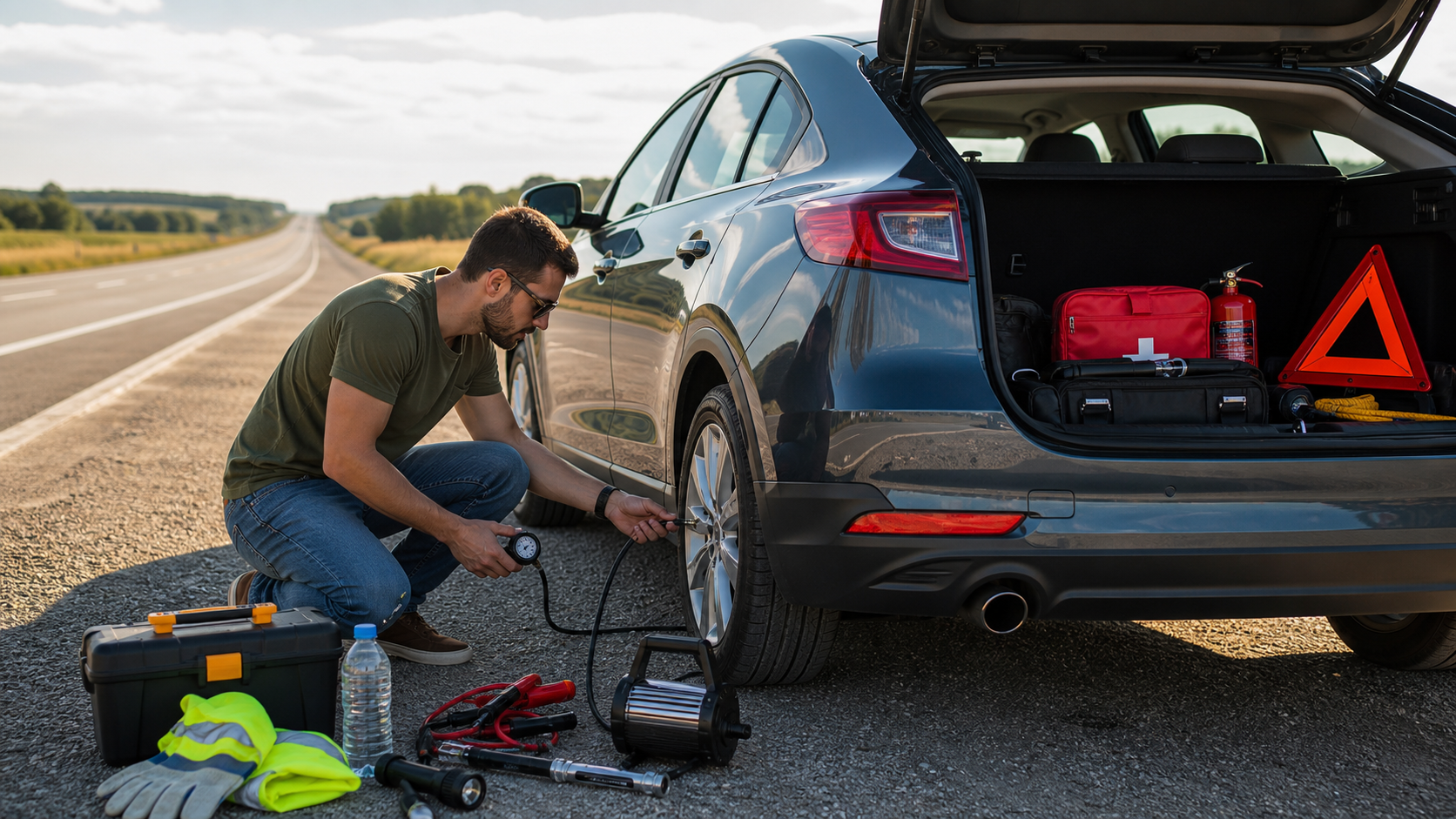
At this stage, drivers should also check tire pressure, inspect tread wear, top off windshield washer fluid, look for leaks, and listen for new noises. These small checks may seem simple, but they often reveal early clues. Uneven tire wear can point to alignment trouble. Low fluid levels can reveal leaks. A new vibration can suggest wheel imbalance or suspension wear. The first few thousand miles between services are where maintenance habits are built.
Every 5,000 to 7,500 Miles: Tires, Brakes, and Visibility
This mileage range is ideal for tire rotation, especially for front-wheel-drive vehicles that tend to wear front tires faster. Rotating tires helps even out tread wear, improves road grip, and extends tire life. It is also a good time to inspect brake pads, rotors, calipers, and brake lines. Visibility maintenance belongs in this cycle too. Wiper blades, headlights, taillights, and turn signals should be checked regularly because they directly affect safety. Many drivers wait until a storm to discover worn wipers or dim lights, but smart maintenance catches those issues before the weather turns against you.
Every 10,000 Miles: Filters and Full-System Awareness
At around 10,000 miles, your vehicle deserves a more thoughtful checkup. The cabin air filter may need replacement, especially if you drive in dusty areas, heavy traffic, wildfire smoke, or pollen-heavy climates. A dirty cabin filter can reduce airflow, make the HVAC system work harder, and create stale interior air.
The engine air filter should also be inspected. Engines need clean air for efficient combustion, and a clogged filter can reduce performance and fuel economy. This is also a useful interval for checking belts, hoses, battery terminals, suspension components, and exhaust condition. The goal is not just replacing parts. The goal is understanding how the vehicle is aging.
Every 15,000 Miles: Fluids, Alignment, and Road Feel
By 15,000 miles, drivers should begin thinking beyond oil changes. Wheel alignment should be checked if the vehicle pulls, the steering wheel sits off-center, or tires show uneven wear. Even small alignment issues can shorten tire life and make the car feel less stable at highway speeds. This is also a good time to inspect coolant condition, brake fluid, power steering fluid if equipped, and transmission fluid condition where accessible. Some fluids may not require replacement yet, but changes in color, odor, or level can reveal developing problems. A maintenance schedule works best when it combines mileage intervals with real-world observation.
Every 30,000 Miles: The First Major Service Milestone
The 30,000-mile service is one of the most important early maintenance checkpoints. By this stage, many vehicles need fresh engine air filters, cabin air filters, tire inspection, brake inspection, and a detailed fluid review. Depending on the vehicle, this may also be the right time for transmission fluid service, especially under severe driving conditions.
Severe driving does not always mean racing or towing. It can include frequent short trips, stop-and-go traffic, extreme heat, freezing winters, dusty roads, mountain driving, or heavy loads. Many drivers fall into severe-service conditions without realizing it. That means the 30,000-mile mark should be treated as a serious inspection point, not just another quick oil change.
Every 45,000 Miles: Brakes, Suspension, and Battery Health
At 45,000 miles, wear patterns become more visible. Brake pads may be approaching replacement depending on driving style. Rotors may show grooves or vibration. Suspension components may still feel fine, but early wear can show through clunks, uneven tire wear, or reduced ride comfort. Battery testing becomes more important as well. Many car batteries last three to five years, depending on climate and driving habits. A weak battery can cause slow starts, warning lights, electrical glitches, and alternator strain. Testing the battery before it fails is far more convenient than dealing with a dead car in a parking lot.
Every 60,000 Miles: The Big Preventive Maintenance Zone
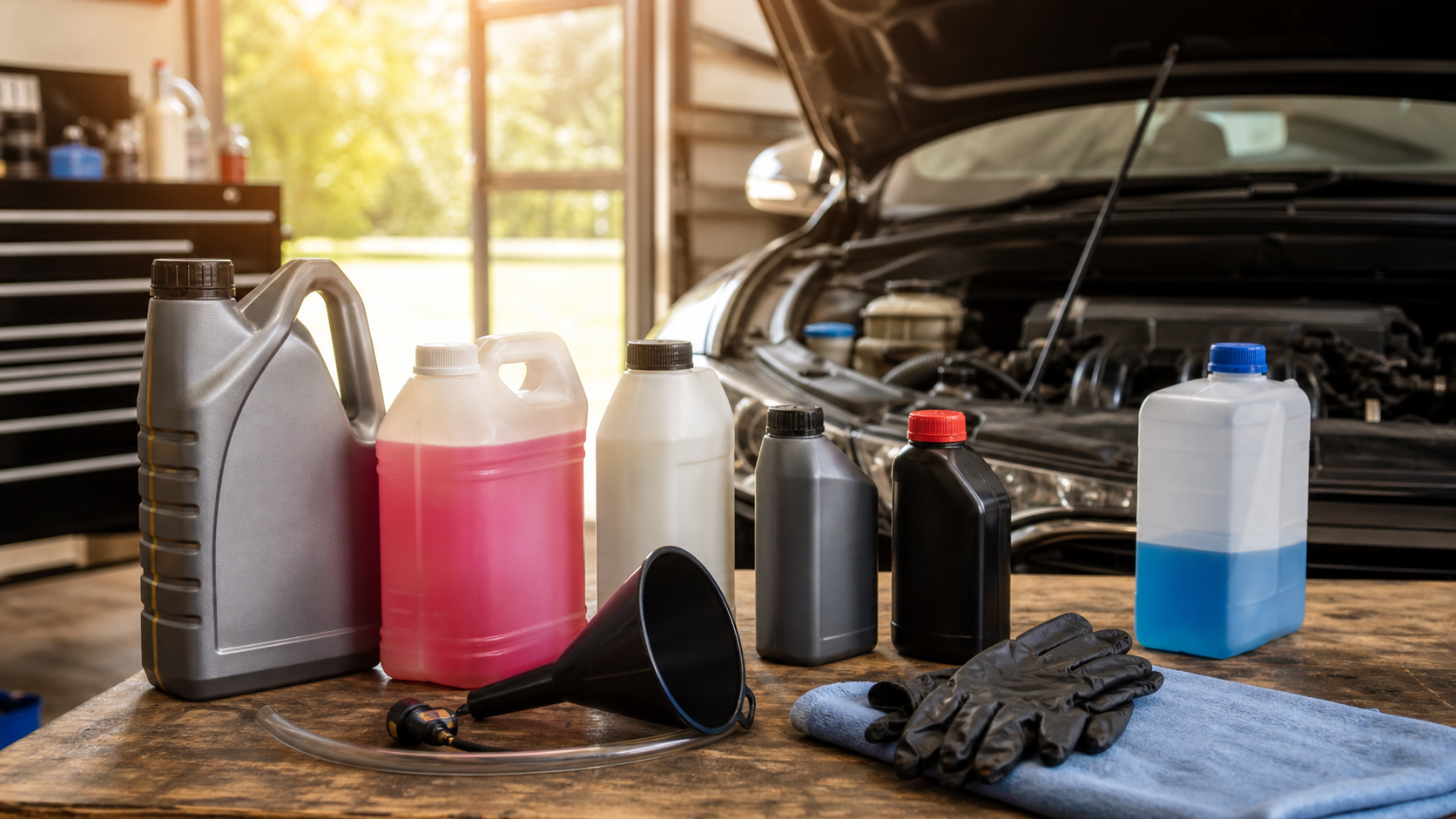
The 60,000-mile mark is where preventive maintenance becomes especially valuable. Many vehicles may need transmission fluid service, coolant replacement, brake fluid flush, spark plug inspection, belt inspection, and more detailed drivetrain checks. This is also a smart time to inspect the serpentine belt, radiator hoses, engine mounts, and suspension bushings.
For all-wheel-drive and four-wheel-drive vehicles, transfer case and differential fluids may need attention. These components often get ignored because they are out of sight, but they handle heavy mechanical loads. Fresh gear oil can protect expensive drivetrain parts and keep the vehicle operating smoothly.
Every 75,000 Miles: High-Wear Components Come Into Focus
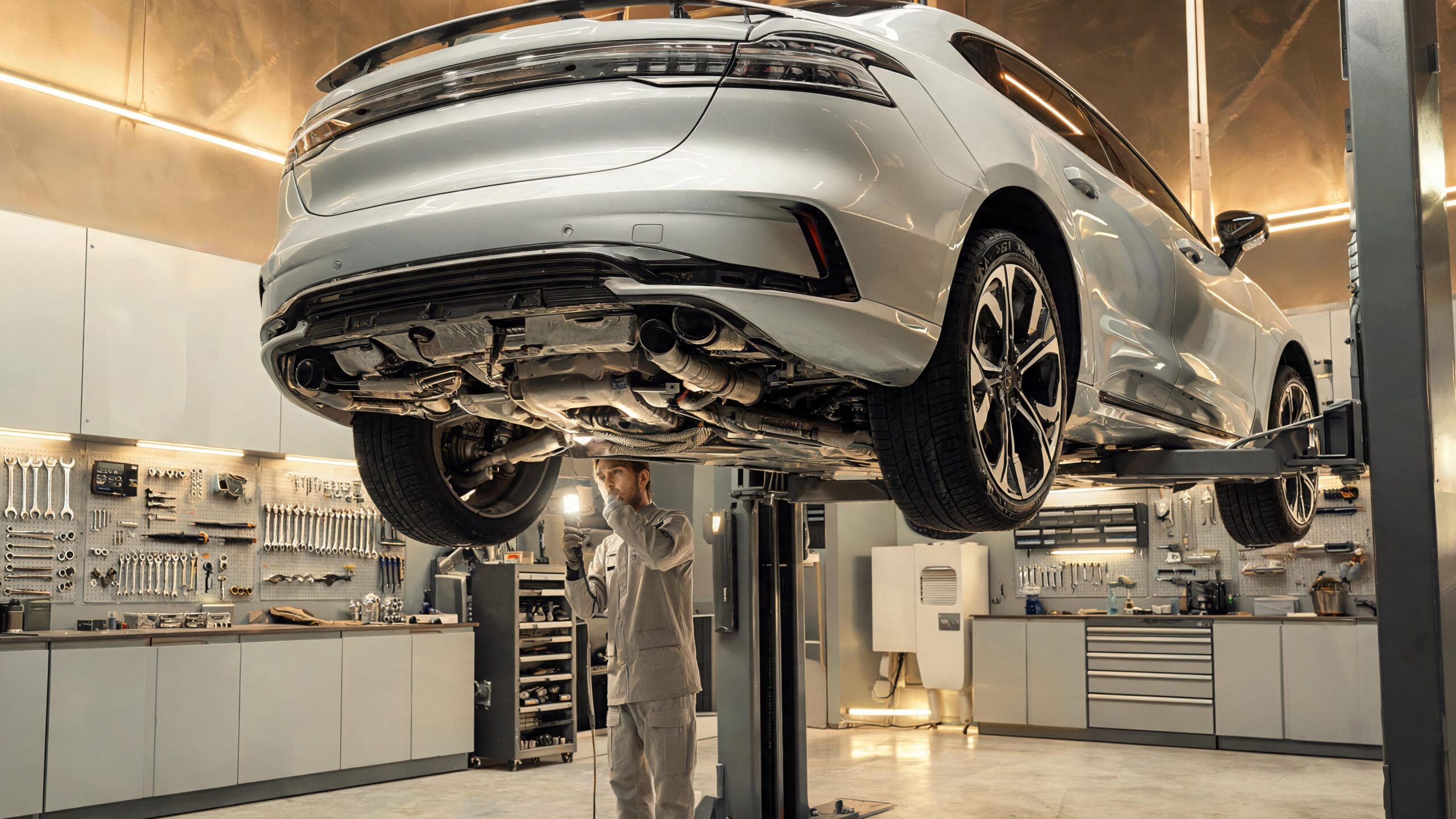
Around 75,000 miles, maintenance becomes more personalized. Two identical vehicles can look very different by this point depending on driving conditions, climate, maintenance history, and driver behavior. One car may need only routine service, while another may be due for brakes, tires, shocks, struts, or suspension repairs. This is a smart mileage point for a deep inspection. Look for leaks around the engine, transmission, differential, coolant system, and power steering system. Listen for wheel bearing noise, suspension rattles, or exhaust changes. Vehicles often give warning signs before major failures, but those signs are easy to miss without regular inspection.
Every 90,000 Miles: Preparing for the 100,000-Mile Mark
The 90,000-mile service is a preparation stage. If your vehicle has a timing belt, this is when you need to know the replacement interval. Many timing belts are due somewhere between 60,000 and 100,000 miles. Ignoring them can lead to severe engine damage.
Spark plugs may also be due around this range, depending on the vehicle. Worn spark plugs can cause rough idle, poor acceleration, lower fuel economy, and misfires. Ignition coils, plug wires, and related components should be inspected as part of the same system. A vehicle approaching 100,000 miles should be made ready for its next life chapter, not treated like it is nearing retirement.
At 100,000 Miles: The Major Maintenance Reset
Reaching 100,000 miles is a major achievement, but it is also a major service opportunity. This is the time to review everything: oil history, transmission service, coolant condition, brake fluid, spark plugs, belts, hoses, suspension, tires, battery, wheel bearings, engine mounts, and all visible leaks. A complete 100,000-mile maintenance reset can make a vehicle feel dramatically better. Fresh fluids restore protection. New plugs sharpen performance. Suspension repairs improve comfort and stability. Cooling system service protects the engine. This milestone is less about fixing what is broken and more about preparing the vehicle for another 50,000 to 100,000 miles of dependable driving.
Every 120,000 Miles: Protecting the Long-Term Drivetrain
After 120,000 miles, drivetrain maintenance becomes increasingly important. Transmission fluid, differential fluid, transfer case fluid, CV joints, axle boots, and driveshaft components should all be inspected carefully. Small drivetrain problems can become expensive if ignored.
This is also a good time to recheck the cooling system, especially the radiator, thermostat, water pump, and hoses. Heat is one of the greatest enemies of long-term vehicle reliability. A healthy cooling system can be the difference between a car that keeps going and one that suffers catastrophic engine damage.
Every 150,000 Miles: The High-Mileage Strategy
At 150,000 miles, maintenance becomes more strategic. The vehicle may still be highly dependable, but parts will naturally be deeper into their service life. Rubber components harden. Seals age. Suspension bushings crack. Sensors become less accurate. Exhaust components corrode. None of this means the vehicle is finished. It simply means inspections need to become more consistent. High-mileage owners should pay attention to oil consumption, transmission behavior, fuel economy changes, steering feel, brake response, and engine temperature. The earlier you catch changes, the more options you have. A high-mileage vehicle rewards attentive ownership.
Every 200,000 Miles and Beyond: Longevity Maintenance
Vehicles that reach 200,000 miles are usually the result of consistent care. At this stage, maintenance should focus on preserving core systems: engine, transmission, cooling, brakes, suspension, and electrical reliability. Some parts may need second or third replacements, including tires, brakes, batteries, belts, hoses, and suspension components.
The smartest approach is to compare repair cost against vehicle value and usefulness. A well-maintained older car may still be far cheaper to keep than replacing it with a new vehicle. If the frame, engine, transmission, and safety systems remain strong, mileage alone should not decide the vehicle’s future.
Maintenance by Time, Not Just Mileage
Some maintenance depends on time as much as mileage. A vehicle that sits often can still develop problems. Tires age. Batteries weaken. Fuel degrades. Seals dry out. Brake rotors rust. Fluids absorb moisture. Low-mileage vehicles are not automatically low-maintenance vehicles. Drivers who put few miles on their cars should still follow annual inspections. Oil may need replacement by time, not just distance. Brake fluid may need flushing even if the vehicle is rarely driven. The best maintenance schedule respects both the odometer and the calendar.
How Driving Conditions Change the Schedule
No single mileage schedule fits every driver perfectly. A commuter in mild weather has different maintenance needs than someone towing a trailer through mountain passes. A city driver who makes short trips will create different wear than a highway driver covering long distances at steady speed.
Severe driving usually means shortening service intervals. That may include earlier oil changes, more frequent transmission service, faster brake inspections, and closer attention to tires and cooling systems. The more demanding your driving environment, the more valuable preventive maintenance becomes.
Why Maintenance Records Matter
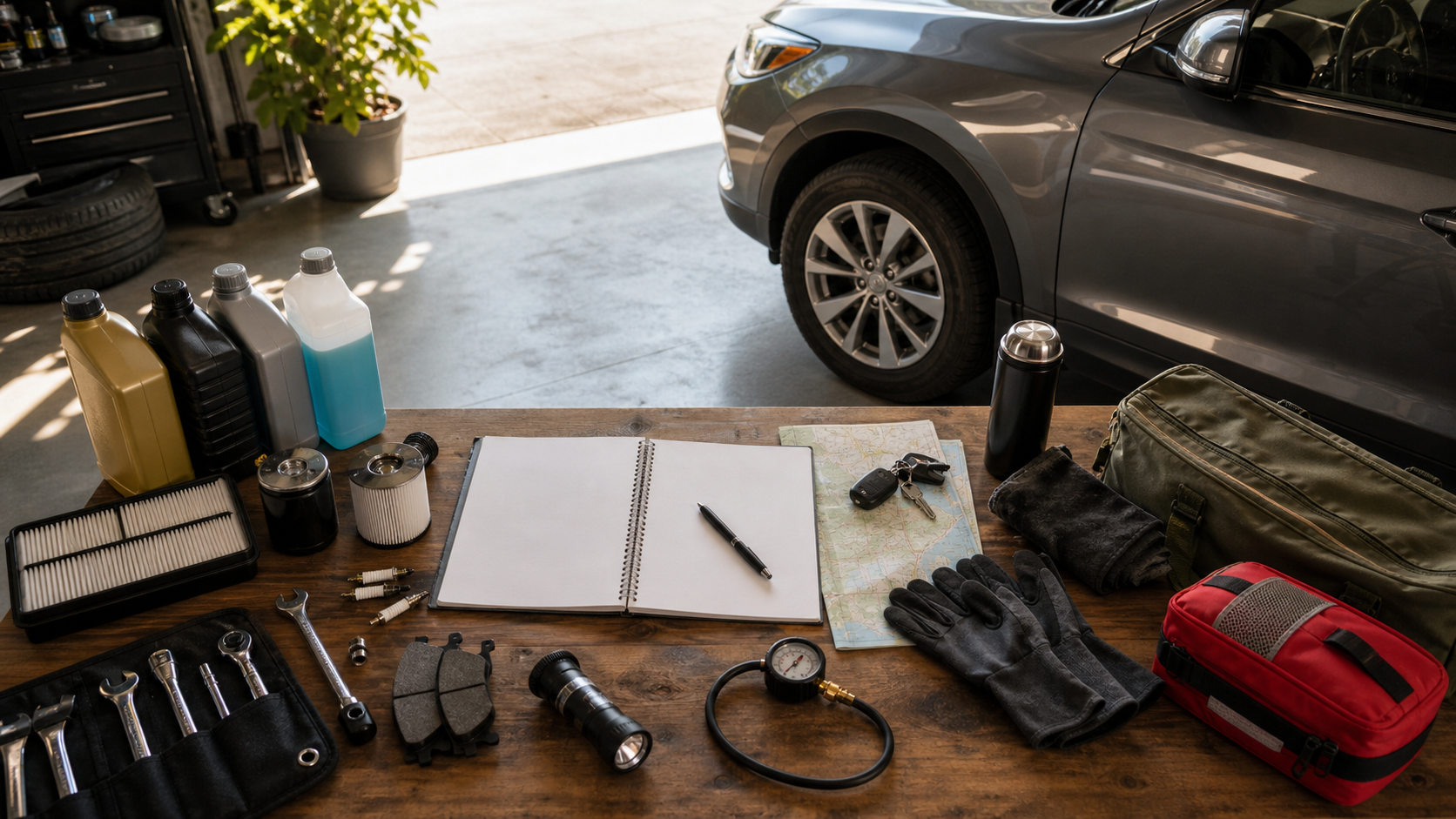
Good maintenance records are more than paperwork. They are a roadmap of the vehicle’s life. They help you avoid repeating services too soon, prevent missed intervals, and improve resale value. A buyer is far more likely to trust a vehicle with documented care than one with vague claims. Records also help mechanics diagnose recurring problems. If a vehicle has repeated coolant loss, uneven tire wear, or frequent battery failures, service history can reveal patterns. Keeping receipts, dates, mileage, and notes is one of the easiest ways to become a smarter vehicle owner.
The Smart Way to Follow a Mileage Schedule
The best vehicle maintenance schedule is flexible, not careless. Start with the manufacturer’s recommendations, then adjust based on real-world use. Pay attention to warning signs, but do not wait for warning lights. Many serious mechanical problems begin long before a dashboard alert appears.
A mileage-based maintenance plan gives drivers confidence. It turns car ownership from guesswork into a clear rhythm of care. Whether your vehicle has 10,000 miles or 210,000 miles, the goal remains the same: keep it safe, smooth, efficient, and ready for the next road ahead.