Daily Driver Mods Should Make The Car Easier To Live With
The best car mods for daily drivers improve grip, comfort, visibility, storage, technology, and reliability without making the vehicle loud, harsh, illegal, or annoying in traffic. A practical modification solves a repeated problem. Tires, lighting, floor mats, phone integration, cargo organization, suspension refreshes, and mild comfort upgrades often do more for daily life than aggressive power parts.
Daily Driver Mods Should Solve Real Problems
A daily driver has to start every morning, sit in traffic, handle bad weather, carry passengers, and remain affordable to maintain. That changes the definition of a good modification. The best daily-driver upgrades make the car more comfortable, safer, easier to control, or more durable without creating constant noise, warning lights, rubbing, harshness, or repair headaches.
Practical modification starts with the owner’s routine. Commute distance, road quality, climate, parking, passengers, cargo, warranty needs, and inspection rules all matter. A part that makes sense for a weekend car may be wrong for a vehicle that has to work Monday morning.
Tires Are The Most Useful First Upgrade
Tires affect braking, steering, ride comfort, wet grip, snow traction, noise, and fuel economy. For a daily driver, the right tire often improves the car more than power parts do. A high-quality all-season, touring, performance all-season, winter, or summer tire should be chosen for the actual climate and driving pattern.
The biggest mistake is buying for appearance alone. Oversized wheels with short sidewalls can make potholes harsher, raise tire cost, and increase wheel damage. A practical setup keeps enough sidewall for local roads while delivering the grip the driver needs.
Lighting Upgrades Need To Be Responsible
Better lighting can improve night confidence, but it has to be done correctly. Fresh headlight lenses, properly aimed lamps, quality bulbs, and clean housings can make a large difference. Bad LED swaps in housings not designed for them can scatter glare and make the road less safe for everyone.
Daily drivers benefit from clear, legal, well-aimed lighting. Fog lamps, auxiliary lamps, and brighter bulbs should support visibility without blinding other drivers. A lighting upgrade is successful when it improves control, not when it simply looks brighter from outside the car.
Brake Maintenance Beats Flashy Hardware
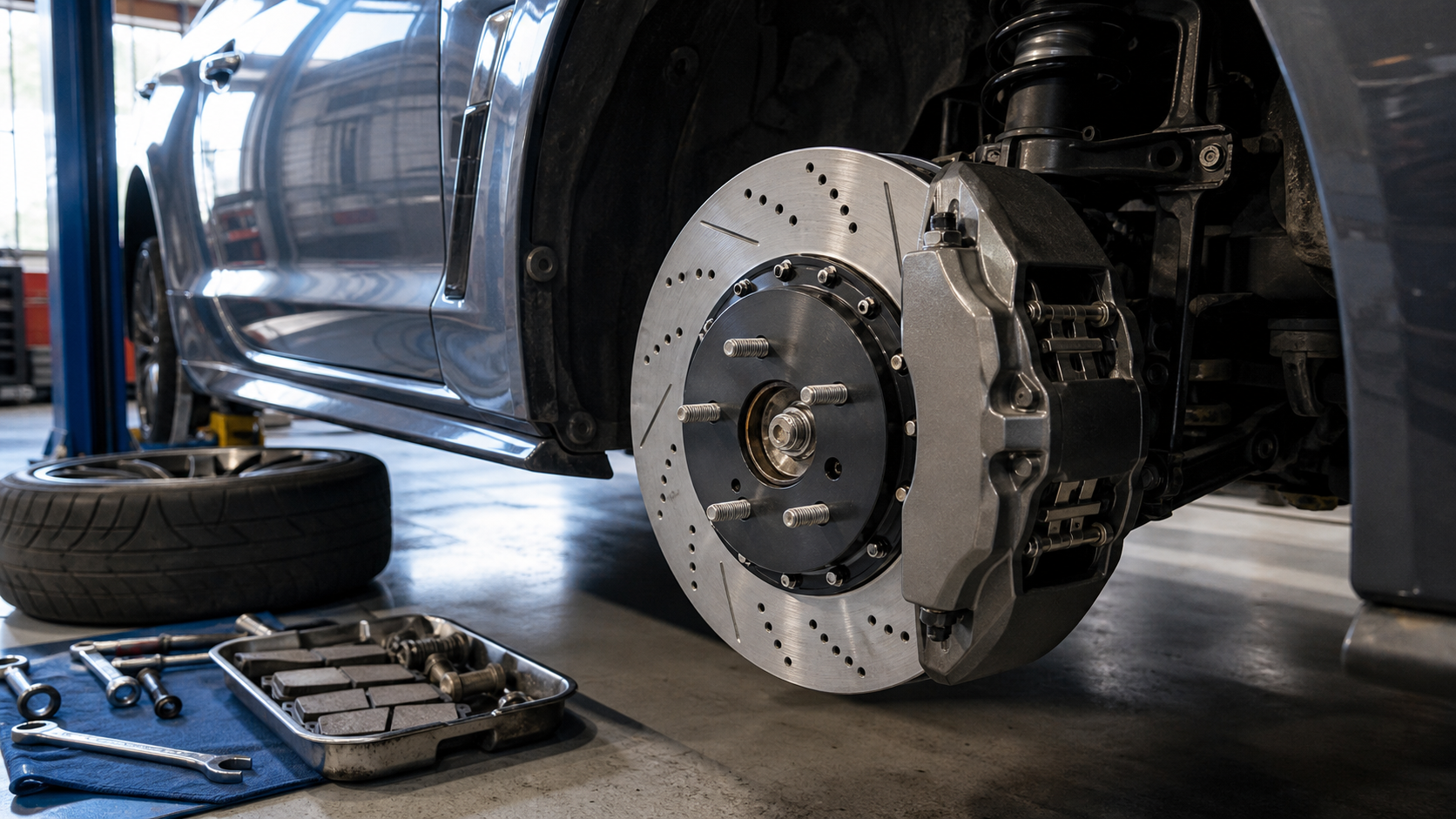
A commuter car rarely needs huge brakes, but it absolutely needs consistent braking. Good pads, healthy rotors, fresh brake fluid, lubricated slide pins, sound hoses, and quality tires matter more than appearance. A firm, predictable pedal is worth more than calipers chosen only for color.
If the car sees mountain roads, heavy loads, or repeated high-speed stops, upgraded pads and fluid may help. The setup still needs to work cold, in rain, and during routine traffic. Practical brakes are quiet enough to live with and strong enough to trust.
Suspension Should Improve Control Without Punishment
Lowering a daily driver can improve looks and reduce body movement, but going too low can create scraping, poor alignment, harsh ride, and damaged tires. The suspension needs enough travel to handle broken pavement. Quality dampers, fresh bushings, and a sensible alignment often do more for daily confidence than extreme ride height.
A practical suspension upgrade makes the car feel composed. It should steer cleanly, absorb ordinary bumps, and remain stable during emergency maneuvers. If every driveway becomes stressful, the modification has drifted away from daily use.
Interior Upgrades Matter More Than People Admit
Daily driving happens inside the car, so interior changes can have real value. Better floor mats, phone mounting, seat support, cargo organizers, dash cameras, sound insulation, sun shades, and restored climate controls can make a vehicle easier to live with. These upgrades may not be glamorous, but they improve every trip.
Comfort also affects safety. A driver who can see clearly, reach controls, keep the cabin organized, and stay comfortable is less distracted. Practical interior work supports the way the car is actually used.
Power Mods Need Reliability Margin
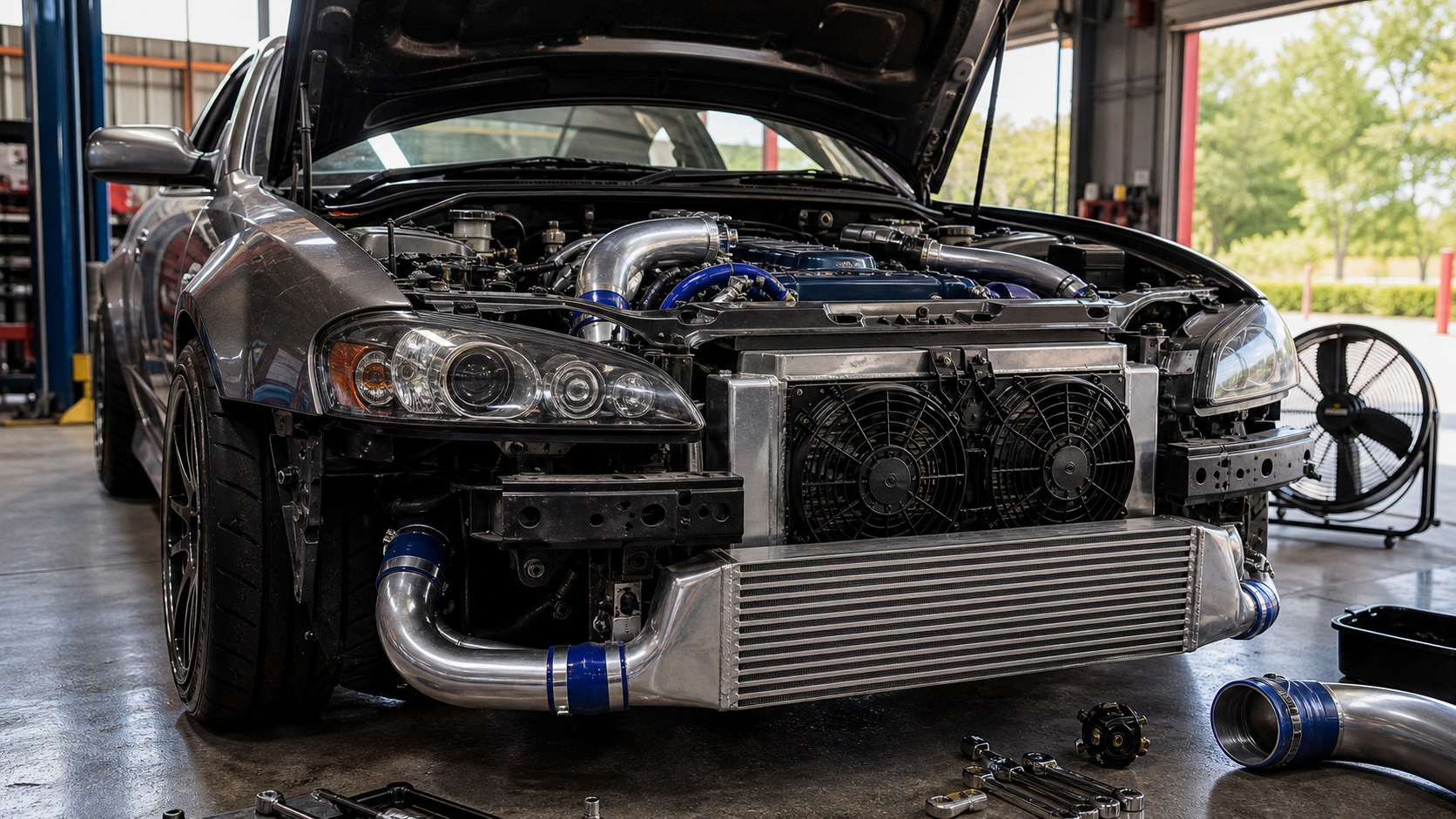
A daily driver can be tuned, but the tune should leave room for heat, fuel quality, traffic, and long service intervals. Aggressive power increases can stress cooling, clutches, transmissions, mounts, tires, and emissions equipment. The question is not only whether the car can make more power, but whether it can do so repeatedly without becoming fragile.
A mild, well-supported tune on a healthy vehicle may be enjoyable. It should be paired with maintenance, monitoring where appropriate, and realistic expectations. A daily car that becomes unreliable has lost the main advantage of being modified in the first place.
Audio And Tech Upgrades Should Stay Clean
Modern audio, navigation, charging ports, backup cameras, and infotainment improvements can make an older car feel much newer. The best installations use proper wiring, secure mounting, correct fusing, and clean integration with steering-wheel controls or factory systems. Poor wiring can create battery drain, rattles, or electrical faults.
Tech upgrades should reduce friction, not add distraction. A clear screen, reliable Bluetooth, good phone charging, and a well-placed camera can improve daily use. Complicated systems that require fiddling while driving are the wrong direction.
Protection Mods Preserve The Car
Paint protection film, mud flaps, splash guards, cargo liners, seat covers, ceramic coatings, underbody protection, and rust prevention can be worthwhile on daily drivers. These parts protect against road debris, salt, pets, cargo, sun, and weather. They are especially useful when the owner plans to keep the car for years.
Protection upgrades should be chosen for the environment. A car in a snowy region needs different protection than one parked in desert sun. Preserving condition is a practical modification because it protects resale value and reduces wear.
Legal And Insurance Issues Still Matter
A daily driver has to pass inspection, remain insurable, and avoid enforcement problems. Illegal tint, loud exhausts, emissions deletes, unsafe lighting, and extreme ride height can create more trouble than benefit. The car may be modified, but it still shares public roads and must remain compliant.
Owners should also document expensive parts and ask whether coverage is needed for modifications. A practical build is one that can be driven, repaired, insured, and sold without constant explanation.
The Best Daily Build Feels Effortless
A well-modified daily driver feels like a better version of the original car. It stops confidently, rides cleanly, stays quiet enough, handles weather, protects its interior, and carries the driver’s routine without fuss. The modifications support the car’s mission instead of fighting it.
That balance is why daily-driver builds can be so satisfying. They improve the vehicle people actually use, not only the one imagined for perfect roads and empty weekends.
Cold Starts And Short Trips Shape The Build
Daily drivers often live through cold starts, short errands, school lines, and stop-and-go traffic. A modification that works beautifully on a warm weekend drive may be annoying when the engine is cold or the cabin needs to defrost. Exhaust drone, rough idle, stiff clutches, and touchy throttle maps become larger problems when repeated every day.
Good daily modifications respect those boring conditions. The car should idle smoothly, warm normally, clear the windshield, and move gently through traffic. Practical performance is the kind the owner can enjoy without planning the whole day around the car.
Dash Cameras Add Practical Protection
A dash camera is one of the most useful daily-driver upgrades because it can document crashes, road incidents, parking damage, and insurance disputes. It does not improve horsepower or handling, but it can protect the owner when facts matter. The best installations use clean wiring and do not block visibility.
Parking mode, rear cameras, and battery protection features may be useful depending on where the car is parked. A dash camera should be treated as part of the vehicle’s daily-use toolkit, especially in heavy traffic or crowded parking areas.
Weather Preparation Is A Modification Strategy
All-weather floor liners, winter tires, better wiper blades, washer fluid suited to climate, ceramic glass treatment, mud flaps, and battery health checks can make a daily driver much more dependable. Weather exposes weak choices quickly. A low car with summer tires may be fun in July and miserable in a cold rain.
The best practical build changes by region. Snow, heat, dust, rain, salt, and sun all shape what upgrades make sense. A daily driver should be built for the weather it actually sees.
Serviceability Should Stay Simple
Some modifications make routine maintenance harder. Hidden filters, hard-to-reach plugs, nonstandard wheels, rare brake pads, difficult alignments, and custom wiring can turn simple service into an expensive job. That may be acceptable on a show car, but it is frustrating on transportation.
Daily-driver upgrades should use parts that can be inspected, replaced, and supported. The car will need tires, brakes, fluids, bulbs, and repairs later. A practical build thinks ahead to the next service visit.
Noise Levels Matter Over Time
Exhaust, tire, intake, and suspension noise may sound exciting during a short drive, but daily repetition changes the experience. Highway drone, stiff mounts, loud tires, and rattling trim can make a car tiring. A practical daily build considers how the vehicle sounds after an hour, not only how it sounds leaving a meet.
Sound deadening, better tires, clean exhaust design, and secure interior panels can preserve comfort. A car can feel sportier without shouting through every commute.
Resale Value Deserves Some Thought
Daily-driver modifications can affect resale value. Reversible upgrades, documented parts, clean installation, and preserved factory components usually make the car easier to sell later. Extreme changes may narrow the buyer pool even if they suit the current owner. A practical build leaves a future path.
This does not mean every car must stay stock. It means the owner should know which changes are permanent, which are legal, and which a future buyer may question. Clean work ages better than rushed work.
Balance Makes The Car Feel Finished
The best daily-driver builds feel complete because the tires, brakes, suspension, interior, and power level all agree with each other. A loud exhaust on a soft, worn-out car can feel unfinished. Big power with weak tires feels nervous. Strong brakes with old fluid still disappoint.
Balanced upgrades create trust. The driver can enjoy the car in normal life because no single change overwhelms the rest of the vehicle.
Daily Driver Mods Should Be Easy To Undo
Reversible modifications are valuable on daily drivers because life changes. A commute may get longer, roads may get rougher, a new driver may share the car, or inspection rules may become more important. Wheels, tires, suspension parts, audio upgrades, cargo protection, and lighting changes are easier to live with when the owner can return to a known baseline.
Keeping factory parts, receipts, alignment sheets, and service notes helps. It gives the owner options and makes future diagnosis easier. A daily driver should never become so customized that normal maintenance turns into detective work.
The Best Practical Build Ages Well
A good daily-driver build should still make sense after the novelty fades. The ride should be tolerable in bad weather, the cabin should remain useful, the tires should not be impossible to replace, and the car should not attract constant trouble. Practical modifications earn their place through repeated use.
The final test is simple: does the car make ordinary driving better without creating new problems every week? If the answer is yes, the build is working.
Daily Driver Mods Need Comfort And Reliability
The best daily-driver modifications improve the car without making every commute harder. Tires, brake pads, alignment, lighting, mild suspension upgrades, better seats, practical storage, sound control, and careful tuning can make a vehicle feel sharper while preserving comfort. A daily car still needs to handle traffic, weather, parking lots, and long errands.
Reliability should guide the build. A modification that adds noise, harshness, warning lights, rubbing, poor fuel economy, or constant maintenance can become tiring quickly. The strongest practical mods feel like the car should have come that way from the factory.