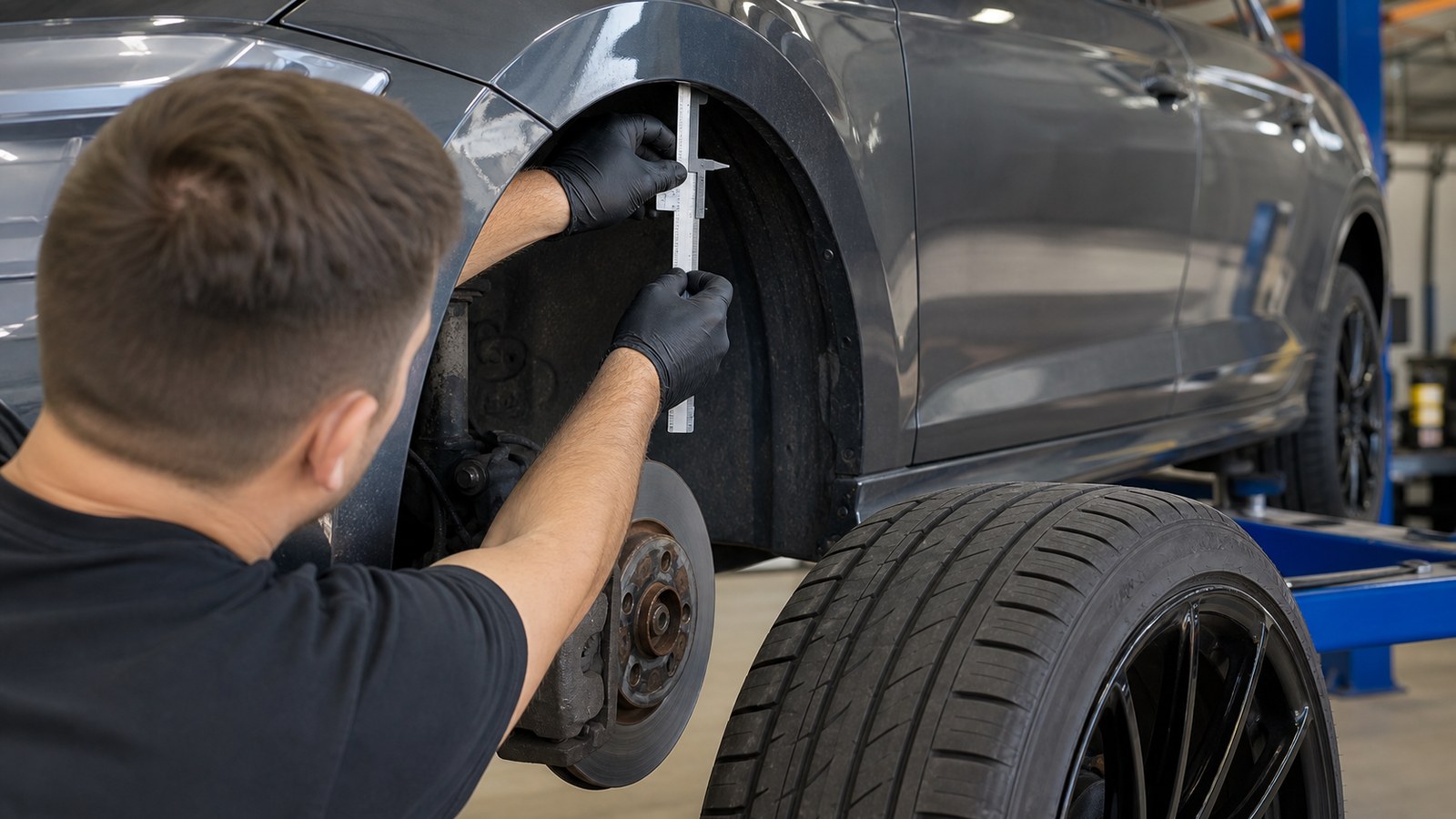
Wheel And Tire Fitment Works When It Still Drives Well
Wheel and tire fitment is the relationship between wheel size, width, offset, tire diameter, sidewall, brake clearance, suspension travel, fender space, load rating, and alignment. Good fitment can sharpen steering, improve grip, and make a car look more intentional. Bad fitment creates rubbing, harsh ride, poor wet grip, tire wear, speedometer error, bearing stress, and safety problems.
Why Wheel And Tire Fitment Matter
Wheel And Tire Fitment matter because they connect design choices to daily ownership. For owners choosing a better stance without ruining drivability, the subject is not only a matter of taste; it changes size, offset, clearance, tire quality, ride comfort, steering feel, braking, speedometer accuracy, and suspension travel. A good decision starts by asking what the vehicle needs to do, what conditions it will face, and what tradeoffs the owner can live with over time.
A wheel that looks perfect parked can rub badly when the suspension compresses with passengers aboard. That kind of detail is why broad claims are not enough. The useful approach is to look at the complete vehicle, compare the supporting systems, and judge whether the choice creates a setup that looks intentional and still drives cleanly every day.
Start With The Vehicle Mission
The right answer depends on mission. A commuter, weekend cruiser, family vehicle, tow rig, show car, track-day build, and daily driver all place different stress on the same parts. What looks ideal for one use can become annoying or risky in another. The owner should define the normal week before choosing parts, services, or technology.
A clear mission prevents overbuilding and underbuilding. Overbuilding can waste money and reduce comfort. Underbuilding can create failures, safety problems, or disappointment. The best plan fits the car’s weight, power, route, climate, maintenance habits, and the owner’s tolerance for compromise.
The Supporting Systems Decide Success
Wheel And Tire Fitment depend on more than the headline component. The relevant systems include wheel width, diameter, offset, bolt pattern, hub bore, tire sidewall, load rating, alignment, fenders, brakes, and suspension geometry. If one piece is ignored, the whole plan can suffer. A change that improves one metric may weaken comfort, reliability, legality, or long-term cost if the surrounding systems are not ready.
This is why balanced planning matters. A vehicle is a network of parts that share loads, heat, vibration, and control decisions. Strong results come from matching the upgrade or choice to the rest of the machine instead of treating it as an isolated purchase.
Fitment And Compatibility Come First
Compatibility should be confirmed before money is spent. Physical clearance, software behavior, warranty terms, service access, inspection rules, and manufacturer limits can all affect whether a choice works. A part or service that technically fits may still create problems if it changes another system outside its intended range.
Good compatibility checks are practical. Measure when needed, read specifications carefully, confirm load ratings, check service guidance, and understand how the change affects maintenance. The easiest problem to solve is the one caught before installation.
Heat, Load, And Wear Are The Real Tests
Many automotive choices look good under light use but reveal weaknesses under heat, load, and repetition. Long highway trips, mountain grades, towing, summer traffic, winter starts, rough pavement, and repeated hard driving expose whether the system has enough margin. The first impression is useful, but sustained behavior matters more.
The common risks include rubbing, vibration, poor wet grip, cracked wheels, accelerated wear, speedometer error, and unsafe load capacity. These risks do not mean the idea is bad. They mean the vehicle needs enough cooling, strength, traction, maintenance, and verification to keep the result useful after the excitement wears off.
Street Use Needs A Different Standard
A street vehicle has to work when it is raining, cold, loaded with passengers, stuck in traffic, parked outside, and driven by someone who may not be thinking about the machinery every second. That standard is different from a show display, a short test pull, or a perfect-weather weekend drive. Street use rewards consistency.
The best street-focused choice keeps safety and manners intact. It should not create constant rubbing, overheating, warning lights, harshness, inspection trouble, or maintenance anxiety. A car that works every day is more impressive than one that only works under narrow conditions.
Cost Includes More Than The Initial Price
The purchase price is only the beginning. Tires, fluids, repairs, insurance, cleaning, inspection, alignment, replacement parts, labor, downtime, and resale value all belong in the cost picture. A cheaper option can become expensive if it wears quickly or creates follow-up repairs. A more expensive option can be worthwhile if it lasts longer and protects the vehicle.
Owners should think in total cost rather than sticker cost. The best value is not always the lowest price. It is the choice that performs well, lasts reasonably, and avoids creating problems that were not there before.
Maintenance Keeps The Result Honest
Maintenance is what separates a good plan from a short-lived one. Inspections, cleaning, torque checks, fluid service, alignment, software updates, and careful driving habits all help preserve the result. Even high-quality parts need attention because vehicles live in heat, water, dust, salt, vibration, and potholes.
A maintenance plan should match the change. More performance, more weight, larger tires, new finishes, or different usage can require different intervals. Owners who adjust maintenance to the new reality usually get better life from the vehicle.
Testing Should Be Specific
After a change or purchase, the owner should test the vehicle in the conditions that matter. That may include highway speed, parking, rain, rough pavement, braking, low-speed turns, cargo loading, charging stops, or repeated acceleration. Testing proves whether the idea works beyond the driveway.
Specific testing also catches problems early. Noise, vibration, rubbing, heat, warning lights, uneven wear, poor response, or unexpected behavior should be addressed before it becomes normal. The goal is evidence, not guesswork.
Legal And Warranty Issues Deserve Attention
Local laws, emissions rules, safety inspections, equipment standards, insurance terms, and warranty coverage can shape what is reasonable. Some changes are harmless in one place and illegal in another. Some repairs or modifications may affect coverage if they contribute to a failure. Ignoring those rules can make a good idea expensive later.
Owners should understand the rules that apply where the vehicle is registered and driven. A street car has to satisfy more than personal preference. It has to remain safe, insurable, serviceable, and legal enough for the life the owner expects.
Resale Depends On Trust
Future buyers care about whether the vehicle looks cared for, works correctly, and has records. Choices that are clean, reversible, documented, and well maintained usually inspire more confidence than mystery changes or visible shortcuts. Even when a buyer likes the same style, poor workmanship reduces trust quickly.
Documentation helps. Receipts, specifications, alignment sheets, maintenance notes, product details, and before-and-after records make the vehicle easier to evaluate. Trust is part of value.
The Best Choice Is Balanced
The strongest decisions are balanced around a setup that looks intentional and still drives cleanly every day. They respect the vehicle’s mission, the owner’s budget, the supporting systems, and the conditions the car actually sees. A single impressive trait is not enough if it creates problems everywhere else.
Wheel And Tire Fitment are most successful when they make the vehicle easier to enjoy and easier to trust. The result should feel intentional, durable, and suited to the way the car is really used.
Offset Changes More Than Stance
Wheel offset controls where the wheel sits relative to the hub. A lower offset can push the wheel outward for a wider stance, while a higher offset tucks it inward. That change affects fender clearance, suspension clearance, scrub radius, steering feel, bearing load, and how the tire moves through its travel. A stance that looks right while parked can behave differently under braking, cornering, or bumps.
Fitment should be checked dynamically, not only visually. The wheel and tire need room when the suspension compresses, the steering turns, passengers sit in the car, and the body rolls. Clearance at rest is only the first question. Real driving uses the whole space.
Tire Sidewall Controls Comfort
Upsizing wheels often means reducing tire sidewall height to keep the overall diameter close to stock. A shorter sidewall can sharpen steering and improve appearance, but it can also make the ride harsher and increase the risk of wheel damage from potholes. More sidewall can feel less aggressive visually, yet protect wheels and improve comfort on rough roads.
The right sidewall depends on road quality and use. A daily driver in a pothole-heavy city may benefit from moderation. A show car may prioritize stance. A track car may prioritize tire compound and predictable response. Fitment is successful when the tire serves the job rather than only the photo.
Load Rating And Speed Rating Matter
Tires must be rated for the vehicle’s weight, speed capability, and use. A tire that fits physically may still be unsafe if the load rating is too low. This matters for EVs, trucks, SUVs, and vehicles that carry passengers or cargo regularly. Wheels also need appropriate load ratings. The visual match is not enough.
Speed rating, temperature behavior, wet grip, treadwear, and seasonal suitability all matter too. A tire chosen only for size may disappoint in rain, cold weather, or long highway use. Safe fitment starts with specifications before appearance.
Alignment Finishes The Setup
Changing wheels, tires, ride height, or suspension parts can change alignment needs. Camber, toe, caster, and ride height affect tire wear, steering feel, stability, and clearance. A flush setup with poor alignment may chew through tires quickly or wander on the highway. Alignment is not an afterthought; it is part of the fitment.
Owners should get an alignment after meaningful suspension or wheel changes and keep the printout. The numbers help diagnose wear later and show whether the setup is sensible. A good-looking fitment that drives straight and wears evenly is the real win.
Brake Clearance Must Be Verified
Wheel fitment has to clear the brake package, not only the fender. Caliper shape, spoke design, barrel diameter, wheel weights, and big-brake kits can all create interference. Two wheels with the same diameter and offset may clear differently because spoke profile varies. Test fitting or using verified fitment data prevents expensive surprises.
Spacers can help in some cases, but they need correct hub-centric design, thread engagement, torque, and legal consideration. A spacer used casually can introduce vibration or safety risk. Clearance solutions should be treated as engineering choices, not quick cosmetics.
Fitment Should Survive Real Loads
A setup should be checked with passengers, cargo, steering lock, driveway angles, and suspension compression. Lowered vehicles especially need room for bump travel. If the tire touches the fender liner or body during normal use, the setup is not finished. Rubbing can damage tires, paint, wiring, and liners.
The cleanest fitment is one that looks good and behaves quietly. No rubbing, no vibration, no wandering, no strange wear, and no cracked wheels. That is the difference between stance and drivability working together.
Fitment Should Leave Room For Real Roads
Wheel and tire fitment can transform a car’s stance, but street fitment still needs clearance for steering, suspension travel, passengers, cargo, rain, potholes, and driveway angles. A setup that looks perfect while parked can rub, tramline, ride harshly, or damage tires if it ignores the way the vehicle actually moves.
The best fitment balances wheel width, offset, tire size, sidewall height, alignment, brake clearance, and fender space. Good measurement matters more than guessing from photos. A clean setup should look intentional and still let the car drive confidently on ordinary roads.