Paint, Wraps, And Finishes Decide How A Vehicle Ages Visually
Paint, wraps, and finishes protect a vehicle, shape its identity, and affect resale value. Factory paint, custom paint, vinyl wraps, paint protection film, ceramic coatings, matte finishes, color-change work, pinstriping, patina, and detailing all solve different problems. The right finish depends on budget, durability, repairability, sun exposure, maintenance habits, and whether the vehicle is a daily driver, show car, work truck, or weekend build.
Why Paint, Wraps, And Finishes Matter
Paint, Wraps, And Finishes matter because they connect design choices to daily ownership. For owners comparing paint correction, vinyl wraps, ceramic coatings, and protective film, the subject is not only a matter of taste; it changes appearance, durability, surface preparation, cost, maintenance, reversibility, repairability, and resale. A good decision starts by asking what the vehicle needs to do, what conditions it will face, and what tradeoffs the owner can live with over time.
A high-quality wrap can look excellent, but it cannot hide damaged paint without careful preparation. That kind of detail is why broad claims are not enough. The useful approach is to look at the complete vehicle, compare the supporting systems, and judge whether the choice creates a finish plan that protects the car and matches the owner’s budget and expectations.
Start With The Vehicle Mission
The right answer depends on mission. A commuter, weekend cruiser, family vehicle, tow rig, show car, track-day build, and daily driver all place different stress on the same parts. What looks ideal for one use can become annoying or risky in another. The owner should define the normal week before choosing parts, services, or technology.
A clear mission prevents overbuilding and underbuilding. Overbuilding can waste money and reduce comfort. Underbuilding can create failures, safety problems, or disappointment. The best plan fits the car’s weight, power, route, climate, maintenance habits, and the owner’s tolerance for compromise.
The Supporting Systems Decide Success
Paint, Wraps, And Finishes depend on more than the headline component. The relevant systems include clear coat, primer, base coat, vinyl film, adhesive, paint protection film, ceramic coating, polishing, washing, and sun exposure. If one piece is ignored, the whole plan can suffer. A change that improves one metric may weaken comfort, reliability, legality, or long-term cost if the surrounding systems are not ready.
This is why balanced planning matters. A vehicle is a network of parts that share loads, heat, vibration, and control decisions. Strong results come from matching the upgrade or choice to the rest of the machine instead of treating it as an isolated purchase.
Fitment And Compatibility Come First
Compatibility should be confirmed before money is spent. Physical clearance, software behavior, warranty terms, service access, inspection rules, and manufacturer limits can all affect whether a choice works. A part or service that technically fits may still create problems if it changes another system outside its intended range.
Good compatibility checks are practical. Measure when needed, read specifications carefully, confirm load ratings, check service guidance, and understand how the change affects maintenance. The easiest problem to solve is the one caught before installation.
Heat, Load, And Wear Are The Real Tests
Many automotive choices look good under light use but reveal weaknesses under heat, load, and repetition. Long highway trips, mountain grades, towing, summer traffic, winter starts, rough pavement, and repeated hard driving expose whether the system has enough margin. The first impression is useful, but sustained behavior matters more.
The common risks include poor prep, trapped dirt, lifting edges, uneven gloss, clear-coat damage, cheap film, and unrealistic lifespan claims. These risks do not mean the idea is bad. They mean the vehicle needs enough cooling, strength, traction, maintenance, and verification to keep the result useful after the excitement wears off.
Street Use Needs A Different Standard
A street vehicle has to work when it is raining, cold, loaded with passengers, stuck in traffic, parked outside, and driven by someone who may not be thinking about the machinery every second. That standard is different from a show display, a short test pull, or a perfect-weather weekend drive. Street use rewards consistency.
The best street-focused choice keeps safety and manners intact. It should not create constant rubbing, overheating, warning lights, harshness, inspection trouble, or maintenance anxiety. A car that works every day is more impressive than one that only works under narrow conditions.
Cost Includes More Than The Initial Price
The purchase price is only the beginning. Tires, fluids, repairs, insurance, cleaning, inspection, alignment, replacement parts, labor, downtime, and resale value all belong in the cost picture. A cheaper option can become expensive if it wears quickly or creates follow-up repairs. A more expensive option can be worthwhile if it lasts longer and protects the vehicle.
Owners should think in total cost rather than sticker cost. The best value is not always the lowest price. It is the choice that performs well, lasts reasonably, and avoids creating problems that were not there before.
Maintenance Keeps The Result Honest
Maintenance is what separates a good plan from a short-lived one. Inspections, cleaning, torque checks, fluid service, alignment, software updates, and careful driving habits all help preserve the result. Even high-quality parts need attention because vehicles live in heat, water, dust, salt, vibration, and potholes.
A maintenance plan should match the change. More performance, more weight, larger tires, new finishes, or different usage can require different intervals. Owners who adjust maintenance to the new reality usually get better life from the vehicle.
Testing Should Be Specific
After a change or purchase, the owner should test the vehicle in the conditions that matter. That may include highway speed, parking, rain, rough pavement, braking, low-speed turns, cargo loading, charging stops, or repeated acceleration. Testing proves whether the idea works beyond the driveway.
Specific testing also catches problems early. Noise, vibration, rubbing, heat, warning lights, uneven wear, poor response, or unexpected behavior should be addressed before it becomes normal. The goal is evidence, not guesswork.
Legal And Warranty Issues Deserve Attention
Local laws, emissions rules, safety inspections, equipment standards, insurance terms, and warranty coverage can shape what is reasonable. Some changes are harmless in one place and illegal in another. Some repairs or modifications may affect coverage if they contribute to a failure. Ignoring those rules can make a good idea expensive later.
Owners should understand the rules that apply where the vehicle is registered and driven. A street car has to satisfy more than personal preference. It has to remain safe, insurable, serviceable, and legal enough for the life the owner expects.
Resale Depends On Trust
Future buyers care about whether the vehicle looks cared for, works correctly, and has records. Choices that are clean, reversible, documented, and well maintained usually inspire more confidence than mystery changes or visible shortcuts. Even when a buyer likes the same style, poor workmanship reduces trust quickly.
Documentation helps. Receipts, specifications, alignment sheets, maintenance notes, product details, and before-and-after records make the vehicle easier to evaluate. Trust is part of value.
The Best Choice Is Balanced
The strongest decisions are balanced around a finish plan that protects the car and matches the owner’s budget and expectations. They respect the vehicle’s mission, the owner’s budget, the supporting systems, and the conditions the car actually sees. A single impressive trait is not enough if it creates problems everywhere else.
Paint, Wraps, And Finishes are most successful when they make the vehicle easier to enjoy and easier to trust. The result should feel intentional, durable, and suited to the way the car is really used.
Paint Correction Starts With The Clear Coat
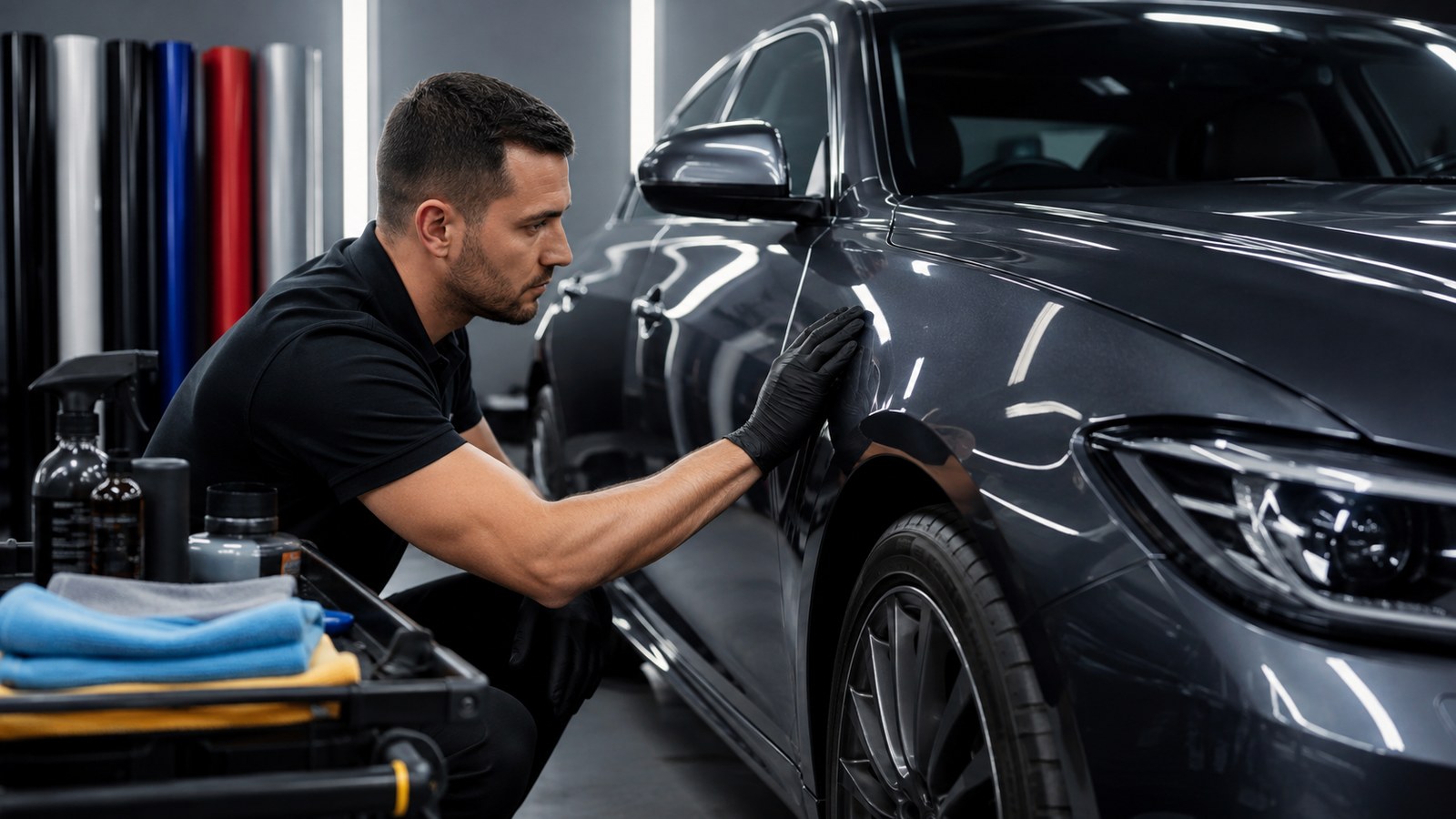
Most modern automotive paint uses a base coat and clear coat. The clear coat provides gloss and protection, but it has limited thickness. Paint correction removes or refines tiny amounts of clear coat to reduce swirls, oxidation, sanding marks, or dullness. The work can make a car look dramatically better, but it must be done with restraint because clear coat cannot be polished forever.
A responsible detailer measures, inspects, tests, and chooses the least aggressive method that produces the desired result. Deep scratches may be improved rather than fully removed. The goal is better appearance while preserving long-term paint health. Aggressive correction can create short-term shine and long-term risk.
Wraps Need Clean Paint Underneath
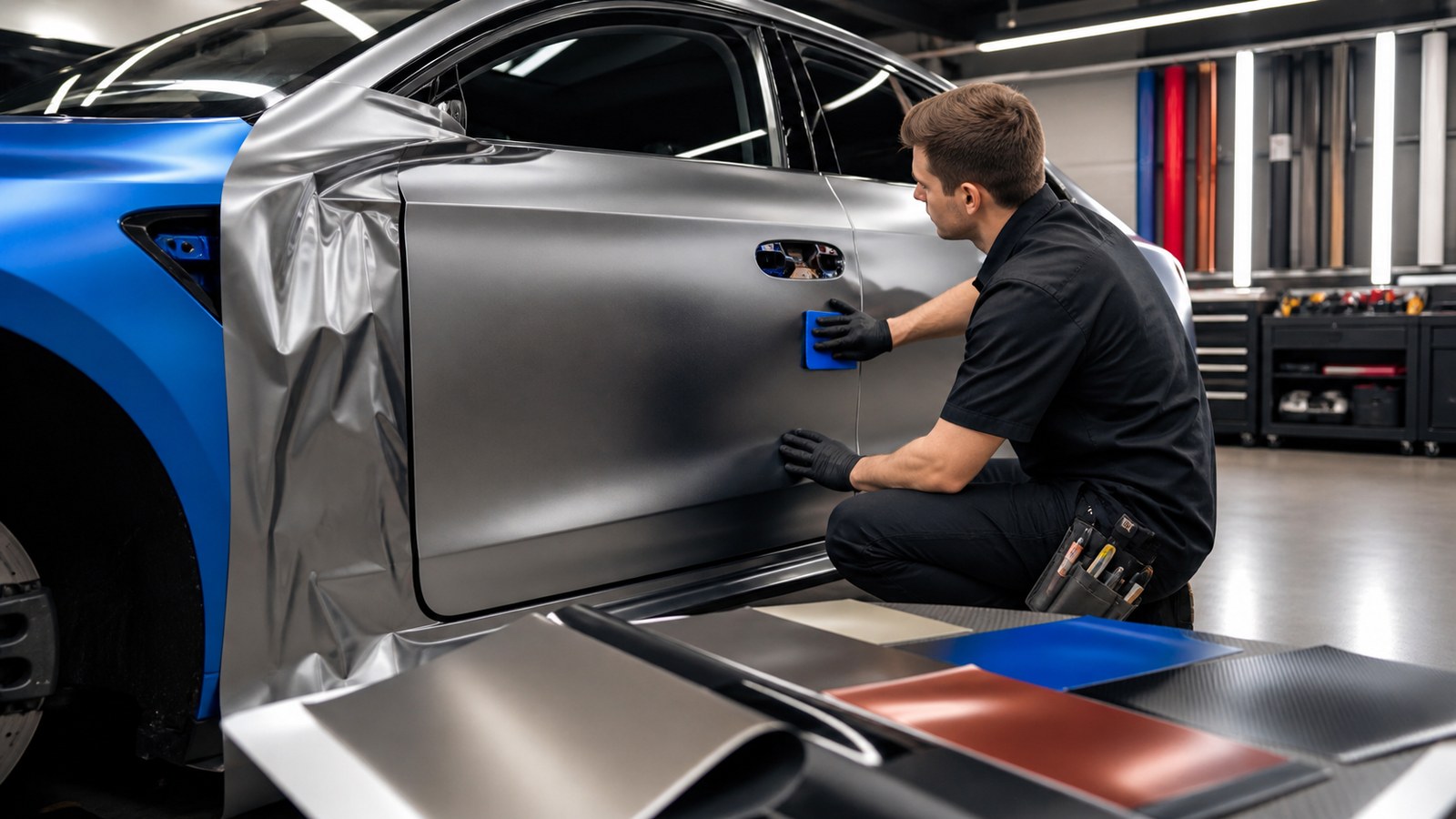
Vinyl wraps depend on the surface below them. Clean, smooth, healthy paint gives the film a better chance to adhere evenly and remove cleanly later. Peeling clear coat, rust, rough bodywork, wax, silicone, dirt, and deep chips can cause lifting, texture, or removal damage. A wrap can change color and style, but it is not a repair for a neglected finish.
Edges, recesses, door jambs, mirrors, bumpers, and sharp curves are where workmanship becomes visible. Cheap film or rushed installation may look acceptable at first and then shrink, lift, or fade. Wrap quality depends on material, preparation, installer skill, and maintenance.
Paint Protection Film Has A Different Job
Paint protection film is usually thicker than color-change vinyl and is designed to absorb rock chips, road debris, bug impact, and light abrasion. It is common on front bumpers, hoods, fenders, mirrors, rocker panels, and high-wear areas. It does not make the car invincible, but it can protect vulnerable surfaces better than wax or ceramic coating alone.
The tradeoffs are cost, edge visibility, installation quality, and eventual replacement. Film can yellow, stain, lift, or become damaged over time. Good film on the right areas can preserve value, especially on highway-driven, performance, luxury, or dark-colored vehicles.
Ceramic Coatings Improve Maintenance
Ceramic coatings add chemical resistance, gloss, and easier cleaning, but they do not stop rock chips like protective film. They work best on properly cleaned and corrected paint. A coating over swirls, water spots, or contamination may lock in a disappointing finish. Preparation is usually the largest part of the result.
Owners should be realistic about lifespan claims. Washing method, climate, storage, road salt, sun exposure, and maintenance products all affect durability. A ceramic coating can make care easier, but it does not eliminate washing or safe drying habits.
Washing Technique Protects The Finish
Paint, wraps, coatings, and protective film all last longer with careful washing. Harsh brushes, dirty towels, strong chemicals, automatic washes, and aggressive pressure washing can scratch, lift edges, stain film, or reduce coating performance. A gentle wash routine is part of the finish plan, not an optional luxury.
Maintenance should match the surface. Wrapped cars may need wrap-safe cleaners. Coated cars may need pH-balanced soaps and occasional topper products. Paint protection film may need edge care. The finish looks better when the owner knows what surface they are maintaining.
Resale Depends On Taste And Condition
A bold wrap, matte finish, custom color, or unusual graphic can make a vehicle memorable, but resale value depends on the next buyer. Reversible changes may protect value if the original paint remains healthy underneath. Permanent paint work can add value when done beautifully, or reduce it when quality is poor or taste is narrow.
The safest finish choices are documented, well maintained, and professionally installed. Buyers trust clean edges, consistent gloss, healthy paint, and clear records. A finish should make the vehicle easier to admire, not harder to explain.
Finish Choices Should Match Use
Paint, wraps, coatings, and finishes can change a vehicle’s identity, but the right choice depends on how the car is used. A daily driver faces sun, road debris, automatic washes, winter grime, fuel spills, and parking-lot contact. A show car may prioritize depth and presentation. A track or off-road build may need durability more than flawless gloss.
Good finish planning considers preparation, repairability, cleaning, color stability, panel gaps, edge work, and long-term care. A beautiful finish can age poorly if it is difficult to maintain. The best exterior work looks intentional and fits the owner’s real driving life.