Car Clubs Turn Ownership Into Shared Knowledge
Car clubs and communities help owners learn, maintain, modify, display, drive, and enjoy vehicles together. A good club can make a car easier to own by sharing service tips, parts sources, trusted shops, event calendars, buying advice, and technical experience. The strongest communities build enthusiasm without losing respect for safety, public roads, and the people around the cars.
Car Clubs Keep Car Culture Organized
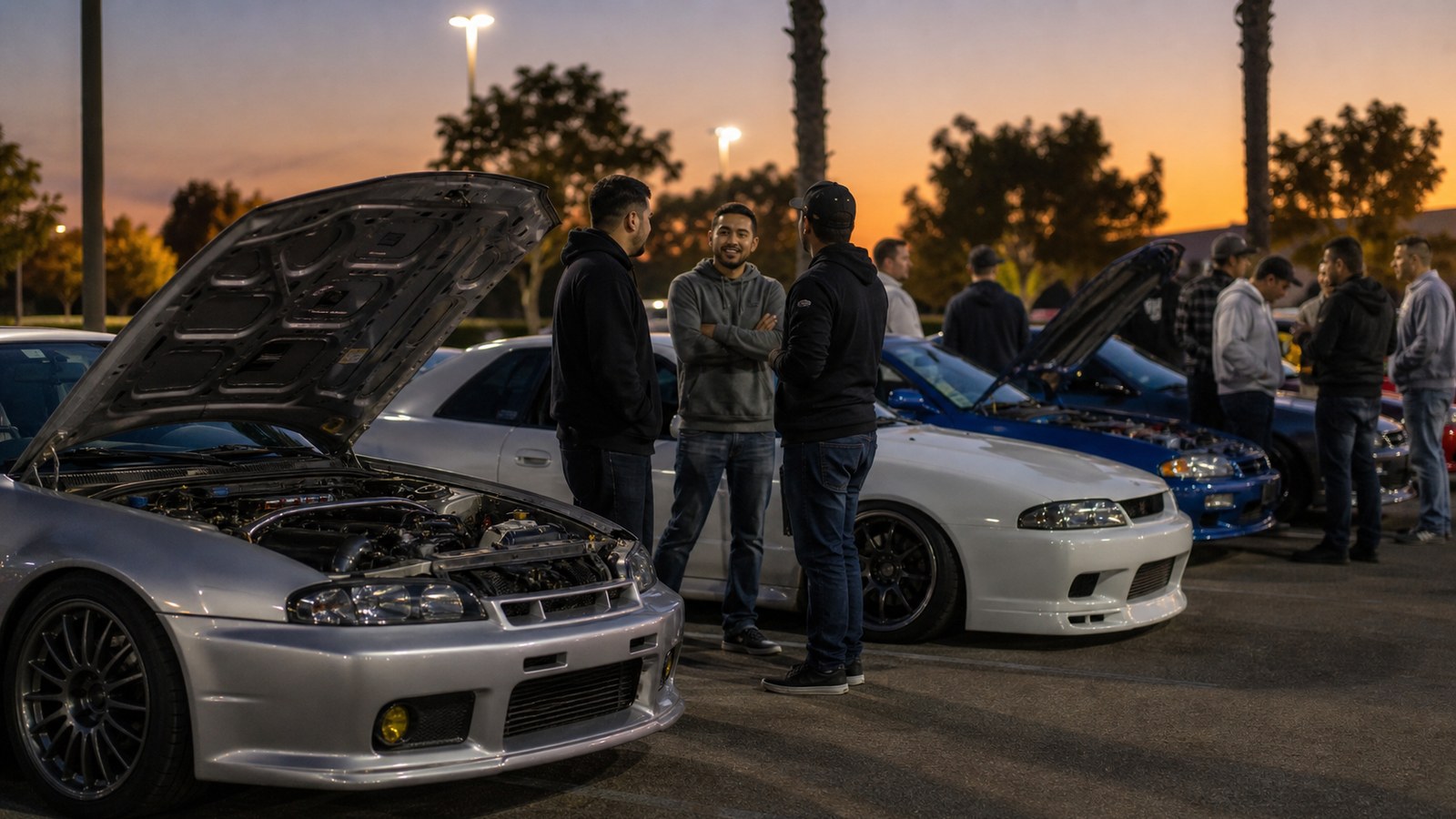
Car clubs and communities give owners a way to share knowledge, plan events, preserve history, solve problems, and enjoy vehicles with people who understand the same details. Some clubs form around a brand, model, generation, region, motorsport, restoration style, off-road use, or modification culture. Others are broad social groups built around cruises and local meets.
The best clubs make ownership easier and more enjoyable. They help members find parts, avoid bad advice, meet trustworthy shops, learn maintenance, attend events, and understand what makes their vehicles special. A strong community turns isolated ownership into shared experience.
Knowledge Is A Club’s Real Power
Every vehicle has patterns: common leaks, weak bushings, rare trim pieces, good replacement parts, bad modifications, hidden rust areas, and repair shortcuts that do or do not work. Longtime owners often know these details better than general advice sources. A club gathers that experience and makes it available to newer members.
This knowledge saves money. A member who asks before buying parts may avoid poor-quality replacements or unnecessary work. A buyer who brings a club expert to inspect a car may catch problems early. The community becomes a practical ownership tool.
Events Need Respectful Organization
Meets, cruises, rallies, cars and coffee gatherings, trail rides, and track days all need organization to stay safe and welcome. Location permission, parking behavior, noise, speed, cleanup, traffic flow, and respect for businesses matter. A few careless drivers can damage a group’s reputation quickly.
Good clubs set expectations clearly. They discourage reckless street behavior, protect venues, and make newcomers feel comfortable. The goal is to keep events enjoyable enough that hosts, neighbors, and members want them to continue.
Online Communities Move Fast
Forums, social media groups, chats, and video channels let owners exchange information quickly. They are useful for troubleshooting, inspiration, event planning, and market awareness. They can also spread bad advice fast when guesses are repeated as facts. The best online communities encourage evidence, photos, service manuals, measurements, and follow-up reports.
A useful post explains the vehicle, symptoms, recent work, codes, mileage, and conditions. A useful answer asks clarifying questions before recommending parts. Good online culture rewards careful diagnosis rather than confident guessing.
Brand Clubs Preserve History
Brand and model clubs often preserve documents, production details, brochures, trim codes, factory colors, racing history, and restoration standards. This work matters because automotive history can disappear when parts catalogs vanish or older owners leave the hobby. Clubs keep knowledge alive across generations.
Historical accuracy is especially important for restorations and rare vehicles. A club may know which fasteners, fabrics, wheels, engines, or badges belong to a specific year. That level of detail helps owners restore cars responsibly and protects the value of surviving examples.
Modified Communities Share Practical Lessons
Modification-focused communities help owners understand what actually works. They compare suspension setups, wheel fitment, tuning choices, brake upgrades, cooling fixes, interior changes, and reliability tradeoffs. A build thread can show not only the finished photo, but the problems solved along the way.
The most valuable modified communities are honest about downsides. They explain rubbing, harshness, maintenance, inspection issues, and parts that failed. That honesty helps other owners build better cars with fewer expensive surprises.
Clubs Can Improve Safety
A responsible club can improve safety by teaching inspection habits, track-day preparation, trail etiquette, recovery methods, convoy behavior, and basic maintenance. Members can remind each other to check tires, brakes, fluids, lights, torque, and cooling before events. Shared standards reduce risk.
Safety culture is especially important when cars are modified, driven hard, or taken off-road. Peer pressure can push people toward reckless behavior, but it can also push people toward better preparation. The club decides which direction it rewards.
Inclusivity Keeps Communities Healthy
Car culture grows when newcomers, younger enthusiasts, women, families, older owners, and people with different budgets feel welcome. A healthy club does not require everyone to own a perfect car or know every detail on day one. It gives people room to learn. Gatekeeping may feel protective, but it often weakens the community over time.
Respectful culture does not mean lowering standards for safety or honesty. It means correcting mistakes without humiliating people, sharing knowledge generously, and remembering that every expert was new once. A welcoming club lasts longer.
Local Shops And Clubs Often Connect
Clubs often develop relationships with local shops, detailers, tuners, upholsterers, fabricators, tire stores, and parts suppliers. These relationships can help members find trustworthy work and help shops understand the needs of a specific vehicle community. A specialist who sees many examples of the same model can diagnose patterns faster.
The relationship works best when it stays honest. Clubs should avoid turning every recommendation into unquestioned loyalty. Shops should earn trust through quality, communication, and accountability. Good networks are built on results.
Charity And Public Events Build Goodwill
Many car communities support charity shows, toy drives, school events, veterans’ events, technical workshops, and public displays. These events show car culture at its best: organized, generous, educational, and family-friendly. They also help the public see vehicles as more than noise or traffic.
Goodwill matters because car culture depends on shared public space. When clubs leave places cleaner than they found them and treat spectators respectfully, they make future events easier. Reputation is a community asset.
Records And Archives Matter
Clubs can maintain registries, technical notes, event photos, oral histories, build documentation, and parts crossovers. These archives help owners identify rare cars, track changes, and preserve knowledge. Digital platforms make this easier, but they also make information fragile if groups disappear or links break.
Strong communities preserve important knowledge in durable formats and encourage members to document repairs and restorations clearly. The future of the hobby depends on what current owners choose to save.
The Best Communities Make Ownership Better
A car club is successful when members leave with better knowledge, safer vehicles, stronger friendships, and more respect for the machines. The cars bring people together, but the culture decides whether they stay. Good clubs balance enthusiasm with responsibility.
The healthiest communities make room for show cars, drivers, restorers, learners, builders, historians, and casual fans. That mix keeps car culture alive because it gives people many ways to belong.
Mentorship Keeps The Hobby Alive
Car communities are strongest when experienced members teach without turning knowledge into a barrier. New owners may not know the correct maintenance interval, trim code, wheel fitment, or common failure point. Patient mentorship helps them avoid mistakes and keeps enthusiasm from turning into expensive frustration. A club that teaches well creates better cars and better owners.
This matters across generations. Younger enthusiasts may enter through social media, budget builds, sim racing, photography, or detailing rather than traditional wrenching. Older members may carry deep mechanical and historical knowledge. A healthy community lets those worlds meet instead of treating one as more legitimate than the other.
Good Rules Protect Good Events
Successful events usually have clear expectations. No reckless exits, no burnouts near crowds, no littering, no blocking businesses, no dangerous parking, and no disrespect toward organizers or neighbors. These rules are not about killing fun. They protect the event from complaints, police attention, property damage, and venue loss. One bad night can close a location for everyone.
Good organizers communicate early and calmly. They plan parking, arrival times, overflow areas, food, restrooms, cleanup, and emergency access. The better the event runs, the more likely people are to return. Organization is part of car culture.
Technical Advice Needs Evidence
Car groups can be excellent technical resources, but advice should be supported by evidence. Photos, measurements, codes, logs, service manual procedures, part numbers, and follow-up results make advice more trustworthy. Confident guesses can waste money quickly, especially with modern electronics, emissions systems, and high-output engines.
The best communities reward members who explain how they know something. They separate personal taste from safety issues, and they correct bad information before it spreads. That discipline makes the group more valuable than a search result.
Different Scenes Have Different Values
A restoration club, stance group, off-road club, track-day community, detailing group, EV club, and classic-cruiser club may all love cars while valuing different things. One group may prioritize originality. Another may prioritize fabrication. Another may care about lap times, trail etiquette, efficiency, or preservation. Conflict often comes from judging one scene by another scene’s rules.
Respect does not require agreement. It means understanding what each community is trying to do. Car culture is richer when different scenes can share space without flattening their identities.
Community Reputation Affects Everyone
Public behavior shapes how neighborhoods, businesses, law enforcement, and sponsors view car enthusiasts. Respectful events make future gatherings easier. Reckless driving, noise complaints, and property damage make them harder. Reputation is shared even when the bad behavior comes from only a few people.
Strong clubs actively protect their name. They set standards, welcome spectators, support charities, and leave places cleaner than they found them. That kind of culture keeps the doors open for the next event.
Good Communities Welcome Different Budgets
Not every enthusiast has the same budget, garage, tools, or free time. A healthy car community makes room for clean daily drivers, project cars, stock survivors, careful restorations, budget builds, and high-end show cars. The shared value is care, curiosity, and respect, not the amount of money spent. That attitude keeps the hobby open.
Budget diversity also improves knowledge. Owners who repair creatively, maintain older cars, or find affordable parts often know practical lessons that expensive builds can miss. A club becomes stronger when different kinds of ownership are taken seriously.
Clubs Help New Owners Avoid Bad Purchases
Before buying a vehicle, a prospective owner can learn from people who already live with that model. Clubs know common rust areas, transmission concerns, electrical faults, parts scarcity, trim differences, and fair pricing. That guidance can prevent expensive mistakes and help buyers recognize a good example when they see one.
This buyer education is one of the quiet strengths of car communities. The club does not only celebrate ownership after the fact. It helps people enter ownership with clearer expectations.
Shared Tools And Skills Lower The Barrier
Many clubs also make ownership easier by sharing tools, garage time, manuals, diagnostic experience, and installation help. A member who has already solved a problem can save another member hours of confusion. That practical support is often more valuable than any single event because it keeps cars running and owners engaged.
Skill sharing also builds confidence. Someone who learns to change fluids, inspect brakes, detail paint, or diagnose a small fault becomes a better caretaker of the vehicle. The community grows stronger each time knowledge moves from one member to another.
Car Communities Turn Ownership Into Shared Knowledge
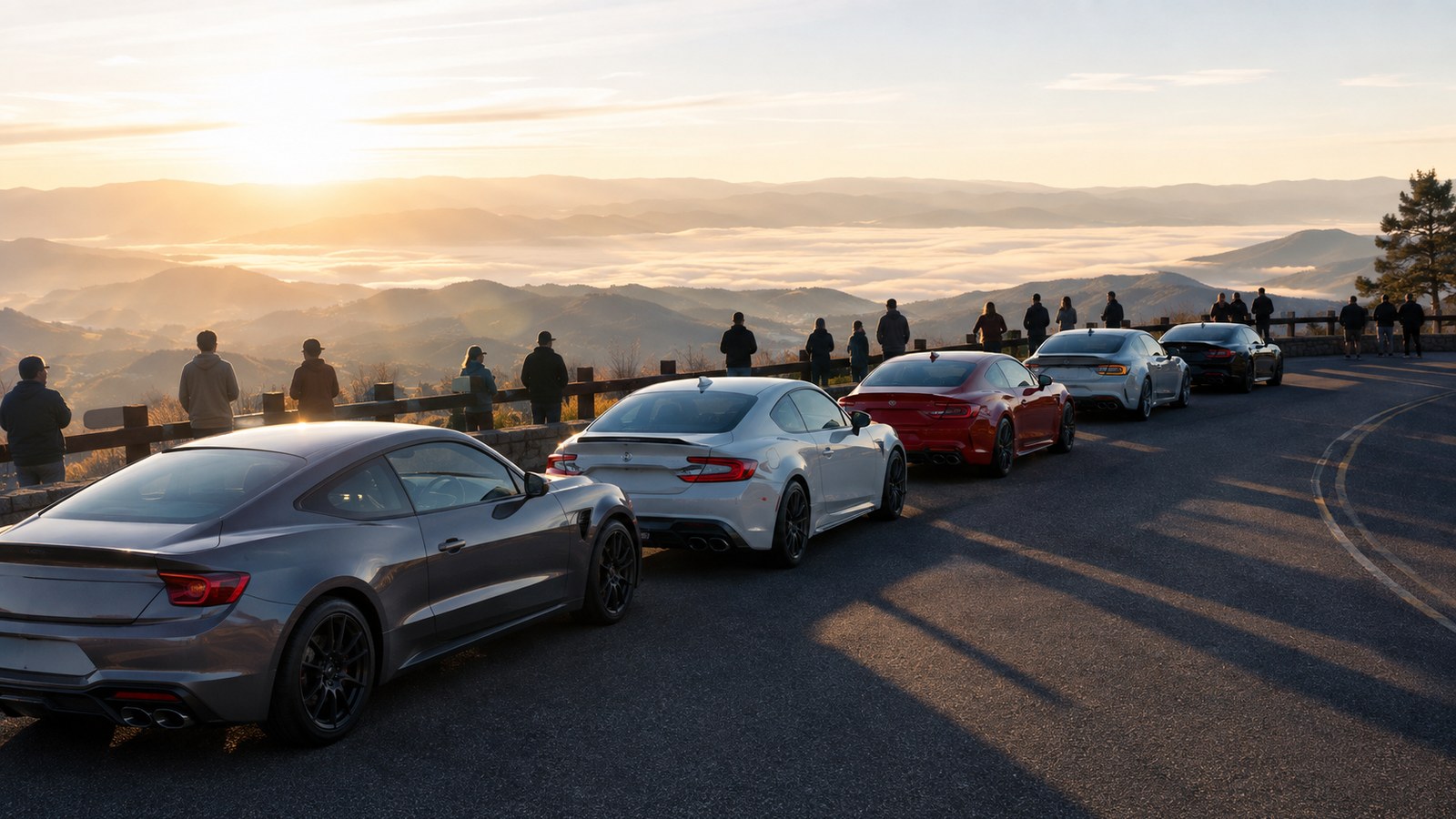
Car clubs and communities matter because they turn individual ownership into shared experience. Members compare repairs, parts, driving routes, shows, build choices, and lessons learned over years. That knowledge can save owners money and help rare or aging vehicles stay on the road. A strong community becomes a living maintenance record for a platform.
The best clubs also create standards for safety and respect. Group drives, meets, charity events, track days, and garage days work better when people communicate clearly and avoid behavior that puts others at risk. Community culture can shape how a vehicle scene is seen by everyone outside it.