Street Style Trends Work When Looks And Function Agree
Street style trends are the visual language of modern car culture: wheels, stance, paint, wraps, lighting, aero, interior trim, overlanding gear, retro cues, EV minimalism, and motorsport-inspired details. The strongest style choices make a car look intentional without ruining drivability, safety, tire life, visibility, or legal compliance.
Street Style Works Best When It Still Drives Well
Street style trends are the visible side of car culture. Wheels, stance, wraps, paint, lighting, aero, interior trim, roof racks, retro graphics, and motorsport cues all change how a vehicle is read by others. The best choices make the car look intentional without ruining comfort, safety, legality, or tire life.
A style that only works in photos can become frustrating in daily use. Scraping, rubbing, harsh ride, glare, battery drain, illegal lighting, and poor visibility all turn a good-looking idea into a compromised vehicle. Function keeps style alive after the first week.
Wheels Set The First Impression
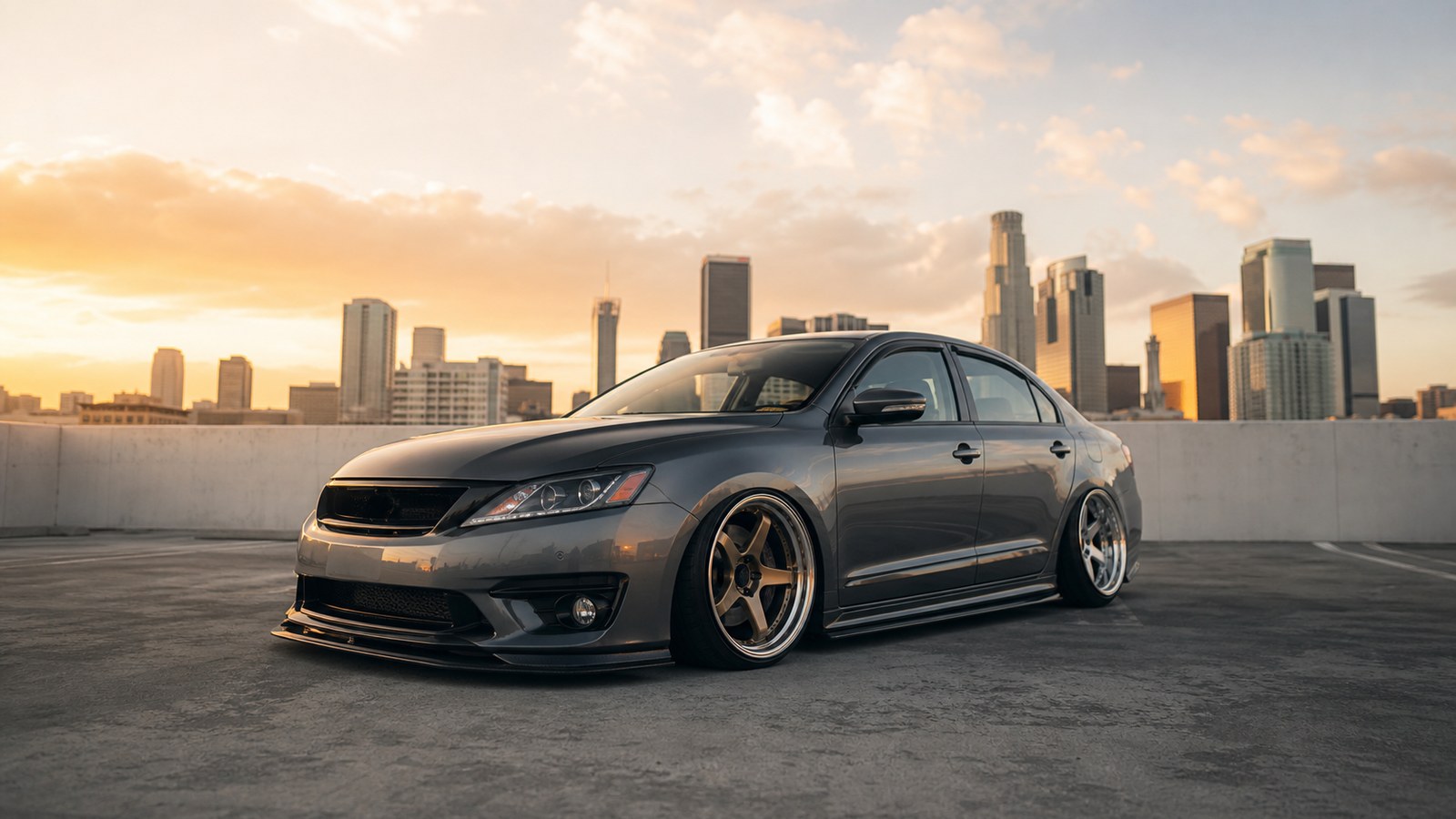
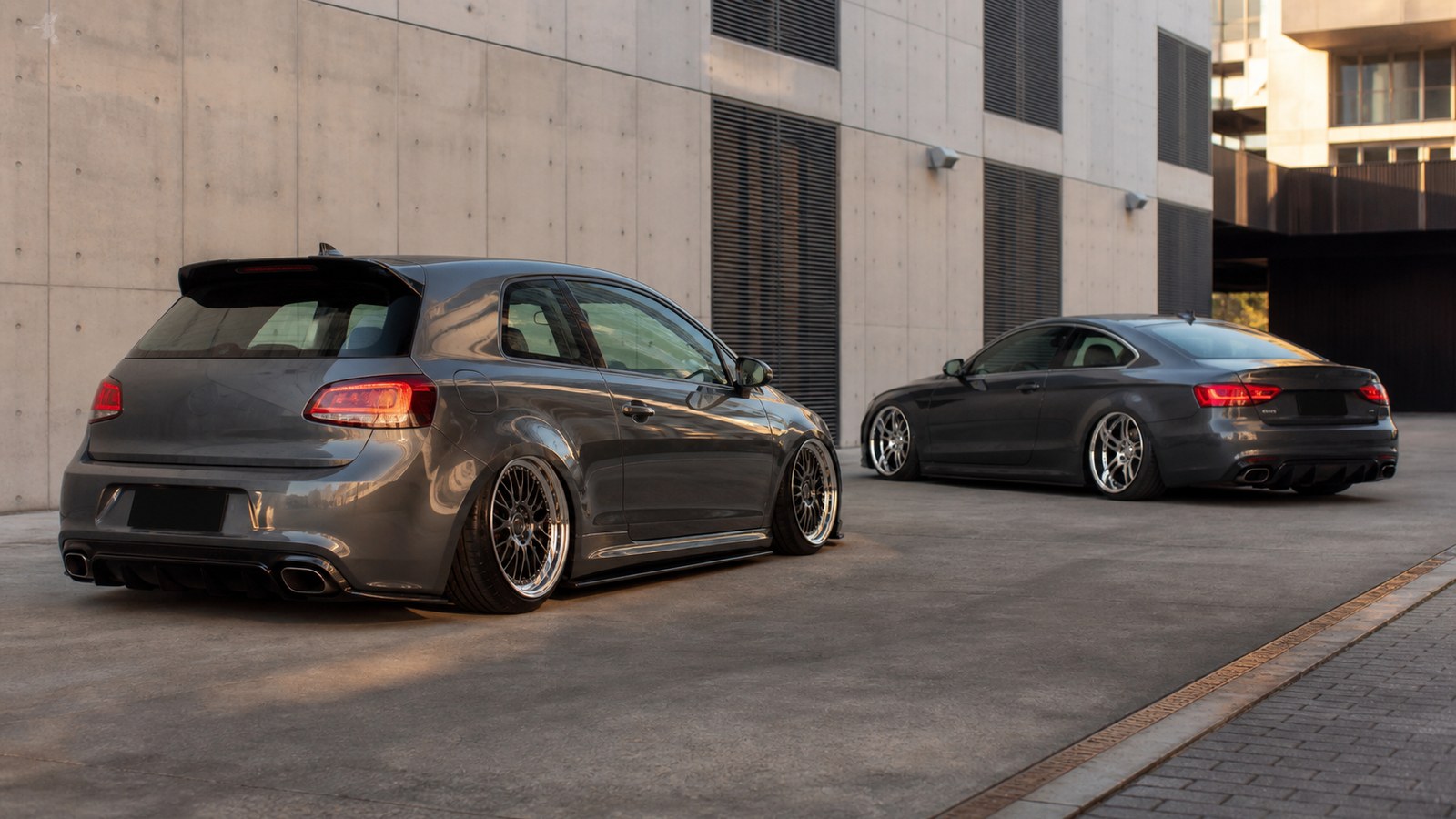
Wheels change proportion, attitude, and era quickly. Diameter, width, offset, finish, spoke design, lip depth, and tire sidewall all communicate style. A motorsport wheel, luxury wheel, retro wheel, steel wheel, and aero wheel each tell a different story.
Fitment still matters. The wheel must clear brakes, suspension, fenders, and steering movement. Heavy wheels can hurt ride and acceleration. Extreme offset can change steering feel. Good style starts with dimensions that work.
Stance Needs Mechanical Sense
Stance describes how the car sits: ride height, wheel gap, camber, poke, tuck, and track width. A mild drop can make a vehicle look more settled. A carefully tuned performance stance can improve response. An extreme stance can create poor tire wear, reduced grip, rough ride, and clearance problems.
The right stance depends on use. A daily driver needs travel and driveway clearance. A track car needs alignment that keeps tires working. A trail vehicle needs articulation. Stance should look like purpose rather than punishment.
Paint And Wraps Carry Identity
Color is one of the strongest style choices. Matte finishes, satin wraps, gloss paint, color-shift vinyl, heritage colors, racing stripes, two-tone schemes, and patina all create different personalities. Wraps offer flexibility, while paint can offer depth and permanence when done well.
Finish care matters. Matte surfaces need special products. Dark paint shows swirls. Bright colors draw attention. Graphics can make a car memorable or date it quickly. The finish should match the owner’s maintenance habits and climate.
Lighting Needs Restraint
Lighting trends include LED conversions, accent lighting, puddle lights, light bars, sequential signals, restored headlights, and custom tail lamps. Good lighting improves visibility or atmosphere. Bad lighting blinds others, drains batteries, breaks laws, leaks water, or creates warning lights.
Aim, color, wiring, fusing, and weather sealing matter. A lighting change is still an electrical modification. It should look clean and behave predictably at night, in rain, and during inspection.
Aero Style Borrows From Racing
Splitters, wings, diffusers, lips, side skirts, vents, and canards borrow from motorsport. On many street cars, the visual effect is stronger than the aerodynamic effect. That can be fine when the owner understands the choice. Problems start when parts are poorly mounted or too fragile for real roads.
Functional aero needs speed, balance, and secure installation. Street aero needs clearance and safety. A part that breaks loose or scrapes constantly is not improving the car. Good aero style respects both appearance and hardware.
Overlanding Style Adds Weight
Roof racks, awnings, recovery boards, light bars, all-terrain tires, lift kits, cargo boxes, and earth-tone finishes have become common style cues. Some owners use them heavily. Others like the prepared look. Either way, the equipment adds weight, wind noise, fuel use, and sometimes range loss.
The best overlanding-inspired builds match real use. A commuter may need durable tires and cargo organization more than a heavy rack. A trail vehicle may need recovery points, skid protection, and suspension matched to load. The hardware should have a reason.
Retro And OEM-Plus Styles Age Well
Retro builds borrow colors, graphics, wheels, and trim from earlier eras. OEM-plus builds make a car look like a sharper factory version. Both styles often age well because they respect the vehicle’s original design language. They rely on proportion and detail rather than shock value.
Execution matters. Bad badges, mismatched trim, poor paint, or random parts can weaken the idea. A subtle build rewards close inspection when fitment, finish, and details are clean.
EV Style Has New Constraints
Electric vehicles bring smooth shapes, aero wheels, flush handles, clean lighting, and minimalist cabins. Owners may lean into that futuristic look or add color and stance to make the car feel personal. EV style needs to account for range, cooling, sensors, charging access, and weight.
Large wheels can reduce efficiency. Bumper changes can affect sensors. Heavy accessories can reduce range. A stylish EV still needs to work as an energy-efficient machine. The design language is new, but the tradeoffs are familiar.
Interior Style Finishes The Build
Cabin changes decide how the vehicle feels every day. Seats, steering wheels, mats, lighting, audio, storage, trim, and phone mounts can make a build feel complete. They can also create clutter or distraction. Interior style should support the driver’s routine.
Safety systems set boundaries. Airbags, seat belts, visibility, controls, vents, and screens need to remain usable. A cabin that looks custom but blocks controls or creates glare has missed the point.
Social Media Speeds Up Trends
Photos and short videos spread style quickly. A wrap color, wheel setup, lighting idea, or stance can become common before owners know whether it ages well. Fast trends are fun, but they can make expensive choices feel old quickly.
A lasting build benefits from patience. Save examples, compare similar vehicles, watch long-term feedback, and imagine the car after years of washing and driving. Good style survives real use.
The Best Style Feels Inevitable
A well-styled vehicle looks like the choices belong together. Wheel fitment, finish, lighting, interior, and stance all support one idea. The car remains usable, legal, and maintainable. It attracts attention for execution rather than inconvenience.
Street style is personal, but the strongest builds share discipline. They make the vehicle more expressive without making it worse at being a vehicle.
Legal Details Can Define The Build
Street style lives on public roads, so legal details matter. Tint darkness, headlight color, auxiliary lights, exhaust volume, license-plate visibility, tire coverage, bumper height, and emissions equipment can all create problems depending on location. A style choice that fails inspection becomes part of ownership cost.
Checking rules early protects the build. A show-only vehicle can make different choices from a commuter. A daily driver should be styled in a way that survives police attention, inspection, insurance, and resale.
Detail Quality Carries The Whole Look
Small details decide whether a styled car feels finished. Lug nuts, center caps, tire shine, panel gaps, wrap edges, decal alignment, headlight clarity, exhaust placement, and interior wiring all matter. A strong concept can be weakened by careless edges.
Detail quality also lets subtle builds stand out. Clean paint, correct fitment, restrained trim, and tidy lighting can look more expensive than a loud build with mismatched parts. Style is execution as much as selection.
Maintenance Keeps Trends From Looking Tired
Styled vehicles need upkeep. Wraps need careful washing, wheels collect brake dust, lowered cars need alignment checks, and lighting should be inspected for moisture or failed wiring. A trend that looked sharp when new can look neglected quickly without care.
Owners should choose styles they can maintain. A finish, stance, or wheel setup that demands more time than the owner will give may become frustrating. Long-term style depends on realistic care.
Personal Taste Should Fit The Vehicle
The best style choices feel connected to the car’s shape and purpose. A luxury sedan, compact tuner, trail SUV, electric crossover, classic coupe, and work truck all invite different decisions. Copying a trend from one vehicle to another can look forced when proportions or use do not match.
Personal taste is still the point. The goal is not to please every observer. The goal is to make choices that feel intentional, usable, and honest to the vehicle’s life.
Resale Depends On How Personal The Style Is
Some style choices appeal broadly, while others narrow the buyer pool. Clean wheels, quality paint care, subtle tint, and tasteful interior work may help resale. Extreme colors, cut panels, unusual lighting, aggressive stance, or loud exhaust may make the vehicle harder to sell. The next owner may not share the same taste.
Reversible choices protect value. Keeping factory parts, documenting work, and avoiding unnecessary cutting gives the owner more options. Personal style can be bold, but it should be chosen with future consequences understood.
Regional Roads Shape Local Trends
Local roads influence style. Smooth urban roads may support lower cars. Snow regions favor winter wheels and practical clearance. Desert areas may emphasize cooling, tint, and dust-friendly finishes. Mountain and trail regions often support overlanding cues. Car culture adapts to the roads people actually drive.
This is why a build that looks perfect in one region can feel awkward in another. Good street style pays attention to place. The vehicle should make sense where it lives.
A Cohesive Build Needs Editing
Style often improves when owners remove ideas rather than add more. Too many colors, badges, lights, graphics, textures, and accessories can compete for attention. A cohesive build has a clear hierarchy: the most important choices stand out, and the rest support them.
Editing is not boring. It is what makes a build look deliberate. The car should have enough detail to reward inspection without looking like every trend arrived at once.
Factory Paint And Body Condition Set The Limit
Street style often begins on top of the existing vehicle condition. A wrap over failing clear coat, wheels on worn suspension, or lighting on poor wiring can make problems more visible. The cleaner foundation usually produces the better build. Maintenance and detailing are part of style.
Before styling, inspect paint, rust, trim, lights, tires, suspension, and alignment. Fixing the foundation first makes the final look more convincing and easier to maintain. Style is strongest when the car underneath is healthy.
A Daily Driver Needs Livable Choices
A daily-driven style build needs to survive errands, speed bumps, weather, parking lots, passengers, and repairs. Ride height, tire sidewall, exhaust volume, tint, lighting, and interior accessories feel different after months of normal use than they do at a meet.
Livable choices are not boring. They let the owner enjoy the car more often. A street-style build succeeds when it looks personal and still makes sense on Monday morning.
Style Should Survive Repairs
Every street-style build eventually needs tires, brakes, paint repair, windshield work, alignment, or body service. Choices that make normal repair difficult can become expensive. Rare wheels, unusual vinyl, cut panels, custom lighting, and one-off trim all need documentation and parts planning.
A build is easier to enjoy when it can be maintained. Style should make the car feel personal, not make every future repair stressful.
Street Style Works Best When It Still Drives Well
Street style trends become stronger when the car remains usable. Wheels, ride height, lighting, wraps, aero pieces, tint, exhaust tips, and interior details can change a vehicle’s personality, but daily driving still needs visibility, clearance, tire life, safe lighting, and predictable handling. A style choice that makes the vehicle stressful to drive usually loses its charm quickly.
The best street builds look intentional without ignoring function. Fitment, color, proportion, stance, and finish should support the vehicle’s shape. When style and drivability line up, the car feels personal without becoming fragile or inconvenient.