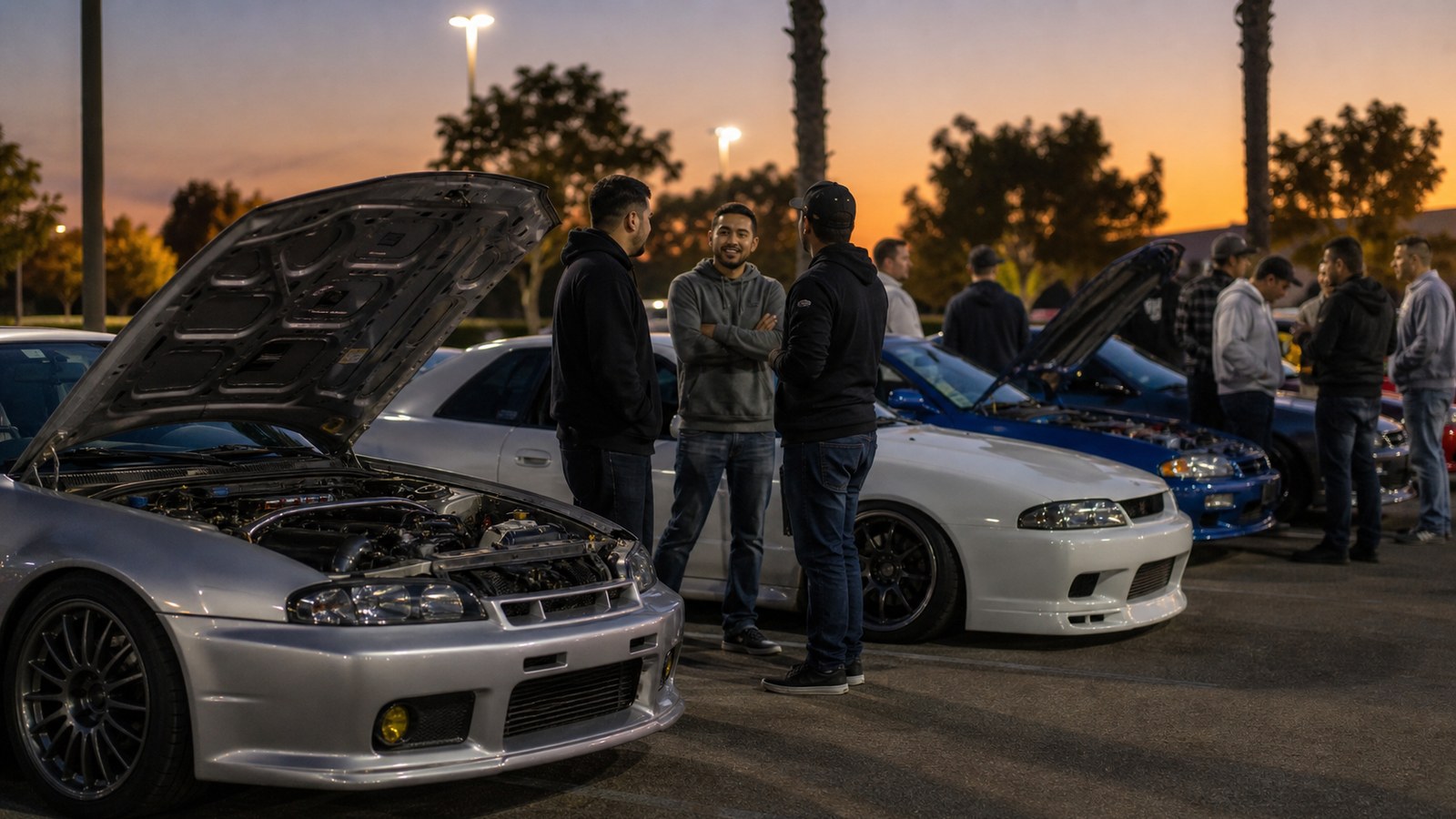
Car Clubs Make Ownership More Useful And More Social
Car clubs and communities turn vehicle ownership into shared knowledge. A strong club can help owners find parts, diagnose problems, choose tires, prepare for events, learn model history, plan safe drives, and meet people who understand the same machines. The best groups keep enthusiasm connected to responsibility, because public roads, venues, and new members all depend on trust.
Car Clubs Turn Ownership Into Shared Knowledge
A good car club helps owners learn faster than they could alone. Members share service tips, parts sources, diagnostic experience, restoration knowledge, event planning, driving routes, and model history. The best communities make vehicles less mysterious and ownership more enjoyable.
A club can be built around a make, model, era, style, region, motorsport, off-road use, EV ownership, restoration, or general enthusiasm. The common thread is trust. People return when the group is useful, welcoming, and responsible.
Technical Knowledge Is A Major Benefit
Every vehicle platform has patterns. Certain engines leak in familiar places, certain transmissions need careful service, certain interiors break clips, and certain suspension parts wear first. A community helps owners recognize those patterns before they waste money or misdiagnose a problem.
This shared knowledge is especially valuable for older, rare, modified, or enthusiast vehicles. Factory manuals are important, but lived experience helps explain which repairs are common, which parts fit well, and which shortcuts cause trouble.
Parts Networks Keep Vehicles Alive
Car clubs often become informal parts networks. Members know which suppliers are trustworthy, which reproduction parts fit poorly, which used parts are worth saving, and who has spares on a shelf. For discontinued vehicles, that network can be the difference between a project moving forward and sitting unfinished.
Parts sharing also builds community. A member who helps someone find a trim piece, sensor, wheel, or manual may save months of searching. The best groups treat parts knowledge as stewardship, not just buying and selling.
Events Need Planning And Responsibility
Cruises, meets, shows, track days, trail rides, cars and coffee gatherings, and charity events all require planning. Parking, permits, route safety, noise, cleanup, traffic behavior, weather, insurance, and communication matter. A careless event can damage a club’s reputation quickly.
Responsible clubs set expectations before the event. No reckless driving, no blocked roads, no burnouts in public spaces, no trash left behind, and respect for venues. Enthusiasm survives when the public can trust the group.
New Members Shape The Future
A club that welcomes beginners stays healthier than one that only celebrates experts. New owners may ask basic questions, bring different vehicles, or need help understanding maintenance. Patience creates long-term members and keeps knowledge from disappearing with older enthusiasts.
Mentorship is one of the best parts of car culture. Someone who learns tire pressure, safe lifting, brake basics, or model history today may become the person helping others later. A club is strongest when it teaches.
Online Communities Move Faster
Forums, social media groups, chat servers, video channels, and marketplace groups have changed car communities. Information spreads quickly, and rare parts can be found across regions. The downside is noise: bad advice, scams, repeated questions, and trend pressure can spread just as fast.
Good online communities use clear rules, pinned information, searchable archives, and moderation that protects useful discussion. The goal is not to make the group stiff. The goal is to keep knowledge findable and behavior respectful.
Local Knowledge Still Matters
Local clubs know roads, shops, emissions rules, inspection habits, junkyards, detailers, alignment specialists, tuners, trails, and event venues. That information is hard to replace with broad internet advice. A local mechanic who knows the platform can be more valuable than a hundred generic comments.
Regional climate also matters. Salt, heat, altitude, rain, dust, and traffic patterns shape maintenance. Local owners can explain what actually fails in that area and which preparations are worth doing.
Safety Culture Protects Everyone
Public-road behavior defines how outsiders view car communities. Reckless driving, street racing, noise, and property damage can close venues and attract enforcement. Safe cruising, track-focused performance, organized trail etiquette, and respectful meets protect the hobby.
Good safety culture is not anti-fun. It keeps the fun from being taken away. Clubs that make responsible behavior normal are more likely to keep venues, attract families, and build long-term trust.
Documentation Preserves History
Clubs often preserve history through registries, build threads, restoration photos, production details, event archives, and owner stories. This matters for rare trims, local race cars, dealership history, and vehicles that might otherwise be forgotten. A club can become a living archive.
Documentation also helps future owners. Repair photos, parts lists, and known-problem guides keep knowledge alive. When a vehicle changes hands, the community memory can travel with it.
Good Leadership Keeps Groups Healthy
Club leadership involves more than choosing meeting spots. Leaders handle communication, disputes, event safety, finances, sponsors, new-member tone, and public relationships. A group can have great cars and still struggle if leadership is unclear or inconsistent.
Healthy leadership is transparent and practical. Rules should be simple, money should be handled cleanly, and decisions should support the group’s purpose. People stay when they know what the club stands for.
Different Clubs Serve Different Needs
Some clubs are technical. Some are social. Some are competitive. Some focus on shows, restoration, off-roading, touring, charity, or brand history. A driver may need more than one community, or may outgrow a group as interests change. That is normal.
The best fit is the group that makes ownership better. If a club helps a member learn, drive safely, maintain the vehicle, and enjoy the hobby without pressure, it is doing its job.
Community Should Make Cars More Enjoyable
Car ownership can be expensive and confusing. A strong community adds context, friendship, and shared problem-solving. It can help a driver avoid bad parts, find a trusted shop, prepare for an event, or simply enjoy a Saturday morning with people who understand the machine.
That is the lasting value of car clubs. The vehicles bring people together, but the trust keeps them there.
Parts Advice Needs Evidence
Car communities are full of recommendations, but good advice explains why a part works. Fitment, reliability, installation difficulty, warranty support, noise, durability, and long-term owner feedback all matter. A popular part may be wrong for a daily driver, towing vehicle, track car, or restoration.
Useful members describe the vehicle, symptoms, goals, and tradeoffs. That kind of advice helps other owners make decisions instead of simply copying a build list. Evidence keeps communities from becoming rumor machines.
Group Drives Need Discipline
Group drives are one of the most enjoyable parts of car culture, but they require restraint. Route planning, rest stops, fuel or charging stops, radios, speed expectations, weather, and emergency plans all matter. A single reckless driver can put the group and the club’s reputation at risk.
Good clubs brief the route, keep speeds appropriate for public roads, and make sure slower drivers are not pressured. The goal is shared enjoyment, not proving anything in traffic. Track days and closed courses are better places for performance limits.
Conflict Management Protects The Community
Any active club will eventually face disagreements about rules, money, driving behavior, vendors, event planning, or online tone. Clear leadership and simple standards prevent small disputes from becoming permanent damage. Members need to know how concerns are handled.
Healthy communities correct problems without turning every mistake into drama. The best groups protect new members, respect venues, and keep the focus on vehicles and learning. Trust is built in small moments.
Diversity Makes The Scene Stronger
Car culture is healthier when it welcomes different ages, budgets, backgrounds, skill levels, and vehicle types. Not every enthusiast owns a rare car or expensive build. Some people are learning maintenance, saving for a project, documenting history, or simply enjoying design.
A club that only respects money or exclusivity becomes smaller over time. A club that respects effort, curiosity, and safe behavior creates more long-term enthusiasts. The future of the hobby depends on that openness.
Vendor Relationships Need Transparency
Clubs often work with shops, detailers, tuners, parts sellers, venues, and sponsors. Those relationships can benefit members through discounts and expertise, but they need transparency. Members should know when recommendations are based on experience, sponsorship, or personal connection.
Clear vendor expectations protect everyone. Good shops gain loyal customers, members get better support, and the club avoids the appearance of favoritism. Trust is easier to keep than to rebuild.
Tech Days Build Practical Confidence
Many strong clubs host tech days where members inspect brakes, rotate tires, change fluids, install small parts, or learn detailing. These events are valuable because beginners can learn around experienced owners while still seeing safe procedures. The group turns maintenance into shared education.
Good tech days need boundaries. Jack stands, tool control, cleanup, realistic job scope, and respect for skill limits matter. The goal is to help members learn, not to turn one driveway into an unsafe repair shop.
Model Registries Preserve Details
Some communities maintain registries of production numbers, colors, options, VIN ranges, ownership history, and surviving examples. That work can help restorers, buyers, historians, and future enthusiasts. Details that seem small today may become important when parts disappear or records fade.
A registry works best when claims are documented and privacy is respected. It should support the vehicle’s history without exposing owners unnecessarily. Preservation is most useful when it is careful.
A Good Community Makes Ownership Less Lonely
Vehicle problems can be frustrating when an owner feels alone. A club gives people somewhere to ask, compare, vent, and learn. That support can keep someone from selling a car too early or giving up on a project that only needed better information.
The social side matters as much as the technical side. The cars create the reason to gather, but friendships often become the reason people stay.
Restoration Communities Carry Rare Knowledge
Restoration-focused communities often know details that are not obvious in general repair information. Correct fasteners, trim finishes, upholstery patterns, decal placement, factory colors, engine codes, and year-specific changes can all decide whether a restoration feels accurate. That knowledge is often spread across longtime owners rather than one official source.
Sharing that information protects vehicles from careless work. A rare part repaired correctly, a correct color preserved, or a documented option explained can keep history alive. Clubs become stewards when they value accuracy as much as appearance.
Good Classified Rules Prevent Problems
Many communities include parts and vehicle sales, which can be useful and risky. Clear classified rules help prevent scams, misleading listings, price fights, and unsafe transactions. Photos, location, condition, fitment, payment expectations, and seller history all matter.
A trusted marketplace can become one of a club’s strongest assets. Members find parts faster, sellers reach the right audience, and rare items stay inside the community. Trust requires moderation and honest descriptions.
Charity And Public Events Build Goodwill
Car clubs can support toy drives, fundraisers, school events, veterans events, museum days, and community festivals. These events show the public a responsible side of car culture and give members a purpose beyond displaying vehicles. Goodwill matters when clubs need venues, permits, or public patience.
Public events work best when the group is organized, quiet where needed, clean, and welcoming. A club that respects the community earns more chances to gather. That reputation is valuable.
Strong Communities Preserve Car Knowledge
Car clubs and communities help owners keep vehicles alive by sharing repair experience, parts leads, trusted shops, event information, and model-specific lessons. That shared knowledge can matter as much as any manual, especially for older platforms, rare trims, custom builds, and vehicles with known quirks.
The healthiest communities balance enthusiasm with responsibility. Meets, cruises, garage days, and online discussions work better when members value safety, accurate advice, and respect for public spaces. A good club makes ownership easier and the wider car scene more welcoming.