DIY Garage Culture Is About Learning Without Guessing
DIY garage culture turns ownership into hands-on knowledge. Owners learn to change oil, inspect brakes, rotate tires, diagnose warning lights, install parts, restore interiors, detail paint, and understand how vehicles age. The best DIY work is careful, documented, and honest about limits. The worst work is parts-swapping without evidence, unsafe lifting, bad wiring, and pretending every job belongs in a driveway.
DIY Garage Culture Rewards Careful Learning
DIY garage culture turns vehicle ownership into hands-on understanding. It includes maintenance, diagnostics, detailing, restoration, fabrication, tuning, and the quiet satisfaction of solving a problem correctly. The best DIY work is patient and evidence-based. It begins with symptoms, service information, safe tools, and a clear plan.
The weak version is guessing. Throwing parts at a warning light, lifting a vehicle unsafely, cutting wiring without diagrams, or pretending every job belongs in a driveway can create bigger problems. Good DIY culture is confident because it is careful, not because it ignores risk.
Safety Comes Before Tools
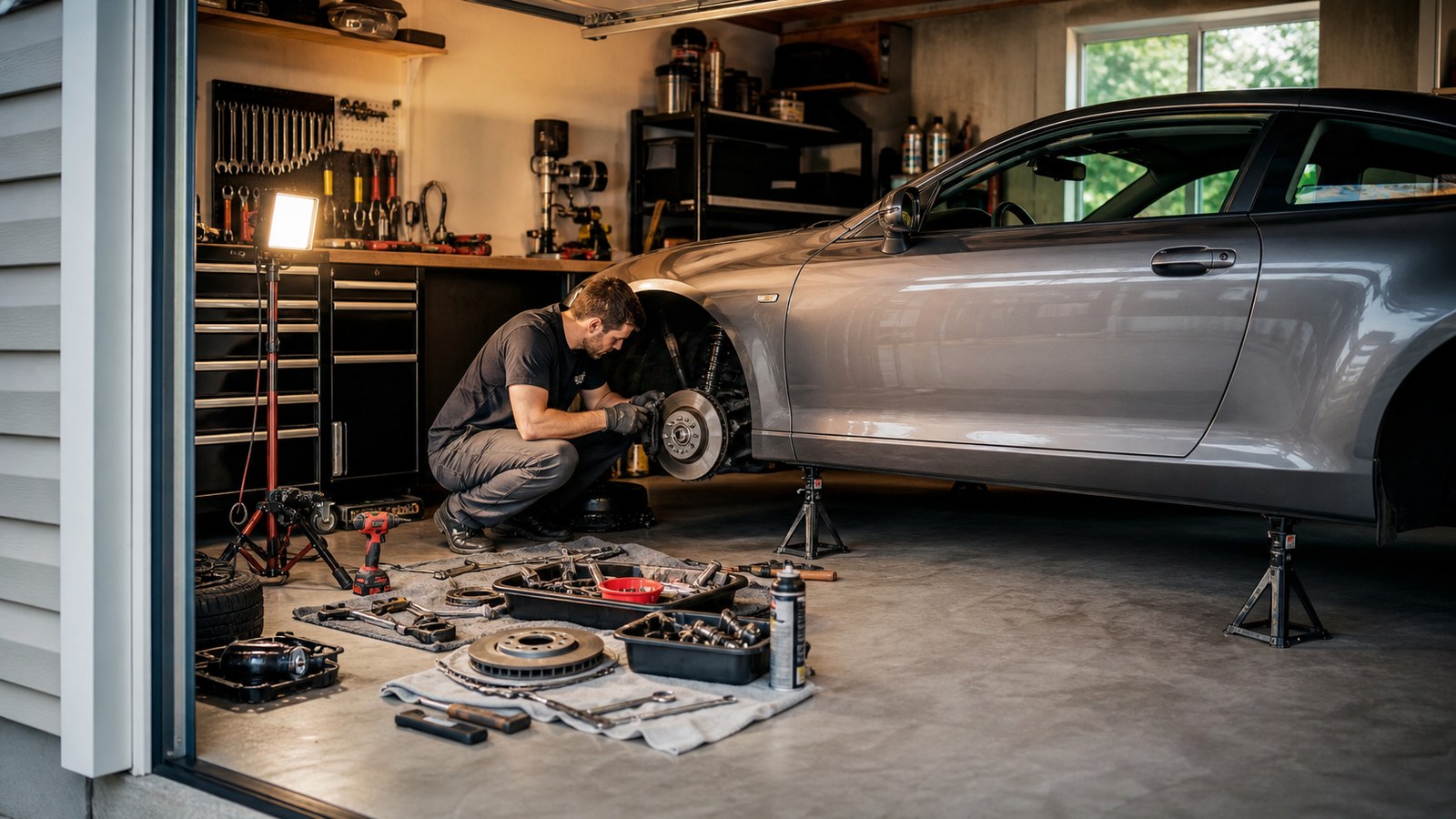
A safe workspace matters more than a full tool chest. Jack stands, wheel chocks, eye protection, gloves, ventilation, fire safety, battery disconnection, and chemical handling all come first. A vehicle supported only by a jack is dangerous. Exhaust in a closed garage is dangerous. Hot coolant, fuel vapors, airbags, springs, and high-voltage systems all deserve respect.
Knowing when to stop is part of skill. Airbag work, high-voltage EV repair, structural welding, brake-line fabrication, and advanced safety-system calibration may belong with professionals. DIY pride should include honest limits.
Service Information Prevents Expensive Mistakes
Factory service information, wiring diagrams, torque specifications, fluid requirements, parts diagrams, and technical service bulletins are more reliable than memory or random advice. Online videos can help, but the exact year, engine, trim, drivetrain, and option package matter. Similar vehicles can have different procedures.
Reading before disassembly saves time. The owner should know special tools, fastener sequence, fluid amount, reset procedure, and calibration requirements before the vehicle is apart. Preparation is part of the repair.
Diagnostics Are More Than Codes
A scan tool can reveal useful codes, but codes identify circuits or conditions, not always failed parts. A misfire code may involve spark, fuel, compression, wiring, vacuum leaks, or software. An oxygen-sensor code may reflect a fuel-control problem. A battery warning may involve charging, wiring, or battery condition.
Good diagnosis combines symptoms, live data, visual inspection, testing, and service information. Replacing parts without proving the fault can waste money and introduce new problems. Diagnosis is where DIY becomes a real skill.
Basic Maintenance Builds Confidence
Oil changes, filters, tire pressure, rotations, battery checks, wipers, lights, brake inspections, and fluid checks teach the owner how the vehicle is built. These jobs are approachable when done with correct procedures and safety habits. They also reveal leaks, wear, loose parts, and changing condition.
Simple does not mean careless. Wrong fluids, loose drain plugs, overtorqued wheels, contaminated brakes, and poor disposal can all cause damage. The basics deserve the same attention as advanced jobs.
Tools Should Be Built Around Jobs
A useful garage grows slowly. Sockets, wrenches, screwdrivers, pliers, torque wrench, jack, stands, lights, drain pans, gloves, and storage cover many early jobs. Specialty tools should be added when a real procedure requires them. Renting or borrowing rare tools can be smarter than buying everything at once.
Tool quality matters most where failure creates danger: lifting, brakes, suspension, torque, cutting, and electrical testing. Organization matters too. A labeled tray can save more time than another tool when a job stretches into the evening.
Clean Work Is Professional Work
Clean work prevents future problems. Dirt in open engines, grit on brake parts, spilled coolant, loose hardware, and unprotected connectors can all create trouble. Cleaning mating surfaces, labeling connectors, covering open ports, and keeping fasteners organized makes reassembly safer.
A clean workspace also helps diagnosis. Fresh leaks show up on a clean engine. Missing clips are easier to find on a clear floor. Careful habits make the repair calmer and the result more trustworthy.
Electrical Work Needs Method
Modern vehicles make electrical work common and challenging. Batteries, grounds, fuses, relays, sensors, modules, lighting, audio, accessories, and networked controls can all interact. A poor ground or unfused accessory can cause strange symptoms across the vehicle.
Use wiring diagrams, test before cutting, protect circuits with proper fusing, route wires safely, and avoid quick taps where weather or vibration can cause failure. Electrical patience prevents battery drain, warning lights, and fire risk.
Project Cars Need Scope Control
Project cars can expand quickly. A small plan may reveal rust, wiring, interior damage, brake work, suspension wear, parts shortages, and engine problems. Scope control keeps enthusiasm from becoming a stalled project. Decide whether the car is a driver, restoration, race build, trail rig, or learning platform.
A practical order helps: make it safe, make it stop, make it steer, make it run reliably, fix leaks, then improve appearance and performance. A beautiful car with unsafe brakes is not finished. Priorities keep projects moving.
Community Makes DIY Better
Forums, local clubs, parts counters, mentors, and friends are part of garage culture. Experienced owners know common failures, tool tricks, parts that fit, and mistakes to avoid. Good communities share failures as openly as successes because both teach.
Beginners should be welcomed. Everyone starts with simple jobs and nervous first attempts. A healthy DIY culture values safety, patience, and learning more than showing off. The goal is more capable owners.
Documentation Protects The Work
Photos, mileage notes, part numbers, torque specs, fluid types, receipts, and symptom logs help future repairs. Documentation also helps resale because buyers can see what was done and when. A modified or repaired vehicle is easier to trust when the history is clear.
Records also reveal repeated problems. A leak that returns, a tire that keeps wearing, or a code that reappears needs deeper diagnosis. Notes keep the owner from repeating the same mistake.
DIY Is About Judgment
The best DIY mechanics are not the ones who attempt everything. They are the ones who know how to prepare, test, work safely, and choose when professional help is the better tool. Judgment protects the vehicle and the person working on it.
That is what makes garage culture useful. It turns mystery into learning and turns ownership into skill. Done well, DIY makes the car less intimidating and the owner more capable.
Parts Quality Matters More Than Bargain Hunting
DIY owners often face a wide range of parts: original equipment, aftermarket, remanufactured, used, budget, and performance. The cheapest part can become expensive if it fits poorly or fails early. The most expensive part is not always necessary. The right choice depends on safety risk, labor difficulty, vehicle value, and how long the owner plans to keep the car.
Safety parts deserve extra care. Brakes, steering, suspension, tires, fuel components, and electrical parts should come from reliable sources. If a part is buried deep in the vehicle, choosing quality can prevent doing the same job twice.
Time Pressure Causes Many DIY Mistakes
A repair that must be finished before Monday morning creates pressure. Rusted bolts, wrong parts, broken clips, missing tools, and surprise damage can turn a simple job into a long one. Rushing leads to skipped torque specs, poor testing, and forced decisions.
Good DIY planning includes time margin, backup transportation when possible, correct parts, and a clean stopping point. Fatigue is a real risk in the garage. A careful pause often prevents the mistake that ruins the job.
Test Drives Complete The Repair
A DIY job is not finished when the tools are put away. The vehicle needs a careful test drive and inspection. Check for leaks, smells, warning lights, steering pull, brake feel, vibration, temperatures, charging voltage, and loose parts. Recheck fluid levels when the procedure calls for it.
The test should match the repair. Brake work needs cautious stops. Cooling work needs warm-up and leak checks. Suspension work needs alignment and listening for clunks. Verification turns effort into a reliable repair.
Responsible Disposal Is Part Of The Job
DIY work creates used oil, coolant, brake fluid, transmission fluid, filters, batteries, tires, and chemical containers. These materials need proper disposal through parts stores, recycling centers, or local waste programs. Pouring fluids into drains, soil, or trash is unsafe and irresponsible.
A good garage keeps drain pans, labels containers, cleans spills, and stores chemicals away from children and ignition sources. Respect for the workspace is part of respect for the vehicle.
A Second Set Of Eyes Helps
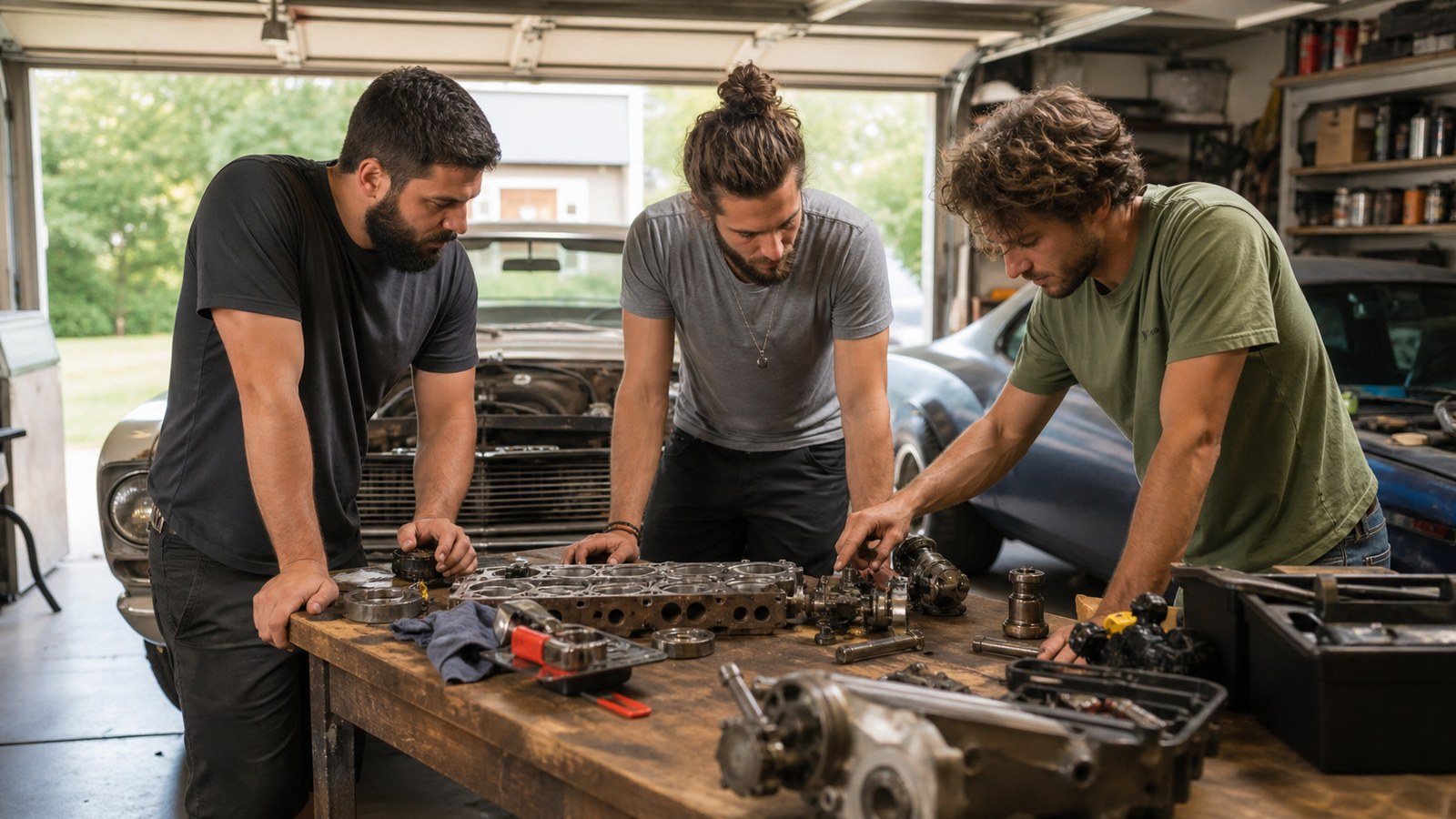
Many DIY mistakes are easier for another person to spot. A helper can check brake lights, watch for leaks, confirm wheel movement, read instructions, or notice a tool left near the engine bay. For heavy parts, a helper also improves safety. Garage work does not have to be solitary to be satisfying.
The best helpers are calm and willing to stop when something looks wrong. A second set of eyes is especially useful before starting the car, lowering it from stands, or taking the first test drive after a repair.
Learning To Inspect Is As Valuable As Learning To Replace
DIY culture often celebrates installing parts, but inspection is just as important. Finding a cracked hose, uneven tire wear, loose heat shield, corroded ground, or leaking shock early can prevent a larger repair. Inspection teaches how the vehicle ages.
A good inspection habit makes every oil change or tire rotation more useful. The owner is not just completing one task; they are building a mental picture of the whole car. That picture makes future diagnosis easier.
The Best DIY Work Leaves No Mystery
After a job, the owner should know what was changed, why it was changed, what torque specs were used, what fluids were added, and what still needs attention. Mystery is the enemy of good maintenance. If the next person cannot understand the work, the job is not fully documented.
Clear work habits make DIY repairs easier to trust. They also make it easier to hand the car to a professional later, because the history is organized instead of hidden.
Rust And Broken Fasteners Teach Patience
Older vehicles and salt-region cars often turn simple jobs into extraction work. Rusted bolts, seized studs, rounded fittings, brittle clips, and stuck sensors require patience, penetrating oil, heat where appropriate, correct tools, and sometimes a professional. Forcing parts can turn a repair into a larger problem.
A careful DIY mechanic plans for stubborn hardware. Replacement clips, extra time, and a willingness to stop can save the job. The garage rewards calm hands more than force.
Torque Specs Are Not Optional
Many automotive fasteners need specific torque because they hold brakes, wheels, suspension, engine parts, or sealing surfaces. Too loose can be dangerous. Too tight can strip threads, warp parts, crush gaskets, or break bolts. A torque wrench is one of the tools that separates guessing from repair.
Some fasteners are torque-to-yield or require a sequence. That information needs to come from service data. Tight enough by feel is not a reliable standard when safety or sealing is involved.
Garage Culture Builds Skill Over Time
DIY garage culture is valuable because it turns car ownership into hands-on learning. Oil changes, brakes, detailing, suspension work, diagnostics, wiring, fabrication, and careful inspection all teach owners how vehicles are built and how failures begin. The knowledge grows through repetition, shared advice, and mistakes handled safely.
Good garage culture also respects limits. Some jobs need lifts, scan tools, alignment equipment, high-voltage training, or professional diagnosis. Knowing when to stop is part of skill, not a weakness. The strongest DIY communities encourage safe work, documentation, and realistic judgment.