DIY Garage Culture Works Best With Patience And Evidence
DIY garage culture helps owners understand their vehicles instead of treating every warning light or noise as a mystery. The strongest DIY habits are careful: use service information, lift safely, document symptoms, label parts, test one change at a time, and know when a job belongs with a professional. The goal is confidence, not guessing.
DIY Garage Culture Begins With Curiosity
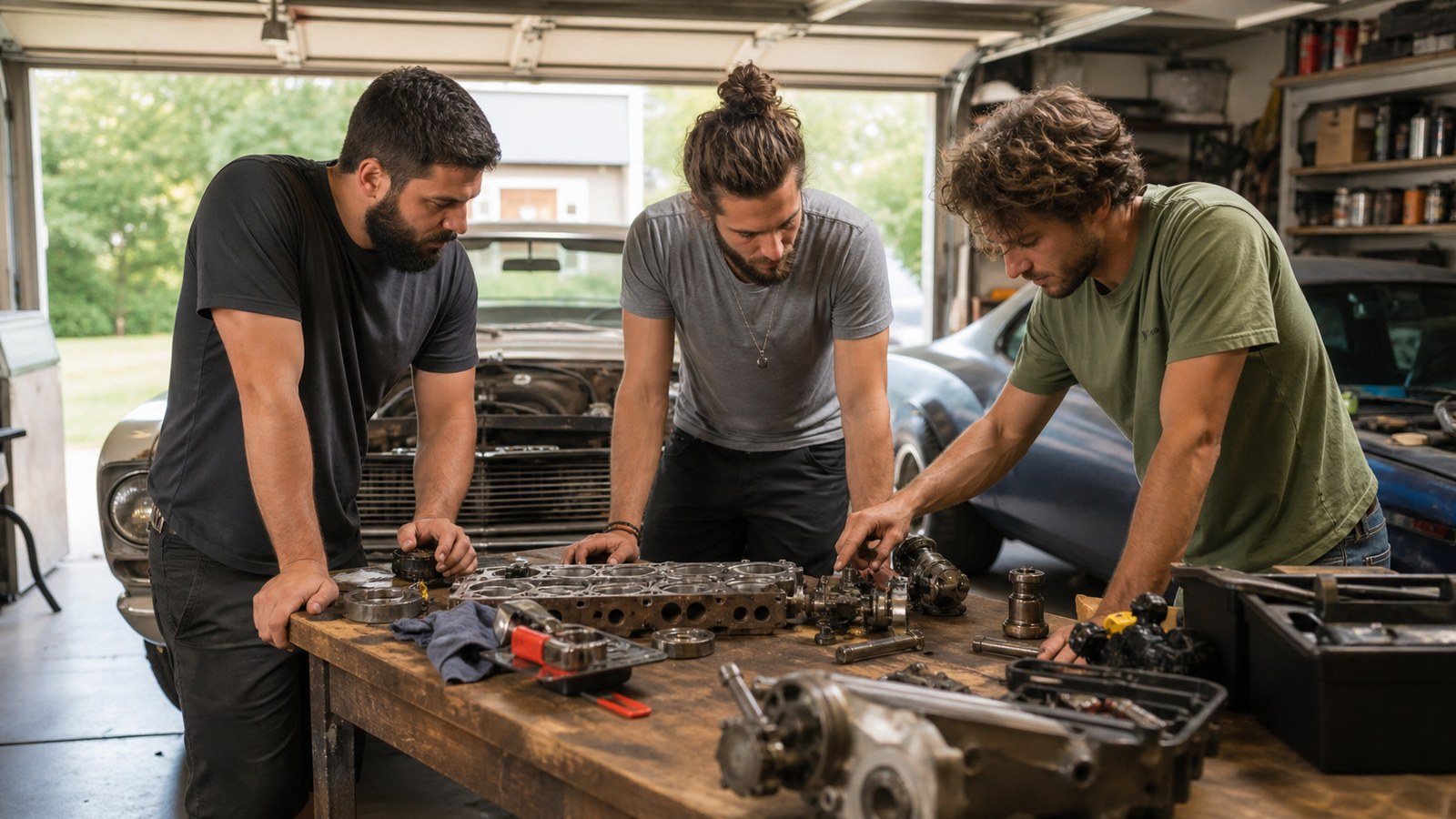
DIY garage culture is built around learning how machines work. It includes oil changes, brake jobs, detailing, diagnostics, fabrication, restoration, tuning, weekend repairs, tool collecting, and long conversations over open hoods. At its best, the culture makes owners more patient and less intimidated by their vehicles.
The strongest DIY mindset is not bravado. It is evidence. What symptom appeared? When did it start? What changed recently? What does the service information say? What test can confirm the fault? A careful home mechanic saves money and gains confidence because the work is organized rather than guessed.
Safety Is The First Tool
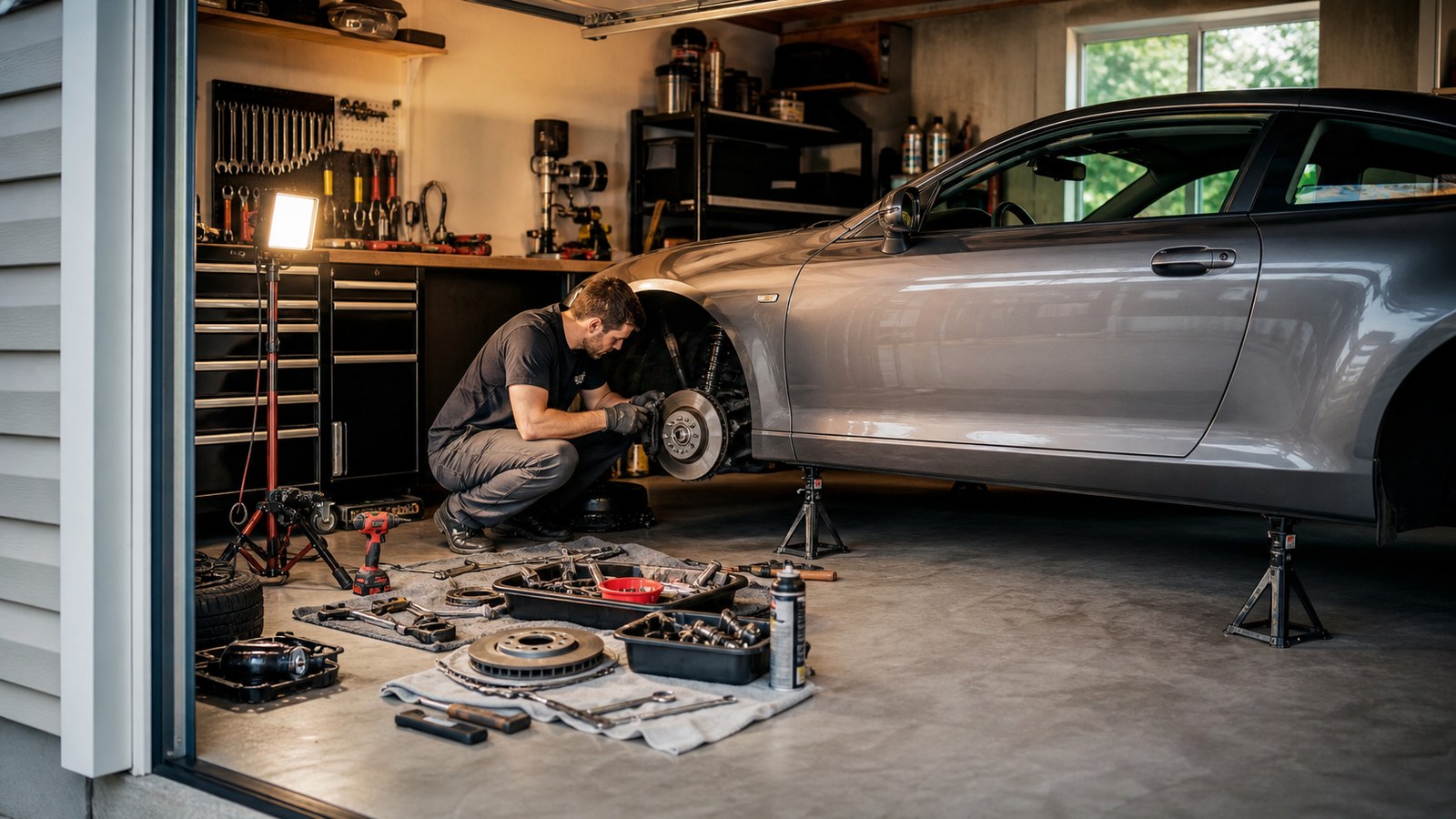
Garage work has real risks. Jack stands, wheel chocks, eye protection, gloves, ventilation, torque specs, fire safety, battery disconnection, and chemical handling all matter. A vehicle supported only by a jack is dangerous. A closed garage with exhaust running is dangerous. Fuel vapors, brake dust, hot coolant, airbags, high-voltage systems, and spring tension all deserve respect.
Knowing when not to do a job is part of the culture. Airbag work, high-voltage EV repairs, structural welding, brake-line fabrication, advanced diagnostics, and safety-system calibration may belong with trained professionals. DIY pride works best when it includes limits.
Good Information Beats Guessing
Service manuals, wiring diagrams, technical service bulletins, torque specifications, diagnostic flowcharts, parts diagrams, and credible platform experience are more valuable than random advice. Online videos can help, but the vehicle’s exact year, engine, trim, drivetrain, and option package matter. A procedure for one version may not fit another.
Good DIY work starts by reading before removing parts. Understand fasteners, fluids, special tools, reset procedures, calibration needs, and likely failure points. Taking photos during disassembly and labeling hardware prevents confusion later. The more complex the job, the more valuable documentation becomes.
Diagnostics Are A Skill, Not A Code Reader
A scan tool can reveal trouble codes, but codes are starting points. A misfire code does not automatically mean a coil is bad. An oxygen-sensor code does not always mean the sensor failed. A battery warning does not always mean the alternator is the only suspect. Diagnostics connect symptoms, data, visual inspection, and tests.
Basic tools such as a multimeter, tire-pressure gauge, inspection light, smoke tester, vacuum gauge, cooling-system pressure tester, and infrared thermometer can help when used correctly. The goal is to prove a failure before buying parts. Parts darts get expensive and can introduce new problems.
Tools Build Slowly
A useful garage does not need every tool at once. Start with quality basics: socket sets, wrenches, screwdrivers, pliers, torque wrench, jack, stands, chocks, drain pan, gloves, lights, and a way to store hardware. Add specialty tools only when jobs require them. Renting or borrowing rarely used tools can make more sense than filling drawers with one-time purchases.
Tool quality matters most where failure creates risk. Jack stands, torque wrenches, brake tools, electrical tools, and cutting tools need to be trustworthy. Organization also matters. A clean bench and labeled parts can save more time than another expensive gadget.
Maintenance Jobs Teach The Platform
Oil changes, filters, spark plugs, tire rotations, battery replacement, wiper blades, brake pads, fluid checks, and inspections are valuable learning jobs. They show how the vehicle is packaged and what normal wear looks like. They also build habits around torque, cleanliness, disposal, and documentation.
Even simple jobs deserve care. Wrong oil, over-tightened drain plugs, cross-threaded filters, loose wheels, contaminated brake parts, and spilled fluids can create real problems. DIY work saves money only when it is done correctly. A slow correct job is better than a fast careless one.
Project Cars Require Scope Control
Project cars are where DIY culture becomes both rewarding and risky. A small plan can turn into engine work, interior repair, rust, wiring, suspension, paint, and parts hunting. Scope control keeps enthusiasm from becoming paralysis. Decide whether the project is a driver, restoration, track car, show car, off-road build, or learning platform.
Break the work into systems: make it safe, make it run, make it stop, make it steer, fix leaks, address tires, then improve appearance and comfort. A beautiful car with unsafe brakes is not finished. A powerful car with questionable wiring is not reliable. Priorities keep the project moving.
Community Is Part Of The Garage
DIY culture thrives through forums, local clubs, parts counters, machine shops, mentors, meetups, and friends who show up when a transmission is heavier than expected. Good communities share failures as well as successes. They explain what worked, what broke, what tool helped, and what they would do differently next time.
Respectful garage culture also avoids shaming beginners. Everyone starts somewhere. The person learning to change oil today may become the person diagnosing electrical faults years later. A healthy community values patience, safety, and accuracy more than gatekeeping.
Budgeting Prevents Abandoned Jobs
DIY does not mean free. Parts, fluids, tools, shop supplies, broken fasteners, alignment, machine work, towing, disposal, and mistakes all cost money. A job that looks cheap can grow when rusted bolts snap or hidden wear appears. Budgeting time matters too. A daily driver taken apart on Sunday night can create a Monday problem.
Before starting, ask what happens if the job takes twice as long. Is there another vehicle? Are parts available? Is the workspace safe overnight? Can the car be moved if needed? Planning keeps DIY work from disrupting the rest of life.
Documentation Makes The Work Valuable
Keep records of parts, dates, mileage, torque specs, fluids, alignments, repairs, and symptoms. Photos help with reassembly and resale. A future owner, technician, or even the same DIY mechanic months later benefits from knowing exactly what changed. Documentation turns garage effort into vehicle history.
Records also reveal patterns. A coolant leak that returns, a tire that keeps wearing, a battery that keeps draining, or a code that comes back after parts replacement needs deeper diagnosis. Good notes keep the owner from repeating the same repair.
Parts Quality Is A DIY Decision
Home mechanics often face a wall of part choices: original equipment, aftermarket, remanufactured, used, performance, budget, and premium. The cheapest part is not always a bargain if it fails early or fits poorly. The most expensive part is not always necessary for a simple commuter. Good DIY work matches part quality to the job, risk, labor involved, and vehicle value.
Labor difficulty matters. If a part is buried deep in the engine bay, choosing a reliable brand can save repeating the job. Safety parts such as brakes, steering, suspension, tires, and fuel components deserve extra care. Documentation of part numbers and suppliers helps later if there is a warranty issue or a repeated failure.
Clean Work Prevents Future Problems
Cleanliness is underrated in garage culture. Dirt in an engine, grit on brake parts, loose hardware in a cabin, spilled coolant, contaminated connectors, and unprotected wiring can all create trouble after the repair. Cleaning mating surfaces, using correct sealants, protecting open ports, and keeping hardware organized make the job more professional.
Clean work also helps diagnosis. A fresh leak is easier to find on a clean engine. A labeled connector is easier to reinstall. A tidy garage floor reveals dropped clips and tools. Careful preparation makes the repair less chaotic and the result more trustworthy.
Time Pressure Causes Mistakes
Many DIY problems happen because the vehicle has to be back on the road too soon. Rusted fasteners, wrong parts, broken clips, missing tools, and surprise damage can turn a two-hour job into a weekend. When the car is the only transportation, the pressure to rush grows. Rushing leads to skipped torque specs, poor testing, and parts installed without diagnosis.
Planning reduces that risk. Start early, confirm parts, read the procedure, have transportation backup when possible, and stop when fatigue makes mistakes likely. A repair completed calmly is usually better than one forced together at midnight.
DIY Culture Works Best With Humility
The garage teaches everyone eventually. A bolt breaks, a diagnosis is wrong, a part does not fit, or a shortcut creates more work. Humility keeps those moments useful. The best home mechanics admit uncertainty, ask better questions, and learn from mistakes instead of hiding them.
That attitude is what makes DIY garage culture valuable. It turns vehicle ownership into skill building. The owner becomes more capable, the car becomes less mysterious, and the next repair begins with more patience than the last one.
Electrical Work Rewards Methodical Testing
Modern vehicles make electrical diagnosis a major part of DIY culture. Fuses, relays, grounds, connectors, sensors, modules, battery condition, charging voltage, parasitic draws, and communication networks can all create symptoms that look unrelated. A random part swap rarely solves electrical problems reliably. Methodical testing is the better path.
Start with battery health, clean grounds, visible damage, and service information. Use a multimeter carefully, avoid piercing wires when possible, and disconnect power when working on sensitive circuits. Aftermarket accessories are common sources of trouble because poor wiring, weak grounds, or unfused circuits can create intermittent faults. Electrical patience saves money and prevents new problems.
Fluids And Waste Disposal Are Part Of The Responsibility
DIY maintenance creates used oil, coolant, brake fluid, transmission fluid, gear oil, filters, batteries, tires, and chemical containers. These materials need proper disposal. Pouring fluids on the ground, into drains, or into regular trash can harm people, pets, plumbing, soil, and waterways. Most communities offer parts stores, recycling centers, or waste facilities that accept automotive materials.
Responsible disposal is part of doing the job correctly. Use drain pans, label containers, clean spills, and store fluids away from children and ignition sources. A garage culture that respects the machine also respects the place where the work happens.
Test Drives Complete The Repair
A DIY job is not finished when the tools are put away. The vehicle needs a careful test drive and inspection. Check for leaks, warning lights, smells, noises, brake feel, steering behavior, charging voltage, temperature, and loose parts. Recheck fluid levels when the procedure calls for it. Retorque wheels after wheel-off work according to proper practice.
The test drive needs to match the repair. Brake work needs cautious bedding and stopping checks. Cooling work needs warm-up and leak checks. Suspension work needs alignment and a listen for clunks. Electrical work needs every affected function tested. Verification is what turns a repair into a reliable result.
The Best DIY Skill Is Patience
Patience shows up everywhere in garage work. It appears when a mechanic cleans threads before tightening a bolt, reads the manual twice, waits for parts instead of forcing a workaround, or stops to diagnose instead of guessing. Patience prevents broken clips, stripped threads, spilled fluids, and repeat repairs.
That is why DIY culture remains appealing. It gives owners a way to slow down, understand the machine, and build skill through careful work. The garage becomes less intimidating when each job is treated as a process rather than a race.
Good DIY Work Starts With Documentation
A strong garage habit is to document the work. Photos, torque specs, part numbers, fluid types, mileage, wiring notes, and before-and-after observations make future repairs easier. The notes do not need to be fancy. They simply need to be clear enough that the next person can understand what changed.
Documentation also helps owners learn from mistakes. If a noise appears after a repair, the record can narrow the search. If a part fails early, the owner can check installation details, warranty terms, and service history. Good garage culture treats notes as part of the job, not an extra chore.