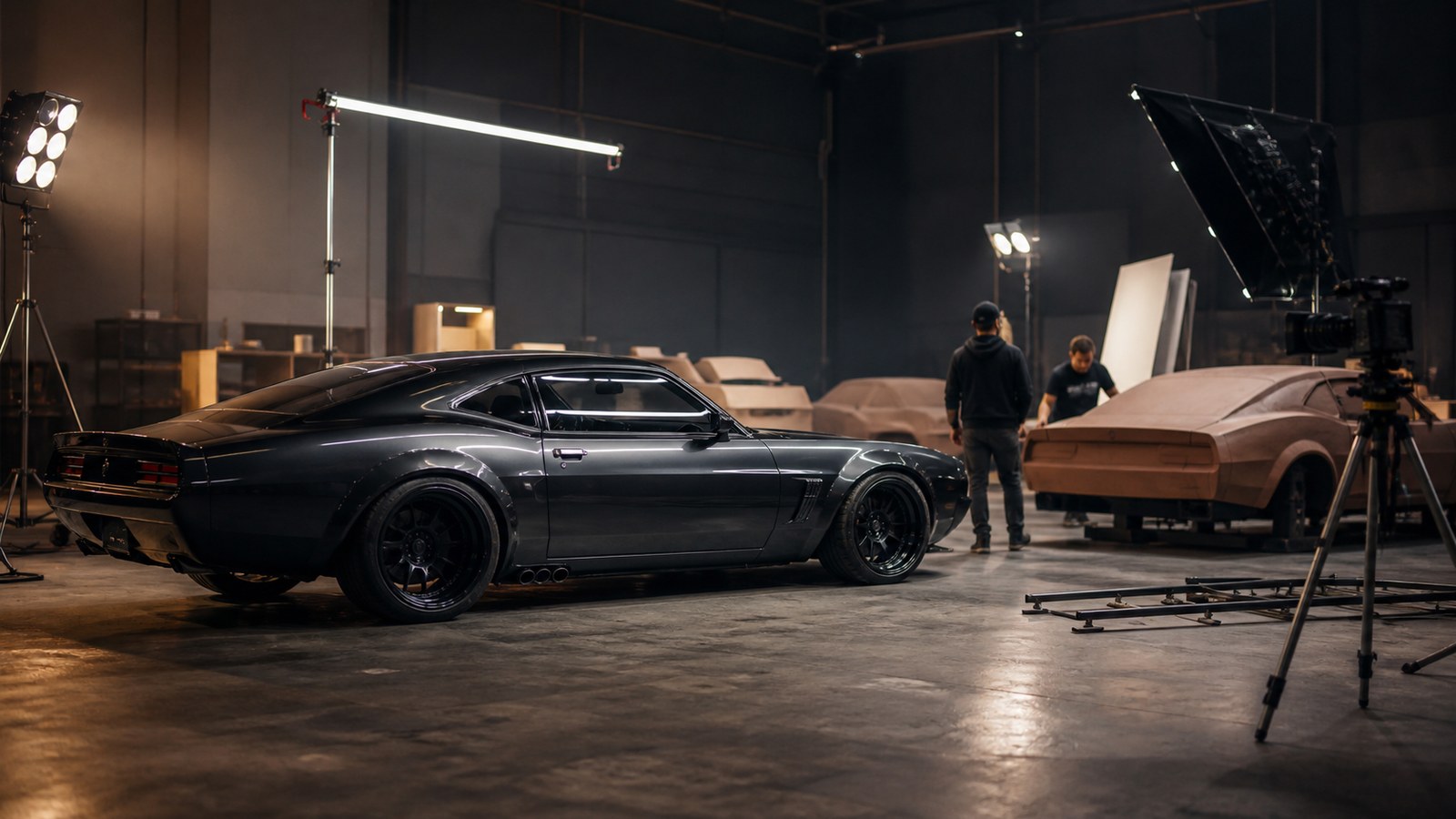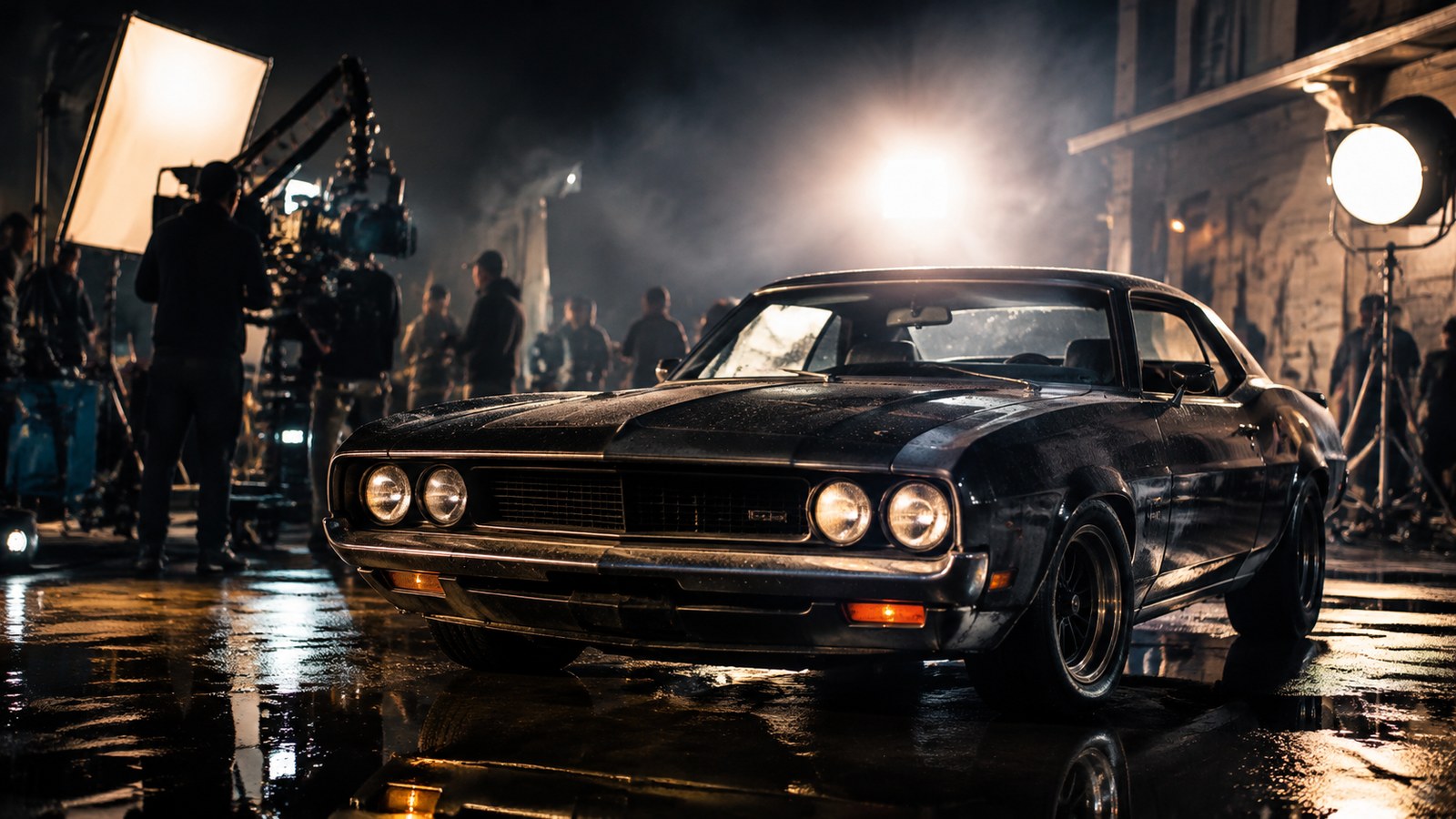
Movie Cars Become Famous When The Story Needs Them
The most famous movie cars are not remembered only because they looked good. They became part of the story. A Bullitt Mustang, Back to the Future DeLorean, James Bond Aston Martin DB5, Batmobile, Ghostbusters Ecto-1, Jurassic Park Explorer, Herbie Volkswagen Beetle, Mad Max Interceptor, Fast and Furious Supra, and Dodge Charger all carry character, sound, motion, and memory.
Famous Movie Cars Are Remembered As Characters
The most famous movie cars stay in public memory because they feel like part of the cast. The Bullitt Mustang, Bond’s Aston Martin DB5, the Back to the Future DeLorean, the Batmobile, Ecto-1, the Jurassic Park Explorer, Herbie, the Mad Max Interceptor, the Fast and Furious Supra, and Dominic Toretto’s Charger all communicate story before anyone explains them. Their shape, color, sound, movement, and scene context carry meaning.
A famous car does not need to be the fastest or rarest machine. It needs the right role. A plain vehicle can become beloved when the film gives it emotion, humor, danger, or identity. The audience remembers what the car made them feel.
The Bullitt Mustang Defined Cool Restraint
The green Ford Mustang from Bullitt remains famous because the chase feels physical and grounded. The car is not overloaded with gadgets or dialogue. It moves through San Francisco with weight, sound, and tension. The Dodge Charger it chases is just as important because the scene works as a duel between two machines with different personalities.
Fans still love the Bullitt Mustang because it represents understated performance. The car looks tough without shouting. Later Mustang editions borrowed the color and mood because the film attached a lasting identity to the model. Few scenes have done more for one car’s cultural image.
The DeLorean Became Bigger Than Its Sales History
The DeLorean DMC-12 was unusual before Back to the Future, but the film turned it into a time machine in the public mind. Stainless steel panels, gullwing doors, lights, smoke, and the 88 mph ritual made the car unforgettable. The movie used the vehicle’s strange appearance as a feature, not a problem.
That transformation is why many people know the DeLorean even if they know little about the real company. Film fame can rewrite automotive memory. The car became less a failed sports car and more a symbol of invention, nostalgia, and cinematic possibility.
The Aston Martin DB5 Made Elegance Feel Armed
The James Bond Aston Martin DB5 became legendary because it matched Bond’s image: refined, dangerous, and full of hidden capability. The gadgets mattered, but the base car mattered too. Its proportions and luxury made the fantasy believable. A lesser-looking car with the same equipment would not have carried the same authority.
The DB5’s fame endured because the franchise kept returning to it. Each appearance refreshed the connection between Aston Martin and Bond. The result is one of the strongest links between a real automaker and a fictional character in automotive culture.
The Batmobile Changes But Keeps Its Function
The Batmobile is unusual because it has many famous forms. Some versions are sleek and theatrical. Others are armored, brutal, or military-looking. The details change with each era’s Batman, but the purpose stays clear: the car is an extension of the character’s fear, technology, wealth, and mission.
Fans debate favorite versions because each one reflects a different interpretation. The 1960s car, the Burton-era car, the Tumbler, and newer designs all belong to the same idea. A Batmobile has to look like it could only belong to Batman.
Ecto-1 Turns A Professional Car Into A Memory
The Ghostbusters Ecto-1 works because it takes a Cadillac professional car and covers it with equipment, lights, siren, and comic urgency. It looks improvised and official at the same time. The car tells viewers the team is strange, underfunded, inventive, and ready to respond.
Its appeal is not performance. It is personality. Fans recognize the roof gear, white body, red fins, logo, and siren almost instantly. Ecto-1 shows that utility vehicles can become icons when the design fits the world perfectly.
Jurassic Park Made The Tour Vehicle Frightening
The Jurassic Park Ford Explorer became famous because the movie used an ordinary tour vehicle inside an extraordinary disaster. The bright graphics, glass roof, and automated ride system promised safety and control. When the system failed, the same vehicle became a fragile box in the rain.
That contrast keeps the Explorer memorable. It is not a chase hero or a supercar. It is a symbol of human confidence meeting nature’s power. The paint scheme alone now carries the whole scene for many fans.
Fast And Furious Cars Built A Shared Fantasy
The Fast and Furious franchise made cars famous through community, customization, speed, and loyalty. The orange Toyota Supra, black Dodge Charger, Mazda RX-7, Mitsubishi Eclipse, Nissan Skyline, and many later vehicles became part of a larger mythology. The films helped bring tuner culture, street-racing imagery, and modified-car identity to a huge audience.
Fans still love these cars because they connect mechanical choices to belonging. The vehicles are not only props; they represent crews, rivalries, builds, and personal identity. Even viewers who never modify a car understand the emotional charge of a finished build rolling into a scene.
Mad Max And Herbie Show Opposite Kinds Of Love
The Mad Max Interceptor is loved because it looks like survival. Its black body, blower imagery, stance, and harsh world make it feel predatory and desperate. It belongs to a future where machines are tools, weapons, and symbols of identity. The car’s fame comes from menace and scarcity.
Herbie, by contrast, is loved because a Volkswagen Beetle becomes a character with charm. The car is small, friendly, stubborn, and expressive. These two examples prove that movie-car fame does not come from one formula. A car can be loved because it is intimidating or because it feels alive and kind.
Why Fans Keep Returning To Movie Cars
Movie cars give fans a physical way to remember a story. Posters, toys, replicas, museum displays, video games, model kits, and car-show tributes keep the memory alive. A person may not own a screen-used car, but they can recognize the color, stripe, plate, sound, or silhouette and feel connected to the film.
That repeat visibility keeps famous movie cars from fading. Each new generation discovers them through streaming, sequels, clips, games, or parents who loved the original. The car becomes a shared object across time.
Hero Cars And Stunt Cars Tell Different Stories
Many famous movie cars existed as multiple vehicles during production. A hero car may have been used for close-ups and beauty shots. Stunt cars may have carried reinforced parts, hidden cages, different drivetrains, cut interiors, or simplified equipment. Interior bucks and promotional replicas may have been built for specific shots or later events. Fans often remember one car, but productions usually needed several.
This matters because authenticity depends on documentation. A screen-used hero car, a stunt shell, a promotional build, and a fan replica can all look similar while carrying different historical value. The more famous the car, the more important provenance becomes. Paperwork, production photos, builder notes, and ownership history separate legend from lookalike.
Sound Makes The Memory Stick
Engine note, tire noise, sirens, gear changes, crashes, and silence all shape movie-car memory. The Bullitt chase would not feel the same without mechanical sound. The DeLorean would not feel as theatrical without the buildup to time travel. Ecto-1’s siren is part of its identity. Electric or futuristic vehicles can use quietness or artificial sound to create a different mood.
Sound also explains why specifications alone do not create fame. Viewers may not know engine size, axle ratio, or tire compound, but they remember the feeling of the scene. A car becomes famous when the film combines sight, sound, and motion into one clear impression.
Toys, Games, And Replicas Extend The Legend
Movie cars live beyond the screen through toys, model kits, posters, video games, die-cast collections, conventions, parades, museums, and local car shows. These versions let fans revisit the story physically. A child may meet the car first as a toy and later discover the film. An adult may build a tribute car because the original scene shaped their imagination.
Replicas also keep rare vehicles visible. Most original screen cars are privately held, fragile, or locked into collections. A well-built tribute can bring the image to public events, as long as it is represented honestly. The replica is not the same as the original, but it can still preserve the cultural memory.
Some Cars Become Famous By Contrast
A movie car often works because it contrasts with the world around it. The Jurassic Park Explorer promises safety in a dangerous park. The DeLorean looks futuristic in suburban settings. The DB5 brings elegance into violence. The Bluesmobile looks worn out but performs impossible escapes. Herbie looks humble but acts with personality. Contrast makes the car easier to remember.
That contrast also gives the audience a simple hook. The car can be funny, threatening, beautiful, strange, battered, or impossible. Once viewers understand that role, the vehicle becomes shorthand for the film’s mood.
Automakers Benefit When The Match Feels Natural
A famous movie car can strengthen an automaker’s identity for decades. Aston Martin gained lasting Bond glamour. Ford gained Mustang mythology from Bullitt. Pontiac Trans Am memory was boosted by Smokey and the Bandit and Knight Rider. Toyota Supra enthusiasm grew through Fast and Furious visibility. Even DeLorean became far more recognizable because film gave the car a second life.
The match has to feel natural. Audiences reject obvious product placement when the car does not belong in the story. The strongest movie cars feel chosen by character and setting. That is why their value outlives ordinary advertising. Fans repeat the image voluntarily.
Restoration Choices Can Be Complicated
Preserving a famous movie car is not the same as restoring a normal collector car. Screen damage, production modifications, replacement panels, stunt repairs, faded props, and mismatched mechanical parts may all be part of the history. A perfect restoration can sometimes erase evidence of filming, while leaving everything untouched can make display or operation difficult.
Collectors and museums have to decide what story the vehicle is telling. Is it being restored to how it appeared on screen, how it left production, or how it survived? Clear documentation matters because future fans need to understand which parts are original, repaired, recreated, or tribute work.
Fame Can Outlive The Original Vehicle
Some original movie cars were lost, destroyed, rebuilt, or modified after production. The image can still survive because fans remember the scene more than the physical object. Replicas, toys, posters, games, documentaries, and anniversary events can keep the legend active even when the original car is inaccessible.
This is one reason movie cars are different from ordinary collector vehicles. Their cultural value lives in memory as much as metal. The actual car matters deeply when it survives, but the legend can travel through copies and callbacks for decades.
The Best Movie Cars Are Easy To Explain
A lasting movie car usually has a simple sentence behind it. The DeLorean is the time machine. The DB5 is Bond’s gadget car. Ecto-1 is the Ghostbusters response vehicle. The Bullitt Mustang is the chase car. The Jurassic Park Explorer is the failed tour vehicle. Herbie is the Beetle with personality.
That clarity helps fans share the memory. A car may have complex production history, but the public icon needs an immediate idea. When a vehicle’s role can be recognized at a glance, it has a better chance of becoming famous.