EV Platform Cooling Systems Explained: The Real-World Problem
EV Platform Cooling Systems Explained deserves its own plan because it is about EV thermal control architecture, not just a generic reminder to take care of a car. The useful reader is readers trying to understand why electric vehicles still need serious cooling systems. In that setting, the vehicle is not an abstract machine. It is carrying people, cargo, schedules, heat, weather, and expectations all at once. The best maintenance advice starts there, because the right decision depends on how the car is actually used. That framing matters because readers trying to understand why electric vehicles still need serious cooling systems need guidance that fits the way the vehicle is actually used.
A: the owner manual as a baseline, then adjust for use and climate.
A: smart preparation keeps the vehicle safer, cleaner, and more predictable.
A: the vehicle with electric platform engineering in mind before heat and distance add stress.
A: for small changes because they often appear before a dashboard warning.
A: service timing against real driving conditions instead of guessing.
A: tire, fluid, cooling, and electrical clues as part of one reliability picture.
A: simple tools make ev platform cooling systems explained easier to manage at home.
A: maintenance records help identify patterns before repairs become urgent.
A: hot weather can turn minor wear into noticeable drivability problems.
A: a calm inspection before long drives reduces avoidable roadside stress.
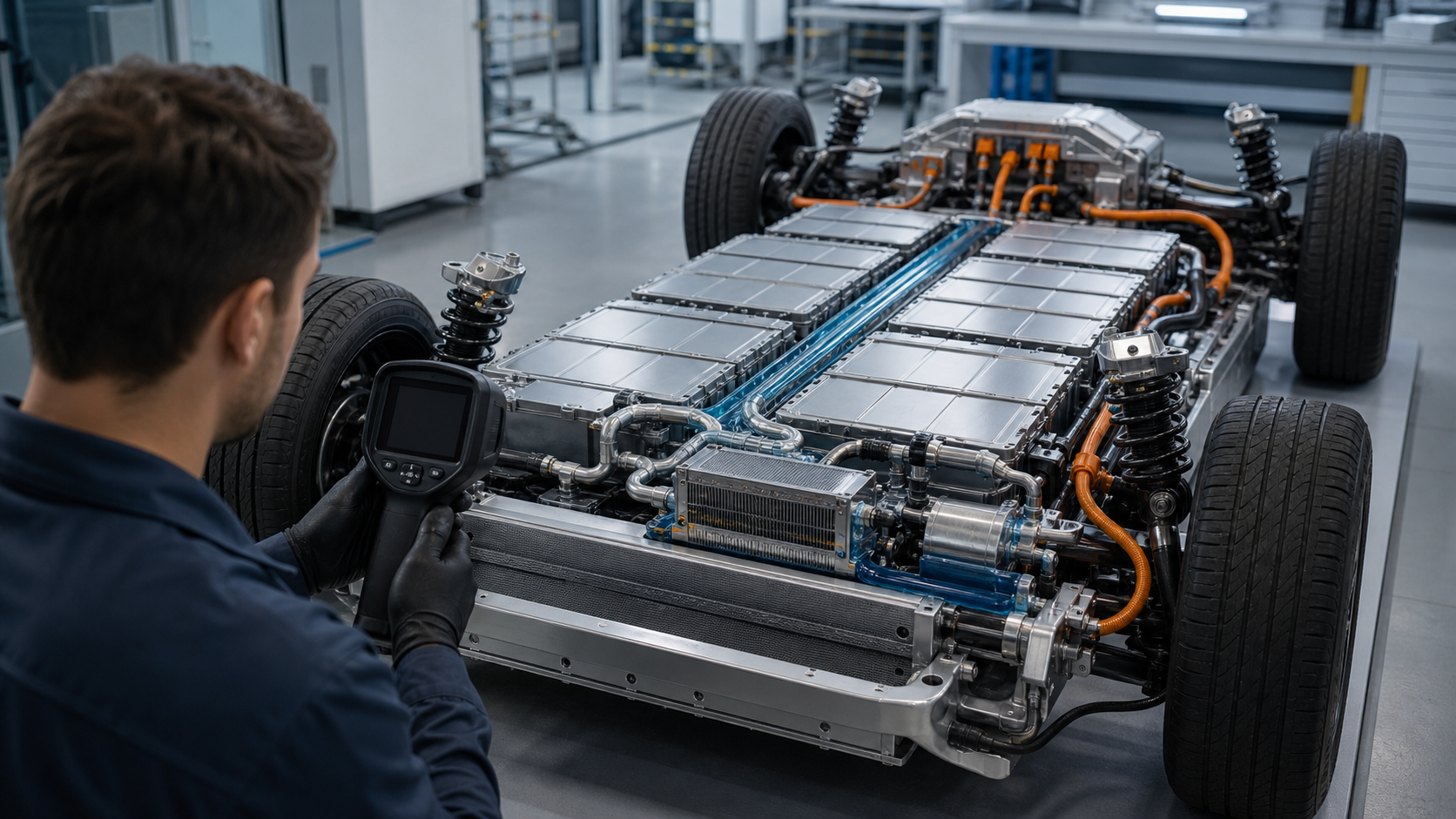
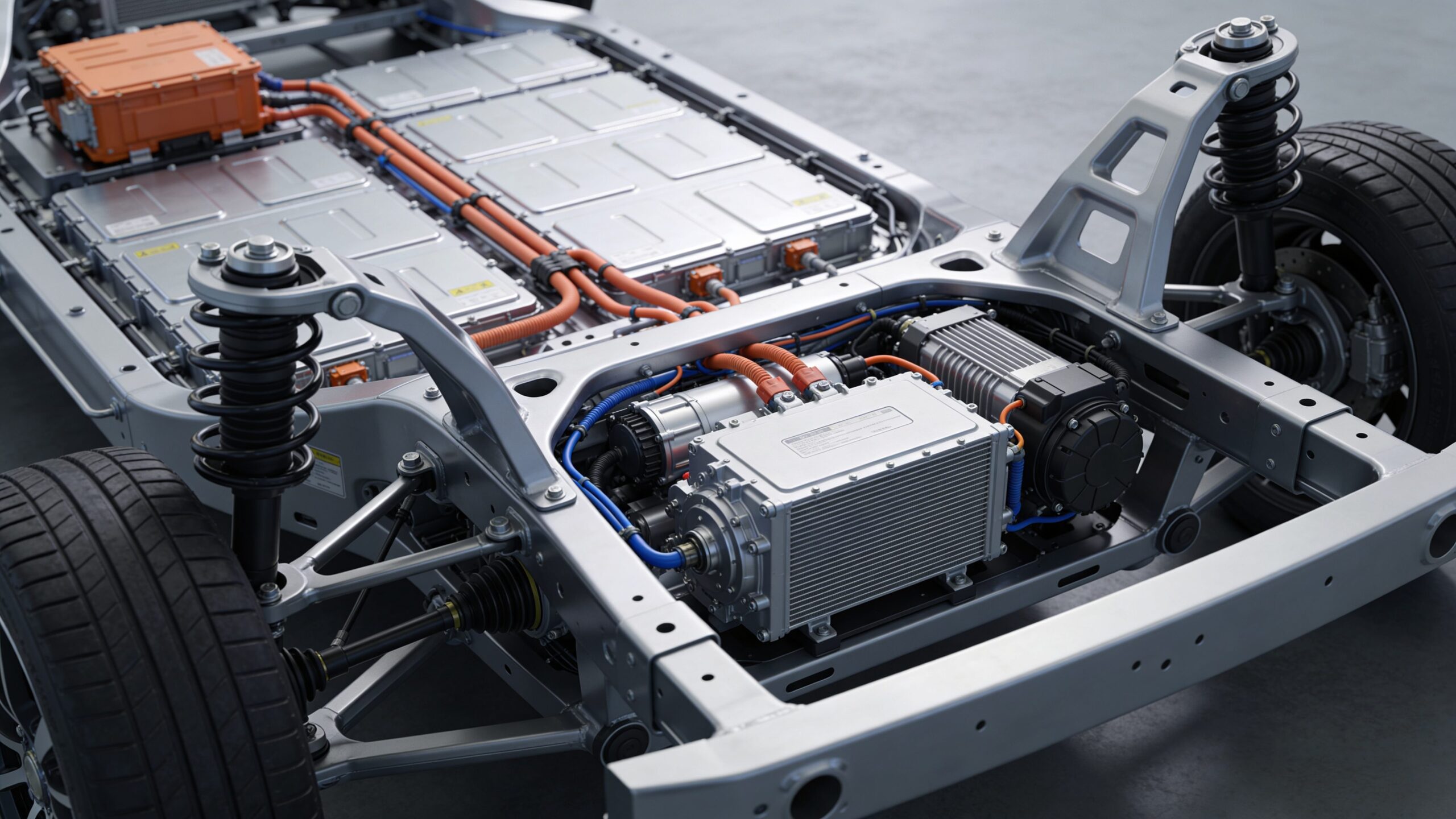
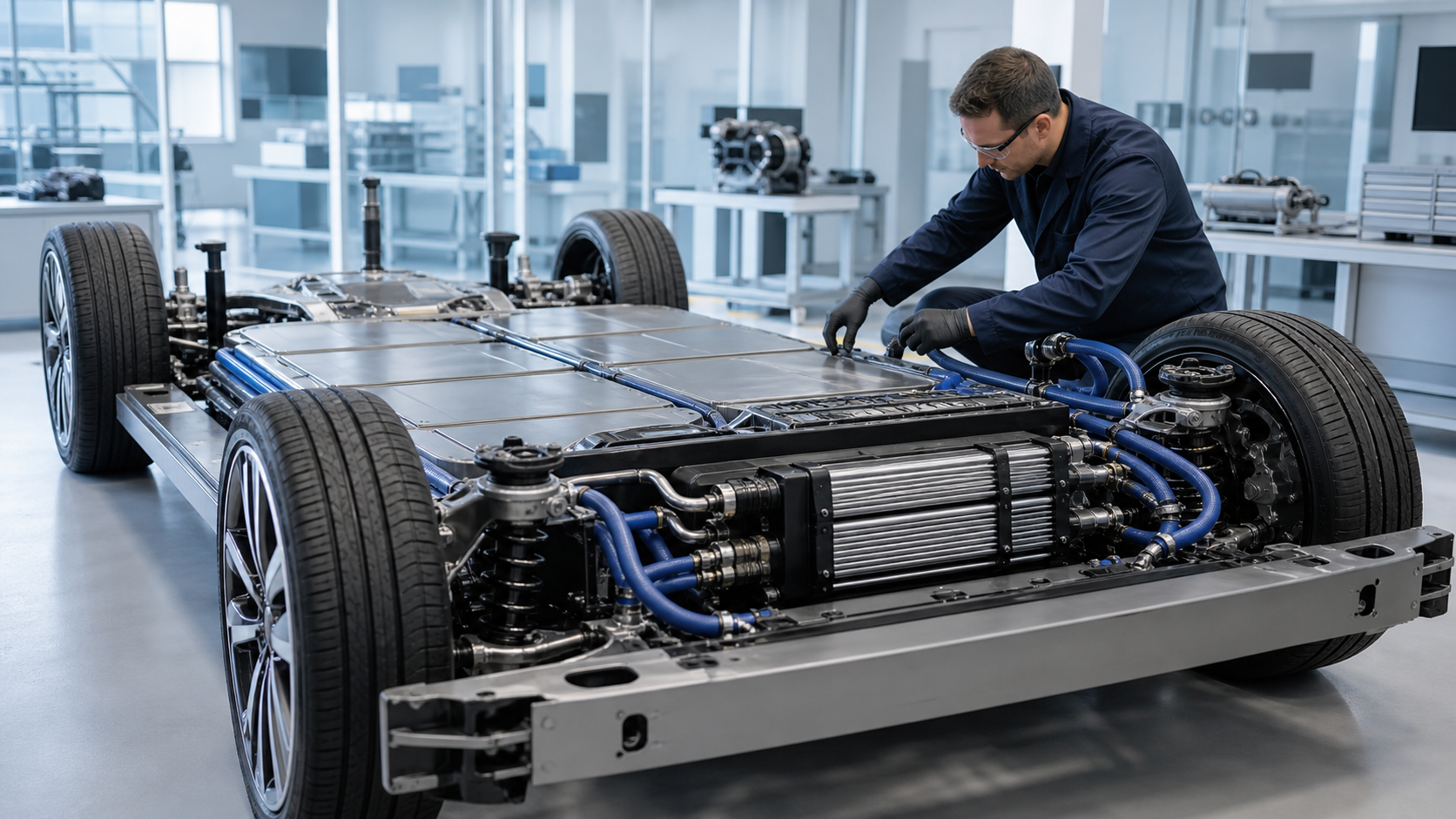
Picture battery packs, motors, inverters, and cabin demands sharing thermal capacity. The important clues are usually small at first: a different sound on startup, a warmer gauge reading, a change in steering feel, a smell after parking, or a service record that suddenly looks older than expected. Treating those clues early keeps the owner in control. Waiting until the car forces the issue usually means fewer choices, higher stress, and a repair made on someone else’s schedule. In this case, the practical center is EV thermal control architecture, with battery coolant loop and heat pump treated as early evidence.
Parts and Clues That Matter Most
The most relevant parts for this topic are battery coolant loop, heat pump, chiller, inverter, motor cooling, thermal valves, and software controls. They do not all fail the same way, and they do not all need the same service interval. Some are visual checks. Some need a test drive. Some need a technician, a scan tool, or a pressure test. The common thread is that each part gives evidence before it becomes a roadside emergency. The point is to make EV Platform Cooling Systems Explained useful in battery packs, motors, inverters, and cabin demands sharing thermal capacity, not just technically accurate on paper.
A smart inspection follows the evidence instead of jumping to the most expensive explanation. Look at condition, age, mileage, heat exposure, and recent driving pattern. If one clue appears by itself, it may be minor. If several clues appear together, the vehicle is usually asking for attention. That is especially true when heat, long highway miles, towing, mountain routes, or stop-and-go traffic are part of the picture. That is why the inspection should keep circling back to watch charge speed in heat and follow coolant service guidance.
What Changes the Service Timing
Owner manuals give a baseline, but real driving adjusts the rhythm. A car that lives on short trips, dusty roads, steep grades, or high-speed summer travel does not age like a lightly used commuter in mild weather. For EV Platform Cooling Systems Explained, timing should be based on use, symptoms, and inspection results. Mileage matters, but it is only one piece of the decision. This article keeps that narrower focus so the advice remains different from a general maintenance checklist.
The risks to watch are fast charging limited by temperature, range loss in heat, and battery aging from poor thermal management. These are the situations that turn routine care into a reliability issue. They are also the reason two drivers with the same model can need different schedules. A vehicle used gently may stay inside the normal interval. A vehicle carrying heavy loads, sitting in heat, or repeating long trips may need shorter checks and a more conservative replacement plan. The strongest decisions come from matching EV thermal control architecture to the driver’s own route, climate, and service history.
A Practical Inspection Order
Start with simple checks that do not require guesswork: watch charge speed in heat, follow coolant service guidance, and pay attention to thermal warnings. Then connect what you find to the driving conditions from the last few weeks. A fresh vibration after a tire service means something different from a vibration that slowly appeared over thousands of miles. A weak start after a heat wave deserves a different response than a weak start after a month of storage. For this subject, fast charging limited by temperature is the kind of clue that deserves attention before it becomes urgent.
This order keeps the process calm. First, confirm the symptom. Second, inspect the parts most likely to explain it. Third, compare the result with the service history. Fourth, decide whether the repair is urgent, scheduleable, or just something to monitor. That sequence prevents random part swapping and makes it easier to talk clearly with a repair shop. Here, battery packs, motors, inverters, and cabin demands sharing thermal capacity keeps the advice tied to EV thermal control architecture instead of broad car-care filler.
Common Mistakes to Avoid
The biggest mistake is treating EV Platform Cooling Systems Explained as a one-size-fits-all rule. Another mistake is replacing parts without asking why they wore, overheated, leaked, or lost performance in the first place. If a tire wears unevenly, the alignment or suspension may be part of the story. If a cooling part fails repeatedly, airflow, pressure, or installation quality may matter. If an EV charges slowly, the battery temperature and charge curve may explain more than the charger label. That framing matters because readers trying to understand why electric vehicles still need serious cooling systems need guidance that fits the way the vehicle is actually used.
Owners also get into trouble when they ignore documentation. A dated receipt, a pressure reading, a tread-depth note, or a battery test result can prevent confusion months later. Records are not busywork. They are the memory of the vehicle. They show whether an issue is new, recurring, or tied to a specific season or type of driving. In this case, the practical center is EV thermal control architecture, with battery coolant loop and heat pump treated as early evidence.
How to Decide What to Do Next
The next step should match the consequence of failure for EV Platform Cooling Systems Explained. When battery coolant loop, heat pump, and chiller are involved, the decision affects confidence, control, range, or the ability to keep moving. Items tied to EV thermal control architecture deserve faster attention than cosmetic annoyances because the cost of waiting can be a stranded car, an unsafe drive, or a repair made under pressure. The point is to make EV Platform Cooling Systems Explained useful in battery packs, motors, inverters, and cabin demands sharing thermal capacity, not just technically accurate on paper.
For a do-it-yourself owner, the best work is usually observation, cleaning, basic measurement, and clear recordkeeping. For a professional shop, the most valuable request is specific: describe the symptom, when it happens, what changed recently, and what has already been checked. That turns EV Platform Cooling Systems Explained from a vague concern into a diagnosable question. That is why the inspection should keep circling back to watch charge speed in heat and follow coolant service guidance.
How This Looks During Normal Ownership
In daily use, EV Platform Cooling Systems Explained usually shows up as a pattern rather than one dramatic event. The car may feel normal on short errands but different after a hot commute, a full cargo load, a long grade, or several days of repeated starts. That is why the owner should compare the vehicle against its own normal behavior. A change in noise, smell, pressure, temperature, charge speed, pedal feel, or fuel use is more useful than a generic rule copied from another vehicle. This article keeps that narrower focus so the advice remains different from a general maintenance checklist.
The best owners build small habits around that pattern. They check the same areas in the same order, keep receipts, note mileage, and pay attention after repairs. If the subject involves battery coolant loop, heat pump, chiller, and inverter, those habits make the difference between guessing and knowing. They also make it easier to separate a harmless quirk from a clue that deserves a scheduled inspection. The strongest decisions come from matching EV thermal control architecture to the driver’s own route, climate, and service history.
Questions to Ask Before Spending Money
Before buying parts or approving service, ask what evidence supports the repair. Does the part show visible wear? Did a test confirm the problem? Is the replacement based on age, mileage, a symptom, or a known service interval? For EV Platform Cooling Systems Explained, those questions keep the decision connected to the vehicle instead of turning maintenance into a shopping list. For this subject, fast charging limited by temperature is the kind of clue that deserves attention before it becomes urgent.
It also helps to ask what should be inspected while the area is already apart. A belt job may reveal a weak tensioner. A tire replacement may expose alignment wear. A brake upgrade may be the right time for fluid. A cooling service may uncover a tired cap, hose, or fan issue. Good planning reduces repeated labor and helps the owner spend money once instead of circling back to the same system a month later. Here, battery packs, motors, inverters, and cabin demands sharing thermal capacity keeps the advice tied to EV thermal control architecture instead of broad car-care filler.
Season, Climate, and Driving Style
Climate changes the answer for EV Platform Cooling Systems Explained. In battery packs, motors, inverters, and cabin demands sharing thermal capacity, the important pressure points are fast charging limited by temperature, range loss in heat, and battery aging from poor thermal management. Heat, cold, dust, rain, salt, steep grades, and heavy traffic all add load in different ways, so a recommendation that works in mild conditions may need adjustment when the vehicle lives in a harsher routine. That framing matters because readers trying to understand why electric vehicles still need serious cooling systems need guidance that fits the way the vehicle is actually used.
Driving style matters just as much. Towing, fast highway use, mountain roads, short city trips, spirited weekend driving, repeated fast charging, or adventure travel all create different stress. The owner does not need to over-service everything. The owner needs to identify which parts are being asked to work hardest and move those checks earlier on the calendar. In this case, the practical center is EV thermal control architecture, with battery coolant loop and heat pump treated as early evidence.
When to Use a Professional Shop
A professional shop is worth involving when EV Platform Cooling Systems Explained requires evidence the owner cannot safely collect at home. That may mean pressure testing, load testing, scan data, wheel removal, high-voltage safety, brake measurement, temperature logging, or a second set of experienced eyes on battery coolant loop, heat pump, chiller, and inverter. The goal is not to surrender the decision. The goal is to get better evidence. The point is to make EV Platform Cooling Systems Explained useful in battery packs, motors, inverters, and cabin demands sharing thermal capacity, not just technically accurate on paper.
For the smoothest visit, bring the service history, describe recent driving conditions, and explain what changed. Mention whether the concern appears cold, hot, loaded, uphill, at speed, while braking, while charging, or after sitting. That detail is especially useful for EV Platform Cooling Systems Explained, because many vehicle problems are condition-specific. The same car can behave perfectly in a parking lot and show the real issue only under the right load. That is why the inspection should keep circling back to watch charge speed in heat and follow coolant service guidance.
The Ownership Payoff
The payoff is confidence. A vehicle that is inspected with EV-engineering explanatory thinking feels less mysterious, especially when the route is longer or the weather is harder on the machine. Drivers still need professional repairs at times, but they are less likely to be surprised by obvious wear, overdue service, or warning signs that had been building for weeks. This article keeps that narrower focus so the advice remains different from a general maintenance checklist.
EV Platform Cooling Systems Explained is ultimately about preparation. The car does not need perfection to be trustworthy. It needs attention in the right places, at the right time, with decisions based on evidence instead of panic. That habit makes every drive feel more controlled, and it keeps maintenance tied to real use rather than generic advice copied from one vehicle to the next. The strongest decisions come from matching EV thermal control architecture to the driver’s own route, climate, and service history.