What Is a Skateboard EV Platform?
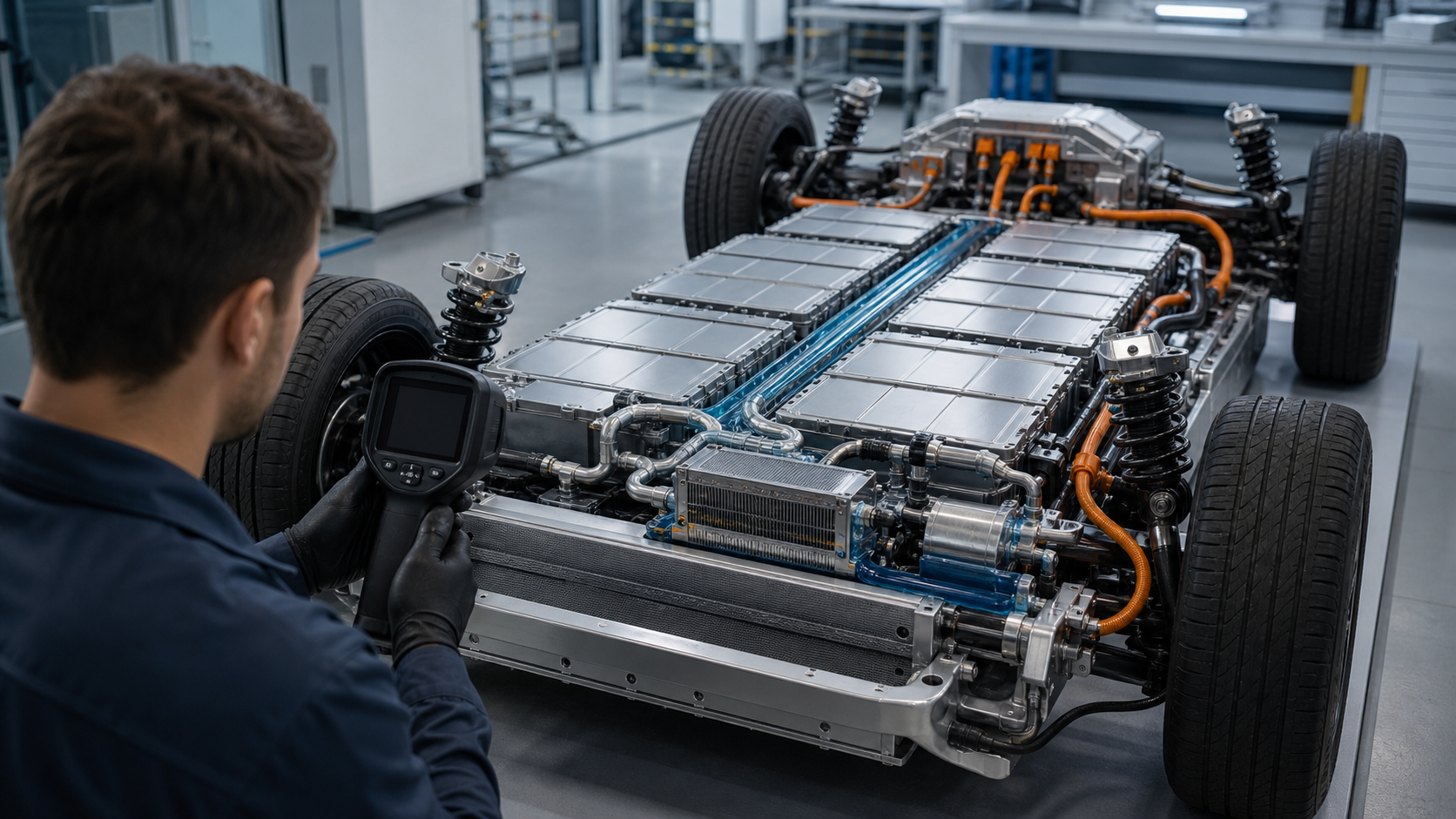
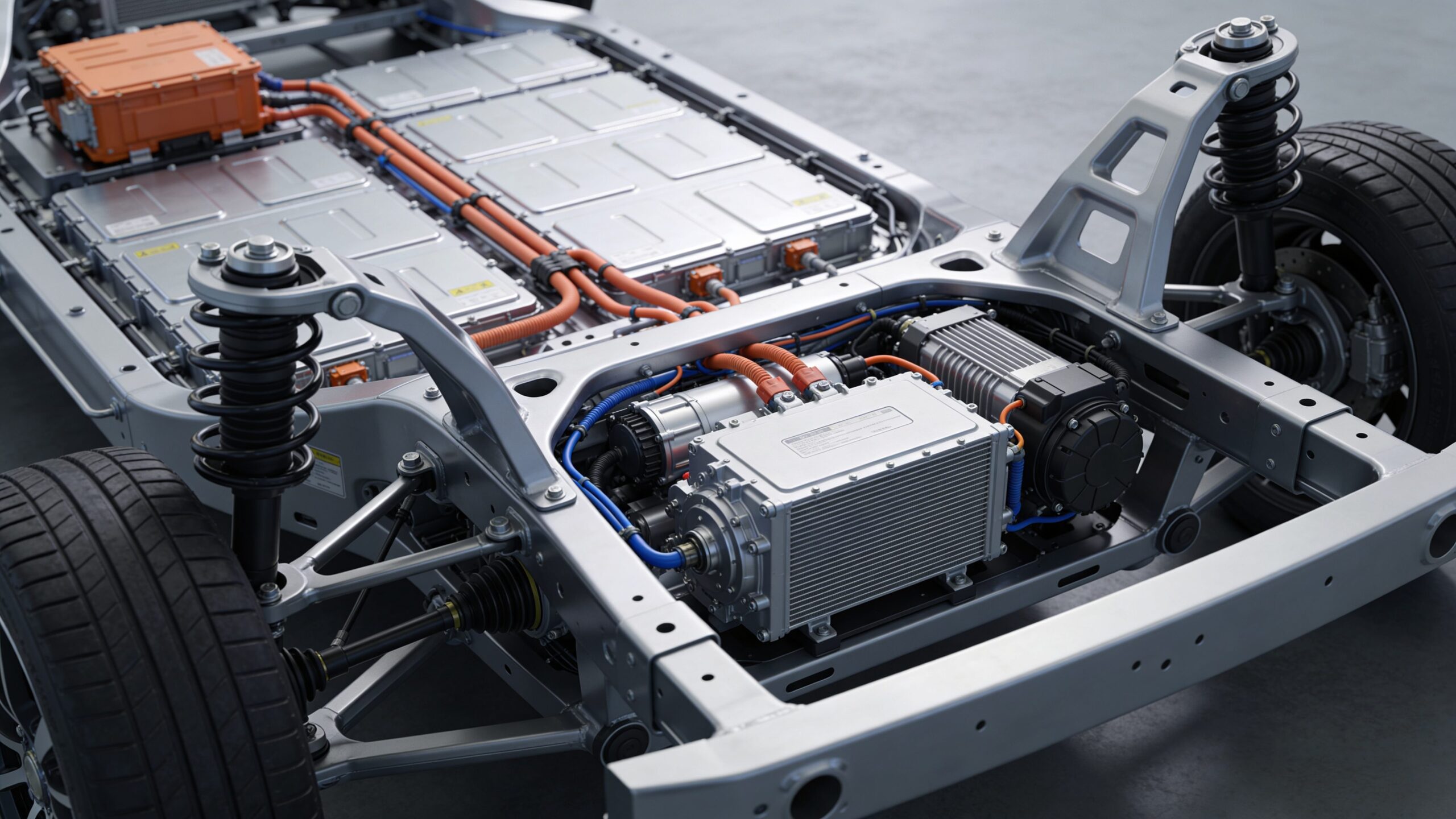
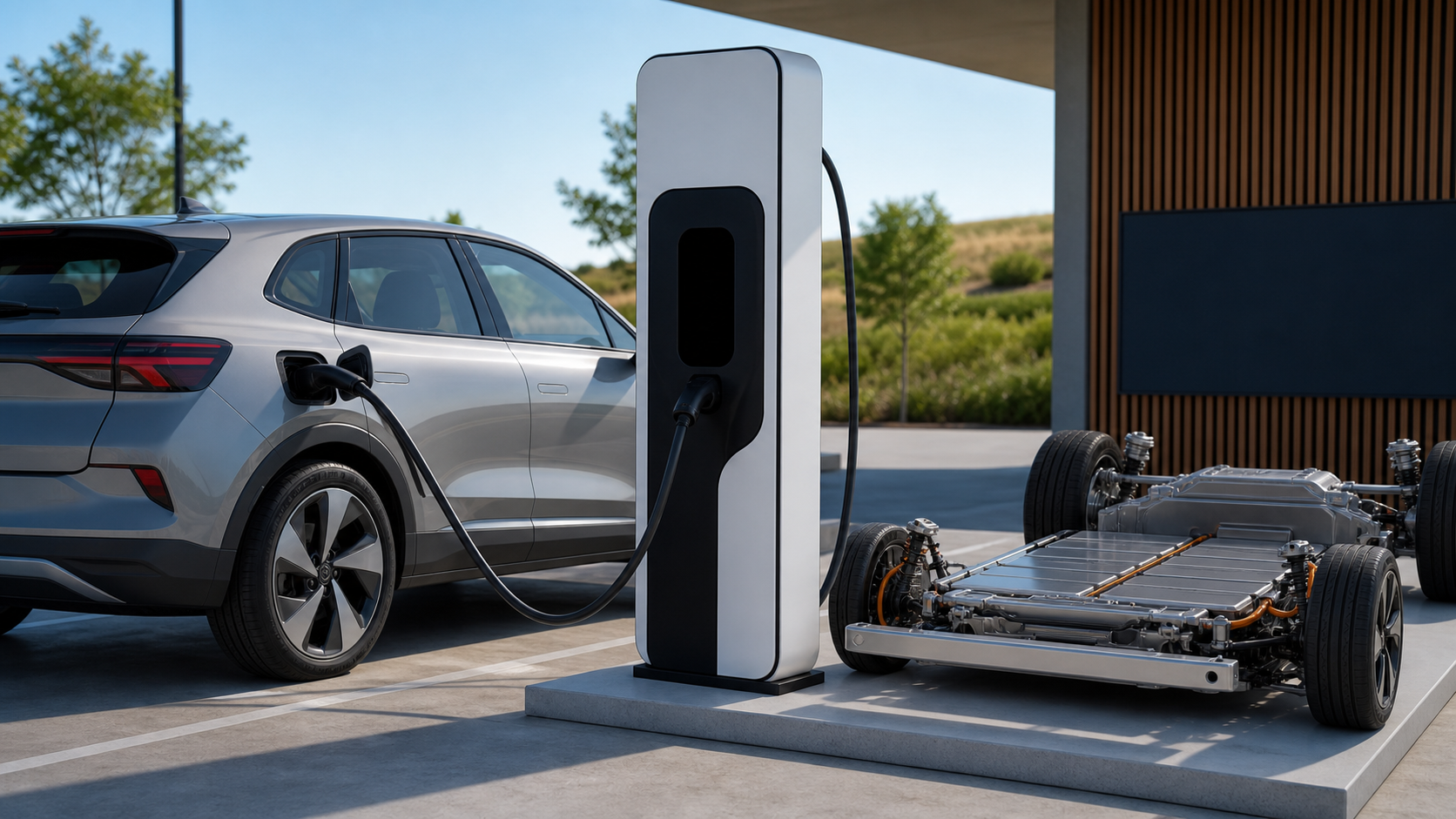
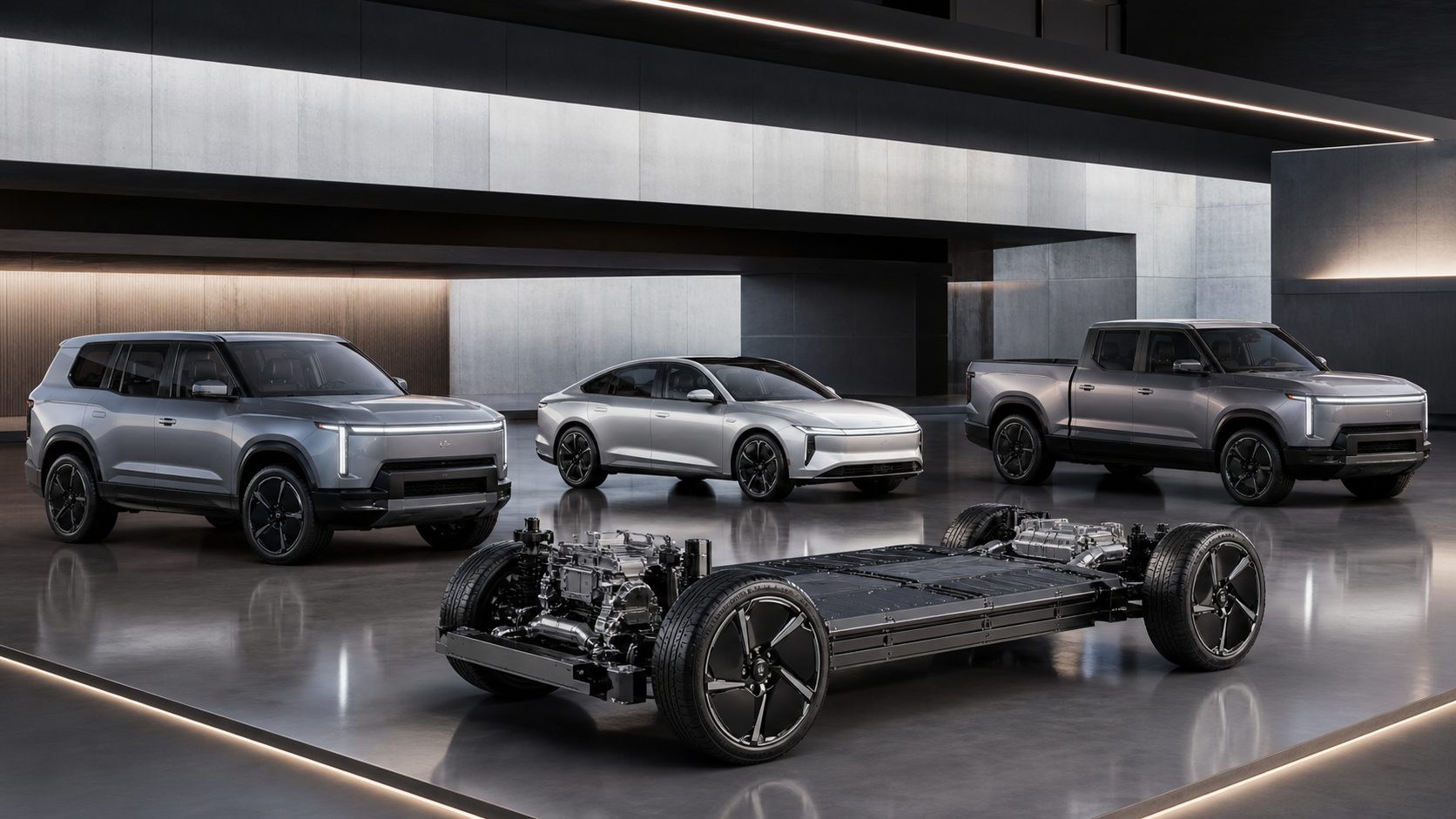
The term “skateboard EV platform” refers to a revolutionary vehicle architecture where the core mechanical components—battery pack, electric motors, suspension, and electronics—are integrated into a flat, rigid base. This base resembles a skateboard in shape, with wheels at the corners and a flat deck in between, forming the foundation upon which different vehicle bodies can be built. Unlike traditional internal combustion engine vehicles that rely on bulky engines, transmissions, and exhaust systems, this design simplifies the entire structure into a compact and efficient layout. What makes this approach so transformative is its modularity. Instead of designing every vehicle from scratch, automakers can build multiple models—sedans, SUVs, trucks, and even vans—on the same underlying platform. This drastically reduces development time, cuts manufacturing costs, and allows brands to scale their electric vehicle lineups faster than ever before.
A: A flat EV chassis integrating battery, motors, and electronics.
A: Because of its flat deck and wheel-at-corners layout.
A: Most modern EVs use some version of this design.
A: It can be, due to better structure and crash zones.
A: Yes, especially handling and acceleration.
A: Yes, across multiple vehicle types.
A: Over time, yes through scale and efficiency.
A: A large battery pack beneath the floor.
A: Yes, with multiple motors.
A: It’s highly likely as EV adoption grows.
The Origins of the Skateboard Concept
While electric vehicles have existed for over a century, the skateboard platform concept gained serious traction in the early 2000s as battery technology improved. Early innovators recognized that removing the internal combustion engine opened up entirely new design possibilities. The idea was simple but powerful: centralize the battery pack under the floor and place electric motors near the wheels, creating a low, stable, and flexible chassis.
Companies pioneering electric mobility saw this architecture as the future of automotive design. Over time, major automakers embraced the concept, refining it with advanced materials, integrated electronics, and sophisticated thermal management systems. Today, skateboard platforms are at the heart of nearly every modern electric vehicle strategy, shaping the direction of the industry.
How Skateboard Platforms Work
At the core of a skateboard EV platform is the battery pack, typically positioned along the entire floor of the vehicle. This placement not only maximizes space but also lowers the center of gravity, improving stability and handling. Electric motors are mounted either at the front, rear, or both, enabling flexible drivetrain configurations such as rear-wheel drive, all-wheel drive, or performance-focused setups with multiple motors. The platform also integrates key systems like power electronics, cooling circuits, and structural supports. Everything is engineered to function as a cohesive unit, delivering power efficiently while maintaining safety and durability. Because the platform is self-contained, the upper body of the vehicle can be designed independently, allowing for greater creativity and differentiation across models.
Why This Design Is a Game-Changer
The skateboard platform fundamentally changes how vehicles are conceived, engineered, and produced. Traditional vehicles are constrained by the need to accommodate engines, fuel tanks, and complex mechanical systems. In contrast, EV platforms eliminate these limitations, offering a blank canvas for designers and engineers.
This flexibility leads to faster innovation cycles. Automakers can introduce new models more quickly because they don’t need to redesign the entire vehicle architecture each time. Instead, they can focus on styling, features, and user experience, building on a proven and scalable foundation.
Manufacturing Efficiency and Cost Reduction
One of the most significant advantages of skateboard platforms is their impact on manufacturing. By standardizing the core components, automakers can streamline production processes and reduce the number of parts required. This simplification translates into lower costs, fewer assembly steps, and improved reliability. Factories can be optimized to produce multiple vehicle types on the same production line, increasing efficiency and reducing downtime. This approach also enables economies of scale, making electric vehicles more affordable for consumers. As production volumes grow, the cost of batteries and components continues to decrease, accelerating the transition to electric mobility.
Design Freedom Like Never Before
With no engine block or transmission tunnel to work around, designers have unprecedented freedom to reimagine vehicle interiors and exteriors. Cabins can be more spacious, with flat floors that improve comfort and accessibility. Seating arrangements can be more flexible, and storage options can be expanded, including front trunks where engines once resided.
Exterior designs can also evolve in exciting ways. Vehicles can have shorter hoods, longer wheelbases, and more aerodynamic shapes, all of which contribute to improved efficiency and performance. This design freedom is one of the key reasons why modern electric vehicles look and feel so different from their gasoline-powered predecessors.
Performance Benefits of Skateboard Platforms
The low center of gravity created by the underfloor battery pack enhances handling and stability, making electric vehicles feel more planted on the road. Instant torque from electric motors provides rapid acceleration, while the balanced weight distribution improves cornering dynamics. Skateboard platforms also support advanced performance configurations. Multi-motor setups can deliver precise control over each wheel, enabling features like torque vectoring and enhanced traction. These capabilities not only improve performance but also contribute to safety, especially in challenging driving conditions.
Safety Advantages Built Into the Platform
Safety is a critical consideration in automotive design, and skateboard platforms offer several inherent benefits. The rigid battery pack structure can act as a protective barrier, reinforcing the vehicle’s frame and absorbing impact energy during collisions. Additionally, the absence of a large engine in the front allows for better crumple zones, improving crash safety.
Advanced battery management systems monitor temperature, voltage, and performance in real time, reducing the risk of overheating or failure. Combined with modern driver assistance technologies, these platforms contribute to safer and more reliable vehicles.
Scalability Across Vehicle Types
One of the most powerful aspects of skateboard platforms is their scalability. A single platform can be adapted to support a wide range of vehicles, from compact city cars to large trucks and commercial vans. By adjusting the size of the battery pack and the configuration of motors, manufacturers can tailor the platform to meet different performance and range requirements. This scalability enables automakers to expand their product portfolios while maintaining consistency in engineering and production. It also allows for easier updates and improvements, as new technologies can be integrated into existing platforms without requiring a complete redesign.
The Role of Software in Modern EV Platforms
Modern skateboard platforms are not just mechanical structures; they are deeply integrated with software systems that control everything from power delivery to user interfaces. Over-the-air updates allow manufacturers to improve performance, add features, and fix issues without requiring a visit to a service center.
Software-defined vehicles are becoming the norm, with platforms designed to support continuous evolution. This approach transforms cars into dynamic products that can improve over time, enhancing the ownership experience and extending the lifespan of the vehicle.
Environmental Impact and Sustainability
Skateboard EV platforms play a significant role in reducing the environmental impact of transportation. By enabling efficient electric drivetrains and supporting renewable energy integration, they contribute to lower emissions and improved air quality. The modular nature of these platforms also facilitates recycling and reuse, particularly for battery components. As battery technology advances, platforms are being designed to accommodate new chemistries and improve energy density. This ongoing innovation helps reduce the overall carbon footprint of electric vehicles, making them an increasingly sustainable choice.
Challenges and Limitations
Despite their many advantages, skateboard platforms are not without challenges. Battery production remains resource-intensive, and managing thermal performance is critical to ensure safety and longevity. Additionally, the initial investment required to develop these platforms can be substantial, particularly for smaller manufacturers.
There are also considerations related to weight, as large battery packs can add significant mass to the vehicle. Engineers must carefully balance performance, efficiency, and cost to optimize the platform for different use cases. However, ongoing advancements in materials and technology continue to address these challenges.
The Future of Skateboard EV Platforms
Looking ahead, skateboard platforms are expected to evolve with new innovations such as solid-state batteries, wireless charging, and even more integrated software systems. These advancements will further enhance performance, reduce costs, and expand the possibilities of electric mobility. The concept may also extend beyond traditional vehicles, supporting autonomous transportation systems and shared mobility solutions. As cities and infrastructure adapt to electric transportation, skateboard platforms will remain at the center of this transformation, enabling a more connected and efficient future.
Why They’re Reshaping the Auto Industry
Skateboard EV platforms are not just a technical innovation; they represent a fundamental shift in how vehicles are designed, built, and experienced. By simplifying architecture, enabling scalability, and integrating advanced technologies, they are redefining the automotive landscape.
Automakers that embrace this approach are better positioned to compete in a rapidly changing market, while those that resist may struggle to keep up. For consumers, the benefits are clear: more choices, better performance, and a new generation of vehicles that are smarter, cleaner, and more adaptable than ever before.