Interior Customization Changes The Place Drivers Actually Use
Interior customization is more than color, stitching, screens, or audio. Seats, steering wheels, upholstery, storage, lighting, sound deadening, driver controls, accessibility equipment, infotainment, trim, floor protection, and cargo solutions all affect how a car feels every day. Good interior work improves comfort and function without interfering with airbags, seat belts, visibility, controls, or long-term durability.
Interior Customization Changes The Daily Experience
Interior customization can make a vehicle more comfortable, personal, useful, and enjoyable. Seats, steering wheels, trim, lighting, audio, storage, mats, upholstery, screens, switches, and cargo solutions all affect how the cabin feels every day. The best interior changes improve the way the owner actually uses the vehicle rather than only making the cabin look different.
A successful interior build starts with purpose. A daily driver needs durability and comfort. A show car may prioritize materials and visual impact. An overland vehicle may need storage and washable surfaces. A track car may need support and safety. The cabin has to match the vehicle’s role.
Seats Are The Biggest Comfort Upgrade
Seats affect posture, fatigue, safety, visibility, and driving confidence. Better upholstery, foam repair, lumbar support, heating, ventilation, or properly chosen replacement seats can transform a vehicle. However, seats also interact with airbags, seat belts, occupancy sensors, mounts, and driving position. A seat change is not just furniture.
Owners should be careful with universal seats and brackets. Poor mounting can be unsafe, and deleting airbag or sensor functions can create warning lights or reduce protection. Comfort upgrades need to respect the safety systems built into the cabin.
Upholstery Materials Need Realistic Care
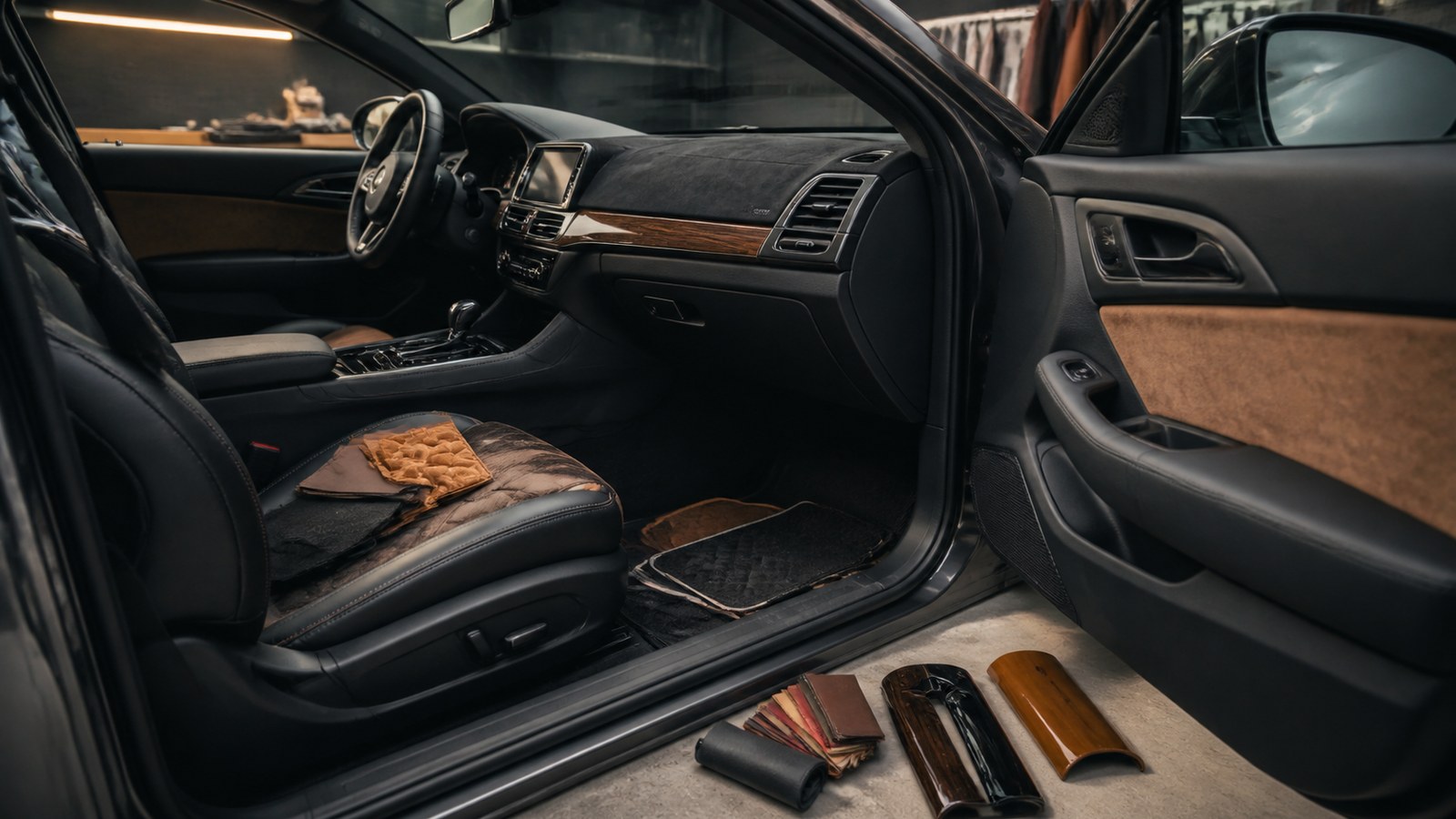
Leather, synthetic leather, cloth, suede-like materials, vinyl, and technical fabrics all have different strengths. Leather can feel premium but needs cleaning and conditioning. Cloth can be comfortable and durable but may stain. Vinyl can be easy to clean. Suede-like materials can grip well but may wear in high-contact areas.
The right material depends on climate, passengers, pets, work use, sun exposure, and maintenance habits. A beautiful light interior may not suit muddy gear or small children. A durable dark interior may be more practical for a daily work vehicle. Good customization is honest about use.
Steering Wheels And Controls Affect Safety
A steering wheel is a primary control and often contains an airbag, buttons, heating elements, and sensors. Replacing it can affect safety and legality. A smaller or sportier wheel may look appealing, but losing the airbag or controls is a serious tradeoff for a street car. The same caution applies to pedals, shifters, and switch panels.
Interior customization should make controls easier to use, not harder. The driver needs clear access to lights, wipers, climate, hazard lights, gear selection, and driver-assistance features. Style should not interfere with operation.
Lighting Can Improve Mood Or Create Glare
Ambient lighting, footwell lighting, illuminated trim, and custom LEDs can make a cabin feel modern and personal. The challenge is glare, distraction, wiring quality, and color choice. Interior lights should not reflect in glass, blind the driver, or create electrical problems. Subtle lighting usually ages better than harsh brightness.
Good lighting work uses safe wiring, fused circuits, secure mounting, and controls that make sense. It should look integrated with the cabin rather than like an afterthought. The best lighting improves atmosphere while disappearing during serious driving.
Audio Builds Need Electrical Planning
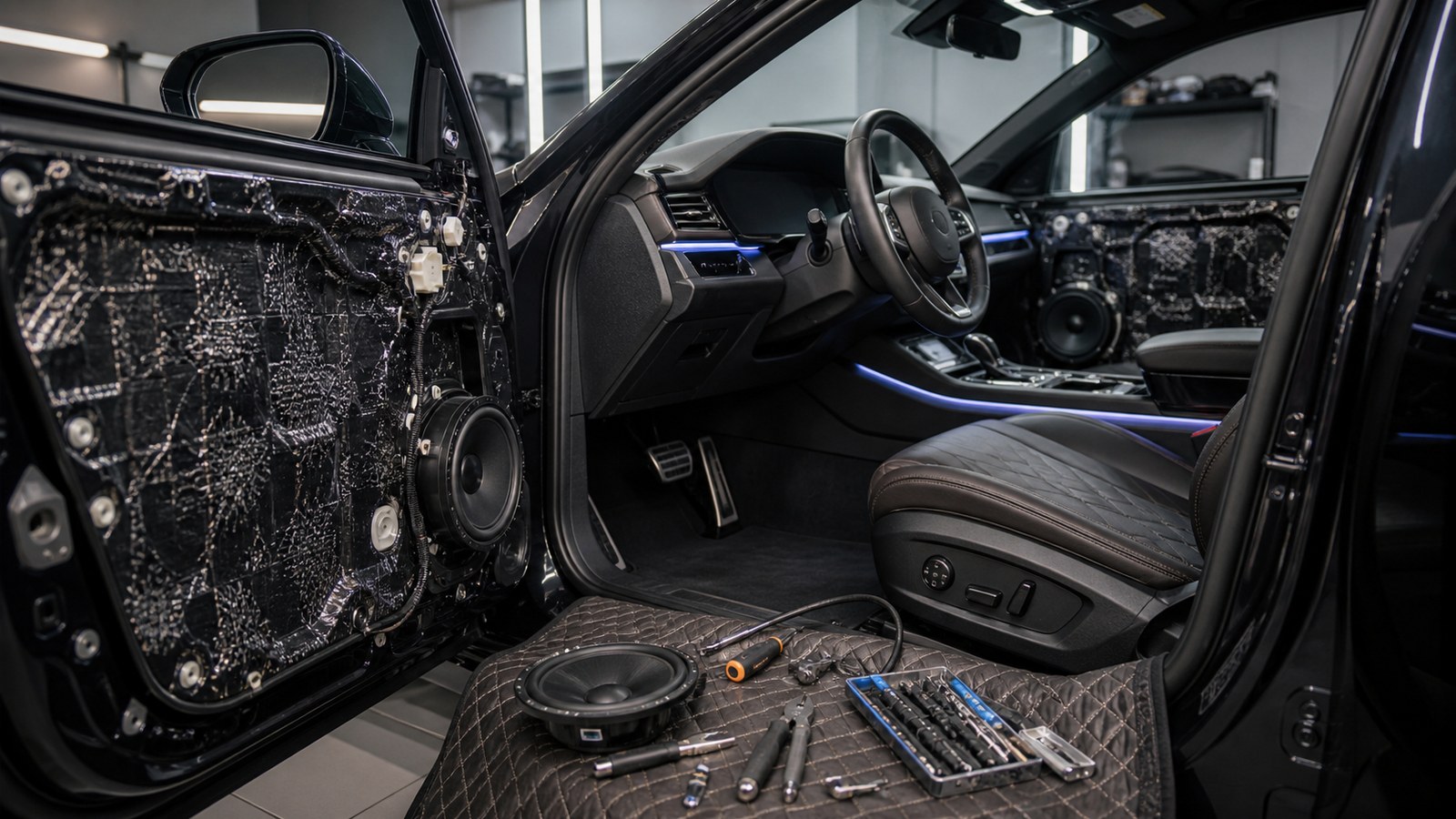
Speakers, amplifiers, subwoofers, sound deadening, head units, and digital processors can dramatically improve a cabin. They can also create rattles, battery drain, alternator strain, wiring hazards, or cargo compromises if planned poorly. Audio upgrades work best when power, grounding, fusing, enclosure design, and speaker placement are handled correctly.
Sound quality is not only loudness. Clarity, staging, noise control, and integration with factory controls matter. A balanced audio build can make every drive better without shaking the vehicle apart or making the cargo area useless.
Storage And Utility Upgrades Are Often Underrated
Organizers, cargo drawers, console upgrades, seatback storage, roof-console systems, tool mounts, and protective liners can make a vehicle more useful. These changes matter for families, tradespeople, campers, rideshare drivers, and anyone who carries gear. A tidy cabin reduces stress and prevents loose items from becoming hazards.
Utility upgrades should be secured properly. Heavy items need mounts that can handle braking and impacts. A storage solution that rattles, blocks airbags, or interferes with seat movement is not finished. Practical customization still needs safety thinking.
Sound Deadening Changes Refinement
Sound deadening can reduce road noise, panel resonance, and audio-system vibration. Materials may be added to doors, floors, trunks, roofs, and cargo areas. The result can make an older or economy vehicle feel more polished. The tradeoff is weight, labor, cost, and the need to avoid trapping moisture.
Installation quality matters. Covering drain paths, wiring, sensors, or service access can create problems. The goal is targeted control, not covering every surface blindly. Good sound work is measured and tidy.
Screens And Electronics Need Integration
Modern interior upgrades often involve screens, cameras, phone mounts, chargers, dash cameras, radar detectors, GPS units, or infotainment replacements. These devices need clean power, safe mounting, visibility, and minimal distraction. A device that blocks the windshield or dangles wires across controls creates risk.
Factory integration can be complicated because steering-wheel controls, backup cameras, amplifiers, microphones, and vehicle settings may run through the original system. Owners should understand what functions might be lost before replacing electronics.
Show Interiors Can Trade Practicality
A show-focused interior may use delicate materials, custom consoles, dramatic lighting, painted panels, exposed audio equipment, or unusual seating. That can be excellent when the vehicle’s purpose is display. It may be less practical for daily heat, dust, cargo, and passengers. The build goal should be clear.
The strongest show interiors still feel coherent. Materials, colors, stitching, hardware, and controls should match the vehicle’s theme. A cabin with too many disconnected ideas can look expensive without feeling finished.
Airbags And Sensors Set Boundaries
Modern interiors contain airbags, seat sensors, belt pretensioners, side-impact systems, wiring harnesses, and control modules. Cutting, relocating, or unplugging parts without understanding them can create warning lights or reduce crash protection. Interior work near safety systems requires caution.
For street vehicles, preserving safety equipment is usually the wisest path. Cosmetic gains are not worth losing occupant protection. When a change touches airbags or restraints, professional help is often the right call.
A Good Interior Build Feels Factory-Thoughtful
The best interior customization feels intentional. The colors work together, materials suit the use, controls remain clear, wiring is hidden and safe, and the cabin becomes easier to enjoy. It may be subtle or dramatic, but it should not feel improvised. A good cabin invites the driver in rather than demanding constant explanation.
Interior work succeeds when it improves comfort, utility, safety, and identity at the same time. The cabin is where owners spend their time, so the details matter.
Color And Material Choices Need Restraint
Interior customization can go wrong when too many colors, textures, lights, and trim pieces compete for attention. A restrained cabin usually feels more professional because the materials support one idea. Contrast stitching, accent panels, seat inserts, floor mats, and lighting can all work beautifully when they share a clear direction. Random changes make the cabin feel pieced together.
Restraint does not mean boring. A bold interior can still feel cohesive if the colors, materials, and hardware repeat intentionally. The best cabins look planned from every seat, not only from the driver’s doorway.
Heat And Sunlight Test Interior Work
Cabins live in severe conditions. Sunlight fades materials, heat softens adhesives, cold stiffens plastics, and daily contact wears surfaces. A material that looks excellent on installation day may fail quickly if it cannot handle UV exposure, temperature swings, or cleaning. Interior parts need durability as much as style.
This matters for dashboards, headliners, wraps, leather dye, seat covers, and adhesive trim. Quality materials and preparation reduce peeling, bubbling, fading, and rattles. A custom interior should age gracefully.
Air Quality And Odor Matter
Interior changes can introduce odors from adhesives, plastics, cleaners, dyes, sound-deadening products, and upholstery materials. Some smells fade; others linger and make the vehicle unpleasant. Heat can intensify them. A cabin upgrade that looks good but smells harsh may be hard to live with every day.
Choosing automotive-safe products, allowing cure time, and avoiding excessive adhesive use helps. Comfort includes the air inside the vehicle. The driver experiences the cabin with every sense.
Reversibility Can Protect Value
Some interior changes are easy to reverse, while others permanently cut panels, wiring, seats, or trim. Reversible upgrades can be smarter for leased vehicles, rare cars, or vehicles with strong resale value. Permanent work can be worthwhile when it is high quality and matches the owner’s long-term plans.
Before cutting or drilling, owners should ask whether the change will still make sense in five years. Clean installation, saved factory parts, and documentation make customization easier to trust later.
Ergonomics Beat Novelty
Interior customization should improve how the driver and passengers interact with the vehicle. Armrests, cupholders, phone charging, storage trays, seat bolsters, pedal covers, shift knobs, and screen placement all need ergonomic sense. A part that looks striking but makes driving awkward will age badly. The cabin is a workspace as much as a style statement.
Good ergonomics are often quiet. The phone sits where it is visible but not distracting. The shifter falls naturally to hand. The seat supports the body without trapping it. The lighting looks good without reflecting in the glass. These details make the car feel finished.
Cleaning Should Be Part Of The Plan
Custom interiors need a cleaning plan. Glossy trim shows fingerprints, light upholstery shows dye transfer, suede-like material traps oils, and textured plastics can hold dust. A show cabin may tolerate delicate materials, while a daily vehicle needs surfaces that clean easily. The owner’s real habits matter.
Protective mats, cargo liners, seat treatments, gentle cleaners, and regular vacuuming can preserve the work. Interior customization is successful when it still looks good after months of real use, not only after the first photo session.
Factory Parts Can Be The Best Upgrade
Some of the cleanest interior upgrades come from higher trims, later model years, or factory accessory catalogs. OEM seats, steering wheels, trim panels, cargo systems, floor mats, lighting, or infotainment parts may fit better and age more naturally than universal aftermarket pieces. They can also preserve a factory look while improving comfort or function.
Compatibility still matters. Wiring, airbags, modules, brackets, and coding may differ between trims. A factory part is not automatically plug-and-play. The advantage is that the design language and durability often match the vehicle well.
Interior Work Should Stay Serviceable
Custom panels, audio equipment, lighting, and storage should not block fuses, battery access, seat bolts, diagnostic ports, airbags, spare tires, or emergency releases. A beautiful installation that prevents normal service creates frustration later. The cabin still has to be maintained.
Professional-looking work can be removed, repaired, and inspected without destroying the surrounding trim. Serviceability is part of craftsmanship.
Clean cabin work respects future repairs.
That practicality matters.
Interior Customization Should Improve Daily Use
Interior customization works best when it improves the way the vehicle feels every day. Seats, steering wheels, shifters, lighting, upholstery, storage, sound treatment, infotainment, gauges, and trim can make the cabin more comfortable and personal. The strongest changes feel integrated rather than added as decoration.
Safety and ergonomics still matter. Airbags, seat belts, visibility, pedal access, switch placement, and secure mounting should not be compromised. A customized interior should make the driver more connected to the car while keeping controls easy to use and passengers properly protected.