Interior Customization Should Improve The Place Drivers Actually Use
Interior customization changes the part of the vehicle owners touch every day. Seats, upholstery, steering wheels, screens, audio, storage, lighting, mats, sound deadening, trim, tint, phone mounts, cargo protection, and accessibility controls can make a vehicle more comfortable and useful. Good interior work improves the cabin without interfering with airbags, seat belts, visibility, controls, or durability.
Interior Customization Begins With Daily Contact Points
The cabin is where the driver experiences the vehicle most directly. Seats, steering wheel, pedals, shifter, screens, armrests, storage, mats, lighting, and sound all affect comfort and control. Interior customization works best when it improves those contact points without turning the cabin into a distracting or fragile space.
The first question is practical: what problem needs solving? A commuter may want lumbar support, sound deadening, better phone mounting, or easier storage. A family vehicle may need durable mats, seat protection, cargo liners, and rear-seat organization. A show car may prioritize upholstery, trim, lighting, and audio. A trail vehicle may need washable surfaces and secure gear storage.
Safety Systems Set The Boundaries
Modern interiors contain airbags, seatbelt pretensioners, occupancy sensors, side-impact sensors, heated seats, power tracks, wiring harnesses, cameras, microphones, and driver-assistance controls. Any seat, steering wheel, trim, pillar, dashboard, or console modification has to respect those systems. A poorly chosen cover, bracket, or trim piece can interfere with airbag deployment or sensor readings.
This is why interior work needs research before cutting, wiring, or replacing major parts. Seat swaps, steering-wheel changes, harness bars, roll cages, racing seats, and aftermarket electronics can create real safety and legal issues if they are not matched to the vehicle and use case. Custom does not mean careless.
Seats Shape Comfort And Control
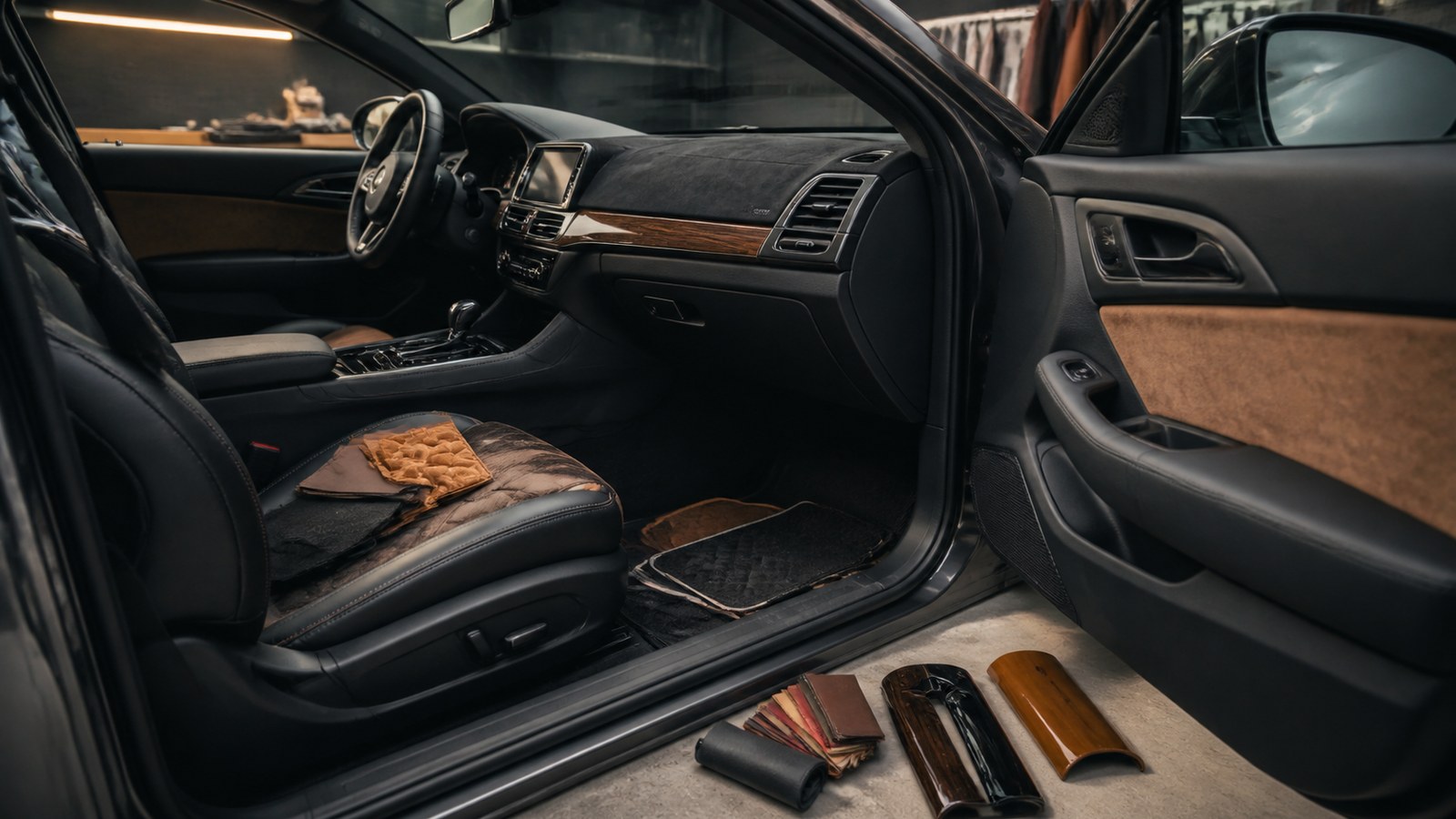
Seat upgrades can improve comfort, support, appearance, or durability. Upholstery repair, foam replacement, lumbar support, heating, ventilation, bolstering, seat covers, and full seat swaps all change the cabin. The right answer depends on body size, commute length, climate, driving style, and whether the vehicle carries children, pets, tools, or passengers.
Support matters in performance driving because a driver who slides around cannot steer and brake precisely. Comfort matters in commuting because fatigue builds slowly. Durability matters in work trucks and family vehicles. Seat changes need to preserve belt geometry, airbag behavior, wiring safety, and adjustability.
Storage And Organization Make The Cabin Work
Interior customization often succeeds through small organization improvements. Console trays, cargo dividers, under-seat bins, phone mounts, cupholder inserts, trunk organizers, tool storage, pet barriers, and child-seat-friendly layouts can make a vehicle easier to live with. These upgrades are not flashy, but they reduce daily friction.
Secure storage matters. Loose tools, water bottles, chargers, groceries, and sports gear can move during braking or a crash. A good cargo setup keeps heavy objects low and restrained while preserving access to the spare tire, charging cable, first-aid kit, and emergency tools. The best interior additions make the vehicle calmer, not more cluttered.
Audio And Infotainment Need Clean Integration
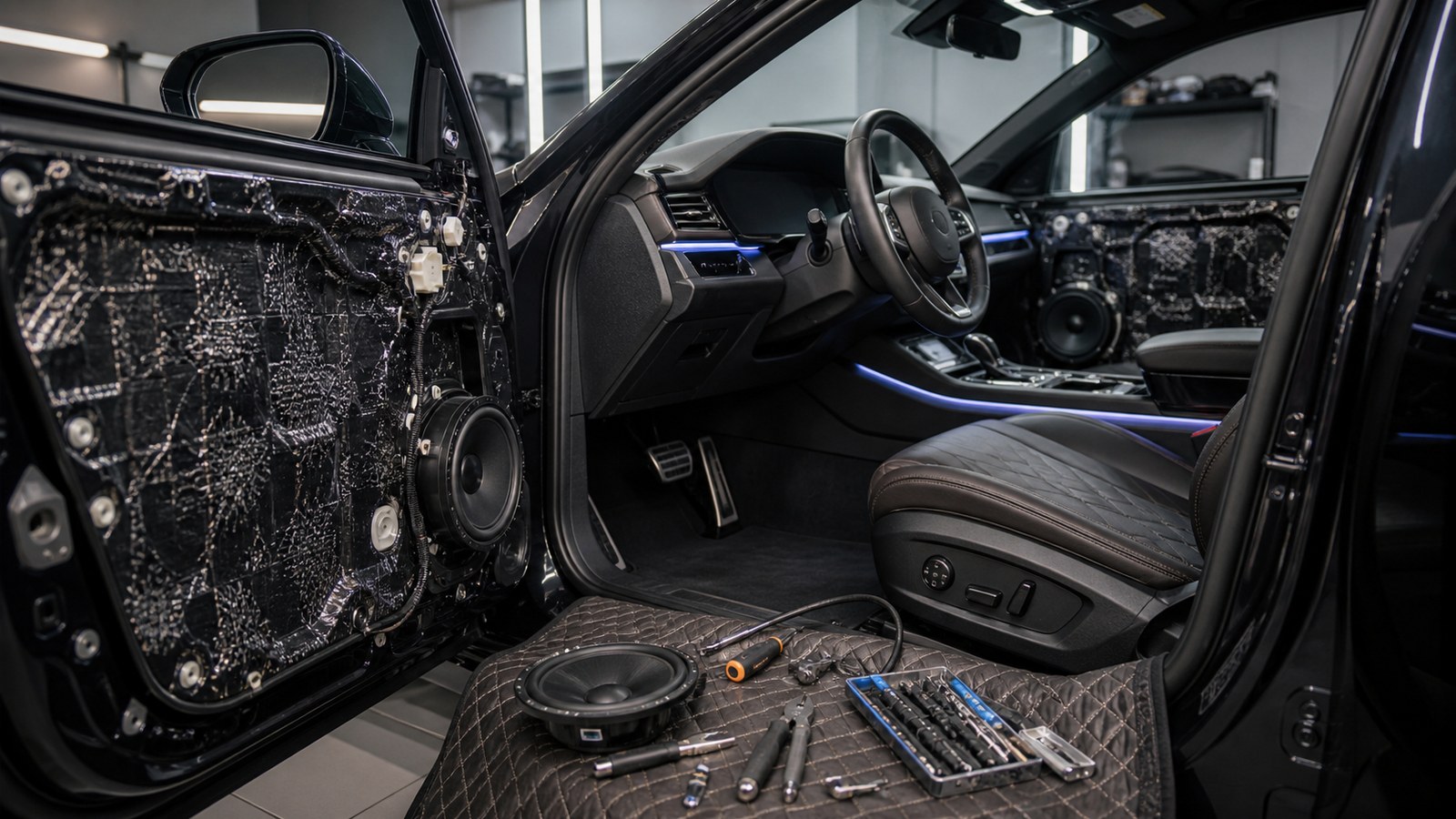
Speakers, amplifiers, subwoofers, head units, microphones, cameras, wireless charging, navigation, and phone integration can improve the cabin dramatically. They can also create rattles, battery drain, warning lights, and poor usability when installed badly. Modern vehicles often route factory chimes, backup cameras, steering-wheel controls, climate settings, and safety alerts through infotainment hardware.
Clean audio work includes correct wiring, fusing, grounding, secure mounting, sound treatment, and compatibility with factory systems. Loudness alone is not quality. A balanced system with clear calls, easy controls, and no rattles is more useful than an extreme setup that overwhelms passengers or consumes cargo space.
Lighting Changes Mood And Distraction
Ambient lighting, footwell lights, cargo lights, map lights, vanity lights, and accent strips can make an interior feel newer and more personal. The key is restraint. Lighting that reflects in glass, distracts the driver, blinds passengers, or creates glare is a downgrade. Color and brightness need to fit night driving, not only photos.
Good lighting upgrades help people find controls, load cargo, or create a subtle cabin atmosphere. Wiring needs proper fusing and secure routing. Battery drain is a common problem when lighting is tied into the wrong circuit or left active while parked.
Materials Need To Match Use
Leather, vinyl, cloth, Alcantara-style materials, rubber, carpet, wood trim, carbon-look trim, metal pedals, and painted panels all age differently. A luxury build may focus on texture and stitching. A family vehicle may need wipe-clean durability. A work truck may need rubber floors and tough seat covers. A performance car may need grippy surfaces and heat-resistant materials.
Climate matters too. Dark materials can get hot in sun. Some trim scratches easily. Glossy panels show fingerprints and glare. Soft-touch surfaces feel good but may wear under tools, pets, or child seats. Interior customization succeeds when the material fits the vehicle’s real life.
Sound Deadening Can Change The Whole Cabin
Noise control is one of the most useful interior upgrades when done thoughtfully. Door treatment, floor insulation, hatch treatment, trunk lining, tire choice, seals, and rattle fixes can make highway driving less tiring. Sound deadening also improves audio clarity because speakers fight less road noise.
There are tradeoffs. Added material increases weight, and careless installation can trap moisture or interfere with drains, clips, wiring, or airbags. The best approach targets known noise paths instead of covering every surface blindly. A quieter cabin feels more expensive because the driver notices less strain.
Accessibility And Ergonomics Matter
Some interior changes are about making the vehicle easier for a specific person to use. Grab handles, pedal extensions, seat cushions, swivel seats, hand controls, larger displays, phone mounts, cargo ramps, and easier storage can make a car more practical. These changes need professional care when they affect primary controls, restraint systems, or legal equipment.
Ergonomics also includes visibility and reach. A screen mounted in the wrong place, a thick steering-wheel cover, or a dangling accessory can make driving worse. A well-customized interior lets the driver find controls naturally, see clearly, and stay comfortable.
Interior Mods Need To Survive Cleaning
The cabin collects sunscreen, coffee, dust, mud, pet hair, child-seat marks, work debris, sweat, road-trip snacks, and daily wear. Interior customization needs materials and mounting choices that survive cleaning. Delicate fabrics, poorly glued trim, cheap lighting strips, and loose organizers may look good for a week and then fail under normal use.
Choose surfaces with maintenance in mind. Rubber mats suit snow, mud, and work use. Cargo liners help families and pets. Quality leather or vinyl cleaners protect upholstery. Removable organizers can be better than permanent alterations when the vehicle’s use changes. A cabin upgrade is successful when it still looks intentional after months of use.
Heat And Sun Change Cabin Choices
Interior materials live hard lives in hot climates. Dark seats, metal shift knobs, glossy trim, adhesive-backed accessories, and cheap plastics can become uncomfortable or fail in sun. Tint, windshield shades, seat covers, ceramic film, and UV-resistant materials can help, but they need to comply with local rules and preserve visibility.
Sun also affects electronics. Phone mounts, dash cameras, screens, and wiring need secure attachment and heat tolerance. A mount that drops a phone in summer traffic is not useful. Interior customization has to account for the temperature the cabin actually reaches while parked.
Resale Depends On Taste And Reversibility
Interior work is personal, so resale can be unpredictable. Clean upholstery repair, good audio integration, practical mats, and tasteful trim may help. Extreme colors, cut panels, missing factory parts, poorly installed screens, and unusual lighting can make the vehicle harder to sell. The next buyer may not share the same taste.
Keeping factory parts and documenting changes protects value. Reversible upgrades let an owner enjoy the cabin without permanently narrowing the market. When permanent work is worthwhile, quality matters. Stitching, fit, wiring, and material choice reveal whether the interior was customized carefully or simply altered.
Family And Work Use Need Durable Solutions
Family vehicles and work vehicles test interiors differently from show cars. Child seats can mark upholstery, pets can scratch panels, tools can tear carpet, and food spills can reach switches. Work trucks may need washable floors, seat protection, storage bins, and tough cargo barriers. Family crossovers may need rear-seat organizers, cargo liners, sunshades, and easy-clean surfaces.
Durability does not have to look crude. Well-fitted mats, protective films, tailored covers, and secure storage can preserve the cabin while keeping it pleasant. The goal is to make the interior easier to use, easier to clean, and less stressful to own.
Controls And Sight Lines Matter More Than Style
Any interior accessory can become a problem if it blocks a control or view. Oversized phone mounts, dangling decorations, thick steering-wheel covers, dashboard ornaments, dark tint, and poorly placed screens can interfere with driving. The best cabin upgrades feel natural because the driver can reach, see, and operate everything without thinking.
Test modifications at night, in sun glare, while reversing, and with passengers aboard. Make sure vents still work, mirrors are clear, seat travel remains usable, and warning lights or gauges are visible. A cabin that photographs well but distracts the driver is not improved.
Professional Work Is Worth It For Certain Jobs
Some interior projects are well suited to careful DIY work. Mats, organizers, simple trim, removable phone mounts, and basic cleaning are approachable. Other jobs deserve professional help, especially upholstery repair, airbag-area trim, advanced audio wiring, remote starts, seat swaps, accessibility controls, and custom fabrication. The risk rises when wiring, restraint systems, or structural mounting points are involved.
Professional installation can also protect the finish. Clean stitching, hidden wiring, secure panels, correct clips, and proper sound treatment make the cabin feel factory-quality rather than improvised. Interior work is close to the driver every day, so small flaws are hard to ignore.
Cabin Changes Can Affect Diagnostics
Interior modifications sometimes create problems that look unrelated. A tapped circuit can drain the battery. A seat connector can trigger an airbag warning. A poorly grounded amplifier can add noise or electrical faults. Trim removed for wiring can create rattles. A screen swap can affect cameras, steering-wheel controls, microphones, climate settings, or factory alerts.
Good installers test every function before and after the work. Windows, locks, seat heaters, airbags, warning lights, cameras, speakers, microphones, USB ports, and driver-assistance alerts all need to behave normally. The cabin is deeply connected to the vehicle’s electronics, so even cosmetic work benefits from careful verification.
Good Interiors Age Gracefully
The best interior customization still feels right years later. Colors, stitching, storage, lighting, mats, and materials need to suit the vehicle’s character rather than chase one trend. A subtle cabin can feel special every day, while an extreme cabin may become tiring or hard to repair.
Age also rewards quality. Secure panels, durable fabrics, proper adhesives, protected wiring, and easy-clean surfaces keep the interior from becoming noisy or shabby. A custom cabin succeeds when it looks intentional after real miles, not only on the day it is finished.
Test The Cabin Like A Driver
After interior work, sit in every seat, buckle every belt, open every storage area, move the seats through their travel, test the vents, pair the phone, check camera views, and drive at night. A cabin modification is successful only when it works during normal use. Small irritations are easy to miss during installation and hard to ignore later.
Interior Changes Should Respect Ergonomics
Interior customization is most successful when it improves comfort, control, and daily use. Seats, steering wheels, trim, lighting, storage, audio, upholstery, and gauges can all make the cabin feel personal, but they should not block visibility, interfere with airbags, or make controls harder to reach.
A good interior build feels natural after the first drive. Materials, colors, switch placement, seat support, and lighting should support the vehicle’s purpose. The cabin is where the owner experiences every mile, so usability matters as much as style.