Paint, Wraps, And Finishes Shape A Car’s Identity
Paint, wraps, and finishes change how a vehicle looks, ages, cleans, repairs, and sells. Factory paint, custom paint, vinyl wraps, paint protection film, ceramic coatings, matte finishes, patina, graphics, and detailing all have different strengths. The right choice depends on whether the car is a daily driver, show build, work truck, trail rig, restoration, or performance car.
Finish Choice Changes Ownership
Paint, wraps, and finishes are not only appearance choices. They affect washing, repair, heat, resale, protection, and how often the owner worries about chips or scratches. A daily driver, show car, trail rig, work truck, restoration, and exotic car all need different finish priorities. The best choice fits how the vehicle will be used.
Factory paint is usually the foundation. It provides color, corrosion protection, clear coat, and long-term durability. Custom paint, vinyl wrap, paint protection film, ceramic coating, matte finishes, and graphics all build on or replace parts of that foundation. Each option has strengths and limits.
Factory Paint Is A Layered System
Modern automotive paint usually includes pretreatment, primer, base color, and clear coat. The layers protect metal or composite panels, create color, and resist weather. Paint quality depends on preparation, application, curing, thickness, environmental control, and maintenance. Even excellent paint can swirl, chip, fade, or stain when neglected.
Clear coat is especially important because it carries gloss and protection. Aggressive polishing can thin it. Harsh washing can scratch it. Bird droppings, sap, bugs, road tar, salt, and sun can damage it if left too long. Paint care is a maintenance habit, not a one-time detail.
Custom Paint Rewards Preparation
A custom paint job can transform a vehicle, but the visible color is only the final stage. Bodywork, sanding, panel alignment, rust repair, masking, primer, sealer, booth conditions, spray technique, and curing determine the result. Poor preparation often shows later through waves, peeling, sink marks, overspray, or mismatched panels.
Custom paint also changes the repair story. A unique color, pearl, candy, metalflake, or multi-stage finish can be harder to match after damage. Owners should think about how the vehicle will be stored, insured, driven, and repaired before choosing an elaborate finish.
Vinyl Wraps Offer Flexibility
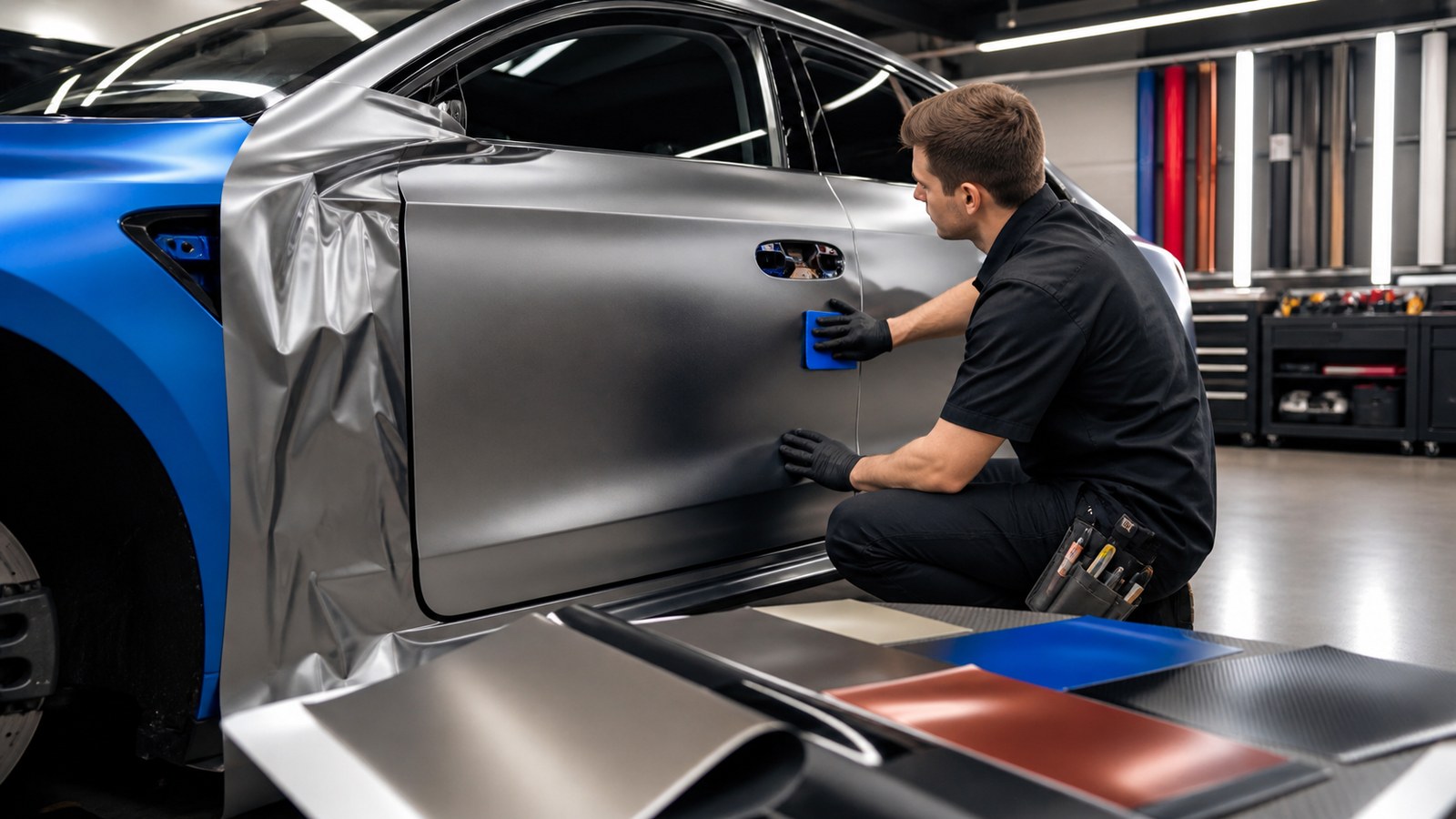
Vinyl wraps can change color, add graphics, protect original paint from light wear, and allow a vehicle to return to stock later. They are popular for business branding, temporary style changes, race-inspired graphics, matte looks, and color experiments. A good wrap depends on clean paint, skilled installation, proper edges, and careful maintenance.
Wraps are not magic shields. They can tear, stain, shrink, lift, or trap problems if installed over damaged paint. Removal can be difficult when vinyl is old, baked by sun, or applied over poor paint. Wraps work best when the owner understands their lifespan and care requirements.
Paint Protection Film Has A Different Job
Paint protection film, often called PPF, is designed to reduce chips and abrasion on vulnerable areas. Front bumpers, hoods, fenders, mirrors, rocker panels, door cups, and cargo sills are common targets. It can be clear or matte and is often used on newer vehicles, performance cars, and daily drivers exposed to highway debris.
PPF quality depends on film, pattern, installation, edge wrapping, and maintenance. It can yellow, lift, or collect dirt at edges if poorly installed or neglected. It is usually more about protection than dramatic style, though matte film can change appearance while protecting paint.
Ceramic Coatings Make Cleaning Easier
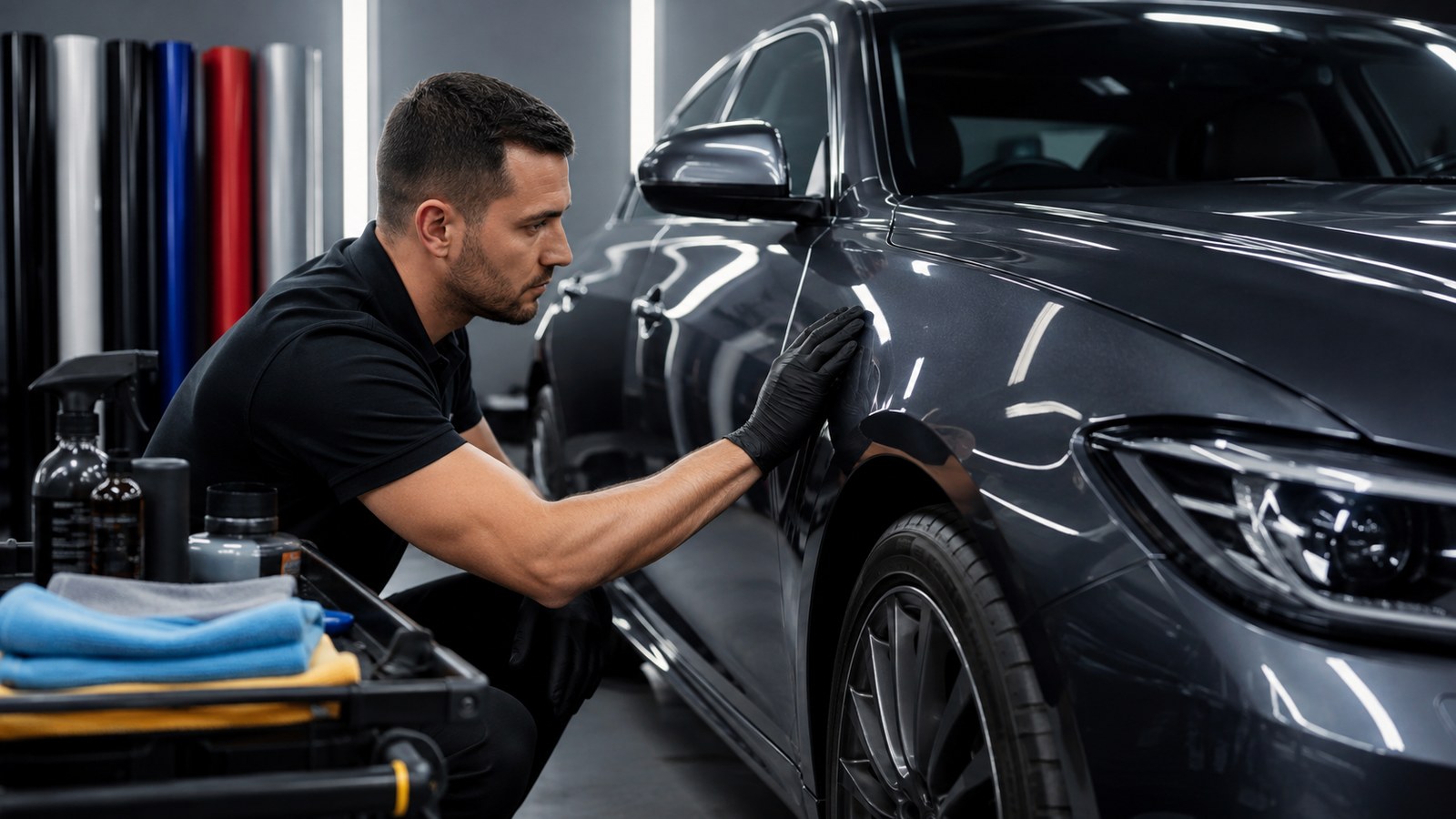
Ceramic coatings add a hard, slick protective layer that can make washing easier and improve gloss. They do not make paint scratch-proof or maintenance-free. The paint usually needs washing, decontamination, and correction before coating, because the coating locks in the surface condition underneath.
A coating is best understood as a maintenance aid. It helps water behavior and cleaning, but it still needs gentle washing and periodic care. Owners who expect it to replace washing or protect against rock chips will be disappointed. Coating and PPF solve different problems.
Matte And Satin Finishes Need Special Care
Matte and satin finishes create a modern, distinctive look, but they change the maintenance rules. Polishing a matte finish can create shiny spots. Scratches and stains can be harder to repair discreetly. Washing products need to be compatible with the finish. Touch-ups are often less forgiving than on gloss paint.
Drivers who choose matte paint or wrap need to accept those limits. The finish can look excellent when cared for correctly, but it is not the easiest choice for a neglected daily driver. Matte works best for owners who enjoy careful maintenance.
Patina And Preservation Are Different From Neglect
Patina style celebrates age, wear, faded paint, and historical texture. On classic vehicles, original paint and honest wear can carry value because they show the vehicle’s life. That is different from allowing active rust, leaks, or structural decay to spread. Preservation still requires cleaning, sealing, and inspection.
A preserved finish can tell a richer story than a repaint when the vehicle is rare or historically interesting. The owner has to decide whether the goal is originality, show quality, daily protection, or personal style. Finish choices are partly aesthetic and partly historical.
Graphics Need Scale And Restraint
Stripes, numbers, sponsor-style decals, heritage graphics, business branding, pinstriping, and custom illustrations can make a vehicle memorable. Poorly scaled graphics can make the same vehicle look cluttered. The shape of the body, panel breaks, door handles, mirrors, roofline, and wheel placement all affect how graphics read.
Temporary graphics are easier with vinyl than paint. Permanent graphics need more confidence because removal or repair is more involved. Good graphics follow the car’s lines and leave enough quiet space for the design to breathe.
Detailing Technique Protects The Finish
Washing habits decide how long a finish looks good. Two-bucket washing, clean mitts, safe drying towels, wheel-specific tools, decontamination, careful polishing, and compatible protection all reduce damage. Automatic brushes, dirty towels, harsh chemicals, and dry wiping can create scratches quickly.
Different finishes need different products. Gloss paint, matte wrap, chrome, plastic trim, carbon fiber, glass, wheels, and PPF do not all respond the same way. Good detailing is less about expensive bottles and more about correct process.
Repairability Should Influence The Choice
Every finish eventually faces chips, dents, scratches, stains, or panel repairs. Factory paint can often be blended by a skilled shop. Custom paint may require special formulas and test panels. Wraps may need replacement sections. PPF may need reinstallation. Ceramic coatings may need correction and reapplication after bodywork.
Before choosing a finish, think about parts availability, local installer skill, parking conditions, insurance, and the owner’s tolerance for imperfections. A finish that looks stunning but is impossible to repair locally can become stressful on a daily driver.
The Best Finish Matches The Vehicle’s Life
A work truck may need durable paint, bed protection, and easy washing. A show car may justify deep paint and careful storage. A trail rig may need protection where branches and rocks hit. A commuter may benefit from PPF on the nose and simple paint care. A business vehicle may need a clean wrap that can be updated.
The right finish is the one that supports how the vehicle is used and how the owner wants to care for it. Appearance matters, but long-term satisfaction comes from matching beauty with practical maintenance.
Color Choice Affects Heat And Attention
Color is emotional, but it is also practical. Dark colors can show dust, swirls, and heat more readily. White and silver can hide light dust and reflect heat better, but they may feel less dramatic. Bright colors attract attention and can support a show build or business vehicle, while subtle colors may suit commuters and resale better.
Interior color and exterior color interact too. A black exterior with a dark cabin can become uncomfortable in hot climates. A light interior can feel cooler but may show stains. Finish choice should account for climate, parking, cleaning habits, and how much attention the owner wants.
Panel Material Changes The Repair
Steel, aluminum, plastic, fiberglass, carbon fiber, and composite panels respond differently to dents, sanding, heat, paint, and repair. A bumper cover, hood, door skin, and quarter panel may all need different methods. Some panels can be repaired; others are often replaced. Sensors and brackets behind panels add another layer.
This matters when choosing wraps, coatings, custom paint, or body kits. A finish plan needs to respect the material underneath. Good shops identify the substrate and repair method before promising a result.
Business And Fleet Finishes Have A Different Job
For business vehicles, finishes need to communicate clearly and survive work. A wrap may carry branding, phone numbers, colors, and service areas. Durability, readability, repairability, and consistency across multiple vehicles matter more than personal taste. A fleet finish has to look professional even after daily use.
Simple designs often work best. Clean contrast, readable text, protected high-wear areas, and easy replacement panels keep the vehicle useful. A business wrap that looks clever but cannot be read at speed has missed its job.
Finish Inspection Prevents Small Damage From Spreading
Regular inspection helps catch chips, lifting wrap edges, stained film, water spots, bird-dropping marks, sap, rust bubbles, and peeling clear coat early. Small paint chips can expose metal. Lifted vinyl can collect dirt and water. Damaged PPF can trap contamination. Early correction is usually easier and cheaper.
This inspection can be part of washing. Move slowly around the car, look at lower panels, mirrors, door edges, rocker panels, bumper corners, and horizontal surfaces. Finishes age in patterns, and noticing those patterns helps the owner protect the vehicle.
Detailing Frequency Depends On Use
A garage-kept weekend car, rideshare vehicle, off-road truck, coastal commuter, and highway business car need different finish routines. Bugs, salt, dust, sun, tree sap, hard water, and brake dust all attack surfaces in different ways. The right detailing schedule follows exposure rather than pride alone.
Frequent gentle washing is usually better than rare aggressive correction. Polishing removes a small amount of clear coat, so it should be used thoughtfully. Protection, safe wash technique, and quick contaminant removal preserve the finish more effectively than constant heavy correction.
Finish Choices Affect Insurance And Value
Custom paint, wraps, PPF, and coatings can affect insurance and resale. A unique paint job may be expensive to repair. A wrap may hide or protect original paint depending on condition and installation. PPF can preserve value on high-wear areas, while poor film edges can hurt presentation. Documentation helps a buyer or insurer understand what was done.
Owners spending heavily on finishes should keep receipts, installer information, product details, and photos. Those records make future repairs easier and support the vehicle’s story when it is sold.
Weather Exposure Should Guide Protection
Vehicles that live outside need more protection than vehicles stored indoors. Sun, rain, snow, salt, sprinklers, tree sap, birds, industrial fallout, and dust all attack finishes differently. A commuter parked under trees needs a different routine than a weekend car in a garage or a trail vehicle covered in mud.
Protection should match exposure. PPF helps high-impact areas, coatings help cleaning, waxes and sealants add sacrificial layers, and careful washing prevents avoidable damage. The finish plan is strongest when it follows the vehicle’s actual parking and driving life.
Surface Preparation Decides Finish Quality
Paint, wraps, and finishes depend heavily on preparation. Cleaning, sanding, dent repair, panel alignment, edge work, masking, and surface correction decide whether the final result looks professional. A beautiful color or film cannot hide poor prep for long, especially around edges, seams, handles, and high-touch areas.
Durability also depends on the vehicle’s use. Daily drivers face sun, washing, road debris, winter grime, and parking-lot contact. Show cars may prioritize gloss and depth. The best finish choice matches the owner’s real conditions and the level of care they are willing to maintain.