Performance Builds Work Best When The Goal Is Clear
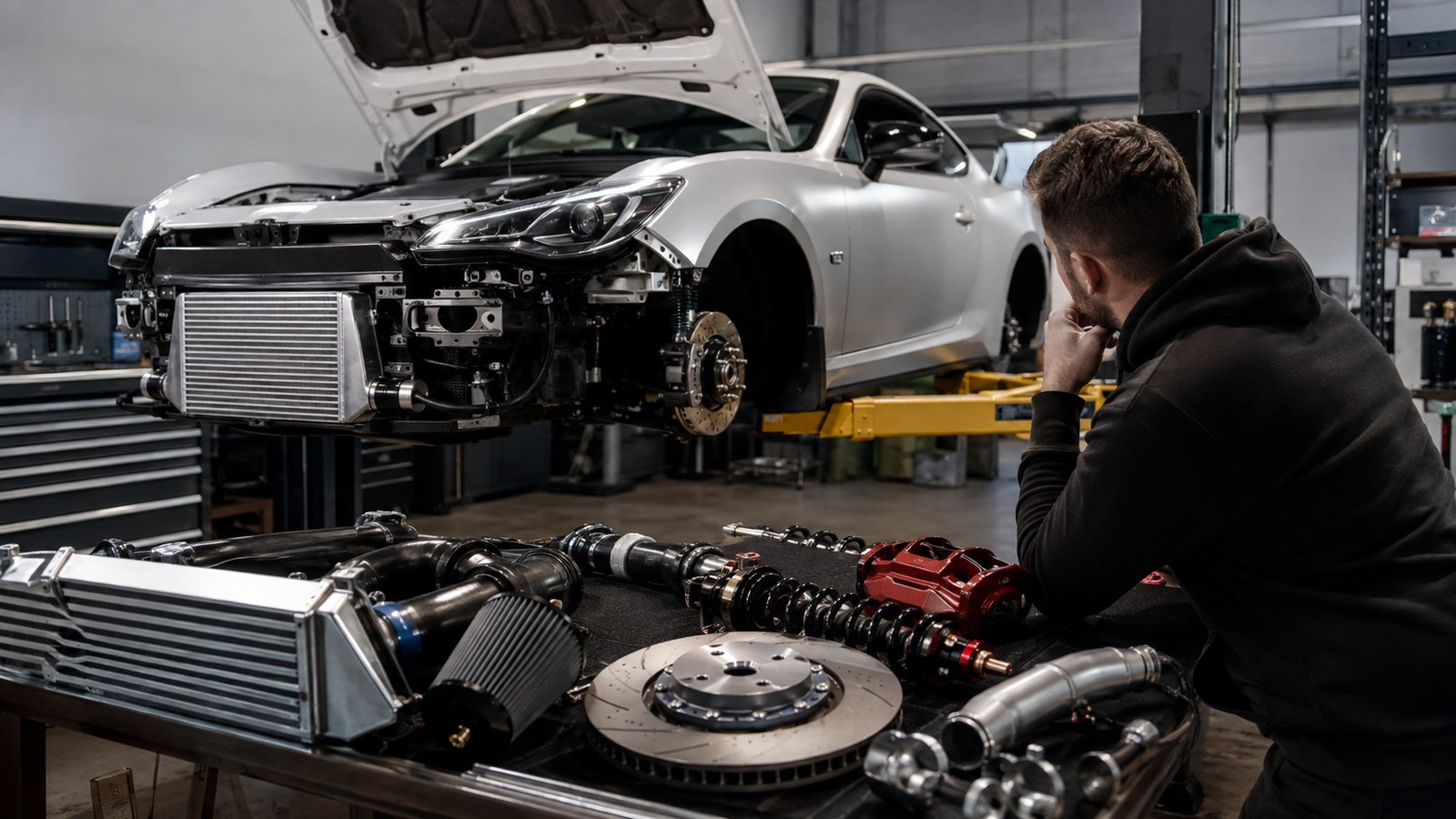
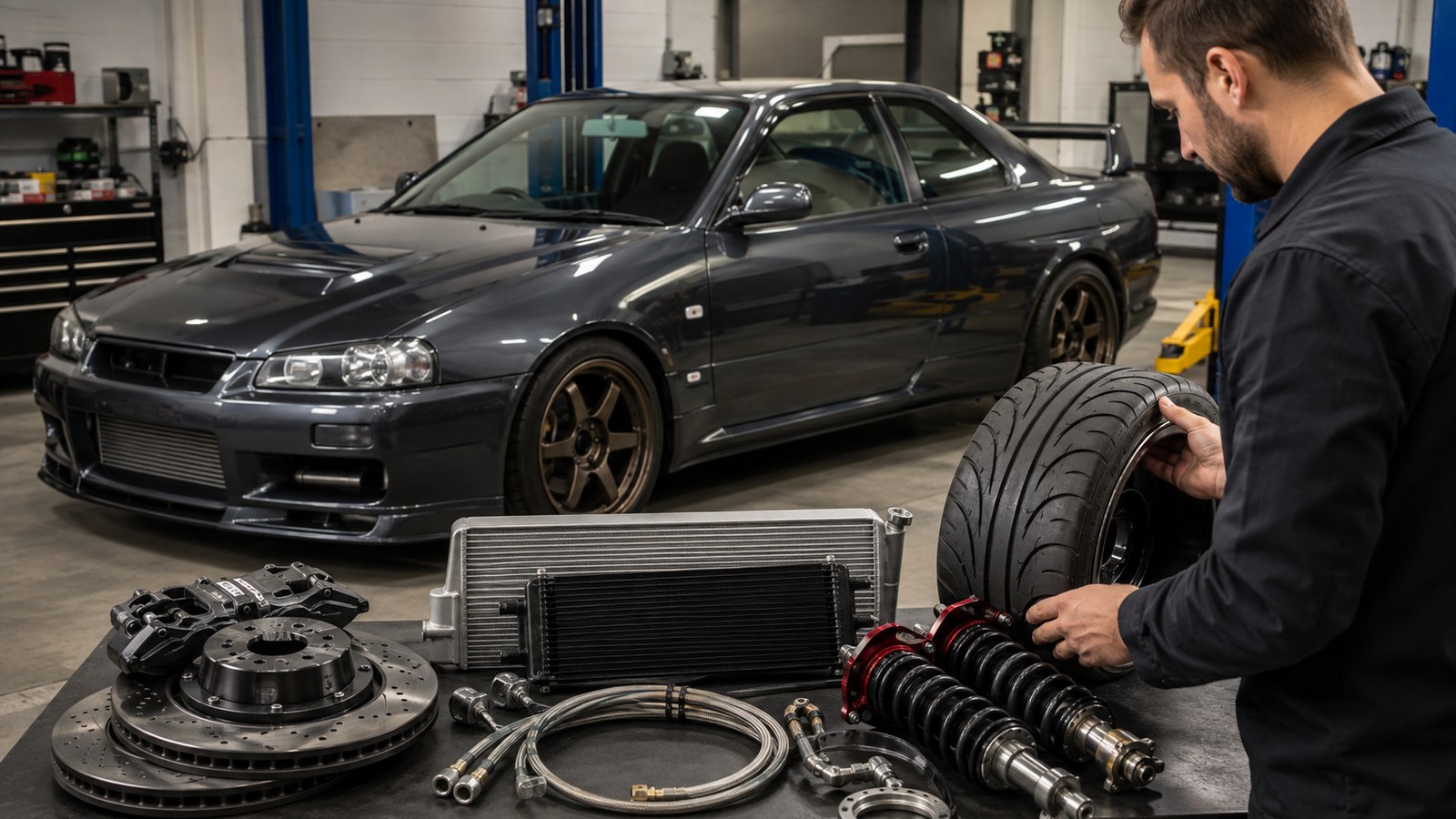
Performance builds are modified vehicles tuned for quicker acceleration, sharper handling, stronger braking, better cooling, more grip, track durability, towing confidence, off-road control, or driver engagement. The strongest builds start with a specific use. A drag car, road-course car, autocross car, street car, tow rig, and trail vehicle all need different parts, even when they start with the same badge.
Why Performance Builds Matter
Performance Builds matter because they connect design choices to daily ownership. For owners planning faster street cars, the subject is not only a matter of taste; it changes power, grip, cooling, braking, drivability, reliability, and legal street use. A good decision starts by asking what the vehicle needs to do, what conditions it will face, and what tradeoffs the owner can live with over time.
A car with more boost and factory tires may feel dramatic but fail to put power down cleanly. That kind of detail is why broad claims are not enough. The useful approach is to look at the complete vehicle, compare the supporting systems, and judge whether the choice creates a build that is quicker, safer, repeatable, and still pleasant enough to drive.
Start With The Vehicle Mission
The right answer depends on mission. A commuter, weekend cruiser, family vehicle, tow rig, show car, track-day build, and daily driver all place different stress on the same parts. What looks ideal for one use can become annoying or risky in another. The owner should define the normal week before choosing parts, services, or technology.
A clear mission prevents overbuilding and underbuilding. Overbuilding can waste money and reduce comfort. Underbuilding can create failures, safety problems, or disappointment. The best plan fits the car’s weight, power, route, climate, maintenance habits, and the owner’s tolerance for compromise.
The Supporting Systems Decide Success
Performance Builds depend on more than the headline component. The relevant systems include engine output, transmission capacity, tires, suspension, brakes, cooling, fuel delivery, software, emissions equipment, and driver skill. If one piece is ignored, the whole plan can suffer. A change that improves one metric may weaken comfort, reliability, legality, or long-term cost if the surrounding systems are not ready.
This is why balanced planning matters. A vehicle is a network of parts that share loads, heat, vibration, and control decisions. Strong results come from matching the upgrade or choice to the rest of the machine instead of treating it as an isolated purchase.
Fitment And Compatibility Come First
Compatibility should be confirmed before money is spent. Physical clearance, software behavior, warranty terms, service access, inspection rules, and manufacturer limits can all affect whether a choice works. A part or service that technically fits may still create problems if it changes another system outside its intended range.
Good compatibility checks are practical. Measure when needed, read specifications carefully, confirm load ratings, check service guidance, and understand how the change affects maintenance. The easiest problem to solve is the one caught before installation.
Heat, Load, And Wear Are The Real Tests
Many automotive choices look good under light use but reveal weaknesses under heat, load, and repetition. Long highway trips, mountain grades, towing, summer traffic, winter starts, rough pavement, and repeated hard driving expose whether the system has enough margin. The first impression is useful, but sustained behavior matters more.
The common risks include heat, wheelspin, broken driveline parts, poor ride quality, failed inspections, and expensive repairs. These risks do not mean the idea is bad. They mean the vehicle needs enough cooling, strength, traction, maintenance, and verification to keep the result useful after the excitement wears off.
Street Use Needs A Different Standard
A street vehicle has to work when it is raining, cold, loaded with passengers, stuck in traffic, parked outside, and driven by someone who may not be thinking about the machinery every second. That standard is different from a show display, a short test pull, or a perfect-weather weekend drive. Street use rewards consistency.
The best street-focused choice keeps safety and manners intact. It should not create constant rubbing, overheating, warning lights, harshness, inspection trouble, or maintenance anxiety. A car that works every day is more impressive than one that only works under narrow conditions.
Cost Includes More Than The Initial Price
The purchase price is only the beginning. Tires, fluids, repairs, insurance, cleaning, inspection, alignment, replacement parts, labor, downtime, and resale value all belong in the cost picture. A cheaper option can become expensive if it wears quickly or creates follow-up repairs. A more expensive option can be worthwhile if it lasts longer and protects the vehicle.
Owners should think in total cost rather than sticker cost. The best value is not always the lowest price. It is the choice that performs well, lasts reasonably, and avoids creating problems that were not there before.
Maintenance Keeps The Result Honest
Maintenance is what separates a good plan from a short-lived one. Inspections, cleaning, torque checks, fluid service, alignment, software updates, and careful driving habits all help preserve the result. Even high-quality parts need attention because vehicles live in heat, water, dust, salt, vibration, and potholes.
A maintenance plan should match the change. More performance, more weight, larger tires, new finishes, or different usage can require different intervals. Owners who adjust maintenance to the new reality usually get better life from the vehicle.
Testing Should Be Specific
After a change or purchase, the owner should test the vehicle in the conditions that matter. That may include highway speed, parking, rain, rough pavement, braking, low-speed turns, cargo loading, charging stops, or repeated acceleration. Testing proves whether the idea works beyond the driveway.
Specific testing also catches problems early. Noise, vibration, rubbing, heat, warning lights, uneven wear, poor response, or unexpected behavior should be addressed before it becomes normal. The goal is evidence, not guesswork.
Legal And Warranty Issues Deserve Attention
Local laws, emissions rules, safety inspections, equipment standards, insurance terms, and warranty coverage can shape what is reasonable. Some changes are harmless in one place and illegal in another. Some repairs or modifications may affect coverage if they contribute to a failure. Ignoring those rules can make a good idea expensive later.
Owners should understand the rules that apply where the vehicle is registered and driven. A street car has to satisfy more than personal preference. It has to remain safe, insurable, serviceable, and legal enough for the life the owner expects.
Resale Depends On Trust
Future buyers care about whether the vehicle looks cared for, works correctly, and has records. Choices that are clean, reversible, documented, and well maintained usually inspire more confidence than mystery changes or visible shortcuts. Even when a buyer likes the same style, poor workmanship reduces trust quickly.
Documentation helps. Receipts, specifications, alignment sheets, maintenance notes, product details, and before-and-after records make the vehicle easier to evaluate. Trust is part of value.
The Best Choice Is Balanced
The strongest decisions are balanced around a build that is quicker, safer, repeatable, and still pleasant enough to drive. They respect the vehicle’s mission, the owner’s budget, the supporting systems, and the conditions the car actually sees. A single impressive trait is not enough if it creates problems everywhere else.
Performance Builds are most successful when they make the vehicle easier to enjoy and easier to trust. The result should feel intentional, durable, and suited to the way the car is really used.
Power Should Follow Traction
Performance builds often start with horsepower because power is easy to advertise, but traction decides whether that power becomes speed. Tires, wheel width, alignment, differential behavior, suspension geometry, and road surface all determine how much grip the car can use. A car that spins through the first gears may feel exciting, but it is not making clean progress. Usable traction is what turns added power into repeatable acceleration.
This is why many strong street builds begin with tire quality, brake condition, and suspension health before major engine changes. A modest power increase on excellent tires can feel more controlled than a large power increase on worn all-seasons. The car becomes faster because more of the power reaches the road. Grip is not a supporting detail; it is the foundation.
Cooling Is The Hidden Budget
Adding power usually adds heat. Turbocharged engines create more charge-air temperature and exhaust heat. Supercharged engines add belt load and intake heat. Tuned naturally aspirated engines may rev higher or operate closer to knock limits. Transmissions, differentials, brakes, and tires also run hotter when the car is driven harder. A build that ignores cooling may feel strong once and weak the next time.
Cooling upgrades should be matched to use. A street car may need a better radiator, intercooler, oil cooler, brake fluid, or ducting only if the existing system is being overwhelmed. A track car needs more margin. A show car may not. Temperature data is better than guessing because it shows where the actual limit is.
Calibration Makes Or Breaks The Build
Modern performance builds depend on software. Fuel maps, ignition timing, boost targets, torque limits, throttle behavior, transmission logic, cooling fan control, and safety strategies all shape the result. A poor tune can make good hardware unreliable, while a careful calibration can make a mild build feel factory-polished. Power without control is not a complete build.
Safe calibration respects fuel quality, air temperature, knock control, injector capacity, transmission torque limits, emissions equipment, and the owner’s use. The goal is not only a bigger dyno number. The goal is a car that starts cleanly, idles well, passes traffic predictably, manages heat, and keeps its safety margins.
Brakes And Tires Are Performance Parts
Stopping and turning are as important as accelerating. Better pads, fresh fluid, quality tires, and proper alignment can transform a car without adding horsepower. Larger brakes may be useful when heat capacity is the limit, but a street build may benefit more from pad compound, fluid, tires, and maintenance. The right brake setup depends on speed, weight, road, and repeated use.
Performance tires also bring tradeoffs. They may grip better in warm dry conditions but wear faster, cost more, or perform poorly in cold weather. A daily-driven build needs tires suited to its climate. A car that cannot stop or turn confidently is not a finished performance build.
Street Builds Need Noise And Comfort Limits
A performance car still has to be lived with if it is used on the street. Exhaust volume, drone, clutch effort, ride harshness, tire noise, fuel smell, cabin heat, and vibration can turn an exciting build into a car that sits unused. The best street builds set limits before parts are ordered. They decide how much comfort the owner is willing to trade and where the car will actually be driven.
That honesty protects the project. A weekend-only car can tolerate more compromise than a commuter. A family car needs a wider comfort window. Performance is most satisfying when the car remains usable enough to enjoy often.
Documentation Makes Modified Cars Easier To Trust
Records matter more after a build. Parts lists, tune details, alignment sheets, dyno charts, maintenance notes, and installation receipts help future diagnosis and resale. They also help the owner remember what changed and when. Without documentation, a modified car can become difficult to service because every problem starts with unknowns.
A clean build is not only clean under the hood. It is understandable. The next technician or buyer should be able to see what was changed, why it was changed, and how the vehicle was maintained afterward.