Show Cars Turn Craftsmanship Into A Public Statement
Show cars and exhibits are built to be inspected, photographed, judged, discussed, and remembered. Paint, stance, wheels, interior, engine bay, lighting, fabrication, documentation, rarity, cleanliness, and story all matter. A great show car does not simply collect expensive parts. It turns a clear idea into a vehicle people can understand from ten feet away and appreciate up close.
A Show Car Needs A Clear Idea
A great show car is not only clean or expensive. It has a clear idea that viewers can understand. The idea might be factory perfection, period-correct restoration, wild custom fabrication, motorsport influence, audio craftsmanship, luxury detail, off-road capability, or a story tied to the owner. Without a clear idea, even expensive parts can feel random.
The best builds make sense from ten feet away and become more interesting up close. Stance, paint, wheels, interior, engine bay, lighting, documentation, and display choices all need to support the same concept. A show car is a public argument for why this vehicle matters.
Cleanliness Is More Than Shine
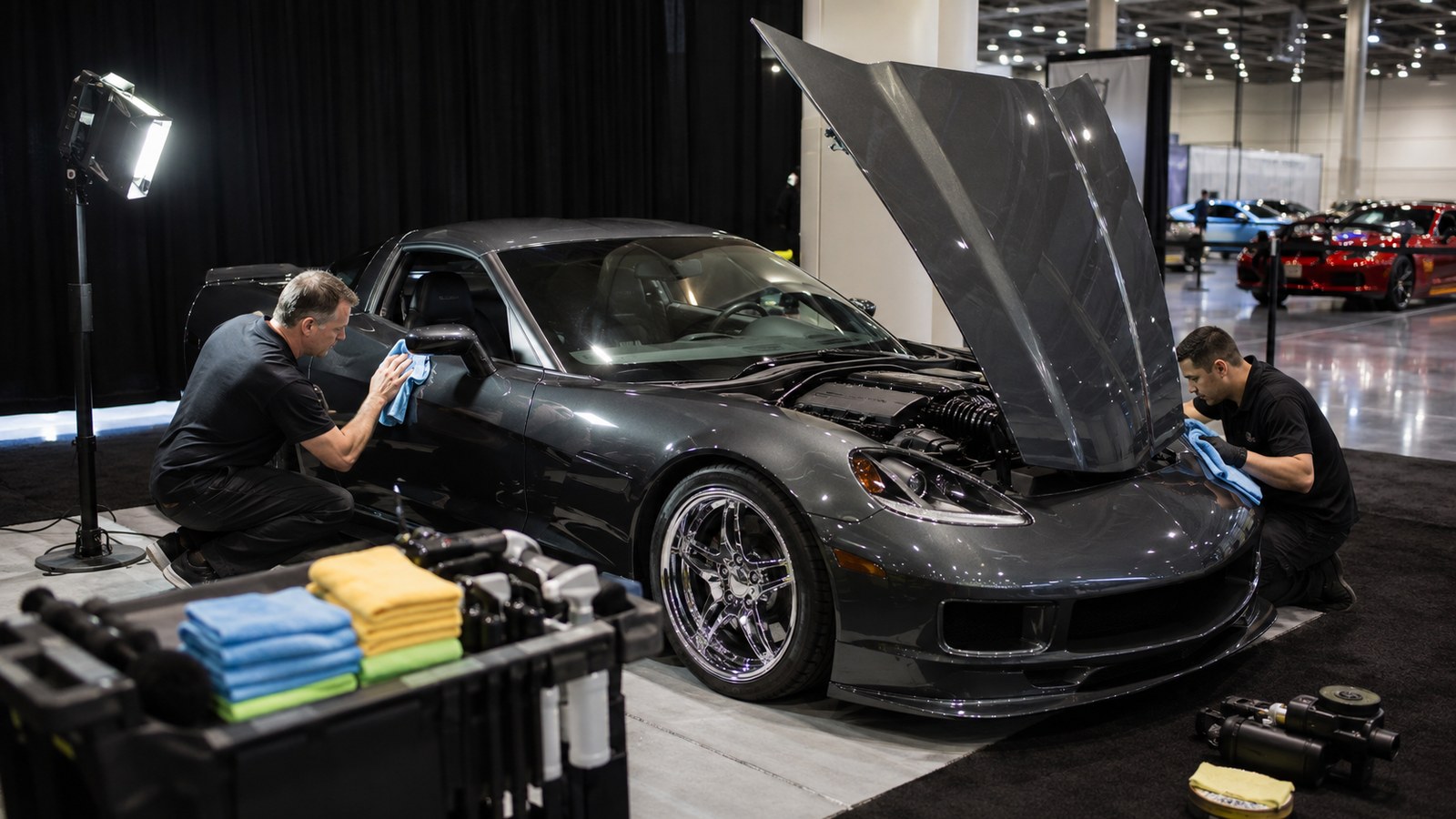
Show preparation begins with cleanliness, but cleanliness means more than glossy paint. Wheel barrels, tires, glass edges, door jambs, engine bay corners, trunk seams, suspension parts, underbody areas, interior vents, pedals, seat tracks, and weatherstripping all reveal care. Judges and experienced viewers often notice the hidden areas first.
Cleaning also protects the build. Dust, brake residue, fingerprints, water spots, and spilled products can damage finishes over time. A serious show routine uses safe washing, careful drying, compatible dressings, and enough time to avoid rushing. Shine looks best when the details are disciplined.
Paint And Bodywork Create The First Impression
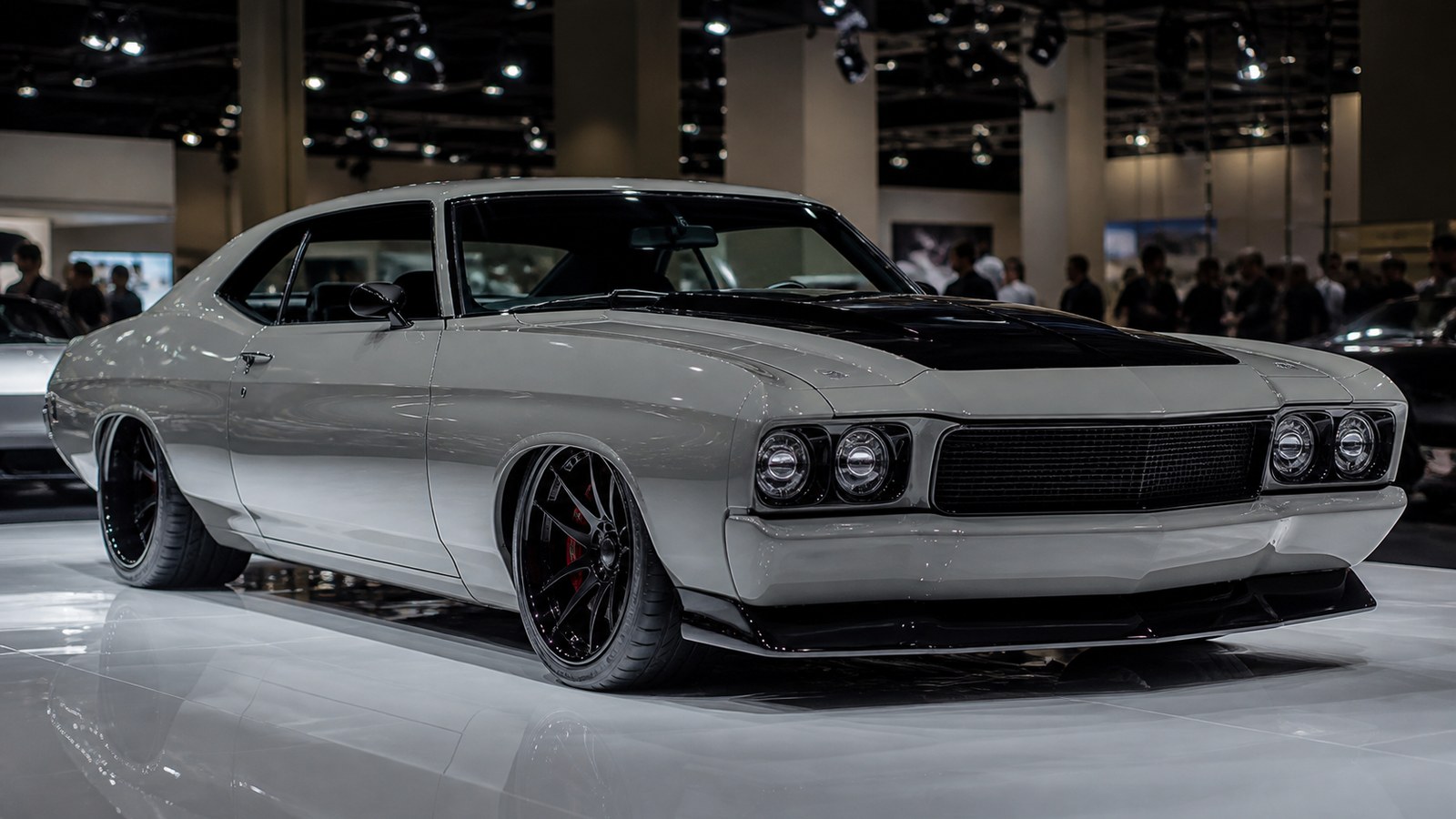
Paint quality carries enormous weight at shows because it is the largest visible surface. Color, depth, clarity, panel alignment, gaps, reflections, graphics, and finish consistency all matter. A simple color with excellent bodywork can outperform a dramatic color over poor preparation. Straight panels and clean edges tell viewers the work was done carefully.
Different show categories reward different choices. A restoration may value factory-correct texture and color. A custom build may reward creativity and finish depth. A survivor car may be judged for preservation rather than perfection. The build needs to match the standard it is entering.
Wheels And Stance Frame The Vehicle
Wheels and stance decide how the vehicle sits in space. Ride height, tire sidewall, wheel diameter, offset, camber, brake visibility, and wheel finish all affect the first impression. A well-chosen wheel looks like it belongs to the car’s era, purpose, and body shape. A poor fitment can distract from everything else.
Show stance still needs mechanical sense. Tires should clear, suspension should be secure, and the car should be able to move safely unless it is a static display. Extreme setups can be impressive, but they require execution quality. Sloppy rubbing, loose hardware, or visible shortcuts weaken the presentation.
Interior Detail Rewards Close Inspection
The interior is where craftsmanship becomes personal. Upholstery, stitching, seat shape, dashboard condition, gauges, steering wheel, pedals, carpet, mats, audio, lighting, trim, and cargo areas all need consistency. A perfect exterior with a neglected cabin feels unfinished. A thoughtful cabin can make a modest car memorable.
Interior modifications need to preserve safety and usability when the vehicle is driven. Airbags, belts, visibility, seat mounting, wiring, and controls still matter. A show car may be public art, but many are also vehicles that move through real roads and parking lots.
Engine Bays Tell A Mechanical Story
Engine bay presentation can emphasize restoration accuracy, performance, fabrication, cleanliness, or creative routing. Wire tucks, polished parts, painted covers, shaved bays, custom intakes, turbo plumbing, and factory-correct finishes all create different impressions. The best engine bays look intentional rather than merely crowded.
Function matters even in display. Heat shielding, fluid routing, clamp quality, wiring protection, service access, and leak control reveal whether the work is practical. A clean bay that overheats or leaks is not finished. Mechanical credibility supports visual drama.
Documentation Helps Viewers Understand The Build
Build books, photos, part lists, restoration records, fabrication notes, ownership history, awards, and before-and-after images help viewers understand the work. Documentation is especially important when the best details are hidden: rust repair, structural work, rare options, engine internals, or handmade parts.
A good display does not overwhelm people with text, but it gives enough context for the car to be appreciated. The story can explain why a color was chosen, what parts were preserved, what was fabricated, or how long the project took. Context turns a nice car into a memorable car.
Lighting And Display Need Restraint
Display lighting, mirrors, signs, stands, barriers, props, and themed objects can help a car stand out. They can also distract from the vehicle. The car should remain the center of attention. Props work best when they clarify the build’s purpose or era rather than filling space around it.
Indoor lighting can reveal swirls, dust, uneven paint, and fingerprints. Outdoor lighting can create glare or harsh shadows. Show preparation includes thinking about where the vehicle will sit and how people will move around it. A clean presentation invites inspection without feeling cluttered.
Judging Standards Vary By Event
A concours, local cruise-in, tuner show, off-road expo, audio competition, lowrider event, race paddock, and museum exhibit all reward different things. Some value originality. Some value fabrication. Some value creativity. Some value cleanliness. Some value performance proof. A car that wins one event may not fit another.
Understanding the event helps owners prepare. Factory-correct markings matter in restoration judging. Sound quality matters in audio competition. Weld quality matters in fabrication-heavy shows. Trail equipment matters at adventure events. The build should enter spaces where its strengths can be understood.
Transport And Setup Are Part Of The Plan
Getting a show car to an event can be stressful. Trailer loading, low-clearance ramps, tie-down points, battery charge, fuel level, cleaning supplies, weather, registration, insurance, and parking logistics all matter. A show car that arrives damaged, dirty, or late starts at a disadvantage.
Setup needs time. Owners may clean again, position the vehicle, open panels, place signs, check lighting, wipe fingerprints, and secure valuables. A calm setup makes the presentation better. Rushing often leads to missed details or accidental damage.
Show Cars Can Still Be Driven
Not every show car is a trailer-only object. Many of the most loved builds are driven to events and carry road wear honestly. A driven show car needs cooling, brakes, tires, lights, wipers, insurance, registration, and enough ground clearance to survive the route. Reliability becomes part of the build’s credibility.
There is no single correct philosophy. Some cars are preserved like art. Others are meant to cruise. The important thing is honesty. A driven car and a museum-level restoration can both be excellent when the workmanship matches the goal.
A Memorable Exhibit Respects The Audience
People approach show cars with different levels of knowledge. Some notice paint depth. Some notice rare parts. Some notice the story. Some only know that the car made them stop walking. A good exhibit gives each viewer something to appreciate without making the display confusing.
The strongest show cars feel generous. They reward experts with details and welcome casual viewers with a clear visual identity. That combination is why people remember them after the event ends.
Rarity Needs Explanation
Rare parts, limited trims, unusual engines, special colors, and period-correct accessories can be easy to miss. A casual viewer may not know why a factory option or handmade bracket matters. A simple display card or build book can turn hidden rarity into appreciation without overwhelming the car.
The explanation should be concise and honest. Claims about originality, mileage, awards, or rare parts need support. Show culture depends on trust, and accurate documentation helps a vehicle’s story travel beyond the owner.
Fabrication Quality Shows In The Edges
Custom fabrication is often judged at the seams, brackets, welds, mounts, gaps, and transitions. A handmade panel, turbo system, suspension setup, audio enclosure, or interior piece needs to look planned from every angle. Rough edges can make an expensive build feel unfinished.
Good fabrication also respects serviceability. Parts may need to be removed, fluids changed, tires aligned, or batteries accessed. A show car that cannot be maintained without damaging itself has sacrificed too much for presentation.
Awards Are Not The Only Measure
Trophies can be satisfying, but they are not the only sign of success. A show car can matter because it teaches people, preserves history, represents a community, honors a family story, or inspires someone else to start a project. Some excellent cars never fit neatly into judging categories.
Owners tend to enjoy shows more when they know their own goal. Winning is pleasant. Sharing the build, learning from others, and seeing people connect with the car can be just as valuable. A memorable exhibit does not depend entirely on a score sheet.
Maintenance Continues Between Events
Show cars still age between shows. Batteries discharge, tires flat-spot, fuel ages, seals dry, fluids leak, and dust settles. Indoor storage helps but does not stop time. Regular starts, careful drives, battery maintenance, tire pressure checks, and cleaning routines keep the car ready.
A show calendar should include maintenance time, not only event dates. The vehicle needs enough attention to arrive confidently, display cleanly, and return home without drama. Presentation begins long before the show gate.
Photography Changes How Cars Are Seen
Many show cars are experienced online after the event. Camera angles, lighting, background, reflections, and stance can change how the build is remembered. Owners who care about presentation often think about where the car is parked, how panels are opened, and whether the display creates clean sight lines for photos.
This does not mean the car should be built only for photos. It means the exhibit should make the workmanship visible. A clean background, uncluttered display, and thoughtful lighting help people notice the vehicle rather than the noise around it.
Good Exhibits Invite Questions
A memorable show car gives viewers a reason to ask questions. A rare option, unusual engine swap, careful restoration, handmade part, family story, or clever detail can start a conversation. The owner does not need to explain every bolt, but the display should make the main story easy to approach.
That conversation is part of the value of shows. Cars bring people together through craft, memory, and curiosity. A great exhibit leaves people understanding more than they did when they walked up.
After The Show, Inspect The Car Again
Events can be hard on a vehicle. Loading, unloading, idling, crowds, fingerprints, dust, weather, low-speed movement, and open panels all create small risks. After the show, inspect paint, wheels, tires, battery charge, fluids, loose display parts, and any areas people touched or leaned near.
This post-event routine protects the work that went into the build. A show car stays ready by being cared for after applause as carefully as before it.
The Best Shows Build Trust
A good exhibit is honest about what the car is. Original, restored, modified, tribute, driven, preserved, or freshly built can all be impressive when the presentation is clear. Viewers respond well when the owner explains the choices without exaggeration.
That trust makes the car easier to appreciate. People can admire the craftsmanship, learn the story, and understand why the build matters. A show car is strongest when the vehicle and its story support each other.
Exhibits Need A Clear Viewer Path
Show cars and exhibits work best when visitors can understand the vehicle quickly. Lighting, spacing, signage, open panels, mirrors, barriers, and viewing angles all guide attention. A rare or custom car can lose impact if the presentation hides the details that make it special.
Good exhibits also protect the vehicle. Crowd flow, fingerprints, battery care, tire support, transport planning, and climate control all matter. A display should make the car memorable while preserving it for the next audience.