Show Cars Turn Vehicle Work Into A Public Object
Show cars and exhibits are built to be seen, judged, discussed, photographed, and remembered. Paint, stance, wheels, interior, engine bay, lighting, fabrication, documentation, rarity, cleanliness, and story all matter. A strong show build is not simply expensive. It has a coherent idea and enough craftsmanship for people to keep looking after the first impression.
Show Cars Are Built To Communicate
Show cars and exhibits are not ordinary vehicles parked under brighter lights. They are built to communicate taste, craft, technology, brand identity, and sometimes engineering ideas that may never reach production unchanged. A show car might highlight paint quality, interior materials, stance, lighting, restoration skill, custom fabrication, or a future design direction. The purpose is to make people stop, look closely, and understand a point about the vehicle.
That means a show car is judged differently from a daily driver. A perfect stance, wild interior, or delicate finish may be excellent on a display floor and impractical on a commute. The question is not whether every detail would survive grocery runs and winter salt. The question is whether the exhibit presents a coherent idea with workmanship strong enough to reward inspection.
Concept Cars Test Public Reaction
Automakers use concept cars to explore styling, packaging, technology, and brand direction. Some concepts are close previews of production models. Others are design studies meant to measure reaction, stretch imagination, or show what future platforms might allow. They can include dramatic doors, unusual seating, experimental lighting, advanced displays, or proportions that are not yet ready for mass production.
The important point is that a concept is not always a promise. It may preview themes rather than parts. A grille shape, lighting signature, cabin layout, or electric-platform proportion may survive while the most theatrical details disappear. Concepts are useful when read as signals, not guarantees.
Build Quality Shows Up In Details
At a show, details become the story. Panel alignment, paint depth, trim fit, wiring cleanliness, upholstery tension, wheel fitment, fastener choice, glass clarity, and underhood organization all reveal how seriously the build was executed. A car can be visually loud and still be sloppy. It can also be subtle and deeply impressive because every detail is consistent.
Good show work rewards close viewing. The owner, builder, or manufacturer has thought through how the car looks from ten feet away and from ten inches away. That layered quality is what separates a finished exhibit from a rushed display piece.
Paint And Lighting Shape First Impressions
Paint, wraps, lighting, and display environment can make or break a show car. Gloss, color shift, metallic depth, matte texture, body lines, and reflections all depend on surface preparation and lighting. A great finish can reveal craftsmanship. A poor finish can expose sanding marks, waves, overspray, dirty edges, or rushed prep.
Lighting is part of the exhibit. Indoor halls, outdoor sunlight, spotlights, and photography all change how the car reads. Builders who plan for the display environment usually create stronger results because they understand how viewers will actually see the vehicle.
Interior Exhibits Need Usability Logic
Show-car interiors can be futuristic or handcrafted, but they still need logic. Seats, screens, switches, materials, door openings, steering controls, and sightlines should feel intentionally arranged. Even if the car is not meant for daily driving, the cabin should suggest how a person would occupy it. Pure spectacle wears thin when nothing seems usable.
The best interiors balance drama with believability. A hand-built restomod may use leather, stitching, gauges, and hidden electronics to feel both classic and modern. A future concept may use minimal controls and unusual materials while still making the driver’s role clear. The cabin has to tell a story people can imagine inhabiting.
Restomods Blend Eras
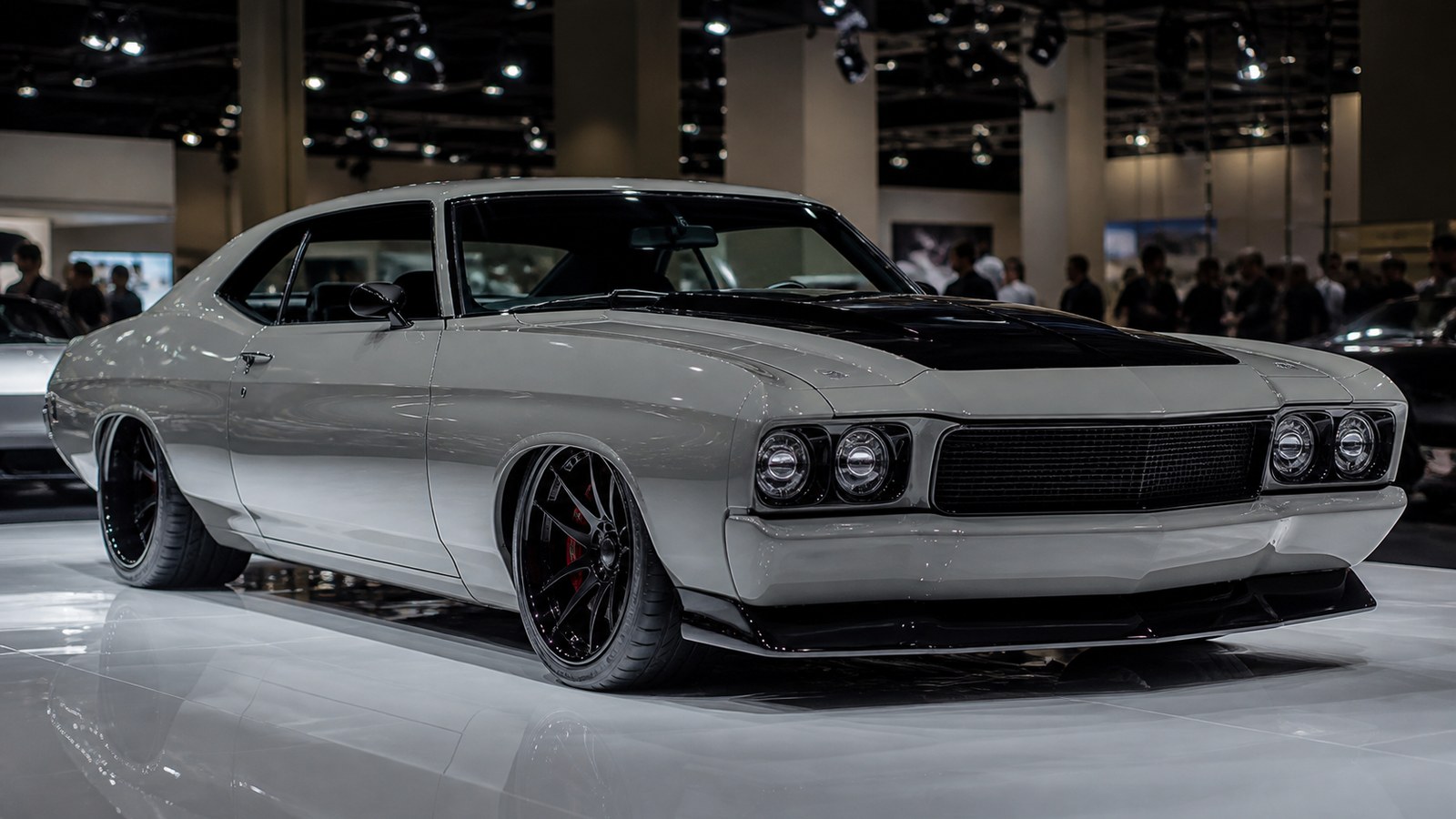
Restomods are a major part of modern show culture because they combine classic bodies with updated engines, brakes, suspension, electronics, interiors, and safety features. The strongest restomods respect the original vehicle’s character while improving how it drives and survives modern use. The weakest ones pile on modern parts without a coherent point of view.
A good restomod is not only expensive. It is edited. Wheel choice, ride height, paint, engine bay, trim, sound, and interior details should feel like one decision rather than a catalog. The result should make the classic car easier to enjoy without erasing why it mattered.
Exhibit Cars Can Teach Engineering
Cutaway vehicles, chassis displays, rolling platforms, battery exhibits, drivetrain mockups, and safety demonstrations help visitors understand how cars are built. These exhibits can make hidden systems visible: crash structures, suspension geometry, cooling paths, battery modules, motors, wiring, and material choices. They turn engineering into something the public can inspect.
This educational role matters because much of modern vehicle technology is hidden behind trim panels and software. A good exhibit makes the invisible understandable without overwhelming visitors. It shows how systems connect and why design choices matter.
Practicality Still Matters When A Car Will Drive
Some show cars are trailer queens, while others are driven regularly. The standard changes depending on that goal. A driven show car needs cooling, brakes, tires, alignment, lighting, wipers, seat comfort, legal equipment, and repair access. A display-only car can accept more fragile choices, but honesty about that role matters.
Many of the most admired builds are impressive because they work. They start reliably, steer cleanly, stop confidently, and still look polished at events. A car that can travel to the show under its own power carries a different kind of credibility.
Judging Criteria Should Match The Class
Car shows vary widely. A concours event may value originality, authenticity, and historical accuracy. A custom show may value fabrication, creativity, stance, paint, and interior execution. A manufacturer exhibit may value message clarity and design direction. A race display may value function and engineering history. Judging only makes sense when the class is understood.
A restored survivor should not be judged by the same standard as a radical custom. A concept car should not be judged like a production crossover. The strongest review asks what the car is trying to be and whether it succeeds on those terms.
Display Choices Affect The Story
The stand, placard, lighting, floor surface, open panels, wheel angle, and surrounding objects all affect how an exhibit is read. A cluttered display can distract from the car. A clean display can guide attention to the right details. Even the amount of written explanation matters because too much text can dull the visual impact while too little can leave visitors guessing.
Good exhibits give viewers a path. They show the headline first, then reward closer attention. A vehicle display works best when the setting supports the car rather than competing with it.
Show Cars Influence Real Cars
Even extreme show cars can influence production vehicles and owner trends. Paint colors, wheel designs, lighting signatures, interior materials, infotainment layouts, overlanding accessories, EV packaging, and aerodynamic ideas often appear in public first as show pieces. Not every idea survives, but shows let designers and builders see what excites people.
This feedback loop is part of car culture. Exhibits turn experimentation into conversation. The public reacts, builders adapt, and manufacturers notice which ideas feel ready for the road.
The Best Exhibits Have A Clear Point
A strong show car does not need every possible modification. It needs a clear point. That point might be restoration accuracy, future technology, hand craftsmanship, track focus, luxury, stance, sustainability, or brand heritage. When the details support that point, the car feels complete.
The best exhibits stay memorable after the viewer walks away. They give the audience a clean idea about what the vehicle represents and enough craftsmanship to make that idea believable.
Originality And Custom Work Need Different Standards
A factory-original exhibit and a heavily customized show car should not be judged by the same checklist. Original cars ask whether the paint color, trim, fasteners, upholstery, engine bay, wheels, and documentation match the period. Custom cars ask whether the changes are imaginative, well executed, and consistent. Both can be excellent, but they are excellent for different reasons.
This distinction keeps judging fair. A preserved survivor may have small age marks that are part of its story. A custom build may replace nearly every visible detail and still be successful if the craft is strong. The standard should match the car’s stated purpose, not the viewer’s favorite style.
Prototype Details Are Often Temporary
Manufacturer exhibits sometimes use prototype parts, hand-built trim, nonfunctional screens, experimental lighting, or materials that are not ready for production durability. These details can be useful because they show design intent, but they should be read carefully. A prototype interior may suggest a future cabin direction without proving that every surface, switch, or display will reach showrooms.
That does not make the exhibit deceptive. Concept work is often a conversation between designers, engineers, executives, regulators, and the public. The value is in seeing what problems the company is trying to solve and which ideas it wants people to notice.
Show Cars Need Transport And Care Plans
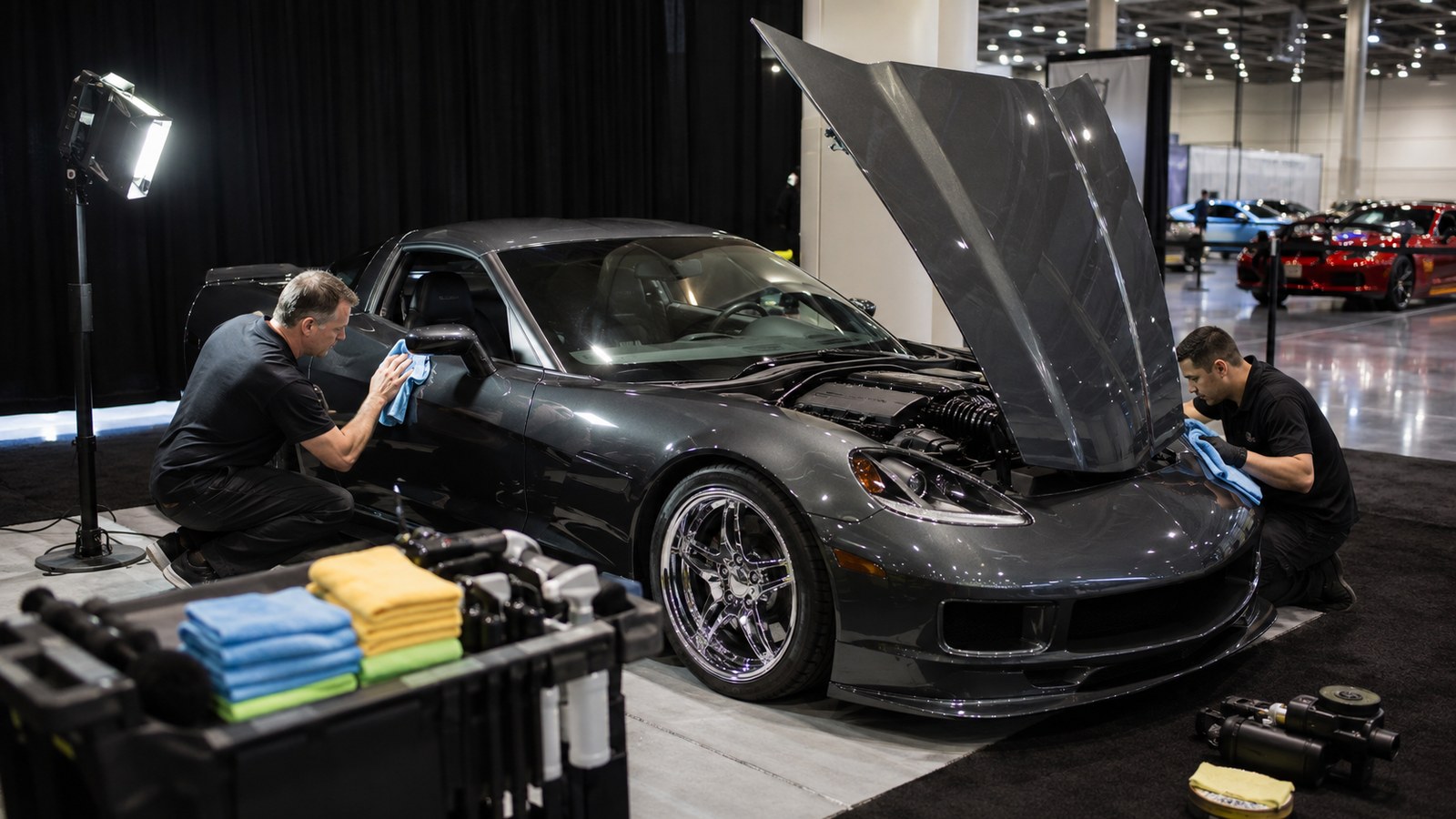
A serious show car needs a care plan. Transport, cleaning, battery maintenance, tire pressure, fuel condition, indoor storage, humidity, paint protection, and careful loading all affect how the car arrives. A flawless finish can be damaged by one rushed move. A delicate interior can suffer from careless access during setup. Exhibit quality begins before the doors open.
Owners who drive to shows need a different plan. They need tools, cleaning supplies, spare parts, weather awareness, and enough mechanical confidence to get home. A driven show car earns admiration because it balances presentation with real use.
Technology Displays Should Be Understandable
Modern exhibits often highlight EV platforms, battery packs, driver-assistance sensors, infotainment, materials, or autonomous concepts. The strongest displays explain those systems without turning the car into a wall of jargon. Visitors should be able to understand what is new, why it matters, and how it could change driving or ownership.
Clear exhibits make complex vehicles less mysterious. They show where energy flows, where sensors are mounted, how structure protects occupants, or why a new layout creates more space. Good presentation turns technology into comprehension.
A Memorable Exhibit Has Restraint
It is tempting for a show car to include every available trick, but restraint often makes the result stronger. A clear color palette, consistent materials, appropriate wheels, tidy wiring, and purposeful interior details can make a build feel mature. Too many disconnected ideas can make even expensive work feel confused.
The strongest show cars leave viewers with one clear impression. They may be elegant, brutal, futuristic, historically accurate, or playful, but they are not random. Restraint gives the craftsmanship room to be seen.
Exhibits Also Shape Buying Expectations
Show vehicles can change what shoppers expect from future production cars. A lighting idea, cabin material, wheel design, EV floor layout, storage solution, or color trend can move from an exhibit hall into mainstream vehicles after public reaction proves strong. The final production version may be simpler, but the show car helps test whether the idea has emotional pull.
This makes shows useful even when the vehicle itself is never sold. They reveal where brands, builders, and owners think car culture is moving. A good exhibit creates a conversation that continues after the event closes.
Exhibit Cars Need Presentation And Protection
Show cars and exhibits are built to communicate quickly. Lighting, stance, finish quality, interior detail, signage, cleanliness, and access around the vehicle all shape how people understand it. The car may be technically impressive, but presentation decides whether visitors notice the right details.
Protection matters too. Transport, fingerprints, crowd flow, battery maintenance, tire flat-spot prevention, climate control, and security can all affect a display vehicle. A successful exhibit keeps the car visually compelling while preserving it for future events, owners, and audiences.