Street Style Trends Work When The Car Still Works
Street style trends are the design language of everyday car culture: stance, wheels, tires, wraps, paint, lighting, aero, interior trim, overlanding gear, retro graphics, factory-inspired details, and EV minimalism. The best style choices make a vehicle look intentional without damaging drivability, safety, tire life, visibility, or legal use.
Street Style Is A Conversation Between Taste And Function
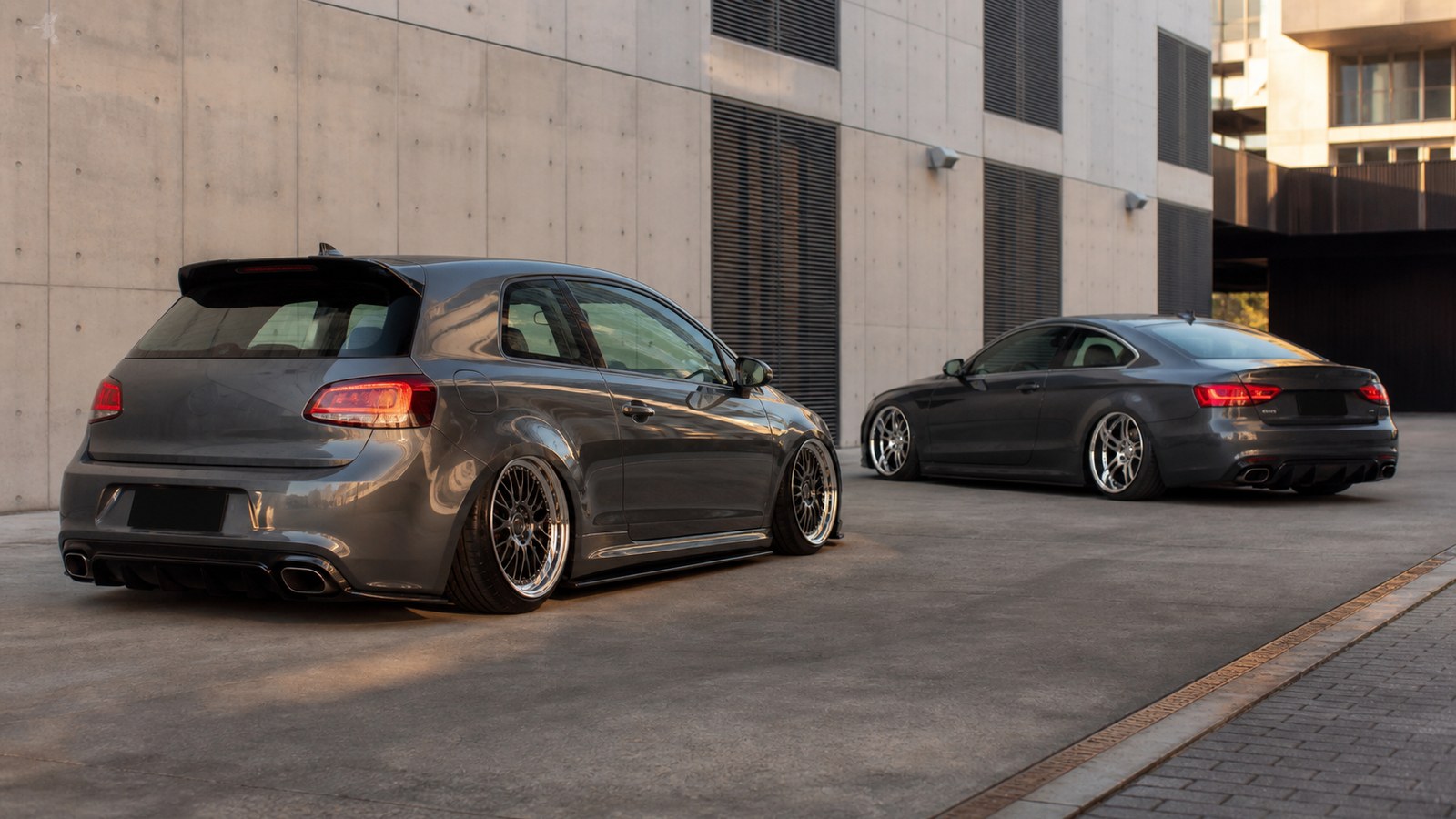
Street style trends are how everyday drivers translate car culture into visible choices. Wheels, stance, paint, wraps, lighting, aero, tint, decals, roof racks, interior trim, and exhaust details all say something about the owner and the scene around the vehicle. The strongest style feels intentional because it fits the car’s shape, use, and mechanical reality.
Problems begin when style fights function. A car can look impressive in a photo and still rub tires, scrape driveways, blind other drivers, fail inspection, or become exhausting on the highway. Good street style keeps the car usable. The vehicle still needs to turn, stop, cool, carry people, and survive weather.
Wheels Set The Tone Quickly
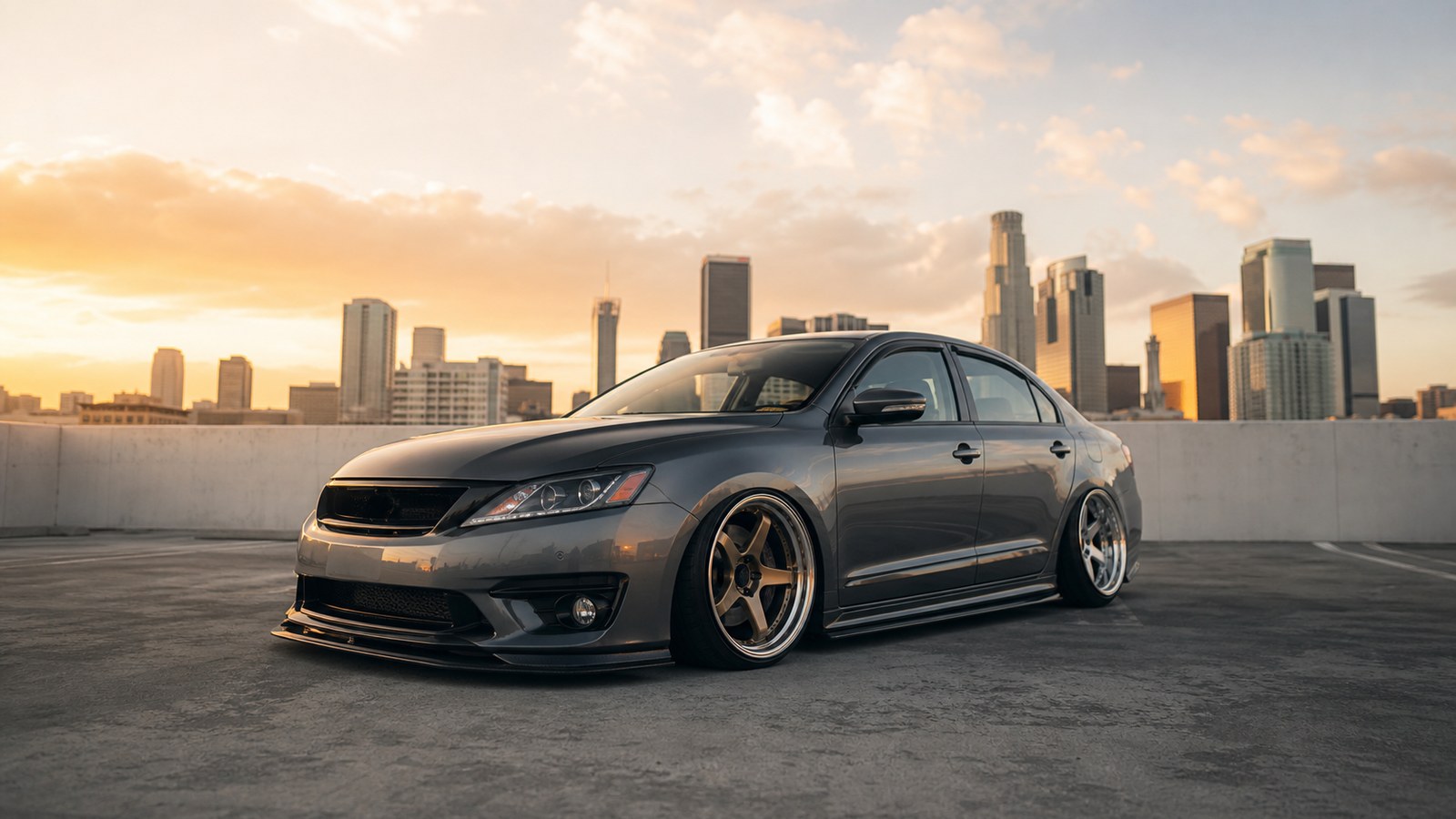
Wheel choice changes a vehicle’s attitude faster than almost anything else. Diameter, width, offset, color, spoke design, lip depth, and tire sidewall all shape the stance. A classic mesh wheel, a motorsport-style forged wheel, a retro steel wheel, and a large luxury wheel communicate different ideas even before the car moves.
Fitment needs discipline. The wheel must clear brakes, fenders, suspension, and steering movement. Offset affects bearing load and steering feel. Heavier wheels can hurt ride and acceleration. A clean fitment that preserves drivability usually ages better than an extreme setup that only works at one angle in a parking lot.
Stance Can Help Or Hurt
Stance trends focus on how the car sits: ride height, wheel gap, camber, track width, and tire placement. A mild drop can sharpen appearance and reduce visual bulk. A carefully set-up performance stance can improve response. An extreme stance can create tire wear, poor grip, rough ride, steering problems, and unsafe contact between tires and bodywork.
The best stance matches the vehicle’s job. A daily driver needs travel and ground clearance. A track car needs alignment that keeps tires working under load. An off-road build needs clearance and articulation. Style works best when the stance looks like a result of purpose rather than a fight against the car.
Paint And Wraps Carry Personality
Color trends move through car culture constantly. Matte finishes, satin wraps, color-shift vinyl, retro graphics, factory heritage colors, racing stripes, two-tone paint, patina, and minimalist monochrome builds all have moments. Paint feels permanent and deep when done well. Wraps offer flexibility and can protect original paint when installed and maintained correctly.
Finish choice affects care. Matte paint and matte wraps need different cleaning than glossy paint. Dark colors show swirls. Bright colors draw attention. Graphics can date a build quickly or make it memorable. A driver who uses the vehicle daily needs to think about washing, repairs, sun, chips, insurance, and resale before choosing a finish.
Lighting Trends Need Restraint
Lighting can modernize a vehicle through clean headlight restoration, better bulbs, tasteful accent lighting, puddle lights, cargo lighting, or updated tail lamps. It can also become a safety problem when lights are too bright, poorly aimed, illegal in color, wired badly, or distracting to other road users. Style lighting has to respect the road.
Quality installation matters. Moisture inside housings, bad grounds, overloaded circuits, flicker, warning lights, and battery drain are common signs of poor lighting work. Good lighting upgrades improve visibility or atmosphere without making the vehicle harder to live with.
Aero Style Borrows From Motorsport
Splitters, lips, side skirts, diffusers, spoilers, wings, vents, and canards often borrow from racing. On a street car, many of these pieces are more visual than functional unless designed for speed, airflow, and mounting strength. That does not make them worthless, but it changes how they should be judged.
A front lip that scrapes every driveway or breaks loose on the highway is not a good upgrade. A wing that adds drag without balance may only add attention. Motorsport-inspired style works best when it is secure, proportionate, and honest about whether it is functional or decorative.
Overlanding Style Changed Trucks And Crossovers
Roof racks, light bars, all-terrain tires, recovery boards, awnings, cargo boxes, lift kits, skid plates, and earth-tone wraps have moved from trail communities into mainstream street style. Some owners use the gear heavily. Others like the prepared look. Either way, the equipment adds weight, wind noise, cost, and sometimes fuel or range loss.
Useful overlanding style begins with realistic use. A daily crossover may benefit from durable tires and cargo organization more than heavy accessories. A trail truck may need recovery points, protection, and suspension matched to actual terrain. The look is strongest when the hardware has a reason.
Retro And OEM-Plus Builds Age Well
Retro style uses older cues such as period-correct wheels, graphics, colors, badges, and interior textures. OEM-plus style makes a car look like a sharper factory version: cleaner wheels, subtle suspension, better trim, restrained audio, and upgraded lighting. Both trends often age well because they respect the original design.
The challenge is proportion. Too many nostalgia cues can make a build feel costume-like. Too many factory-inspired parts can become invisible. The best examples choose a clear era or trim idea and then execute it carefully. Detail quality matters more than the number of changes.
EV Minimalism Creates A New Style Language
Electric vehicles brought smoother faces, aero wheels, flush handles, quiet cabins, large screens, and minimalist lighting into mainstream design. Some owners lean into that clean look with subtle wraps, wheel choices, tint, and interior organization. Others use color and stance to make an EV feel less anonymous.
EV style needs to account for range, cooling, sensors, charging access, and weight. Large wheels can reduce efficiency. Bumper changes can interfere with sensors. Heavy accessories can reduce range. A good EV style build treats aerodynamics and electronics as part of the design.
Interior Style Completes The Build
Exterior trends get attention, but interior details decide how the car feels every day. Shift knobs, steering wheels, upholstery, ambient lighting, floor mats, audio, trim, phone mounts, and storage can make a build feel finished. They can also create clutter when every trend is added at once.
Interior style should preserve safety and usability. Airbags, seat belts, visibility, controls, vents, and screens need to keep working correctly. A cabin that looks custom but distracts the driver or blocks controls has missed the point. The best interiors support the vehicle’s personality without getting in the way.
Legal And Social Context Matters
Street style lives in public. Exhaust volume, tint, lighting color, license-plate visibility, ride height, tire coverage, and emissions equipment can attract unwanted attention if they conflict with local rules. Car culture also changes by region. A style that feels normal at one meet may look extreme in another town.
Owners need to decide how much attention they actually want. A loud, bright, low, heavily modified car changes how every fuel stop and commute feels. Some people love that. Others eventually want something calmer. Good style fits the owner’s real life.
The Best Trends Leave The Car Better
Trends come and go, but a thoughtful build remains appealing because it improves the car’s presence without destroying its usefulness. Clean fitment, quality materials, reliable wiring, good tires, careful paint care, and reversible choices usually age better than rushed extremes. The car should still feel like a vehicle, not only a display object.
Street style is most successful when it looks natural from a distance and rewards close inspection. That balance lets the vehicle participate in culture while still doing the daily work of transportation.
Factory Special Editions Influence Street Taste
Factory special editions often give street culture a vocabulary. Blackout packages, heritage colors, bronze wheels, rally-inspired trim, sport appearance kits, off-road packages, and track-focused badges show owners what looks factory-plausible. Aftermarket builds frequently borrow those cues because they feel integrated rather than random.
The risk is imitation without purpose. A fake badge or poorly copied package can cheapen a build. A better approach is to understand what made the factory version work: proportion, finish, wheel choice, trim restraint, and a clear connection to the vehicle’s character.
Social Media Speeds Up Trends
Street style now moves quickly because photos and short videos spread a look across regions almost instantly. A wheel finish, wrap color, lighting style, or stance setup can become common before owners know whether it works long term. Fast trends can be fun, but they can also make expensive choices feel dated quickly.
Drivers who want a lasting build benefit from slowing down. Save examples, compare similar vehicles, look for long-term ownership feedback, and imagine the car after two years of washing, commuting, parking, and repairs. Good taste survives outside the feed.
Detail Quality Separates Style From Clutter
Small details decide whether a styled vehicle feels finished. Lug nuts, center caps, tire lettering, trim condition, panel gaps, tint edges, decal placement, exhaust alignment, and interior wiring all matter. A build can have the right idea and still feel unfinished if the details look rushed.
Detail quality also makes restrained builds interesting. A subtle car with perfect fitment, clean paint, thoughtful lighting, and tidy interior choices can draw more respect than a louder car with mismatched parts. Style is execution as much as concept.
Reversibility Keeps Options Open
Many owners eventually change taste, sell the vehicle, move to a new climate, or use the car differently. Reversible style choices protect those options. Wraps, bolt-on wheels, removable racks, plug-in lighting, and preserved factory parts make it easier to adjust the build without regret.
Permanent cutting, unusual paint, drilled panels, and deleted equipment need more confidence. They can be worthwhile on a committed build, but they narrow the future. Street style is easier to enjoy when the owner knows which changes can be undone.
Maintenance Keeps Style Looking Intentional
A styled vehicle needs upkeep. Polished wheels collect brake dust, wraps need careful washing, lowered cars need alignment checks, and dark paint shows swirls. Interior accessories loosen, lighting can fail, and exposed hardware can corrode. Without maintenance, the same choices that once looked deliberate can begin to look neglected.
This is where restrained builds often win over time. They are easier to clean, easier to repair, and easier to keep consistent. A style trend becomes more convincing when the owner can maintain it through real weather and real miles.
Culture Gives Trends Their Meaning
Street style is not created by parts alone. It comes from meets, motorsport, music, films, social media, regional roads, and local shops. A low sedan, lifted truck, drift-inspired coupe, off-road crossover, and retro compact all carry different cultural signals. Understanding that context helps the build feel connected rather than copied.
Owners do not need to follow one scene perfectly. The best personal builds borrow thoughtfully and then make sense on their own. Style is strongest when it says something clear about the vehicle and the person using it.
Street Style Trends Move In Cycles
Street style trends often return in new forms. Wheel designs, stance tastes, aero parts, lighting, graphics, colors, and interior details can disappear for a while and then come back with better materials or different cultural meaning. A trend feels strongest when it fits the car’s era and the owner’s intent.
The builds that age well usually avoid copying every trend at once. They choose a direction and execute it cleanly. Fitment, paint or wrap quality, lighting choices, ride height, and interior details should feel connected. Street style is most convincing when the car looks complete rather than crowded.