Choose the Capability Behind the Name
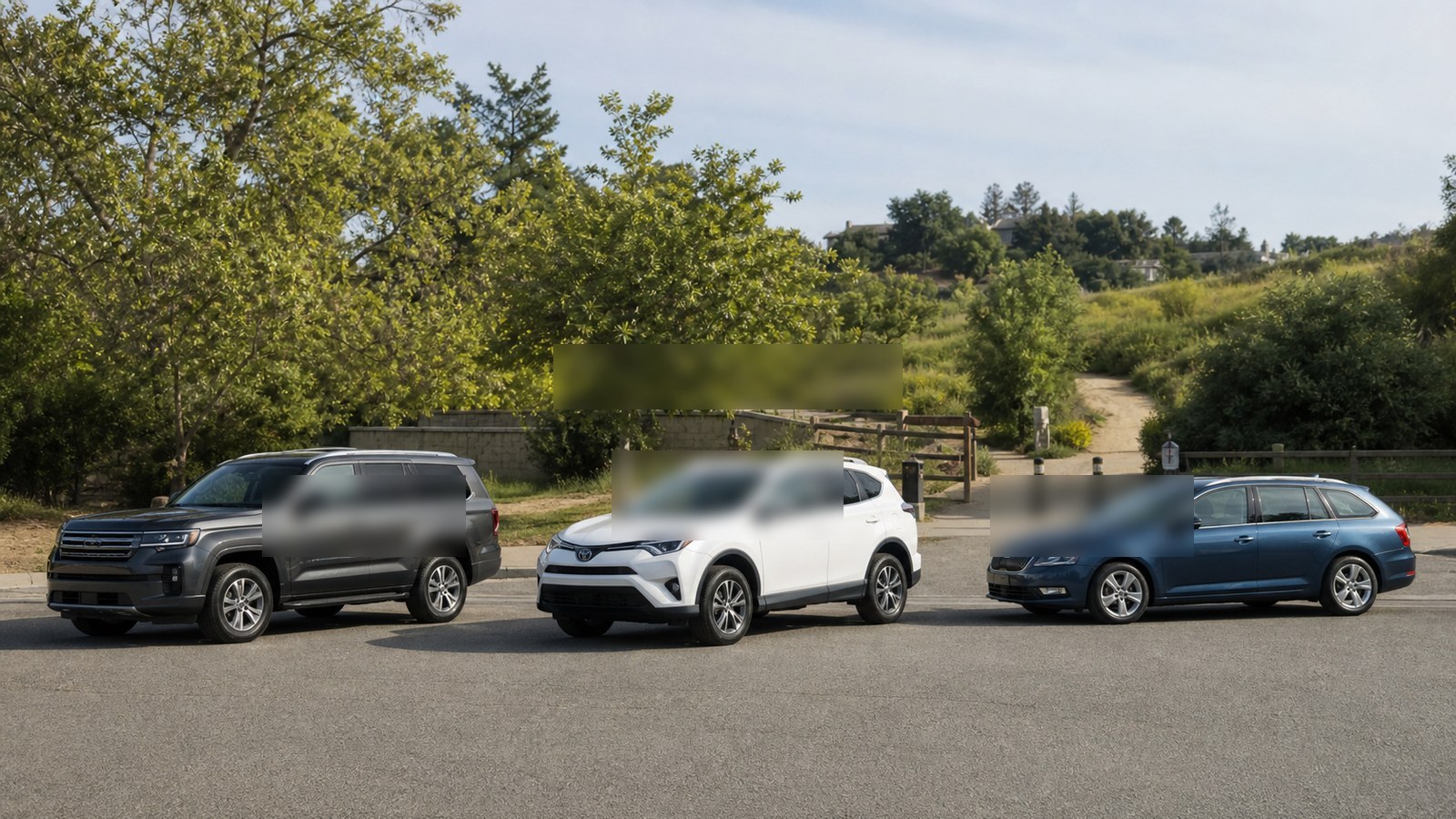
A dealer can call one vehicle a crossover, another an SUV, and a third a crossover SUV without giving you a clear reason to prefer any of them. The labels overlap because they mix engineering history with marketing language. Traditionally, an SUV used a separate truck-like frame while a crossover combined an integrated passenger-car-style body with a taller utility shape. Today, SUV often serves as the broad umbrella for both. Your decision becomes easier when you move from names to measurable requirements: who rides with you, what you carry, where you drive, and whether you tow. A crossover commonly suits everyday family transport, while a more specialized SUV may justify its compromises when demanding work or terrain is a regular part of life.
Why the Two Labels Overlap
The historical distinction concerns how a vehicle is put together. In a traditional body-on-frame SUV, a separate chassis supports the body and major mechanical systems. A typical crossover uses unitized construction, in which the body structure and its reinforcements carry loads together. That background helps explain broad differences in packaging and design priorities, but modern product names do not consistently maintain the separation. Manufacturers frequently describe unibody vehicles as SUVs because buyers recognize the term and associate it with their shape and seating position.
There is consequently no reliable shopping shortcut in assuming that every vehicle advertised as an SUV has a separate frame, low-range gearing, or a large towing allowance. Equally, crossover does not mean that a vehicle is incapable of towing or traveling on an unpaved road. Some integrated-body vehicles have substantial, carefully engineered capability. Confirm construction and equipment through the manufacturer’s technical information for the exact model year. Treat the name as a starting point for research rather than a specification that settles the purchase.
A Tall Body Can Serve Very Different Jobs
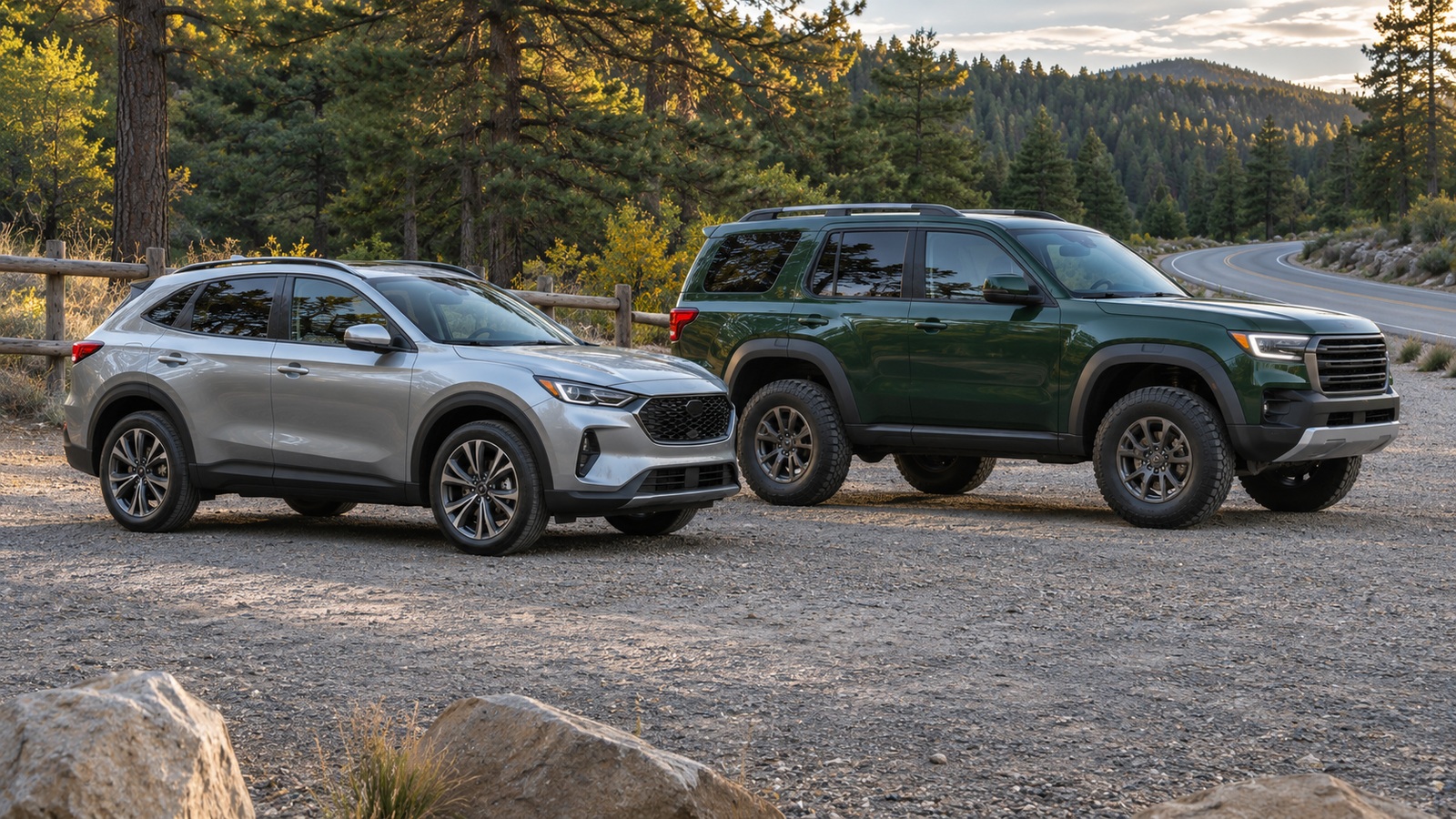
Two tall vehicles can have remarkably different priorities beneath their styling. One may emphasize a low step-in height, easy child-seat access, compact exterior dimensions, and efficient commuting, while another allocates more space and mass to suspension travel, towing equipment, or underbody clearance. Plastic wheel-arch trim and an adventurous model name do not establish which job the vehicle was engineered to perform. Even within one model family, wheel sizes, tires, suspension settings, drivetrain choices, and optional equipment can change the experience. Write down your recurring tasks before comparing trims so that appearance does not quietly substitute for a list of requirements.
Everyday Comfort Starts at the Curb
Begin a comparison by getting in and out several times, including from the rear seats. A moderately raised crossover seat can reduce the amount of lowering or climbing some occupants need, but a higher floor may make entry harder for a child or a person with limited mobility. The roof opening, sill width, seat bolster, grab handles, and door opening angle all contribute. Ask the people who normally travel with you to try the vehicle themselves. An appealing seating position for the driver can coexist with awkward access for everyone else.
Next, drive on a route that includes coarse pavement, small broken surfaces, and a normal cruising stretch. Differences in tire sidewalls and suspension tuning can matter more to comfort than the crossover/SUV designation. Listen for tire noise and check whether the body settles promptly after a bump without making passengers feel tossed around. Make the comparison at similar speeds and with sensible tire pressures. A showroom demonstration on smooth pavement can conceal exactly the behavior that becomes tiring during an ordinary commute.
Check sightlines while parked as carefully as you evaluate the ride. A higher eye position can help you see over some nearby traffic, yet a tall hood, wide pillars, or small rear windows may obscure closer objects. Cameras and parking sensors are useful aids, but their presence does not erase blind areas or remove the need for direct observation. Try the controls and confirm that you can locate key functions without a long search. Everyday usability includes the effort required to place the vehicle accurately as well as the view from its front seat.
Cargo Shape Matters More Than a Big Number
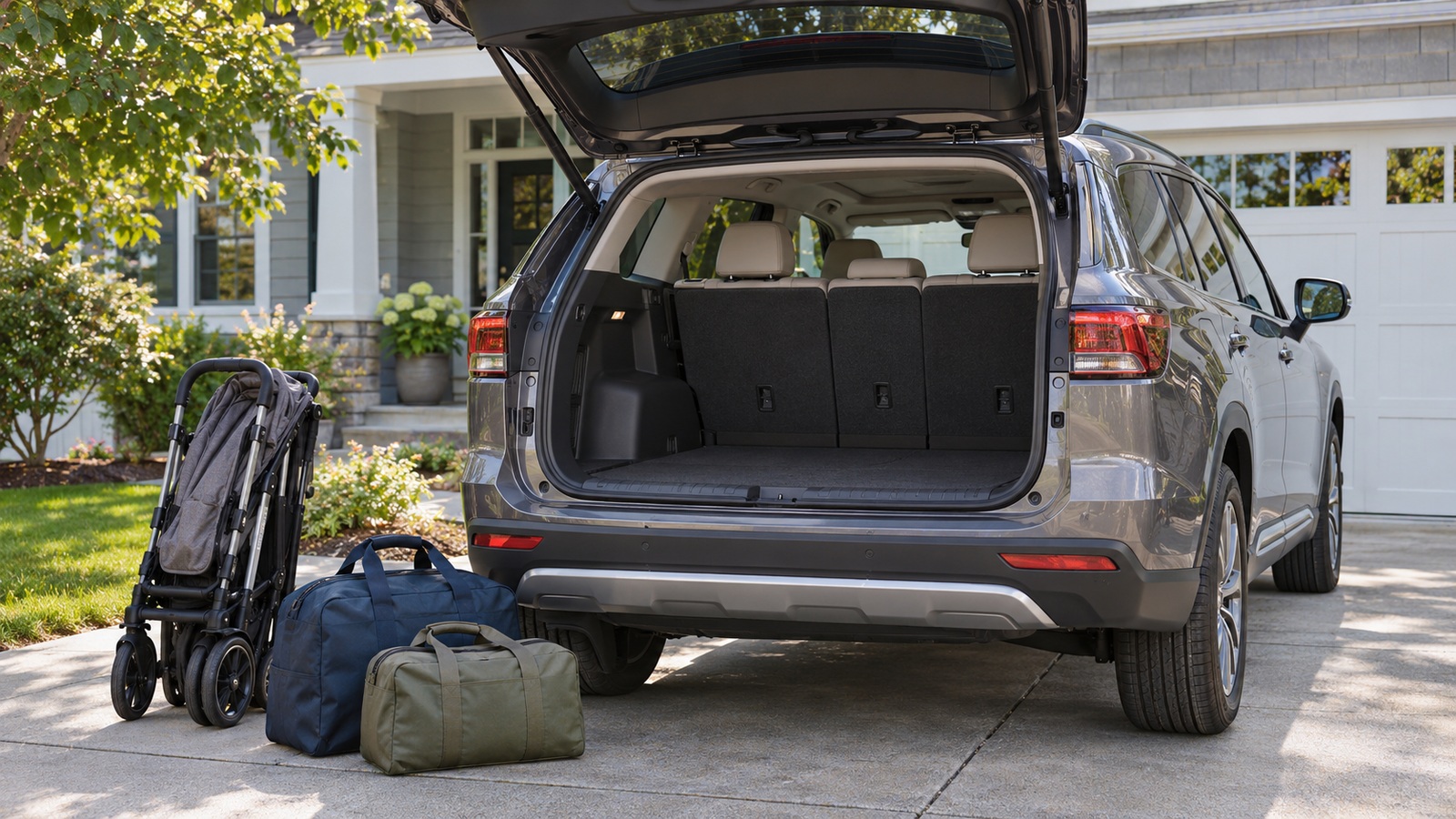
A cargo-volume figure is a useful screening tool, but it does not tell you whether a stroller passes through the hatch or a dog crate fits beneath a sloping roof. Measure the opening, the floor length behind the occupied rear seats, and the height available where your load actually sits. Look at the wheel housings, folded-seat transitions, and any raised floor created by batteries or a spare wheel. If possible, bring the bulky items you carry frequently instead of estimating their fit from photographs.
Separate passenger capacity from luggage capacity when comparing two-row and three-row vehicles. An extra row may consume most of the load floor when occupied, so a model that seems spacious with every seat folded may not suit a full family on holiday. Consider loading height too, because lifting a heavy object into a tall utility vehicle can be more awkward than sliding it into a lower crossover. Secure loose loads with the approved anchors. A large cabin becomes less useful if the items inside cannot be carried safely and conveniently.
Real Examples Make the Construction Difference Visible
Toyota’s 2026 descriptions provide a concrete example of why SUV does not identify one construction. The RAV4 uses a TNGA-K unibody, while the 4Runner uses a separate TNGA-F boxed-steel frame. Both are offered as utility vehicles, but their load-bearing foundations differ. A shopper calling the RAV4 a crossover has identified a useful architectural tendency; calling it an SUV is not therefore a contradiction. The 4Runner illustrates the traditional frame-based SUV arrangement. These examples identify construction without claiming that either name alone settles comfort, safety, or permitted trailer weight.
For towing, first check whether the actual candidate is equipped and rated for the loaded trailer. The engine, cooling, hitch, drivetrain, and required package can change what a version is permitted to do. Tongue weight also uses the carrying allowance shared with passengers and luggage, as Ford’s load-carrying guidance explains. A frame-based label cannot override an axle or payload limit. A properly specified crossover may therefore remain a reasonable candidate for a modest approved load.
Keep this requirement in proportion to ordinary use. A vehicle moving a small utility trailer a few times a year serves a different brief from one regularly hauling a large travel trailer. After eliminating unsuitable configurations, compare how the remaining vehicles handle daily parking, entry, cargo and running costs. Do not buy a larger architecture merely because the category sounds stronger. Buy the capability documented for the work, then choose the everyday compromises you can accept.
AWD Does Not Turn Every Crossover Into a Trail Vehicle
All-wheel drive can help distribute driving force when available traction varies, but it does not automatically provide the gearing, clearance, tires, cooling, or protection needed for difficult trails. Some traditional SUVs offer low-range transfer gearing and other specialized features, while some unibody models include serious off-road engineering of their own. Verify what the exact system can do and how the manufacturer says to operate it. Neither AWD nor 4WD improves the friction available for braking on unsuitable tires. A maintained gravel approach to a campsite should be evaluated separately from deep ruts, rock steps, water crossings, or remote terrain where recovery is difficult.
Safety Requires Model-Specific Evidence
Neither category name establishes crashworthiness. Review the relevant model-year results from the Insurance Institute for Highway Safety and the National Highway Traffic Safety Administration, along with the standard or optional equipment on the vehicle you are considering. Occupant protection depends on the structure, restraints, and crash behavior as a whole. Crash avoidance also depends on the implementation of features such as automatic emergency braking, not simply on whether a feature name appears in the sales listing.
Size and weight influence collisions, but the relationship does not mean that the largest available SUV is automatically the wisest safety choice. IIHS research finds diminishing occupant benefits as vehicles become heavier than the fleet average, alongside increased danger to occupants of other vehicles. Tall vehicles also deserve careful attention to rollover information and emergency handling. Choose a model with strong evidence, usable controls, appropriate tires, and good visibility. A manageable vehicle that fits its driver is an important part of using its protective systems effectively.
Ownership Costs Follow the Specific Vehicle
Fuel or energy use can differ substantially between vehicles that occupy the same broad showroom category. Compare the actual powertrain, driven wheels, tire specification, and efficiency ratings, then consider how your route differs from the test cycle. A hybrid crossover used in urban traffic poses a different fuel-cost calculation from a heavy off-road SUV used on the highway. Avoid attributing every difference to construction when engine output, gearing, aerodynamics, and equipment also change.
Get insurance quotes before choosing between finalists and price the tire size each one uses. Large wheels and specialized tires can create a meaningful replacement expense even on a road-focused vehicle. Ask about scheduled service and inspect the service history if buying used, particularly for vehicles that may have towed or traveled off road. A low purchase price is not enough if neglected suspension, corrosion, or overdue maintenance will absorb the apparent saving soon afterward.
Think about the cost of size in daily life as well. A vehicle that barely clears a garage, needs a more expensive parking space, or makes school pickups stressful has a practical ownership burden that a fuel calculator will miss. Test the parking situations you use repeatedly when a dealer permits it. Include roof attachments and the height needed to open the hatch in your measurements. Buying capability can be sensible, but paying every day for dimensions you seldom need deserves a deliberate decision.
Read Used Listings With the Same Discipline
Used-vehicle advertisements often combine a broad category name with an incomplete equipment list. Verify the build specification and inspect the actual vehicle before assuming that a hitch, drive-mode selector, or rugged-looking tire means it has every component required for your intended use. Ask for service records and evidence of any modifications, particularly where suspension height, wheels, or towing equipment have changed. A previous owner’s accessories may introduce new inspection needs rather than extra usable capability. The best used candidate is one whose condition, equipment, and documentation support the job you identified, regardless of the wording selected for its online listing.
Build a Shortlist Around a Normal Week
Describe your ordinary week in concrete terms: the usual passenger count, the largest routine load, the parking spaces, and the roughest road you regularly travel. Use those facts to eliminate vehicles with awkward access, inadequate luggage space, or dimensions that complicate daily travel. Then add the exceptional tasks that are important enough to justify a compromise. This separates a genuine requirement, such as towing a particular trailer monthly, from a vague wish that the vehicle should be ready for anything.
For many households, the result will be a comfortable crossover with appropriate tires and enough carrying capacity. Others will find that a specialized SUV’s towing provisions, terrain equipment, or utility layout earns its place. Compare exact vehicles against that written brief and confirm the essential specifications before signing. If a smaller or less specialized model performs every recurring job comfortably, its crossover label is no disadvantage. If it cannot perform a necessary task within its approved limits, styling and convenience cannot make it the right tool.