
Aftermarket Modifications Change How A Car Works
Aftermarket modifications are the parts and changes added after a vehicle leaves the factory. Wheels, tires, suspension, lighting, tuning, exhaust, brakes, audio, wraps, aero parts, overlanding gear, interior upgrades, and accessibility equipment can make a car more useful, personal, or capable. They can also create safety, warranty, emissions, insurance, and inspection problems when the parts do not fit the vehicle or the law.
Aftermarket Modifications Need A Clear Purpose
Aftermarket modifications can make a vehicle faster, more comfortable, more capable, more personal, or more useful. They can also make it noisy, fragile, illegal, expensive, or harder to sell if the plan is vague. A good modification starts with a purpose: better grip, cleaner stance, safer towing, improved cooling, stronger braking, better audio, easier cargo use, or a specific appearance goal.
The purpose matters because every change has tradeoffs. Larger wheels may improve appearance but hurt ride quality. More power may expose weak cooling or driveline parts. Lower suspension may sharpen response but reduce clearance. A modification is successful when the benefit is worth the cost in daily use, maintenance, and reliability.
Maintenance Comes Before Upgrades
The strongest build starts with a healthy vehicle. Worn tires, old fluids, weak brakes, tired bushings, leaks, warning lights, and neglected filters should be fixed before performance parts are added. Upgrades cannot compensate for basic problems. They often make those problems more obvious because the vehicle is being asked to work harder.
Baseline maintenance also helps diagnosis. If a modified car runs poorly, vibrates, overheats, or wears tires unevenly, the owner needs to know whether the problem came from the new parts or from deferred care. A clean starting point saves time and money.
Tires Are Often The First Real Upgrade
Tires affect acceleration, braking, cornering, ride comfort, wet safety, noise, and winter confidence. A vehicle with modest power and excellent tires can be more enjoyable than a powerful car on poor rubber. Tires are the only parts touching the road, so every performance and safety system depends on them.
The right tire depends on climate and use. Summer tires can grip beautifully in warm dry conditions, but they are poor choices for freezing weather. All-season tires provide flexibility but may not match dedicated seasonal tires at the extremes. A daily driver needs tires that fit the real roads it sees.
Power Mods Need Supporting Systems
Intakes, exhausts, tunes, turbo upgrades, superchargers, fuel-system parts, and engine internals can increase power, but power is only one part of a build. Cooling, fuel quality, transmission capacity, clutch strength, differential health, axles, engine mounts, and brakes may all need attention. The weakest supporting part becomes the limit.
A responsible power build uses data. Air-fuel ratio, knock activity, boost pressure, temperature, fuel pressure, and transmission behavior help show whether the vehicle is safe. A dyno number is exciting, but a clean log and repeatable road behavior are more useful for long-term ownership.
Suspension Changes Affect More Than Ride Height
Lowering springs, coilovers, sway bars, bushings, control arms, and air suspension can change handling, appearance, comfort, tire wear, and clearance. A lower stance may look better, but it can also reduce bump travel and create rubbing. Stiffer parts can sharpen response while adding noise and harshness.
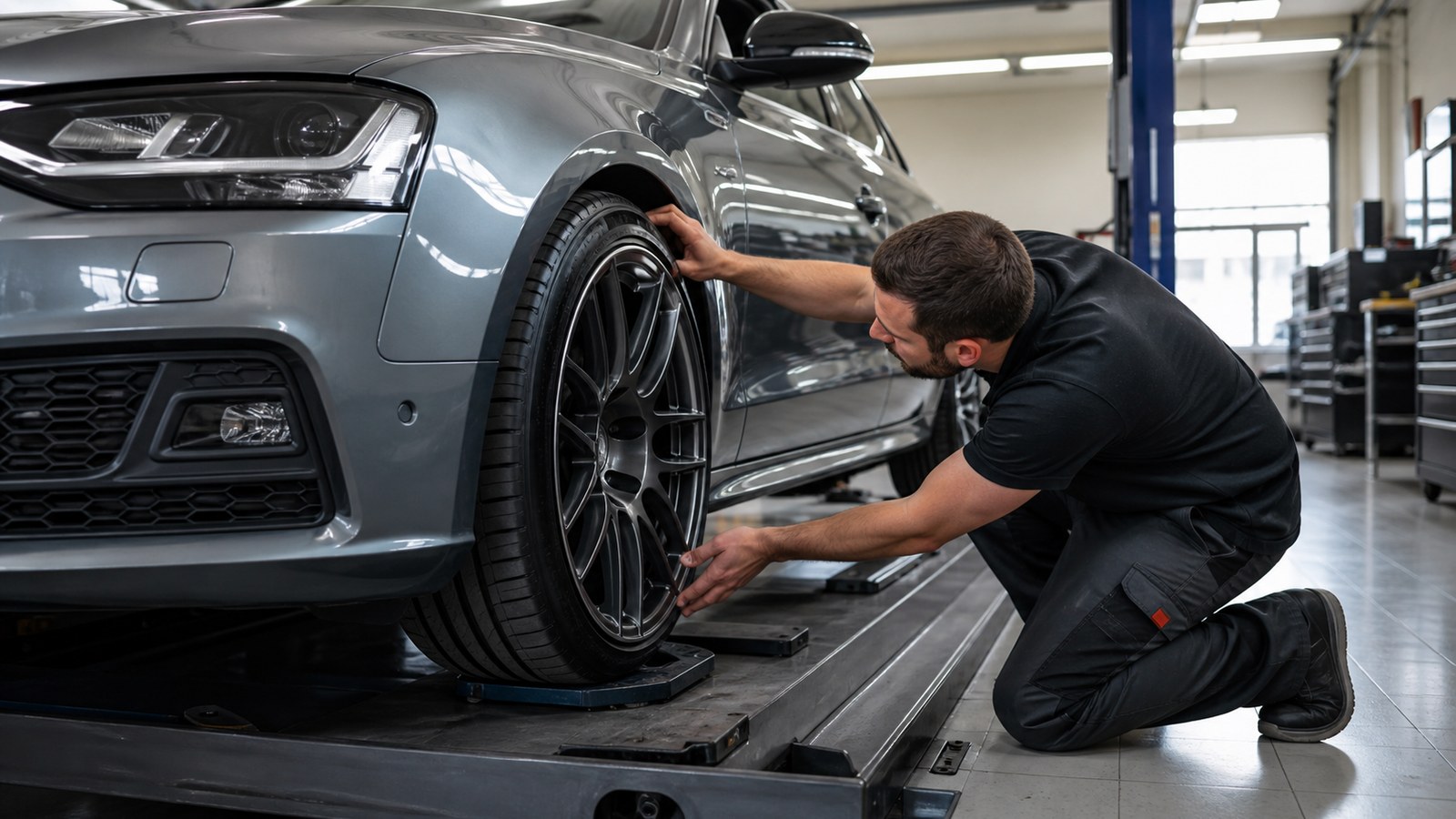
Suspension work needs alignment. Camber, toe, caster, ride height, and corner balance where relevant all decide how the car drives and how tires wear. A suspension upgrade is not finished when the parts are bolted on. It is finished when the vehicle tracks straight, clears properly, and behaves predictably.
Brake Upgrades Should Match The Use
Brake upgrades can mean better pads, fresh fluid, stainless lines, larger rotors, cooling ducts, or full big-brake kits. The right choice depends on the problem being solved. A street car with old fluid may need maintenance more than huge calipers. A track car may need heat capacity and repeatable pedal feel. A tow vehicle may need pads, fluid, cooling, and trailer brake setup.
Stopping power also depends on tires. Better brakes cannot overcome poor grip. The safest builds treat tires, brakes, suspension, and driver technique as one system. A car that accelerates harder should also stop with confidence.
Appearance Mods Still Need Fit And Durability
Wheels, wraps, spoilers, splitters, lighting, trim, tint, and body kits can change a vehicle’s identity. The best appearance changes look integrated and survive real use. Poor parts can fade, crack, rub, whistle, trap water, or damage paint. A visual upgrade should be judged by fit, finish, materials, and how it ages.
A street car also has legal and safety boundaries. Lighting color, window tint, plate visibility, bumper height, tire coverage, and emissions equipment may be regulated. A clean-looking car can still create inspection or insurance problems if the modifications ignore local rules.
Interior Mods Should Preserve Safety
Seats, steering wheels, harnesses, shift knobs, screens, lighting, audio, and trim can make a cabin more personal. They can also interfere with airbags, sensors, seat belts, visibility, controls, and electrical systems. Interior modifications need extra care because the cabin protects occupants in a crash.
For street vehicles, keeping airbags and restraints functional is usually the smart choice. A show or track car may have a different safety plan, but that plan should be intentional. Cosmetic changes are not worth reducing basic occupant protection without understanding the consequences.
Tuning Can Affect Warranty And Emissions
Software tuning can change boost, fuel, ignition timing, torque management, throttle response, shifting, and emissions behavior. It can make a vehicle more responsive, but it may affect warranty claims, inspection readiness, fuel requirements, and component life. A tune should be chosen for the vehicle’s use, not only the biggest advertised gain.
Owners should know whether a tune is reversible, whether it preserves emissions equipment, what fuel it requires, and what data supports it. A good tuner explains limits clearly. A vague promise of safe power is not enough.
Documentation Protects The Build
Receipts, part numbers, alignment sheets, tune files, dyno charts, service dates, and installation notes make a modified vehicle easier to maintain and sell. They also help shops diagnose problems because the history is visible. A modified car without records can feel risky even when the work is good.
Documentation is part of craftsmanship. It shows that the owner treated the build as a system rather than a pile of parts. Future buyers and technicians trust clean records because they reduce unknowns.
Resale Value Depends On Taste And Trust
Modifications rarely return their full cost at resale. Some buyers value them; others see risk. Reversible, high-quality, documented changes usually inspire more confidence than hacked wiring, unknown tunes, cut panels, or extreme parts. A build that fits a narrow taste may take longer to sell.
Owners should modify primarily for their own use and enjoyment. If resale matters, they should keep factory parts when possible, choose quality components, and avoid changes that damage the vehicle. Trust is the resale currency of modified cars.
The Best Mods Make The Car Better To Use
A successful aftermarket build does not need to be extreme. It needs to make the vehicle better for its intended life. That might mean sharper handling, safer tires, better cooling, cleaner paint protection, more comfortable seats, smarter storage, or reliable extra power. The point is improvement, not complication.
The best modified cars feel coherent. Every change supports the same goal, and the vehicle remains safe, serviceable, and enjoyable. Good modification is not just adding parts. It is editing the vehicle with judgment.
Compatibility Is The First Safety Check
Before ordering parts, owners should confirm fitment, load rating, software compatibility, emissions status, and whether supporting hardware is required. A part that fits one trim may not fit another because brakes, sensors, wiring, cooling, or drivetrain parts differ. Guessing can create vibration, warning lights, leaks, rubbing, or drivability problems that cost more than the part itself.
Compatibility also includes the owner. A stiff suspension, loud exhaust, aggressive tune, or delicate wrap may be fun in theory and tiring in daily life. The best modifications match the car and the person using it.
Cheap Parts Can Become Expensive
Low-cost parts are not automatically bad, but poor materials, weak tolerances, bad coatings, and unclear engineering can create problems. A cheap suspension arm, wheel, brake pad, lighting kit, or tune may save money up front and then cost more through failures, poor fit, or repeat labor. Installation time is part of the cost, so replacing the same part twice is rarely a bargain.
Value comes from the right balance of quality, purpose, and budget. Owners should look for proven parts, clear specifications, honest reviews, and support from installers who know the platform. The best part is not always the most expensive, but it should be trustworthy.
Inspection After Installation Matters
After a modification, the car should be inspected and tested. Fasteners need torque checks, wheels need clearance checks, suspension needs alignment, electronics need clean operation, and power changes need data review. A quick drive around the block is not enough if the change affects braking, steering, cooling, or drivetrain load.
Follow-up inspection is especially important after the first few heat cycles or miles. Parts settle, clamps loosen, tires reveal rubbing, and fluids show leaks. A careful recheck turns a modification into a finished job.
Insurance And Disclosure Can Matter
Some modifications affect insurance coverage or claims. Performance changes, suspension alterations, expensive wheels, wraps, audio systems, or commercial equipment may need to be disclosed depending on the policy. If the insurer does not know about a costly change, replacement after theft or collision may be complicated.
Owners should understand how their policy treats modifications. Documentation, photos, receipts, and agreed-value coverage where appropriate can protect the investment. A build is easier to enjoy when the financial side is not a mystery.
The Best Builds Stay Coherent
A coherent build has a theme and a purpose. The wheels match the suspension, the tires match the power, the brakes match the speed, and the interior matches the use. Random upgrades can make a car feel worse even when each part is good by itself. Integration is what turns parts into a build.
Good modification requires restraint. Owners do not have to do everything at once. A few well-chosen changes, tested carefully, often create a better car than a long list of parts fighting each other.
Legal Street Use Should Stay Visible
Street-driven vehicles have to meet a different standard than track-only or display-only projects. Exhaust volume, emissions equipment, lighting, window tint, ride height, tire coverage, and safety equipment may all be regulated. A car can be beautifully built and still become stressful if it fails inspection, attracts tickets, or creates insurance questions. Good planning includes the rules where the vehicle is registered and driven.
This does not mean every build has to be mild. It means the owner should know which tradeoffs are being made. A track car can accept compromises that a daily driver should not. A street car needs enough restraint to remain usable, legal, and welcome on public roads.
Staged Builds Are Easier To Control
Doing modifications in stages helps owners understand what each change actually did. Tires, alignment, brake service, suspension, power, cooling, and appearance changes can be tested one at a time. If the vehicle develops noise, vibration, heat, or drivability problems, the cause is easier to trace. A one-weekend pile of parts can make diagnosis much harder.
Staging also protects the budget. The owner can stop when the car reaches the desired feel instead of continuing because the next part was already bought. The best builds often evolve through careful testing rather than one dramatic shopping cart.


